HOW PHYSIOTHERAPY CAN HELP YOU RECOVER FROM CHRONIC BACK PAIN?

More than just a sporadic discomfort, lower back pain can interfere with everyday activities, impair mobility, and have an impact on your general health. This blog post examines the most common causes of lumbar pain. This blog post examines professional physiotherapy Dubai as a potential long-term treatment for lumbar pain. Learn how early intervention and professional coaching may help you move freely and confidently once again, from manual therapy and clinical Pilates to customized exercise regimens and posture instruction.

Introduction: How Physiotherapists Help To Recover From Pain

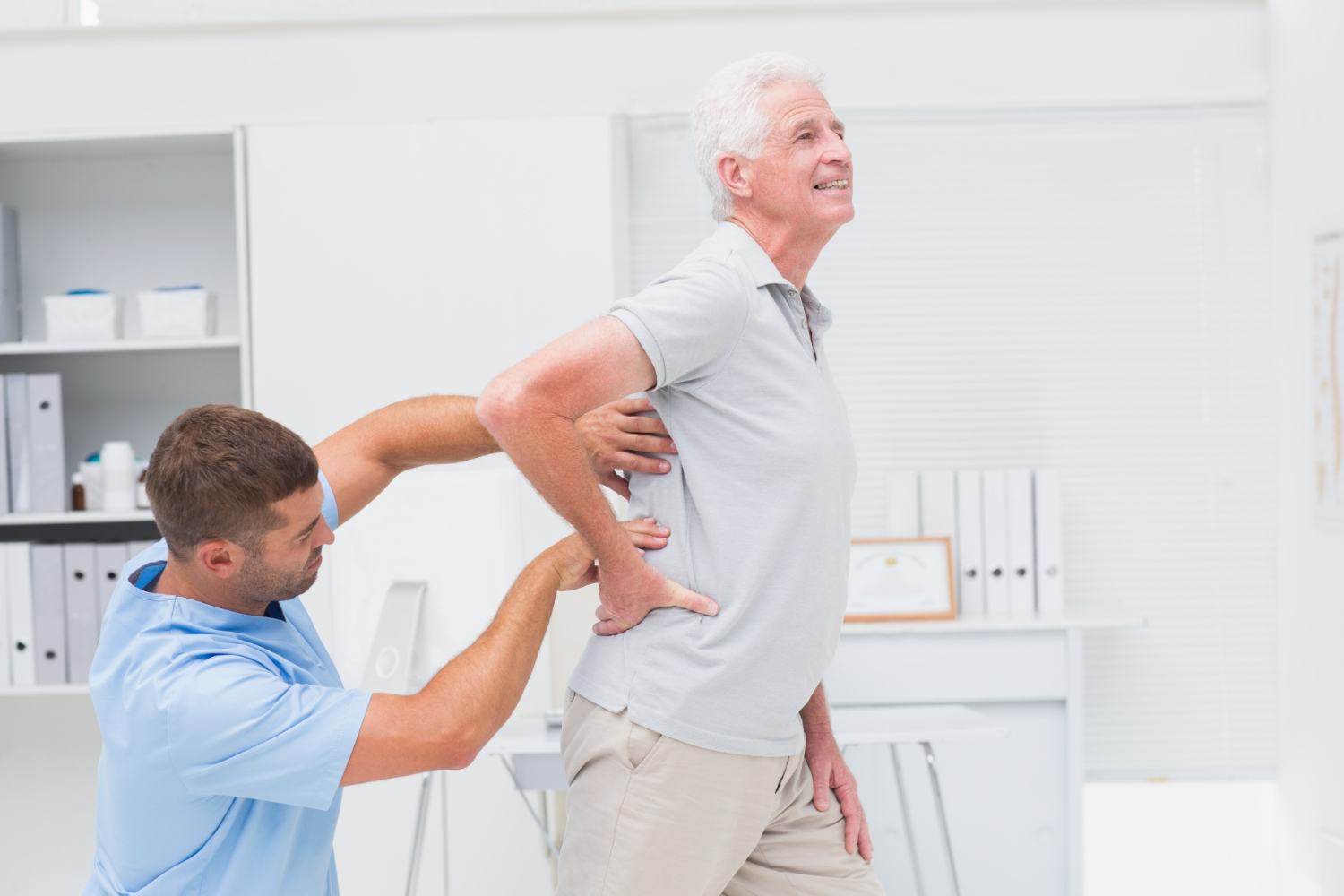
It may be emotionally and physically draining to live with persistent back pain. It impacts how you live your life, including how you walk, work, and sleep. Physiotherapy is a long-term, evidence-based remedy that tackles the underlying cause of the issue rather than merely its symptoms, whereas painkillers and band-aid solutions may only give momentary relief.

What Is Chronic Back Pain?

Chronic back pain refers to back discomfort that lasts 12 weeks or more, even after an original injury or underlying reason has healed. Chronic pain can persist and grow more complicated, frequently including modifications in the way the brain and nervous system interpret pain signals, in contrast to acute pain, which acts as a warning indicator.

What Are The Common Causes Of Chronic Back Pain?

There is typically no single cause for chronic back pain. It frequently arises gradually as a result of a combination of physical habits, prior injuries, and lifestyle choices. The first step to long-lasting relief is figuring out what’s causing your discomfort.

These are a few of the most typical reasons:

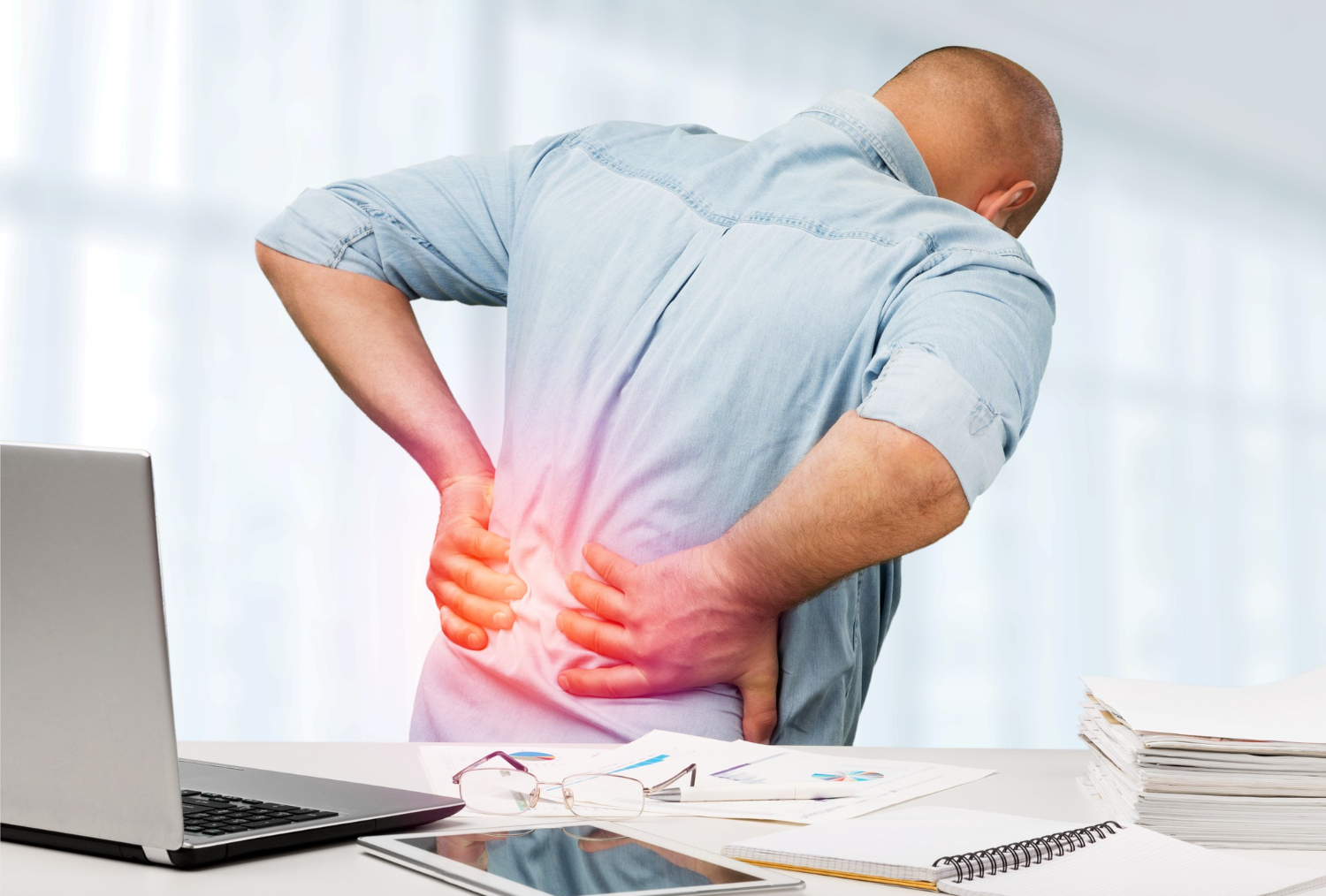
  • Long periods of sitting and bad posture: If your workspace isn’t properly set up, spending a lot of time bent over a desk, laptop, or phone can put undue pressure on your spine and surrounding muscles.
  • Muscle imbalances and glute weakness: Your lower back and other places overcompensate when your glute muscles aren’t functioning properly. This imbalance leads to tension, poor movement mechanics, and persistent discomfort.
  • Sensitization resulting from an earlier injury: Your back may continue to be sensitive even if your first injury occurred years ago. Even if the damage has long since healed, pain signals may still be reaching your brain.
  • “Degenerative” conditions associated with aging: Chronic inflammation and stiffness in the spine can result from conditions including osteoarthritis, degenerative disc degeneration, or spinal stenosis. Post-surgery physiotherapy Dubai helps restore strength and mobility after back or spinal surgery.
  • Emotional strain and stress: Chronic stress frequently manifests physically as well as mentally. Many people hold stress in their shoulders and back, which over time can lead to chronic discomfort.
  • Living a sedentary lifestyle and not moving about: Our muscles weaken, our joints tighten, and our neurological system becomes more susceptible to pain signals when we don’t move enough. One of the biggest danger factors is excessive sitting without frequent breaks. Neurological physiotherapy Dubai helps relieve chronic back pain caused by nerve or spinal conditions.

Chronic pain requires a personalized treatment plan that addresses the whole body, which is exactly what physiotherapy aims to offer, since it usually comes from a mix of physical, emotional, and lifestyle issues.

Why Choose Physiotherapy For Chronic Back Pain?

Physiotherapy is more than just passive care. It equips you with the knowledge, skills, and techniques to manage your pain and enhance your quality of life.

Physiotherapy is a wise and sustainable option for the following reasons:

  • Focuses on the underlying problem rather than merely the symptoms
  • Enhances function, strength, and mobility
  • Lessens the need for painkillers
  • Helps avoid flare-ups in the future
  • Increases self-assurance and physical awareness
  • Provides individualized treatment based on your objectives and way of life

How Does Physiotherapy Help Chronic Back Pain?

One of the best long-term strategies for treating persistent back pain is physiotherapy. Physiotherapy addresses the underlying causes of pain, restores functional mobility, and enhances your confidence in daily activities instead of merely masking symptoms. The following tried-and-true methods may be incorporated into your individualized treatment plan:

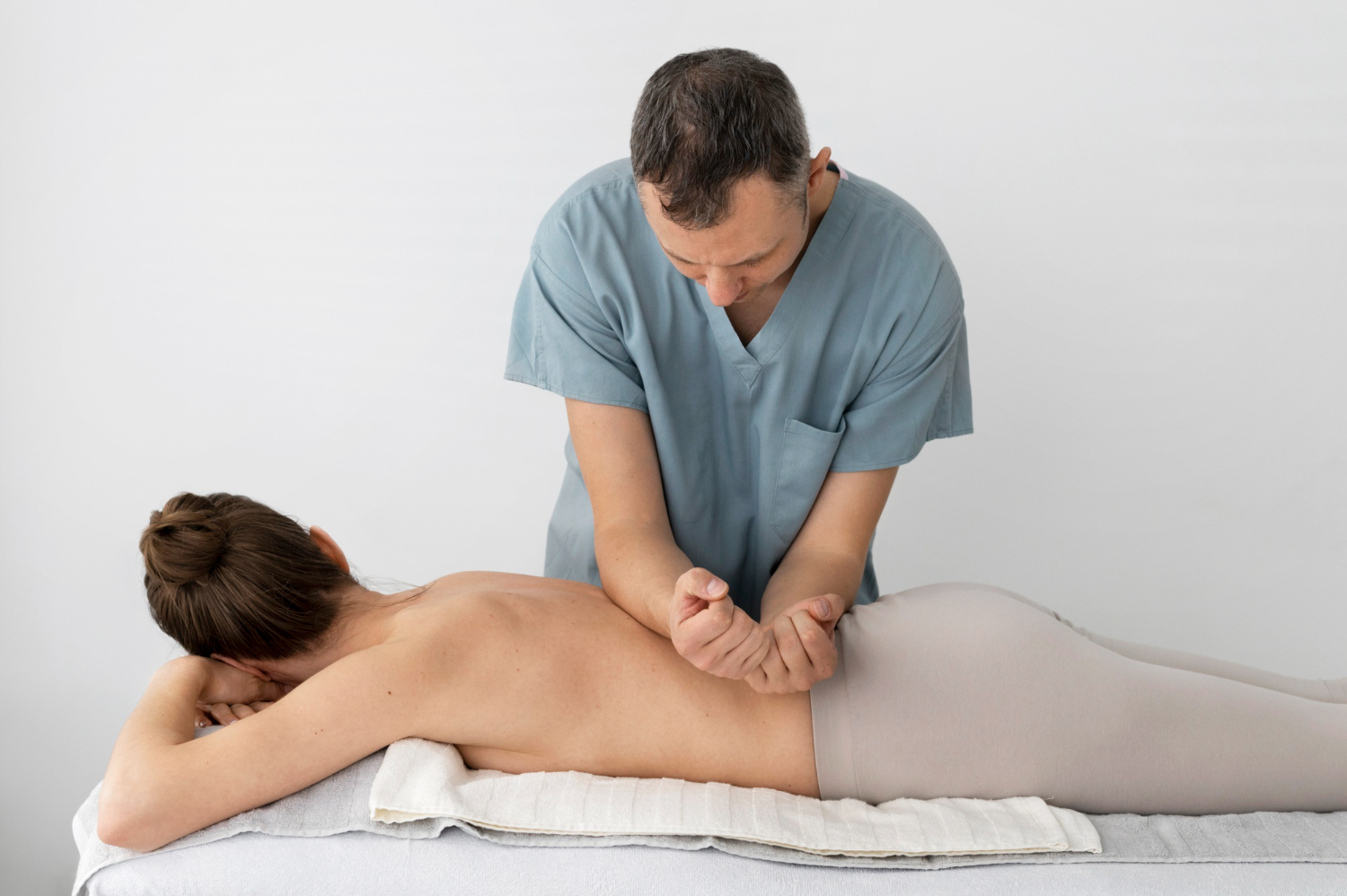
Manual Therapy By A Physiotherapist

For pain relief and movement restoration, your affordable physiotherapist Dubai may employ hands-on treatments. This may consist of:

  • To relieve tense muscles, provide a soft tissue massage.
  • Using joint mobilization to enhance spinal mobility
  • Techniques for myofascial release to lessen stiffness

Both acute and chronic back pain might benefit from massage therapy, which can ease discomfort, particularly when combined with movement-based therapies.

Exercise Therapy By A Physiotherapist

The foundation of physiotherapy for persistent low back pain is targeted exercise. Even while strengthening and core stability exercises result in only slight improvements in function and discomfort, they are nevertheless necessary for long-term results. Your strategy can consist of

  • Training for core stability
  • Hip and gluteal strengthening
  • Exercises for lumbar and thoracic mobility
  • Retraining functional movements (lifting, bending, and squatting)
  • Stretching to increase piriformis, hip flexor, quadriceps, and hamstring flexibility

Consistency with customized workouts promotes healing and avoids flare-ups, even if not all studies provide significant therapeutic results.

Postural & Movement Retraining By A Physiotherapist

Because they are afraid of making their pain worse, many people with chronic pain adopt bad movement habits. Physiotherapy by the Physiotherapy clinic Dubai benefits you by:

  • Regain your self-assurance when moving around in daily life.
  • Learn safe techniques for sitting, walking, and lifting.
  • Fix any bad posture that can be putting strain on your spine.
  • Avoid compensating behaviors that result in more harm.

Education & Pain Management By A Physiotherapist

One effective strategy for rehabilitation from chronic pain is pain education. Methods such as Pain Neuroscience Education (PNE) can help you overcome your fear of movement, improve your tolerance during exercise, and comprehend how pain functions in the body and brain. Additionally, you’ll get advice on:

  • How to control flare-ups and pace yourself
  • Changing activities without getting enough sleep
  • Knowing what causes your discomfort

Cognitive Behavioural Strategies By A Physiotherapist

By treating the psychological aspect of pain, Cognitive Behavioural Therapy (CBT) can aid in the healing of individuals who have experienced chronic back pain for an extended period of time, particularly following comprehensive conservative therapy. CBT might be beneficial to you:

  • Reframe views about pain that are negative.
  • Establish reasonable objectives.
  • Boost morale and lessen disability

Stress, Sleep & Lifestyle Coaching By A Physiotherapist

Stress, worry, sleep deprivation, and inactivity can exacerbate chronic pain. You might get assistance from your Physiotherapist Dubai with:

  • Techniques for breathing and relaxing
  • Sleep posture and daily tips
  • Ergonomic modifications at home or at work
  • Routines of light activity to replace extended periods of sitting

What About Other Approaches Recommended By A Physiotherapist?

In addition to conventional physical treatment by a Certified Physiotherapist Dubai, some individuals benefit from the following methods:

  • The McKenzie Method: This is an organized workout regimen that produces outcomes that are on par with other therapies and have a greater sense of short-term healing.
  • Yoga: A potentially helpful adjunct that enhances function, pain, and flexibility (albeit more study is needed)
  • Pilates: May provide alleviation, especially for female patients, although there is currently no data on its long-term advantages.
  • Manipulative Therapy: This is not better than normal physiotherapy care, although it does produce somewhat better results than sham treatment.

However, there is little evidence to support the use of modalities like ultrasound, laser treatment, TENS, or shortwave diathermy for chronic back pain, and they are typically not advised.

To sum up, physiotherapy provides a thorough, interdisciplinary approach to persistent back pain that considers the full person rather than simply the spine. Orthopedic physiotherapy Dubai treats spine and joint issues to relieve chronic back pain and enhance flexibility. You can move better, feel stronger, and live with less pain and more confidence if you have the correct plan and support.

Our Physiotherapy Techniques For Back Pain Relief

The Physiotherapy Center Dubai, Vitruvian-Italian Physiotherapy Center customizes a variety of tried-and-true physiotherapy approaches to meet your unique needs while treating back pain. In addition to easing your discomfort, we want to help you regain your range of motion and regain your self-confidence.

Here are a few methods we frequently employ:

  • Joint manipulation and mobilization: To enhance alignment, lessen stiffness, and restore natural mobility, we manipulate your spinal joints gently and carefully.
  • Trigger point treatment and deep tissue massage: These practical methods lessen pain in tense or overworked regions, increase blood flow, and relieve muscular tension.
  • Dry needling: We target trigger points with tiny, sterilized needles to reduce stiffness, ease muscular spasms, and aid with pain management.
  • Corrective exercises and movement retraining: To safeguard your spine in day-to-day activities, we work directly with you to regain strength and correct movement patterns and posture. Pediatric physiotherapy Dubai supports children with back pain from posture or spinal issues.
  • Mobility exercises and stretching: Carefully selected stretches enhance mobility and minimize strain by increasing flexibility in important regions such as your hips, lower back, and hamstrings.
  • Taping or bracing (if necessary): Taping or bracing may be used to assist in stabilizing joints and directing mobility to provide additional support throughout the healing process.

What To Expect In A Physiotherapy Assessment?

We begin by improving your mobility and reducing your discomfort. Thereafter, we concentrate on long-term methods to maintain your back’s strength and stop flare-ups in the future. Not only temporary solutions, but long-term alleviation is what we aim for. The goal of your initial consultation is to comprehend your suffering. We’re going to:

  • Inquire in-depth about your lifestyle, medical history, and symptoms.
  • Examine your strength, flexibility, movement habits, and posture.
  • Determine any compensating patterns, mobility limitations, or muscle imbalances.

Together, establish specific objectives, such as walking pain-free, playing sports again, or comfortably lifting your children. Pediatric physiotherapy Dubai supports children with back pain from posture or spinal issues.

6 Proven Habits To Support Your Recovery From Chronic Back Pain

Chronic back pain requires patience, perseverance, and a proactive approach to recovery. Physiotherapy lays the foundation, but your everyday routine determines long-term outcomes. Here are six proven strategies advised by the Best Physiotherapist Dubai that can assist in your recovery and reduce the likelihood of flare-ups:

  • Even if the discomfort subsides, continue with your workouts: Long-term stability and strength are the aim. Being consistent helps you avoid setbacks and keeps you moving forward.
  • Continue to move throughout the day: Walking, swimming, and yoga are examples of low-impact exercises that promote circulation and mobility without putting undue strain on your spine.
  • Steer clear of prolonged sitting: Take brief standing or stretching breaks every 30 to 60 minutes to break up extended periods of time spent at your work or on the sofa.
  • Intentionally manage your stress: Stress and chronic pain are frequently linked. To relax your body and mind, practice mindfulness, breathing exercises, or light movement.
  • Honor little victories: Even though progress may be slow, any improvement in movement or less discomfort is worthwhile. Remain upbeat and monitor your progress.
  • Maintain communication with your physical therapist: Your physio can adjust your plan and maintain the proper course of your recovery with open communication.

Recuperation is a process, and even daily modifications can have significant long-term effects.

Get Help With Chronic Back Pain By Scheduling A Consultation With A Physiotherapist

Even though chronic back pain is prevalent, you don’t have to accept it as “normal.” With the correct assistance and skilled physiotherapy, you may end the pain cycle, regain your function, and resume your free life.

Schedule an appointment with our licensed physiotherapist Dubai right now; we’re here to help you through every stage of your recuperation.
From Injury to Recovery Expert Tips on Dislocated Shoulder Physical Therapy

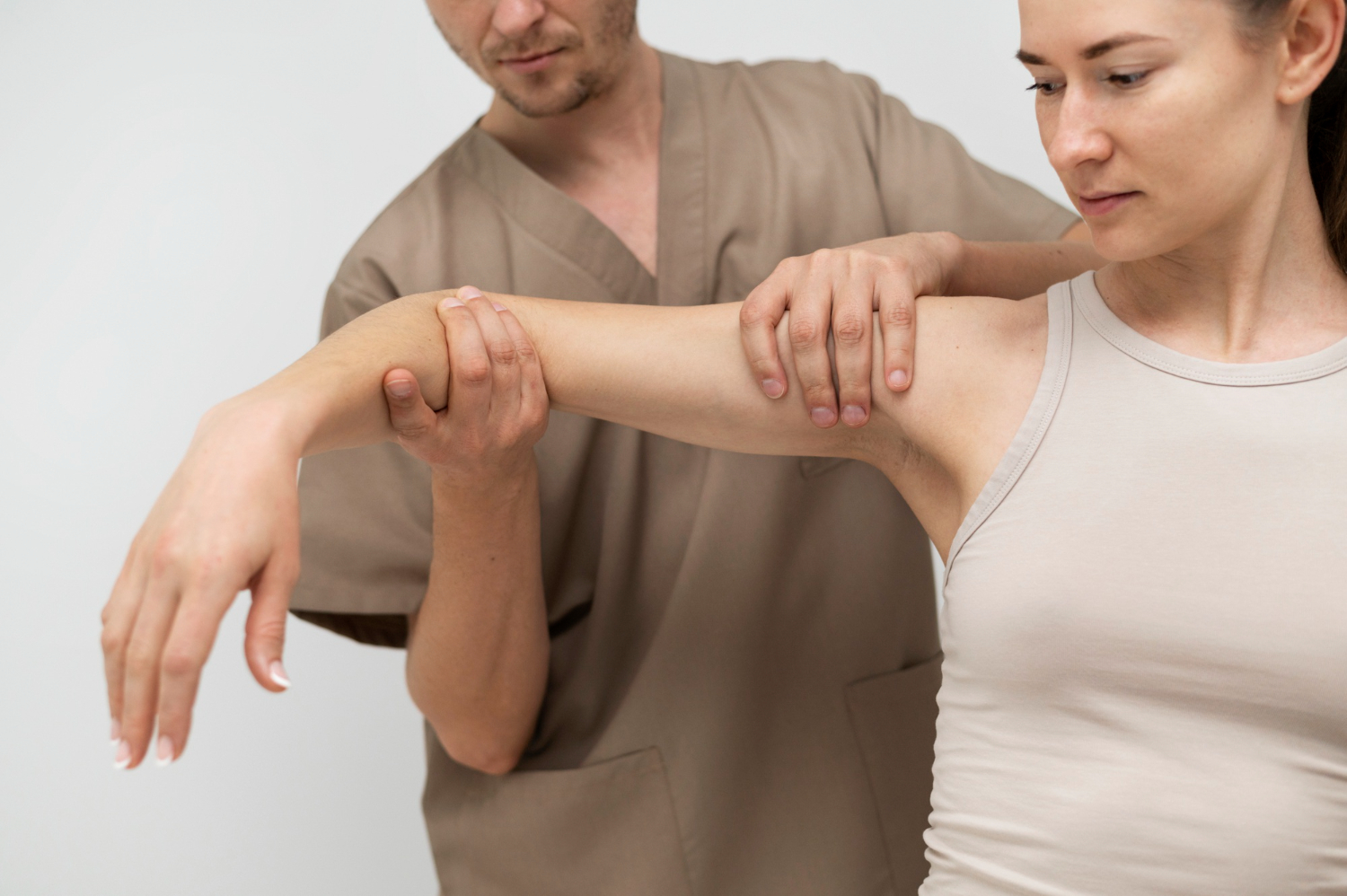
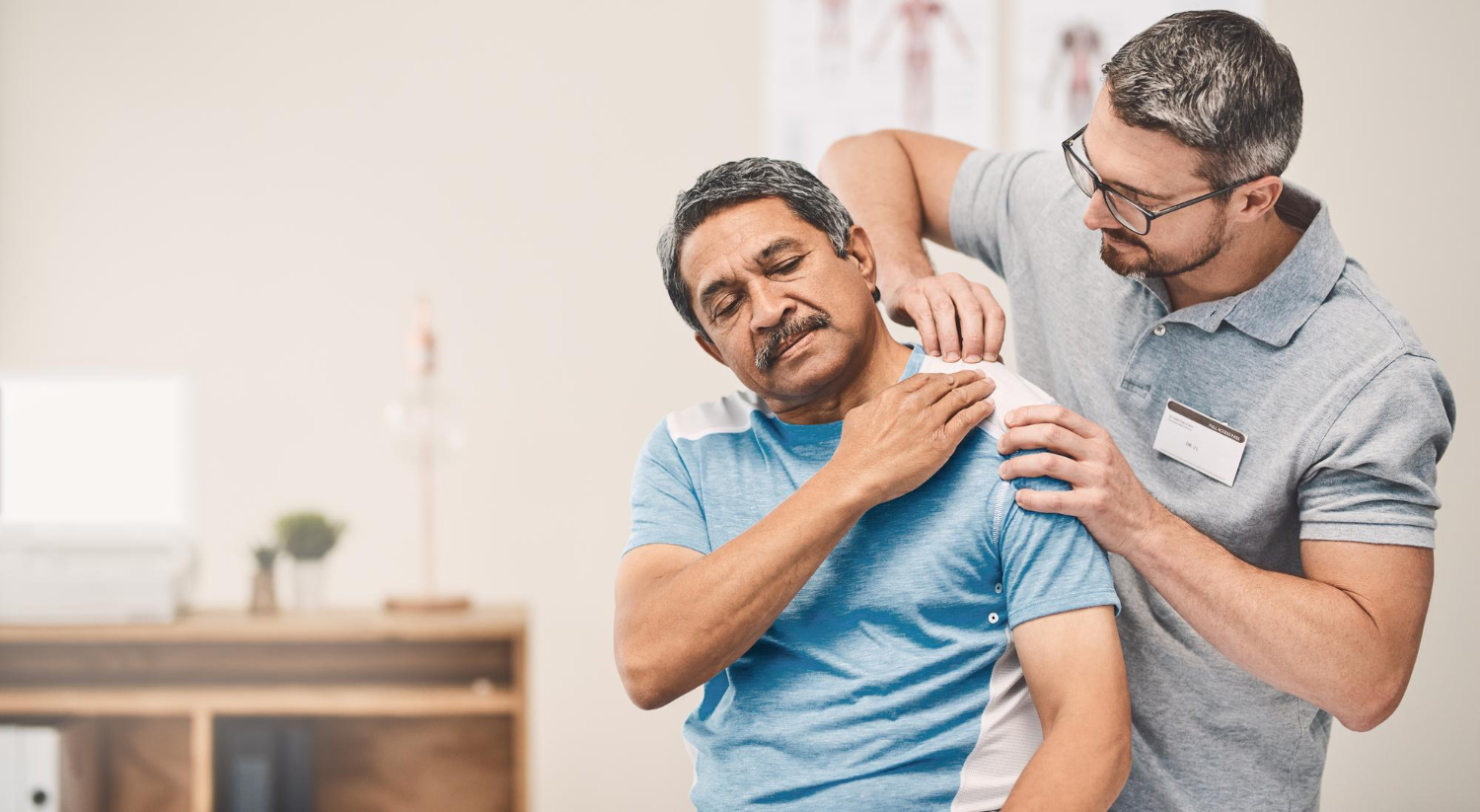
A dislocated shoulder can cause pain and restricted movement, which can interfere with day-to-day activities. Shoulder pain treatment Dubai focuses on reducing inflammation and restoring mobility efficiently. Recovery necessitates a calculated combination of perseverance, commitment, and suitable physical therapy, regardless of the cause—sports, accidents, or other events. This article provides professional advice on physical therapy for dislocated shoulders to promote a speedy and efficient healing process.

Physical Therapy for Dislocated Shoulder

Physical therapy is essential in recuperating from a dislocated shoulder. Shoulder pain physiotherapy Dubai helps not only in restoring movement but also in preventing future injuries. Physical therapy for a dislocated shoulder involves more than just regaining movement; it also entails strengthening the shoulder and avoiding further injuries. People can restore complete ability and attain comprehensive rehabilitation by participating in specialized activities at Vitruvian Italian Physiotherapy Center.

What is Shoulder Dislocation?

A shoulder dislocation occurs when the upper arm bone is pushed out of the shoulder blade socket. Shoulder pain specialist in Dubai can help diagnose and create tailored treatment plans for such conditions. This injury necessitates prompt medical attention and a well-organized recovery plan since it produces severe pain, edema, and instability.

Causes of Shoulder Dislocation

Shoulder dislocations are frequently caused by accidents, sports injuries, and falls. The shoulder is more prone to dislocations than other joints because of its wide range of motion, which is why consulting a shoulder pain doctor Dubai is highly recommended for effective management.

Dislocated Shoulder Therapy Exercises

Recovery requires performing targeted dislocated shoulder therapy exercises as well as shoulder dislocation recovery activities. Best shoulder pain clinic Dubai, such as Vitruvian Italian Physiotherapy Center, offers supervised sessions that strengthen shoulder muscles, increase range of motion, and lower the chance of further dislocations.

Pendulum Swings

Pendulum swings are mild activities that help keep shoulders flexible. Shoulder pain treatment near me in Dubai often includes such gentle exercises to maintain mobility and blood flow. Lean forward a little and let your damaged arm hang to complete this exercise. Spend a minute or so gently swinging your arm in little circles.

Isometric Shoulder Exercises

Muscle contractions without joint movement are a component of isometric exercises. PRP therapy for shoulder pain Dubai may be combined with these exercises for faster recovery and pain relief. These therapeutic exercises for shoulder dislocation are essential for preserving muscular strength without putting undue strain on the shoulder.

Shoulder Blade Squeezes

Shoulder blade squeezes strengthen and stabilize the muscles surrounding the shoulder blade. Squeeze your shoulder blades together gently while standing or sitting with your back erect. Hold the position for a few seconds, then let go.

Stages of Recovery With Shoulder Dislocation Therapeutic Exercise

Initial Recovery Phase

The main objective in the early stages after an injury is to lessen pain and inflammation. During this time, immobility, ice, and rest are essential.

Intermediate Recovery Phase

Physical treatment for dislocated shoulders involves mild stretches and motions to restore range of motion and get ready for more difficult activities as the pain goes away.

Advanced Recovery Phase

The emphasis switches to functional training and strengthening exercises in the last stage, readying the shoulder for daily tasks and athletic endeavors.

Common Mistakes to Avoid

  • Skipping Warm-ups: Before beginning shoulder dislocation recovery exercises, warm-ups are crucial to preventing additional injuries and getting the muscles ready for action.
  • Neglecting Pain: Your body uses pain as a warning sign that something may be amiss. Ignoring it may cause the injury to worsen and take longer to heal.
  • Rushing the Process: It takes time to recover from a dislocated shoulder. Avoid moving too quickly through the phases as this may result in setbacks and postpone a full recovery.
  • Shoulder Dislocation Rehabilitation Program: For full recovery, an organized rehabilitation program is essential. As the shoulder recovers and gains strength, the intensity of this program should be progressively increased to meet the needs of each individual.
  • Benefits of Professional Guidance: Consulting a qualified physical therapist guarantees that you execute the appropriate exercises in the proper form. This advice lowers the chance of re-injury and is crucial for a safe and efficient recovery.

Home Exercises and Maintenance

Towel Stretch

Stretching using a towel can help increase flexibility. Stretch your shoulder muscles by holding a towel behind your back with one hand and gradually pulling it upward with the other.

External Rotation

This workout requires the use of a resistance band. To strengthen the rotator cuff muscles and improve stability, spin your forearm outward while keeping your elbow close to your torso.

Conclusion

It takes a combination of perseverance, commitment, and the appropriate physical therapy technique to recover from a dislocated shoulder. Exercises for dislocated shoulder therapy will help you regain function, build strength, and avoid more injuries. Always consult Vitruvian Italian Physiotherapy Center for a personalized rehabilitation plan tailored to your recovery needs. Remember, healing is a gradual process that leads to lasting shoulder health.

FAQs About Shoulder Physical Therapy

Yes, you can lower your risk of future dislocations by doing therapeutic exercises for shoulder dislocations on a regular basis and keeping your shoulders flexible and strong.

Surgery is not always necessary. Physical therapy and exercises for dislocated shoulders can be used to address many instances.

This is dependent on each person's level of recovery. To make sure your shoulder is strong enough for the demands of your sport, it is imperative that you speak with a physical therapist.

Joint instability and recurrent dislocations are possible side effects that highlight the significance of an all-encompassing rehabilitation program.

Get medical help right away. Reducing the dislocation is typically the first course of treatment, which is followed by rest and ice application.

ACL Injury In Athletes Prevention And Treatment in Dubai

The anterior cruciate ligament (ACL) is a tiny but important tissue in the knee joint. The best ACL Surgery in Dubai can significantly restore knee function and improve the quality of life after an injury. ACL physiotherapy, the anatomy and function of the ACL, types of ACL injuries, treatments for ACL injuries, their clinical significance, risk factors, symptoms, diagnosis, treatment options, prevention strategies, and the effect of ACL tears on athletes’ careers are just a few of the topics we will cover in this extensive guide to ACL injuries.

Understanding the ACL: Anatomy and Function

What is an ACL?

The anterior cruciate ligament (ACL) is one of four primary ligaments in the human knee joint. It connects the thigh bone (femur) to the shinbone (tibia) and is located deep within the knee. ACL Repair Dubai procedures are often required when the ligament is stretched or torn due to sudden stops or impacts. Despite its small size, the ACL plays a vital role in balance and joint protection.

Function of the ACL

The ACL serves several vital functions:

  1. Stability: The ACL’s capacity to stabilize the knee joint is one of its main functions. It serves as a barrier to prevent the tibia from excessively advancing toward the femur.
  2. Control: The ACL helps regulate the knee joint’s range of motion, especially when cutting, rotating, and making quick direction changes are involved.
  3. Protection: In addition to its stabilizing function, the ACL aids in preventing excessive strain and possible harm to other knee structures, including the articular cartilage and menisci.

Types of ACL Injuries

ACL injuries can vary in severity and are not all the same. ACL injuries are frequently divided into three primary categories:

  1. Grade I Sprain: Only a small number of the ligament fibers are impacted, making this a moderate ACL damage. The knee joint is usually stable after a Grade I sprain, and ACL knee surgery recovery is rarely necessary.
  2. Grade II Sprain: Damage to a greater number of ligament fibers characterizes a moderately severe Grade II ACL injury. Surgery isn’t usually required, even though the knee may feel a little unsteady.
  3. Grade III Sprain (Complete Tear): The ACL is completely torn into two parts in a Grade III sprain, the most serious type of ACL injury. Surgery is frequently advised to restore stability and function since this kind of injury makes the knee extremely unstable.

ACL Tear Surgery Dubai is usually recommended for severe cases like Grade III sprains, where the ligament is completely torn.

Clinical Significance of ACL Injuries

ACL injuries are serious issues that can have a significant impact on a person’s knee health and general well-being. ACL injuries have several clinical implications, including:

  • Instability: People who have an ACL tear frequently have knee instability, which makes them feel unsteady and unpredictable when doing different tasks.
  • Meniscus Tears: The meniscus, the wedge-shaped cartilage that cushions the joint, may tear as a result of the increased instability in the knee.
  • Early-Onset Arthritis: Untreated or insufficiently treated ACL injuries can eventually lead to the development of knee arthritis, which causes pain and reduced function.

Risk Factors for ACL Injuries

People from many areas of life are susceptible to ACL injuries; they are not exclusive to any particular group. Nonetheless, the following risk factors may make an ACL injury more likely to occur:

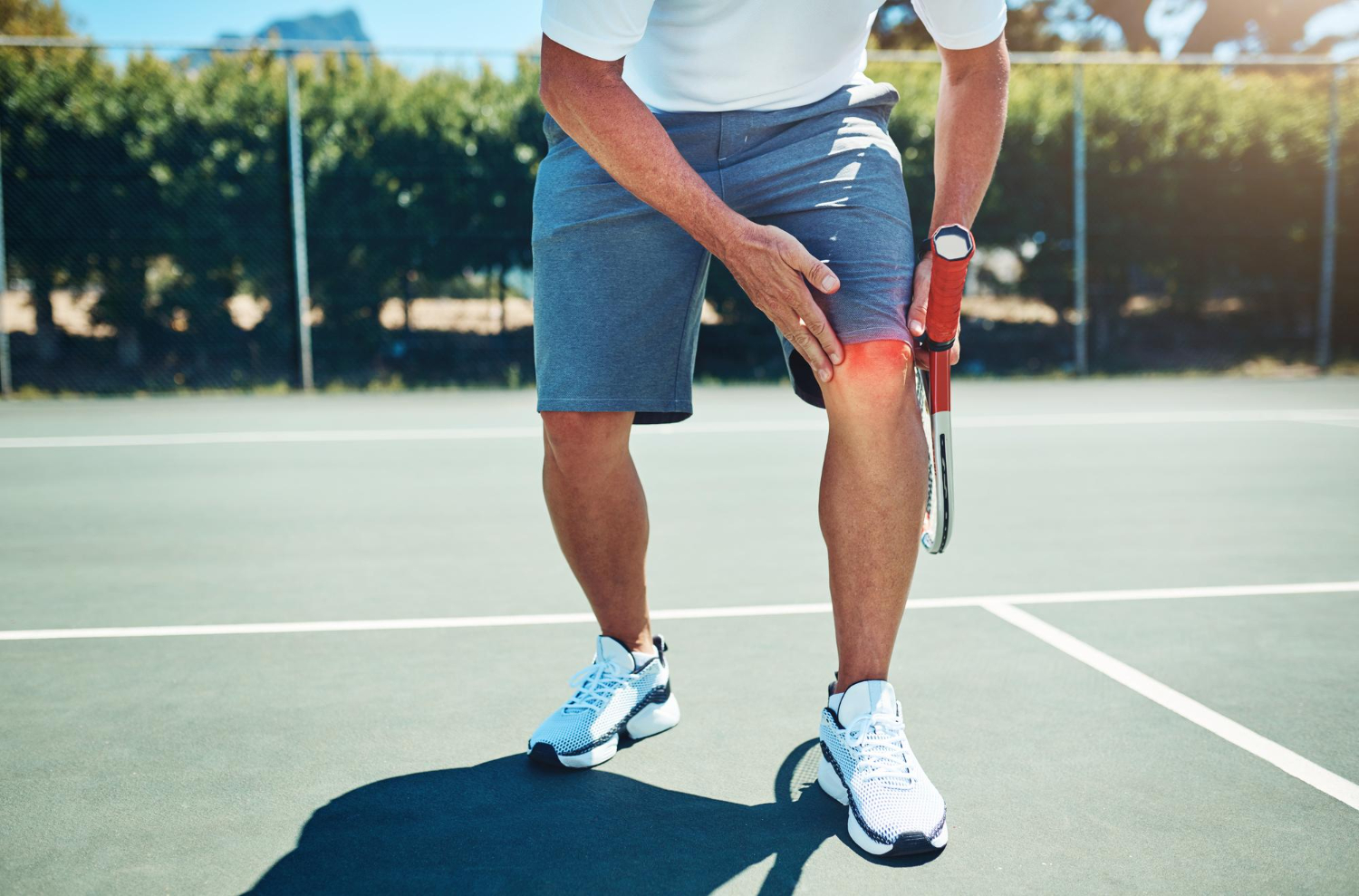
  1. Participation in Sports: ACL injuries are more common in athletes who play sports that call for abrupt stops, quick direction changes, jumping, or rotating. Sports like tennis, basketball, soccer, football, and skiing are excellent examples.
  2. Gender: It is important to note that women are more likely than men to sustain an ACL injury. It is thought that variations in biomechanics and hormonal effects contribute to this disparity.
  3. Prior Injuries: The likelihood of hurting the opposite knee is increased if one knee has previously sustained an ACL injury. Those who have previously suffered an ACL tear should exercise extra caution.
  4. Environmental Aspects: ACL injury risk can be influenced by training surface type, footwear selection, and playing circumstances. Playing on an uneven or wet field, for instance, can make things riskier.

What Does an ACL Tear Feel Like?

An ACL injury can cause a variety of symptoms, including:

  • A loud, abrupt “pop” or “snap” at the moment of injury.
  • Severe knee pain and edema that usually appears in a few hours.
  • An unsteady sensation in the knee, as though it would buckle under weight.
  • The wounded limb becomes difficult to walk on or bear any weight on.

How Common are ACL Injuries?

ACL injuries, especially in athletes, are somewhat prevalent. The American Academy of Orthopedic Surgeons reports that every year in the US, there are over 200,000 ACL tears. These injuries are a common issue because they happen in a variety of activities.

What Causes ACL Tears?

There are several causes and processes for ACL tears:

  • Abrupt Stops or Direction Changes: When someone stops or changes direction suddenly while jogging or traveling, they increase the risk of suffering an ACL injury.
  • Poor Landing: The ACL can sustain serious damage if you land awkwardly after a leap, especially if your knee is outstretched.
  • Direct Impact: An ACL damage may result from a direct hit to the knee, as might occur in a vehicle or sports accident.
  • Overuse and Repetitive Stress: In certain sports, especially those involving frequent cutting and pivoting motions, repetitive stress and pressure on the ligament can cause ACL problems to develop over time.

How are ACL Tears Diagnosed?

ACL tears are diagnosed by medical professionals using a variety of techniques:

  • Physical Examination: The physician will evaluate the stability of the knee, searching for indications of pain, swelling, and range-of-motion restrictions.
  • Medical Imaging: Detailed pictures of the interior tissues of the knee are frequently obtained by an MRI (Magnetic Resonance Imaging) scan. ACL tears can be definitively diagnosed with the help of this imaging method.

Can an ACL Tear Heal on Its Own?

Most complete ACL tears (Grade III sprains) do not recover on their own, but certain smaller ACL injuries, usually Grade I sprains, may respond to conservative therapy and rest. A torn ACL can result in persistent instability and an increased risk of secondary injuries if treatment is not received.

ACL Tear Surgery

Surgical surgery is advised for the majority of patients with a complete ACL tear. ACL reconstruction surgery uses a graft to replace the torn ligament; this graft can be taken from a donor (allograft) or the patient’s own body (autograft). This surgical technique, which uses tiny incisions and sophisticated medical tools, is typically performed arthroscopically.

Rehabilitation After ACL Surgery

After ACL surgery, rehabilitation is essential to the healing process. Among the objectives of rehabilitation are:

  • Restoring the knee’s strength and flexibility.
  • Enhancing the general stability of joints.
  • Improving proprioception, or awareness of joint position, and neuromuscular control.
  • Returning to physical activities and sports gradually.

Although rehabilitation programs are usually customized to each person’s unique needs and development, they frequently consist of several stages with an emphasis on progressively increasing the level of difficulty of exercises and activities.

Phases of Physiotherapy for ACL Post-Op Recovery

Anterior Cruciate Ligament (ACL) recovery following surgery is a multi-phase procedure that usually takes many months. During ACL post-op recovery, physiotherapy aims to minimize discomfort and the chance of re-injury while restoring knee function, strength, and stability. The general stages of physiotherapy for ACL healing following surgery are as follows:

Immediate Post-Op Phase (0–2 weeks):

  • Use devices like TENS, ultrasound, or high-powered lasers to protect the surgical site, control pain, and reduce swelling.
  • Start with mild range-of-motion (ROM) exercises, such as isometric quadriceps contractions and ankle pumps.
  • Using crutches or a brace if required, help the patient regain the capacity to walk.
  • Inform the patient of the significance of adhering to the recommended dosage and icing schedule.

Early Mobilization Phase (2-6 weeks):

  • Continue managing pain and swelling.
  • Increase the range of motion gradually using workouts that involve both passive and active assistance.
  • Start with closed-chain exercises to enhance proprioception and weight bearing.
  • Start with calf, hamstring, and quadriceps strengthening exercises.
  • Improve your balance and gait.

Intermediate Phase (6-12 weeks):

  • Restore full range of motion (0-130 degrees) and normal gait pattern.
  • Increase the strength training activities’ intensity gradually by using resistance bands, bodyweight workouts, and small weights.
  • Exercises for balance and stability can improve proprioception and neuromuscular control.
  • Start with functional exercises like squats, lunges, and step-ups that replicate daily activities.
  • Include activities that improve cardiovascular fitness, such as stationary cycling.

Late Recovery Phase (12-24 weeks):

  • Focus on increasing strength and endurance training resistance and intensity progressively.
  • Incorporate plyometric and agility training to enhance athletic and functional performance.
  • Take care of any lingering deficiencies in coordination and physical strength.
  • Determine whether a return to sports or physical activity is appropriate. Depending on personal development and sport-specific needs, this stage may change.
  • To lower the chance of recurrent ACL injuries, concentrate on injury prevention techniques such as appropriate warm-up and cool-down exercises, agility drills, and sport-specific training.

Return to Sport Phase (24+ weeks):

  • Make sure the patient’s wounded knee is fully stable, strong, and self-assured.
  • Use training exercises tailored to your sport, such as jumping, cutting, and pivoting exercises.
  • Reintroduce the patient to their chosen sport gradually through a planned and supervised program.
  • To sustain peak performance and lower the chance of re-injury, place an emphasis on ongoing strength and conditioning.
  • Lastly, stating that the patient is cleared to resume sports

It’s important to remember that the schedule for each stage may change based on the patient’s development and the surgeon’s suggestions. To guarantee the greatest result and a safe return to physical activity, close contact between the patient, physical therapist, and surgeon is essential during the ACL post-op rehabilitation phase.

How Can I Prevent a Torn ACL?

ACL injury prevention is an important topic, especially for athletes and active people. The following techniques can help lower the chance of ACL tears:

  • Strength Training: Targeted strength training activities can assist support the ACL and lower the risk of damage, especially for the muscles surrounding the knee and hip.
  • Appropriate Technique: To reduce the strain on the ACL during sporting activities, athletes should be trained in appropriate landing and cutting methods.
  • Equipment: An additional line of defense against ACL injuries can be offered by using the proper footwear and protective equipment, such as knee braces.
  • Warm-up and Cool-down: You may assist prevent injuries by making sure your body is adequately warmed up before working out and cooled down afterward.
  • Training for balance and coordination: It can increase joint stability and lower the chance of falls and unsteady landings.

Can You Walk if Your ACL is Torn?

Walking with a torn ACL is not advised, although it is doable. Walking when suffering from an ACL tear can worsen the injury, harm the knee further, and eventually cause problems. Until they obtain the proper care, people with ACL injuries frequently use crutches to reduce the amount of weight they bear on the injured leg.

When Should I See My Healthcare Provider?

It’s critical to see a doctor right away if you think you may have an ACL injury or if you have symptoms like a sudden pop in your knee, excruciating pain, swelling, or instability. The prognosis can be greatly enhanced and the chance of long-term consequences decreased with early diagnosis and treatment.

Questions to Ask Your Doctor

Think about posing the following queries to your healthcare provider when you are talking about an ACL injury:

  1. What is the extent of my ACL injury?
  2. Can I explore non-surgical therapy, or do I require surgery?
  3. What is the anticipated time frame for my particular case’s recovery?
  4. Do I need to undertake any particular physical therapy or exercises while I’m recovering?
  5. What procedures should I adhere to in order to resume sports or other physical activity safely, and when may I anticipate doing so?

Will There Be Another ACL Tear?

Many people can resume their prior level of physical activity without risk of re-injury following successful ACL restoration surgery and therapy. To lower the chance of developing knee issues in the future, it is crucial to keep taking preventative measures and using the right training methods. ACL injuries certainly increase a person’s risk of developing more serious knee problems in the future, which highlights the significance of continued knee treatment and maintenance.

At Vitruvian Italian Physiotherapy Center, we can assist lower the likelihood of this occurring by using the appropriate exercises, preventative measures, and constant progress tracking throughout your workout program.

Is an ACL Tear “Career-Ending” for an Athlete?

For any athlete dealing with an ACL tear, the phrase “career-ending” might be intimidating. It is not always the end of an athlete’s career, even if it might be a major setback. Many athletes have successfully resumed competitive participation in their chosen sports after receiving the proper care, surgery, and rehabilitation. The path to recovery, however, can be difficult and calls for commitment to the healing process.

Conclusion

All things considered, an ACL rupture is a complicated and multidimensional injury that can impact people of all ages and levels of exercise. Early diagnosis and successful treatment of ACL injuries depend on knowing the architecture and function of the ACL, identifying risk factors, and being aware of the symptoms.

Understanding ACL injuries, non-surgical knee treatment Dubai, ACL injury therapies, and ACL physiotherapy will help you make well-informed decisions about the health of your knee, regardless of whether you are an athlete or someone who wants to lead an active lifestyle. Don’t put off getting medical help if you think you may have an ACL damage because prompt treatment can have a big impact on your knee’s long-term mobility and health.

Five Tips for Managing Tennis Elbow

Lateral epicondylitis, often referred to as tennis elbow, is a disorder affecting the outside of the elbow. Tennis Elbow Treatment Dubai is essential because this condition happens when the forearm tendons are overworked, frequently as a result of overuse or repetitive activity.

Tennis elbow can be brought on by playing tennis, but it is more frequently caused by overusing muscles or improper positioning during other activities. Best tennis elbow treatment in Dubai focuses on identifying such causes—like painting, gardening, or working long computer hours—to prevent recurrence.

Tennis elbow can be exasperating and painful, but it can be treated with the correct therapy. Tennis Elbow Pain Relief Dubai can be achieved through targeted rehabilitation sessions at Vitruvian Italian Physiotherapy Center, which focuses on restoring mobility and reducing inflammation.

1-Rest: Give Your Elbow The Time It Needs To Heal Body

Resting the afflicted elbow is one of the most crucial treatments for tennis elbow. Elbow Pain Treatment Dubai emphasizes limiting forearm strain and repetitive motions that aggravate the condition.

Rest does not imply total inactivity; rather, it refers to avoiding elbow-straining tasks like lifting large objects, holding repeatedly, or participating in particular sports. Recovery can be greatly impacted by taking rests and changing your motions. Limiting wrist extension when carrying items like supermarket bags is one way to make adjustments. Additionally, when picking up objects, it is recommended to employ a bent-elbow position rather than an extended elbow.

2-Heat: Manage Pain And Reduce Stiffness

Applying heat to the injured area can assist in easing stiffness and boosting circulation. Tennis elbow therapy Dubai often includes heat packs or warm compresses to relax the muscles and speed up healing.

You can apply a heating pad or a warm compress to the elbow for ten to fifteen minutes at a time. However, to prevent direct contact with the skin and prevent burns, always use a barrier, like a towel, and take care not to overheat the region.

3-Massage: Relieve Tension And Promote Healing

Another useful method for managing lateral epicondylitis is body massage. A targeted soft tissue massage can reduce discomfort and increase flexibility by releasing tension in the tendons and muscles of the forearm. Tennis elbow specialist Dubai therapists recommend gentle circular motions to release muscle tension and enhance flexibility.

Try the following self-massage technique using fingers or a tennis ball: As the tension eases, apply light pressure to the muscles surrounding the elbow and progressively increase it. Avoid massaging the irritated tendon directly to prevent more irritation.

4-Stretch: Improve Flexibility And Reduce Muscle Strain

The muscles and tendons surrounding the elbow can be kept and made more flexible through body stretching. When muscles are tight, they can place additional stress on the tendons and exacerbate the problem. Chronic tennis elbow cure Dubai programs often include daily stretching routines to minimize tension and prevent stiffness.

A good stretch for tennis elbow includes wrist flexion stretches. Bend the wrist downward with the palm facing down to feel the muscles in your forearms stretch.

5-Strengthen: Build Resilience And Prevent Future Injury

Exercises for strengthening are just as important to the healing process as rest. Strengthening can be added to regular activities after around six weeks of stretching and pain relief methods. Tennis Elbow Rehab Center Dubai focuses on progressive muscle strengthening using light weights or resistance bands.

Strengthen the forearm muscles, particularly the flexors and extensors, with controlled and moderate workouts. Start with resistance bands or small weights. Raise the resistance as your strength increases. Wrist curls, reverse wrist curls, and grip-strengthening exercises are all effective forearm exercises. It’s crucial to begin softly and raise the intensity gradually because overstretching the muscles too quickly can result in reinjury.

When to Seek Further Treatment for Tennis Elbow Body

These suggestions are intended to be used as a guide, not a prescription, because you may have additional health issues that affect your recovery. It’s crucial to seek advice from a healthcare provider if symptoms intensify or continue. The skilled hand specialists at Vitruvian Italian Physiotherapy Center can help you heal and resume your favorite activities without causing you any pain!

Back Pain PT Exercises for Effective Lower Back Pain Recovery

At Vitruvian Italian Physiotherapy Center, we are committed to helping you achieve lasting relief from back pain. Lower back pain treatment Dubai services here are customized to address the root causes of discomfort through advanced physical therapy. We employ a comprehensive approach that emphasizes strength, flexibility, and mobility to restore you to a pain-free lifestyle.

In Dubai, lower back discomfort is a prevalent issue that hinders the ability to engage in daily activities and maintain an active lifestyle. Lower back pain Dubai solutions at Vitruvian Italian Physiotherapy Center are designed to enhance mobility and prevent future injuries through personalized rehabilitation.

In this blog, we will investigate the critical role of physical therapy and rehabilitation services at Vitruvian Italian Physiotherapy Center in assisting you in managing and recovering from back pain, as well as learning effective PT exercises.

Understanding the Impact of Lower Back Pain

Lower back pain can significantly disrupt daily living, making regular chores more difficult. Lumbar pain clinic Dubai treatments focus on identifying and relieving the sources of spinal and muscular strain that limit your daily comfort and mobility.

Common Causes of Lower Back Pain

Lower back pain is frequently the consequence of prolonged sitting, muscle strain, or poor posture. Spine specialist Dubai services can help you identify postural issues and muscular imbalances that lead to chronic pain and stiffness.

The Role of Muscle Imbalance

The vertebral column is significantly supported by abdominal and back muscles. VIP back pain treatment Dubai focuses on correcting these imbalances through core strengthening and targeted exercise routines at Vitruvian Italian Physiotherapy Center.

How Chronic Back Pain Affects Daily Life

The ability to perform basic tasks like walking, lifting, and bending might be affected by persistent lower back pain. Sciatica treatment Dubai programs can relieve nerve compression and muscle tension, helping patients restore movement and improve rest quality.

The Importance of Professional Help

It is crucial to seek the advice of a physical therapist if you are experiencing persistent back discomfort. A customized exercise regimen can assist in resolving the underlying cause of discomfort, enhancing flexibility, and fortifying muscles. At Vitruvian Italian Physiotherapy Center, we provide specialized physical therapy and rehabilitation services to assist in your recovery and the reestablishment of your daily activities.

The Role of Back Pain PT Exercises

Physical therapy exercises for back pain are essential for long-term relief and recovery. Physiotherapy for back pain Dubai programs target key muscle groups to improve mobility, posture, and stability, ensuring sustainable recovery.

Strengthening the Core

Strengthening the core muscles is one of the primary objectives of physical therapy exercises for back discomfort. This encompasses the muscles that run along the vertebrae and the abdominal muscles. Having a robust core is beneficial for supporting the lower back, which in turn reduces the tension on the spine and prevents further injury.

Improving Flexibility and Mobility

The hip flexor stretch and cobra stretch are examples of flexibility exercises that can alleviate lower back tension and enhance spinal movement. Stretching regularly can alleviate stiffness and enhance range of motion, thereby simplifying and alleviating the discomfort of daily activities.

Enhancing Posture and Alignment

The muscles responsible for preserving a neutral position of the spine are targeted by back pain exercises, which aid in the improvement of posture. Physical therapy can also concentrate on the alignment of the pelvis and vertebrae, which ensures that pressure is distributed uniformly and reduces the likelihood of injury.

Preventing Recurrence of Pain

A well-rounded exercise routine helps to avoid the recurrence of discomfort by addressing muscle weakness and imbalance. Physical therapy can decrease the probability of future muscle spasms and chronic back pain by emphasizing core strengthening exercises, flexibility, and appropriate posture.

The Benefits of Professional Guidance

Collaborating with a physical therapist guarantees that exercises are executed safely and accurately. They have the ability to develop a program that is tailored to your unique requirements and constraints. At Vitruvian Italian Physiotherapy Center, our team of professionals is available to assist you in the recovery process and help you regain control of your life.

Key PT Exercises for Lower Back Pain Relief

Certain back pain PT exercises are effective in focusing on the muscles that provide support for the lower back. These exercises have the potential to enhance function and alleviate discomfort.

Bird Dog

The lower back and core muscles are strengthened by the bird dog exercise. Initially, position yourself on all fours with your palms under your shoulders and your knees bent. Form a straight line by slowly extending your right arm forward and your left leg backward. Hold for a few seconds, then gradually return to the starting position and repeat on the other side. Balance and stability are enhanced by this exercise.

Child’s Pose

A child’s pose is a mild stretch that alleviates tension in the lower back. Begin by kneeling on your hands and knees. Subsequently, gently recline on your heels while extending your arms forward. This position enhances flexibility and reduces rigidity by stretching the hip flexors and lower back muscles. It is an exceptional method for alleviating tension that accumulates as a result of prolonged periods of sitting.

Cobra Stretch

The cobra stretch is effective in alleviating lower back tension and opening up the spinal cord. Begin by reclining on your stomach with your elbows bent and your palms flat on the floor. Slowly raise your upper body, allowing the lower vertebrae to extend. Hold for a few seconds, and then gradually lower your body back down. This stretch is designed to enhance spinal flexibility and target the muscles of the lower back.

Single Knee to Chest Stretch

The single knee to chest stretch is effective in relaxing tight muscles in the lower back and hips. Lie on your back with your knees bent and your feet level on the floor. Gently pull one knee toward your midsection while maintaining the straightness of the other leg. Continue to maintain the position for a few seconds before switching to the other side. This stretch promotes flexibility and alleviates pressure in the lower spine.

Hip Flexor Stretch

The hip flexor stretch is intended to alleviate tension in the hip region, which frequently contributes to lower back discomfort. Starting with your feet level on the floor and your knees bent, lie on your back. While maintaining the other leg straight, gently pull one knee toward your torso. Hold for a few seconds, and then alternate legs. This exercise enhances the flexibility of the hip muscles and alleviates the strain on the lower spine.

Bird Dog with Arm and Leg Extensions

This exercise is a more sophisticated variation of the bird dog, as it targets both the upper and lower body. Begin on all fours, with your palms under your shoulders and your knees bent. Slowly extend your right arm forward while simultaneously extending your left leg behind you. Hold for a brief period before returning to the initial position and repeating the process on the opposite side. This exercise enhances balance, stabilizes the vertebrae, and fortifies the core.

Regularly engaging in these exercises can alleviate lower back pain, enhance flexibility, and prevent additional injuries. Collaborating with a physical therapist guarantees that the exercises are executed safely and accurately. At Vitruvian Italian Physiotherapy Center, we provide guidance on these exercises to facilitate your recovery.

Why Choose Vitruvian Italian Physiotherapy Center

Vitruvian Italian Physiotherapy Center is a physical therapy clinic that specializes in the provision of effective treatment to assist in the recovery of lower back discomfort. The reason our methodology is distinctive is as follows.

Experienced Physical Therapists

Our team of expert physical therapists is committed to assisting you in regaining mobility and strength. They develop programs that are tailored to your unique requirements, utilizing their extensive experience in physical therapy exercises for back pain. Our clinicians possess the expertise to assist you in your recovery, regardless of whether you are experiencing chronic lower back pain or muscle spasms.

Personalized Treatment Plans

We acknowledge that each patient is unique. At Vitruvian Italian Physiotherapy Center, we develop personalized exercise regimens that are specifically tailored to your unique condition. Your plan will be tailored to your specific objectives, whether it be to enhance your flexibility or to fortify your core muscles, thereby enabling you to achieve enduring pain alleviation.

Comprehensive Care Approach

Our methodology surpasses mere exercises. We adopt a comprehensive approach to your recovery, addressing all factors that contribute to lower back discomfort. Our services are designed to enhance strength, posture, and overall function, ranging from aerobic exercise to flexibility training. Our objective is to mitigate discomfort and forestall future injuries.

Focus on Long-Term Results

At Vitruvian Italian Physiotherapy Center, we prioritize long-term recovery rather than merely alleviating symptoms of back pain. We assist you in establishing a strong foundation for future wellness by incorporating posture correction and core strengthening exercises. Our treatments are intended to enhance your quality of life and prevent recurrence.

Start Your Recovery Journey at Vitruvian Italian Physiotherapy Center!

Our team of professionals at Vitruvian Italian Physiotherapy Center is available to assist you in managing your lower back pain. We provide customized physical therapy and rehabilitation services to facilitate your recuperation, regardless of whether you are experiencing chronic back pain or muscle discomfort.

7 Signs Your Sciatica Is Improving and 3 Phases of Recovery

Sciatica recovery isn’t usually simple. It might be difficult to determine when sciatica pain is improving because it can feel better on some days and worse on others. However, with the right therapies and sciatica pain relief in Dubai, you may get back on track and relieve your discomfort effectively. You may even be able to permanently treat sciatica in certain situations through professional care at Vitruvian Italian Physiotherapy Center.

So, how can you determine whether your sciatica is getting better? You might feel considerably more at ease in your daily life because there are a few unmistakable indicators that your condition is improving. Best sciatica treatment in Dubai ensures your symptoms are managed correctly, allowing a faster return to normal mobility.

Discover the seven indicators that sciatica is getting better here, and read through our frequently asked questions to discover more about sciatica healing.

How Can You Tell If You Have Sciatica?

A herniated disc is the cause of sciatica in about 90% of cases. Sciatica specialist Dubai explains that the sciatic nerve, which extends from your hip to your lower leg, is compressed by this disc. Consequently, sciatica sufferers frequently experience tingling, numbness, radiating pain, or other discomfort in:

  • Lower back
  • Hip
  • Buttocks Legs
  • Ankles and feet.

Usually, the hip, buttocks, and thighs are where pain begins. Lower back pain and sciatica treatment Dubai options can help when the condition spreads farther down the leg as it worsens. This is known as peripheralization.

The majority of sciatica sufferers only feel pain on one side of their body. See a doctor right away if you have sciatica on both sides, as this may be a sign of a more serious underlying issue.

Will My Sciatica Get Better On Its Own?

Sciatica symptoms frequently go away without medical assistance. According to research, conservative pain therapy (nonsteroidal anti-inflammatory medicines or a placebo) improved 60% of cases in three months. About half of individuals experience improvement in as little as ten days. Vitruvian Italian Physiotherapy Center provides targeted recovery programs that enhance natural healing.

You can be referred for steroid injections or perhaps decompression surgery to relieve pressure on the sciatic nerve if your symptoms worsen or return. This ciatic nerve pain treatment Dubai approach helps restore nerve function and reduce inflammation.

The effectiveness of surgical versus non-surgical treatments has not been found to differ over the long term by research. However, you are more likely to be hypersensitive to the indications of improvement if you have been dealing with symptoms for a long time. Personalized care at Vitruvian Italian Physiotherapy Center ensures every patient receives the right course of therapy for sustained chronic sciatica relief Dubai.

7 Signs Your Sciatica Is Improving

Sciatica can linger for months, with up to 30% of individuals treated with opioids still experiencing symptoms after one to two years. Let’s examine these seven indicators to see if your symptoms are finally getting better.

Centalisation Of Sciatic Pain

Sciatica begins in the hip area and, as it worsens, spreads to the lower legs. Therefore, pain that begins to go away and return to the hip is the most important indicator that sciatica is getting better. This is known as centralization.

If the lower leg begins to feel less affected than it was before, even though the pain is still rather severe, this is a positive indication that your sciatica is getting better. The more you experience hip and spine pain instead of leg discomfort, the more likely it is that your sciatica is improving.

Even if your herniated disc is not repaired, centralization may still happen. Therefore, sciatica pain can be relieved without the need for surgery, steroid injections, or other intrusive procedures. However, these therapies can hasten the healing process if your pain is severe or persistent.

Pain Is Less Intense And Frequent

Centralization is important, but the ultimate goal is to be pain-free. Therefore, any decrease in the frequency or severity of discomfort is encouraging. Sneezing or coughing may cause less discomfort, or you may feel tingling and pins and needles rather than sharp aches in your hip or leg.

However, a lack of pain relief does not necessarily indicate that your sciatica is worsening. Your hip pain may still be at a comparable level, but if it is centralizing, it is still a sign that your sciatica is improving.

Improved Mobility

Any increase in mobility is a great indication that sciatica pain is making it difficult to walk or move. Your sciatica is probably improving if you can perform more activities than you were previously able to.

Techniques for sciatica massage and self-mobilization have been demonstrated to desensitize your sciatic nerve and encourage soft tissue repair, both of which can alleviate your symptoms. So, one effective strategy to hasten healing is to actively participate in your recovery.

Fewer muscle spasms

Sciatica is known to cause muscle spasms. Muscle spasms have the potential to ensnare nerves, making sciatica pain worse. Sciatic discomfort is therefore occasionally treated with muscle relaxants and antispasmodic medications.

Your sciatica may be healing if you experience fewer back muscular spasms, which may also reduce the likelihood that it will recur.

Your Muscles Feel Stronger

Your leg muscles may feel significantly weaker than usual if you have a trapped sciatic nerve. One of the easier symptoms of sciatica to manage is weakness, but you can tell if your sciatica is improving by keeping an eye on your muscular strength.

Leg strength recovery is frequently an indication that sciatica is getting better. You could discover that you can stand for longer periods of time or walk farther than you previously could.

Less Pain In The Straight Leg Raise Test

One of the most used diagnostic procedures for suspected sciatica is the straight leg lift test. You lie on your back for this test, and a medical professional gently lifts your leg at the hip while it is completely extended. Sciatica may be the cause of discomfort when your leg reaches a 30° angle, particularly if the pain gets worse between 30° and 70°.

A companion or partner can assist you in reproducing this exam at home. Take this test to track your pain levels and see if your sciatica symptoms are getting better.

Diagnostic Imaging Tests Show Positive Results

Diagnostic imaging is not always utilized for sciatica patients unless the doctor thinks of a more serious underlying reason or the symptoms haven’t improved after a few months.

However, your doctor can recommend additional testing to better understand the course of your sciatica if you have had diagnostic imaging. There may be encouraging indications of sciatica improvement from these examinations.

Phases of sciatica recovery

Recovery from sciatica can be roughly divided into three stages:

  • Centralization: Although the pain may still be severe, it progressively moves back into the lower back and hips.
  • Desensitization: Weakness and numbness are frequently still experienced, although pain eventually lessens.
  • Nerve rehabilitation: You can resume your regular activities because the sciatic nerve is no longer compressed, allowing you a wider range of motion.

However, improvement isn’t always linear. Even if you feel better one day, symptoms might worsen temporarily. Sciatica doctor Dubai experts assure that fluctuations are normal during recovery and can be managed with consistent therapy.

Avoid getting discouraged. Most sciatica sufferers recover completely, especially with the help of committed pain treatment specialists.


You can now confidently identify when your body is beginning to recover because you know the symptoms of sciatica are getting better. Recovery from sciatica isn’t always simple, though. These are a few of the most common queries regarding sciatica remedies.


Sciatica Improvement FAQs

30% of sciatica patients may have pain for a year or more. Although full recovery from sciatica can take several months, most patients find that their symptoms start to improve considerably sooner. According to one study, 75% of sciatica patients who received solely non-surgical therapy saw improvements within a month.

There are no guarantees that your sciatica won’t come back. However, there are steps you may take to reduce the likelihood of developing more sciatic pain, like:

  • Maintain appropriate posture while lifting: reduce the amount of weight you lift and employ proper techniques.
  • Reduce stress: Sciatica risk has been linked to elevated stress levels.
  • Give up smoking: Smoking raises the risk of sciatica, either new or recurring.

Your sciatica symptoms should go away after giving birth if you had them throughout pregnancy.

Sciatica can sometimes worsen before getting better. Usually, the first few weeks of symptoms are the worst, but over the following several months, the pain significantly lessens.

If you have a sciatica setback or your symptoms don't get better, it might be aggravating. It's advisable to speak with a back and spine specialist in these situations so they can assist you in determining the best course of action for your issue.


Book An Appointment At Vitruvian Italian Physiotherapy Center

If you’re struggling with persistent sciatica symptoms, Vitruvian Italian Physiotherapy Center offers specialized sciatica treatment in Dubai designed to relieve pain and restore movement. Their team of experienced therapists provides tailored care plans, including manual therapy, exercises, and nerve rehabilitation techniques to ensure long-term recovery.

Whether you’re seeking chronic sciatica relief or expert pinched nerve treatment in Dubai, this clinic combines advanced technology with personalized attention. Schedule your consultation today at Vitruvian Italian Physiotherapy Center to experience the best Severe sciatica pain management Dubai and take your first step toward a pain-free life.

How to Master Your Assessment of Athletic Low Back Pain

Low back pain is one of the most common musculoskeletal complaints in the world, but because of its particular characteristics, athletic low back pain has to be evaluated by a specialist. Lower back pain treatment Dubai is crucial for athletes, and Vitruvian Italian Physiotherapy Center provides expert assessments to help them recover faster. First, athletes are under pressure to get back to their peak physical performance as soon as possible. Although the majority of low back pain episodes go away in 6–12 weeks, many athletes want to get back to playing much sooner. The likelihood that athletes are on the far side of the “U-shaped” curve of activity and low back discomfort is another distinctive characteristic. Athletic low back pain can result from excessive physical activity or activity spikes, whereas low back pain in the sedentary population is associated with insufficient physical exercise.

Finally, if an athlete has low back pain, they cannot afford to be sedentary during their rehabilitation. Lower back pain Dubai often forces athletes to stay active during recovery, and Vitruvian Italian Physiotherapy Center ensures safe training plans to maintain fitness. To return to training and sports in a safe manner, they must maintain their level of fitness. Our first evaluation should provide us with a workable diagnosis, a referral decision, and a recovery timeline (including training recommendations in the interim) while keeping these characteristics in mind.

Subjective Examination

Description of Symptoms

The description of symptoms gives a plethora of information to help us make a working diagnosis. Lumbar pain clinic Dubai specialists at Vitruvian Italian Physiotherapy Center carefully analyze symptoms such as tingling, numbness, and pain types. The majority of physiotherapists frequently inquire about neurological symptoms and pain types, such as tingling and numbness in the extremities. The “shape” of the pain is another aspect. A hand span with a larger distribution is more likely to be somatically transferred pain, whereas a finger line distribution is typically indicative of radicular pain. Radiculopathy patients frequently exhibit both. Furthermore, SIJ discomfort or L5/S1 radicular pain might be indicated by pointing to the sacrum. Activities that require a single-leg posture are referred to as aggravators by patients with SIJ discomfort.

Training/Sport History

We can identify the potential causes of discomfort by looking at the athlete’s sport and movement patterns. Spine specialist Dubai at Vitruvian Italian Physiotherapy Center often links repetitive motions to injury patterns like disc disorders or facet joint stress. For instance, repeated flexion sports like rowing and cycling are frequently linked to disc-related disorders. Conversely, the pars interarticularis and/or facet joints are typically involved in repeated extension actions, such as those found in baseball or gymnastics. We can unload the problematic region, direct therapy, and facilitate training with non-provocative motions by having a thorough understanding of the potentially implicated structures.

In order to determine what training elements could have contributed to this episode of low back discomfort, we also need to look at the athlete’s training history. VIP back pain treatment Dubai programs can be customized after analyzing past training loads that may have caused discomfort. We are aware that while sustaining high training loads is protective, a surge in training load is linked to the development of discomfort.

Red and Yellow Flag Assessment

The evaluation of red and yellow flags is another essential component of the subjective. Red flags include persistent nighttime discomfort or abnormalities in the bladder or intestines will probably require a referral to a doctor for additional assessment. Sciatica treatment Dubai may be considered when neurological symptoms are evident, along with psychosocial yellow flags that can slow recovery. Yellow flags that might hinder healing, such as pain sensitivity and psychosocial issues, can also be detected during the subjective assessment. For instance, we might need to look more closely at the objective part of the test if an athlete has experienced recurrent episodes of low back discomfort.

Objective Examination

The objective examination should be brief. We don’t want to make an athlete who is currently in discomfort any worse. Physiotherapy for back pain Dubai provided by Vitruvian Italian Physiotherapy Center includes careful, brief assessments that prevent further irritation. Future sessions will have time for additional assessment. Furthermore, because pain can change an athlete’s ability to move (for example, by upregulating certain muscle groups), some measures may not even provide us with correct information in situations of severe low back pain.

Lumbar Range of Motion

Our working diagnosis is informed by the standing lumbar range of motion, which reveals changes in motor control. We start by examining the quality of movement. For instance, does the athlete achieve complete segmental flexion and posterior weight transfer during forward flexion? Or do they attempt to avoid bending through the lower back via hip-hinging? The athlete’s discomfort reaction may indicate potential implicated structures as we watch these movements. While lumbar flexion tends to increase disc diseases, extension tends to aggravate facet joint pathologies and the pars interarticularis.

Neurological Examination

We must evaluate neurological function in addition to lumbar mobility. Basic reflex, myotome, and dermatome testing is where we begin. Tests such as the heel and toe walk may be used to increase the effectiveness of myotome testing by removing the requirement for physical muscle testing of certain myotomes.

The slump test can be used if the results of the straight leg raise test are negative. We evaluate range of motion as well as symptom provocation; a typical range of motion is -20 degrees of knee extension (20 degrees less than full knee extension).

The knee bend test, also known as the femoral nerve tension test, may be necessary to target nerve roots L2-L4 because the straight leg lift concentrates on segments L4-S1.

Finally, Kemp’s Sign may be used to evaluate how much an athlete’s pain is caused by spinal stenosis and facet joints.

Thoracic Spine and Hip Range of Motion

We can address any mobility deficiencies that could be reducing movement efficiency by measuring the hip and thoracic spine’s range of motion. While the lumbar spine is more adapted for stability and force transfer, the hips and thoracic spine are better suited for movement. We are likely to move less effectively in sports that require near-range maneuvers when we are immobile in these places. For instance, bikers and rowers require 115 and 130 degrees of hip flexion, respectively; therefore, maintaining a reserve of hip flexion will be beneficial for these athletes.

In the same way, hip extension is essential for gymnasts, throwing athletes, and any other athlete who must exhibit significant degrees of extension. Additionally, thoracic rotation is crucial, particularly for athletes who engage in repetitive extension-rotation motions like throwers or swimmers.

Somatosensory “Smudging”

Athletes who have chronic pain should have their somatosensory “smudging” evaluated. This may have an impact on motor control and refers to alterations in the representation of a painful location at the cortical level. The 2-point discrimination test on the low back is one way to evaluate such brain alterations. If we suspect somatosensory “smudging,” we may additionally evaluate the athlete’s ability to recognize letters or numerals drawn onto the sore location. The athlete can then see their growth by repeating these objective exams.

Wrapping Up

The evaluation of sports low back pain should provide us with a workable diagnosis, a preliminary referral decision, and a recovery schedule. Vitruvian Italian Physiotherapy Center helps athletes recover with structured lower back pain treatment Dubai plans that guide their return to sport safely. After the initial examination, we may start discussing a return to sport, change training, and refer out for more evaluation.

The Role Of Physical Therapy In Recovering From ACL Injuries

The Role Of Physical Therapy In Recovering From ACL Injuries. ACLs, or anterior cruciate ligaments, are important ligaments that keep the knee stable. That’s why sportsmen who routinely put strain on this ligament — such as football, soccer, and tennis players — are prone to hurting it.

It will probably take a while for you to heal from an ACL sprain or tear. ACL tear surgery Dubai might be required for complex cases, and recovery can take six to nine months, while milder injuries need rest and therapy.

Physical therapy can hasten your recovery regardless of whether you require surgery to repair your ACL. ACL surgery clinic specialists emphasize that physical therapy improves stability, mobility, and balance by strengthening the knee’s muscles and ligaments.

You might be able to resume your sport sooner with physical treatment. Vitruvian Italian Physiotherapy Center offers ACL reconstruction surgery Dubai rehabilitation programs to help you return to your sport with confidence.

Vitruvian Italian Physiotherapy Center is the leading provider of specialist physical therapy services in Dubai. Our services include sports medicine, including return-to-sport treatment, and rehabilitation before and after surgery. ACL Surgery Clinic in Dubai often refers patients here for targeted recovery plans.

How Does Physical Therapy Help In The Recovery From ACL Injuries?

Physical therapy will strengthen the muscles surrounding the knee and aid in regaining its full range of motion. Non-surgical knee treatment Dubai is also an option to manage pain while boosting strength and mobility.

Physical therapy aims to treat ACL damage:

  • To ensure that you know how to land properly after leaping, work on your posture and muscle memory.
  • Using manual therapy methods, heat and cold therapy, and ultrasonography to reduce pain

According to research on ACL rehabilitation, patients who get three to nine months of intense physical therapy often have good results. ACL knee surgery recovery can also be supported with gradual strengthening and balance training.

ACL Injury Recovery Exercises

During your rehabilitation, our physical therapists at Vitruvian Italian Physiotherapy Center focus on the muscles and body parts that support the knee and your general stability. You will work on:

  • Quadriceps and hamstring muscles
  • core muscles
  • Range of motion and hip strength

During your recuperation, you will also engage in knee-specific workouts. You may start with knee exercises that you may perform while sitting or lying down if your knee is still weak. Here are a few instances:

  • Isometric quad contractions: This workout helps to build stronger knee muscles.
  • Heel slides: This exercise increases the range of motion without placing strain on the knee.
  • Prone knee flexion: This is another non-weight-bearing exercise that can aid with mobility and function.

Your physical therapist will use balance training, range-of-motion exercises, and strength training to restore knee mobility, strength, and stability when you’re ready for more activity. You could:

  • Core workouts like the side plank and plank
  • Range-of-motion exercises such as half squats and knee extensions
  • Hip exercises to strengthen the hips include abductors and flexors.

Additionally, you will learn about workouts that can aid in the prevention and healing of ACL injuries.

What Can Patients Expect From Physical Therapy For ACL Injury Recovery?

Your healing rate and the extent of your damage will determine how long it takes you to recover. You should anticipate recovering from surgery for an ACL injury in around six months, if not longer. However, your knee will become stronger and more functional every few weeks. This is what to anticipate:

  • Pre-surgery: You’ll use rest, ice, and moderate physical activity that isn’t weight-bearing.
  • Weeks 1-3 post-surgery: You may require additional therapy procedures to alleviate pain and inflammation following ACL surgery due to swelling. You may be asked to perform several range-of-motion exercises by your therapist, including knee flexion and sitting full extension.
  • Weeks 2–6 post-surgery: Strength training with small weights and full-range-of-motion exercises may be part of physical rehabilitation. You’ll be able to engage in endurance exercises like walking on a treadmill or utilizing an elliptical.
  • Week 6 to 3–4 months: You will intensify your core, hip, leg, and knee strength training. You will acquire methods to enhance your posture and correct form. You might do mobility drills, pivoting methods, and gait training.
  • Months 4-6+: This is the last recovery phase. You’ll keep becoming stronger and improving your stability and mobility. You’ll discover the appropriate protection gear and footwear to use to avoid being hurt. Additionally, you will discover exercises that might help you avoid injuries.

Your doctor will give you the all-clear to resume your sport once you have resolved any soft-tissue or range-of-motion issues and you satisfy all other requirements.

If the tear is mild to moderate, the recuperation period is typically shorter. In that scenario, you might be able to return to your sport in three to four months without the need for surgery.

The same variety of therapies and techniques used in physical therapy for ACL injuries will still be beneficial to you in either case. These consist of functional training, therapeutic exercises, and manual treatment methods.

Manual Therapy Techniques

In manual therapy, the hands are used instead of medical equipment. In order to enhance blood flow, reduce discomfort and swelling, and promote mobility, your physical therapist will use their hands. They may involve strain-counterstrain therapy and soft-tissue mobilization for an ACL injury.

Therapeutic Exercises

The goal of therapeutic exercises is to help the knee regain its strength, flexibility, and mobility. Your therapist will assist you with range-of-motion exercises, like knee extensions, strength training, like lunges and half squats, and balance training, like standing on one leg, during physical therapy for an ACL injury.

Functional Training

You can restore the function of your knee with functional training. Later in your recuperation, often four to six months after your accident, this kind of exercise may take place. Jumping exercises, starting and halting, and direction changes may all be a part of functional training.

The Importance Of Personalized Physical Therapy When Recovering From A Knee Injury

Vitruvian Italian Physiotherapy Center is always devoted to assisting you in recovering with a PT plan tailored to your specific needs. You may focus on your knee’s power and performance as well as dynamic strength during your recovery. Additionally, certain sessions could concentrate more on mobility, posture, balance, and pain management. The details, however, vary depending on your sport, your body, and yourself.

Some people recover more quickly than others. Younger athletes typically heal faster than adults. You may benefit from certain therapy approaches or endure increased pain and inflammation, depending on the extent of the damage.

Your physique and level of recovery commitment may determine how quickly you may advance during therapy.

Depending on your sport, you’ll need particular functional training activities. A gymnast, for instance, may need more leaping drills. More agility training might be beneficial for a soccer player.

Because of these variations, it is critical to have a customized rehabilitation approach. It should show your damage, as well as your physique.

A sports medicine-trained physical therapist can design a customized program that allows you to advance at your own speed. They will be aware of the best manual therapy methods, therapeutic exercises, and functional training to employ to maximize your rehabilitation from ACL damage.

How Does Physical Therapy Enhance ACL Injury Recovery Compared To Resting Without Intervention?

With ACL physical therapy, you may anticipate a quicker recovery, less discomfort and swelling, and training that will help your body operate as it did before, or almost so. Both short-term and long-term increases in dynamic stability can be achieved by focused neuromuscular and strength training. This implies that you will have a lower chance of sustaining another ACL injury or needing surgery in the future.

Physical therapy can have a significant influence both before and after surgery, according to studies on pre-operative rehabilitation. Here are a few advantages:

  • Increased knee and muscular strength: at 12 weeks, patients who had physical therapy before surgery had higher single-leg jump scores.
  • Both your mental readiness for surgery and your mental readiness to resume your prior levels of activity may have improved.
  • Those who do not receive physical therapy often return to sports after 34 weeks as opposed to 43 weeks.
  • Those who received physical therapy during their recuperation after an ACL injury are also less likely to get osteoarthritis in the future.

ACL repair Dubai therapies combine strength training and neuromuscular conditioning to reduce re-injury risk.

Can Physical Therapy Help Prevent Future ACL Injuries?

Even with physical therapy, the chance of another ACL damage persists. However, you’re less likely to get an injury again since you’re strengthening your knees and the muscles that affect their power and stability.

Approximately four out of five athletes who resume high-intensity sports do not sustain another tear. You may raise your chances of returning to your favorite hobbies without suffering another injury by receiving the proper amount of rest, recuperation, and physical therapy.

When Can You Run After Acl Surgery?

You can usually start running 3 to 6 months after ACL surgery, depending on your healing progress and your doctor’s approval.

The First Step To ACL Injury Recovery With Vitruvian Italian Physiotherapy Center

After an ACL Injury. After an ACL tear or any other injury, our skilled staff at Vitruvian Italian Physiotherapy Center can assist you in getting better. Best ACL surgery in Dubai outcomes improve when therapy is done here, with care delivered with compassion and competence.

Make an appointment or get more information by getting in touch with us. Get started on the road to recovery right now.

How to Treat Sciatica 5 Effective Home Exercises

Many of our patients come to us in tears, seeking relief from their persistent sciatic pain. Sciatica pain relief in Dubai is often sought by those experiencing excruciating pain in the legs, feet, butt, and lower back. While some individuals report tingling, loss of mobility, or numbness, others have a persistent burning sensation. You can even get all of these symptoms at the same time. The experts at Vitruvian Italian Physiotherapy Center can definitely help if you think this is impacting you.

Thankfully, our staff has a lot of expertise in sciatica treatment. Sciatica treatment Dubai is provided using personalized methods to relieve sciatic pain at home and in the clinic. We literally have your back.

Sciatica Treatment Options

Sciatic pain can be challenging to treat, particularly if you just use conventional methods. The best sciatica treatment in Dubai is available for patients who have tried everything from over-the-counter balms to prescription drugs. We offer a range of sciatic pain treatment options, recognizing your commitment to recovery.

Sciatica specialist Dubai services at Vitruvian Italian Physiotherapy Center ensure accurate diagnosis before starting any treatment plan, as identifying the root cause is crucial.

Digital Imaging

We can’t help you with your sciatic pain unless we know what’s causing it. Sciatic nerve pain treatment Dubai often begins with imaging tests to pinpoint herniated discs or spinal stenosis. This allows us to address the underlying cause of your pain rather than just treating the symptoms.

The following digital imaging tests are ones we could ask for or carry out:

  • MRI scan
  • X-ray
  • CT scan
  • Ultrasound

For sciatic pain, our experts may also prescribe blood work or nerve conduction testing. Lower back pain and sciatica treatment Dubai are tailored based on these results to target the exact source of discomfort.

Physical Therapy

Physical therapy works successfully for some sciatica patients. Sciatica doctor Dubai treatments may involve exercises that relieve pressure from tense muscles and inflammation. Our knowledgeable team uses medical equipment, such as an exercise ball or a table, to gently stretch your body during physical therapy. This relieves pressure from tense muscles, inflammation, and nerve compression.

Chiropractic Care

Chiropractic adjustments are a common treatment for sciatic pain, which is caused by spinal abnormalities. Chronic sciatica relief Dubai can be achieved by gently realigning the spine to reduce nerve compression. Discs may push against the sciatic nerve or adjacent muscles when your spine is misaligned.

Inner Vitality Chiropractic’s licensed chiropractors can use spinal manipulation and other procedures to gently push these discs back into their proper position.

Acupuncture Therapy

Acupuncture therapy is typically not a stand-alone treatment for sciatica; it can be a useful adjunct to other therapies. Severe sciatica pain management Dubai may include acupuncture to stimulate the body’s healing responses. The process entails applying tiny needles to pressure spots, which trigger your central nervous system’s healing capabilities.

Spinal Decompression

The preferred treatment for those who do not want back surgery is spinal decompression. Pinched nerve treatment Dubai is often combined with spinal decompression for faster results at Vitruvian Italian Physiotherapy Center. After securely strapping you onto the therapeutic table, your lower back is stretched. This procedure relaxes a lot of patients, and some even nod off!

Therapeutic Injections

Therapeutic injections, such as a spinal epidural injection, spread steroids throughout your sciatic nerve. Over time, these steroids lessen pain and inflammation by accelerating your body’s natural healing process.

5 Effective Home Exercises for Sciatica

Despite the temptation to stay in bed and not move, try to get some exercise. Proper execution of these exercises can help alleviate sciatica.

1-The Tennis Ball Trick

The tennis ball trick doesn’t require a racket, so you can perform it at home or while on the road. Some individuals roll about on the ball to give themselves a DIY massage, while others just sit on it for relaxation.

The first step in getting a massage is to place the tennis ball beneath the area of pain in your gluteal muscle, which is the big muscle in each butt cheek. Roll carefully back and forth over the tennis ball after raising the leg on the same side as it. If this exercise is appropriate for your condition, you should get some alleviation immediately.

If your pain worsens, stop massaging with the tennis ball.

2-Back Extensions

Begin by lying on your stomach, then resting on your forearms. As you gaze at the floor, maintain a straight neck and bent elbows on either side.

Maintaining your hips on the floor, press down with your hands to arch your back. Your abdominal muscles will feel a little tugged when it’s done well. Take a breath, hold it for five to ten seconds, and then go back to where you were before.

3-Stomach Vacuum

Try the stomach vacuum if you have trouble with back extensions.

Bend your knees while lying on your back. Keep your feet close to your butt on the ground.

Stretch your fingers after placing your hands on your hips. Pull your belly button closer to your spine by squeezing your abs.

Press your fingers on the muscles near your hip bones to feel whether they are tightening.

Release after holding each position for around five seconds. Do this exercise ten times.

4-Reclined Hand-to-Big-Toe Pose (Supta Padangusthasana)

The reclined hand-to-big-toe pose gently engages your hamstrings, which may help relieve sciatic pain.

Stretch your legs while lying on your back. Hug your leg against your chest after bending your right knee.

Using both hands to grip the yoga strap firmly, wrap it around the bottom of your foot. Using the strap, pull your leg as straight as you can toward the ceiling.

Try not to move your hips too much when stretching, but flex your foot. Maintain a flat butt against the ground. After five to ten seconds of holding this posture, let go and switch to the other leg.

5-Aquatic Leg Raises

Stand in water up to your waist or higher, back to the pool’s side. Grab the pool edge for support.

One leg should be pulled forward. After completely extending your leg, flex your knee gently at a 90-degree angle.

Repeat after lowering your leg again. Repeat several repetitions per leg. For an added difficulty, try wrapping a water noodle around your foot.

Even if you’re engaging in exercise for therapeutic purposes, you should always get medical advice before beginning or altering your fitness regimen.

Alleviate Sciatic Pain with Help from Vitruvian Italian Physiotherapy Center

Sciatica has the power to alter your life, and not in a positive way. The best sciatica treatment in Dubai is offered by Vitruvian Italian Physiotherapy Center to help you reclaim your daily activities. Driving, housework, exercise, and even sleeping may be challenging for you.

We at Vitruvian Italian Physiotherapy Center are aware of the negative effects that physical pain may have on your life. Contact us right now so we can treat your sciatic pain, whether you have constant tingling in your feet or excruciating thigh pain.

A Physiotherapist’s Guide to Treating Tennis Elbow

Are you having trouble with elbow pain on the outside? You may have a tennis elbow.

Tennis elbow treatment Dubai is often needed because tennis elbow, sometimes referred to as lateral epicondylitis in clinical settings, is a frequent overuse ailment that affects the muscles and tendons in the elbow’s outside region. Despite its name, it may affect those who do repetitive arm motions, such as computer users, painters, and plumbers, in addition to tennis players.

Best tennis elbow treatment in Dubai becomes essential when tennis elbow manifests as discomfort and pain on the outside of the elbow, which may spread down the forearm. Tennis elbow sufferers frequently report feeling severe pain on the outside of their elbow, numbness along the top of their forearm, weakness while lifting objects (such as coffee cups or milk jugs), and occasionally a “stiff” or difficult-to-move feeling in their fingers.

Tennis elbow pain relief Dubai can help because the muscles and tendons that connect to the outside of the elbow are effectively torn when someone has a tennis elbow. You will have severe discomfort until these micro-tears heal, which is what causes tennis elbow soreness.

Injuries to these little muscles on the outside of the forearm can have serious consequences. It is now impossible to perform basic tasks like typing on a computer. Tennis or Pickleball becomes uncontrollable. It gets really uncomfortable to even pour a cup of coffee.

Our staff at Vitruvian Italian Physiotherapy Center is knowledgeable and here to assist although having tennis elbow is unpleasant!

Let’s begin by guiding you through the process of recovering from tennis elbow.

Step 1: Reduce Your Pain

Pain is a horrible experience. Reducing your discomfort is the first step in your recovery. How can we go about doing this?

Heat and/or ice

Elbow pain treatment Dubai often starts with heat and/or ice, and the severity of the tennis elbow injury determines whether to use ice or heat.

You will want to freeze your elbow if it was damaged lately (less than 10–14 days ago). We are trying to control swelling in this instance since the injuries to the outside of the elbow are recent. Apply a moist towel between the skin and the ice pack for 20 minutes at a time, two to three times a day.

Tennis elbow therapy Dubai may also include heat if your elbow injury is a little more serious (think >14 days ago). In this case, the elbow’s inflammation is often lessened, and in order to aid in healing, we must improve blood flow to the damaged tendons.

Bracing

An over-the-counter tennis elbow brace is available for purchase. The purpose of these braces is to assist in relieving the wounded tendon’s load so that it can recuperate.

NOTE: It is not advised to use a brace for more than two to four weeks since the arm will get reliant on it. The brace’s objective is to provide the wounded tendon with 2-4 weeks of rest so that it can recover.

Resting

You must take a vacation from whatever caused your elbow injury. We need to take a short-term sabbatical from pickleball, tennis, and computer typing since they caused us to get elbow aches. The necessary rest period might vary from two to twelve weeks, depending on the extent of the damage.

Step 2: Reset Your Elbow Muscles

It’s time to start muscle repair when your elbow discomfort has subsided.

Chronic tennis elbow cure Dubai programs at Vitruvian Italian Physiotherapy Center employ a variety of exercises to assist encouraging healing via the tendons on the outside of the elbow, which will help you get a jump start on regaining your elbow strength.

To get you started, try these two exercises:

  1. Eccentric Wrist Extension

Tennis elbow rehab center Dubai plans often include eccentric wrist extension exercises. The goal of eccentric workouts is to lengthen a muscle while it contracts. Tennis elbow and other tendon-related ailments have been demonstrated to benefit clinically from these kinds of workouts. Exercises for wrist extension focus on the forearm’s extensor muscles, which aid in the healing and strengthening of damaged tendons.

How to:

  • Position your forearm, palm down, on a table while seated in a chair.
  • Hold a lightweight in your hand with your wrist slightly bent, such as a dumbbell or a can of soup.
  • Raise the weight up and slowly stretch your wrist.
  • After that, carefully reduce the weight back towards the floor; this phase should take 6–8 seconds.
  • Do this for two to three sets of ten to fifteen repetitions, increasing the weight as tolerated.
  • Pain is not acceptable, but fatigue is. Make the necessary adjustments to your reps and sets.

2. Forearm Extensor Stretch

Stretching exercises are intended to increase blood flow, decrease muscular tension, and improve flexibility. Tennis elbow discomfort can be relieved by performing a forearm extensor stretch, which targets the muscles and tendons on the outside of the forearm.

How to:

  • Stretch the afflicted arm straight out in front of you, palm down.
  • Gently bend your wrist toward the floor with your other hand until you feel a stretch along the outside of your forearm.
  • Make sure the stretch is painless and moderate by holding it for 15 to 30 seconds.
  • Unwind and do the stretch three times, with the goal of completing three sets.

Step 3: See a Physiotherapist

Are you prepared to begin the process of recovering from tennis elbow? Your recovery process will be accelerated and improved by seeing a physical therapist at Vitruvian Italian Physiotherapy Center. Since tennis elbow healing can be slow, seeking expert assistance can expedite the entire process.

We at Vitruvian Italian Physiotherapy Center understand that every person’s road to rehabilitation is different. To treat tennis elbow, our qualified therapists use a multimodal strategy that is customized to your unique requirements and objectives.

Physical therapy can help you recover in the following ways:

  1. Pain management: The first step in getting better is often managing pain. Our therapists use a variety of methods to aid in improving the pain reduction phase, including electrical stimulation, cupping, manual therapy, and kinesiotaping. Other activities can help reduce inflammation and pain around the problem area, depending on how you present.
  2. Healing Promotion: The body can be stimulated to accelerate the healing process by commencing it. Soft tissue release, intramuscular stimulation (IMS) for tennis elbow, and joint mobilizations are some of the methods our physiotherapists employ to promote the body’s healing process.
  3. Stretching exercises: Tennis elbow specialist Dubai provides stretching exercises to restore range of motion and prevent recurrences. We try to restore range of motion and flexibility in the afflicted area by using a range of motion exercises, stretching, IMS (intramuscular stimulation) for tennis elbow, and hands-on physical therapy.
  4. Strengthening Exercises: Tennis elbow may develop as a result of forearm muscular weakness. Our goal is to increase these muscles’ strength and endurance through focused strengthening workouts. As your pain subsides, this will move from promoting healing to preventing injuries.
  5. Injury Prevention Education: Tennis elbow is frequently brought on by poor technique or recurrent pressure. In order to assist you in avoiding putting further strain on the injured tendons, our therapists offer instruction on appropriate body mechanics and ergonomics based on your everyday activities.

Ready. Set. GO!

The speed and efficacy of your tennis elbow rehabilitation can be significantly increased by visiting a physical therapist at Vitruvian Italian Physiotherapy Center in Dubai.

Don’t allow tennis elbow to prevent you from engaging in the things you like. You may recover complete elbow function and conquer this issue with the individualized attention and skill of Vitruvian Italian Physiotherapy Center. Set up a first examination with us now by calling us to start down the path to a pain-free future.

At Vitruvian Italian Physiotherapy Center, our award-winning staff is prepared to assist! Contact us to schedule an appointment with one of our fantastic trainers, massage therapists, or physiotherapists.

We are available to you!

FAQs

What Is The Best Thing To Do For A Tennis Elbow?

Tennis elbow healing is a multi-phase process that involves tissue repair, gradual strengthening, activity moderation (rest), and pain mitigation (ice).  The easiest method to get through these stages is to see a physical therapist.

Can Physical Therapy Help With Tennis Elbows?

Yes, a good way to help you heal from tennis elbow is through physical therapy. In addition to treating tennis elbow, physical therapists are qualified to help you repair your strained tendons.

How Long Does It Take To Recover from Tennis Elbow?

Recovery might take two to twelve weeks, depending on the severity of your elbow tendon injuries.

Let Us Contact You

    Book Your Appointment

    Directly in our schedule

    Find Us

    Call Us