Ask AI About This Page





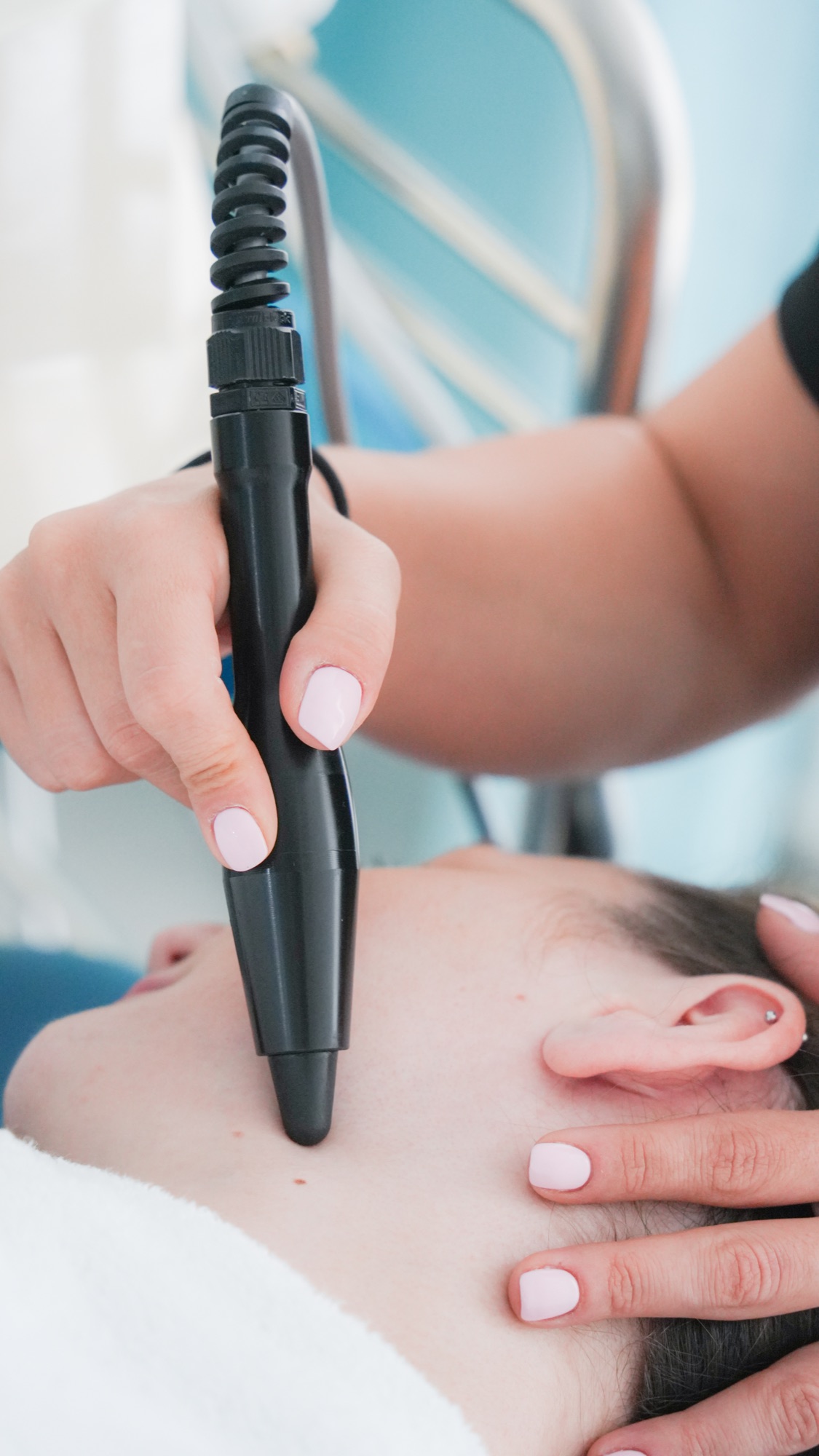
During treatment, a specialised applicator delivers controlled radiofrequency energy to the targeted area, creating a gentle and comfortable warming effect within the tissues while protecting the skin’s surface.
This controlled thermal stimulation helps to:
Treatment settings are carefully tailored to the treatment area, tissue condition and individual needs, ensuring a comfortable and personalised experience.
Radiofrequency therapy is a versatile treatment used to address a range of aesthetic and dermatofunctional concerns, supporting healthier tissues and a firmer, smoother and more revitalised skin appearance.
It can be particularly beneficial for:
By combining controlled thermal stimulation with a personalised treatment approach, radiofrequency therapy helps improve skin quality, circulation, tissue elasticity and overall appearance, with progressive improvements throughout the treatment programme.
Collagen and elastin play an essential role in maintaining the skin’s firmness, elasticity and overall quality. Over time, factors such as ageing, pregnancy and changes in body composition can influence their structure and appearance.
Radiofrequency delivers controlled warmth into the tissues, stimulating natural collagen and elastin activity and promoting a firmer, smoother and more elastic skin appearance.
With a personalised treatment programme, improvements develop progressively, helping to enhance skin texture, tone and overall tissue quality.
Cellulite can affect the smoothness and appearance of the skin and is influenced by factors such as connective tissue structure, circulation, fluid retention and underlying fat distribution.
Radiofrequency therapy delivers controlled thermal stimulation to the tissues, helping to improve local circulation, skin elasticity and tissue quality. This promotes a smoother, firmer and more even-looking skin appearance while reducing the visible signs of cellulite.
Following aesthetic or reconstructive procedures, tissues can develop swelling, firmness, scar restrictions or fibrosis, affecting their mobility, flexibility and overall appearance.
Radiofrequency therapy provides controlled thermal stimulation to support local circulation, improve tissue flexibility and promote natural tissue remodelling, helping restore a softer and more mobile tissue quality.
Your physiotherapist will carefully assess the area and stage of healing to ensure the treatment is introduced safely and at the appropriate time during your recovery.
The session begins with an assessment of the targeted area, followed by the application of a suitable contact medium. A specialised applicator is then gently moved across the skin, delivering controlled radiofrequency energy to the tissues.
The treatment is comfortable and relaxing, with a pleasant warming sensation developing throughout the session. Your physiotherapist carefully monitors the treatment intensity and your comfort at all times.
There is no downtime, allowing you to return to your normal daily activities immediately after treatment.
Radiofrequency therapy is generally comfortable and well tolerated. During treatment, you will typically experience a pleasant warming sensation as controlled energy is delivered to the tissues.
Treatment intensity is carefully adjusted to the area being treated and your individual comfort throughout the session.
The number of sessions varies depending on the treatment area, tissue condition, individual goals and response to treatment.
Following your initial assessment, your physiotherapist will create a personalised treatment programme and monitor your progress to determine the most appropriate frequency and number of sessions.
Results develop progressively as the tissues respond to treatment. The timing varies depending on the treatment area, tissue condition, individual response and goals.
Lifestyle factors and consistency with the recommended treatment programme can also influence progress and help support longer-lasting results.
Radiofrequency therapy is non-invasive and requires little to no downtime. Most patients can return to their normal daily activities immediately after treatment.
A mild and temporary redness or warmth may occasionally occur in the treated area and typically settles quickly.
Radiofrequency therapy is not suitable for everyone. Your physiotherapist will review your medical history, current health and the treatment area to identify any contraindications or precautions before starting treatment.
A professional assessment ensures that radiofrequency therapy is safe and appropriate for your individual condition.
Directly in our schedule

Al Ameri Tower, Al Tabee'a 1 Street, 3rd Floor, Unit 301
Barsha Heights - Tecom
© Copyright 2024. All rights reserved. Site by CorpStation