Effective Treatments for Tennis Elbow Pain Relief Expert Guide

Tennis elbow can seriously interfere with your everyday activities by producing arm, wrist, and elbow painTennis elbow treatment Dubai is essential to restore mobility and ease discomfort. We’re here to assist you at Vitruvian Italian Physiotherapy Center, providing individualized treatment to reduce pain and enhance function. Our staff will design a personalized treatment plan to guide you on your road to recovery.

At Vitruvian Italian Physiotherapy Center, we prioritize your comfort and well-being. Giving you the resources to control your tennis elbow recovery is our goal. We are here to help you find relief and resume your activities, regardless of how severe your symptoms are.

Key Takeaways

  • We offer individualized treatment to help you regain function and reduce the discomfort of tennis elbow.
  • Together, you and our team of professionals will create a thorough treatment plan for tennis elbow.
  • We put your comfort and well-being first, guaranteeing expert and easily accessible healthcare services.
  • Giving you the information and resources you need to take charge of your tennis elbow recovery is our aim.
  • From juvenile to geriatric therapy, we assist individuals of all ages in controlling the symptoms of tennis elbow and recuperating from it.
  • Our Physiotherapy center is committed to helping you return to your regular activities and get relief from tennis elbow pain.

Understanding Tennis Elbow: Beyond the Sports Injury

Tennis elbow surprises a lot of our patients at Vitruvian Italian Physiotherapy Center. It isn’t limited to athletes. It can also affect those who play musical instruments or perform repetitive chores like computer work. The irritation from lateral epicondylitis might result from overuse or improper technique.

Take into account these risk variables to comprehend the reasons for tennis elbow:

  • Repetitive strain on the elbow joint
  • Poor posture or technique
  • direct strikes to the elbow
  • Growing older or joint wear and tear

Understanding these causes helps avoid permanent harm. At Vitruvian Italian Physiotherapy Center, our staff provides individualized tennis elbow therapy Dubai to help you manage your condition and restore health.


Condition Description Symptoms
Lateral Epicondylitis Tendon inflammation on the outside of the elbow Stiffness, pain, and restricted movement

Identifying the Key Signs of Tennis Elbow

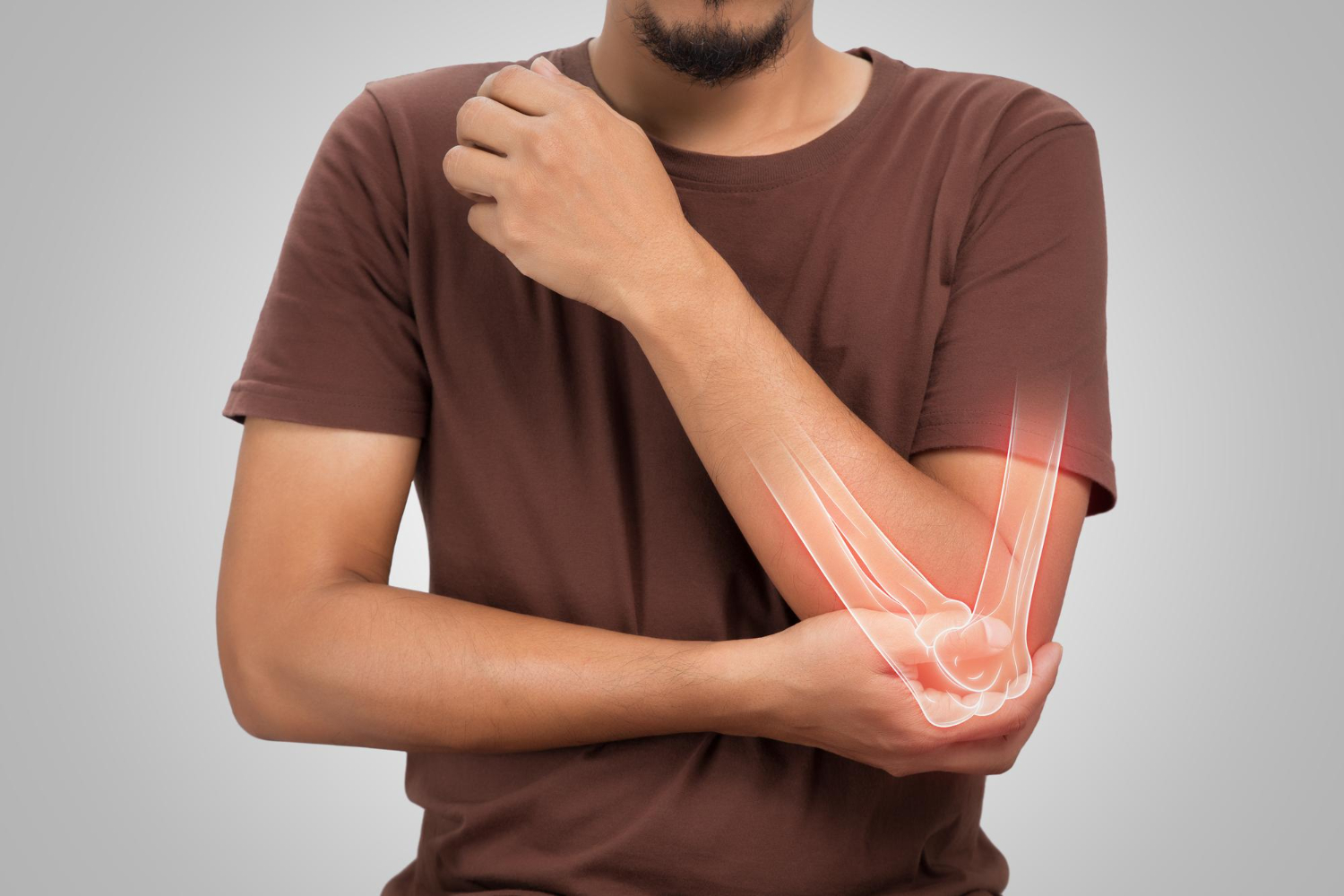
Our goal at Vitruvian Italian Physiotherapy Center is to assist you in recognizing the symptoms of tennis elbow. Pain, stiffness, and decreased mobility are among the indications of tennis elbow. Tennis elbow might be the cause of any pain or stiffness in your elbow, wrist, or forearm. It is brought on by tiny tendon tears.

A deteriorating process may result in chronic discomfort and pain. If you see these symptoms, it is imperative that you get expert assistance. Our staff can assist you in controlling your symptoms and avoiding further harm.

Some common signs of tennis elbow include:

  • Pain or a burning feeling around the elbow’s periphery
  • Weakness in the wrist or forearm
  • Stiffness or restricted mobility in the elbow or wrist
  • Professional assistance can help you manage the recovery from tennis elbow.

Our goal at Vitruvian Italian Physiotherapy Center is to provide you with the greatest care possible. Our aim is to assist you in getting over tennis elbow so you may resume your regular activities.


Signs and Symptoms Description
Pain or burning sensation A sudden, intense pain or burning feeling in the elbow’s outer region
Weakness in the forearm or wrist A sensation of weakness or exhaustion in the wrist or forearm
Stiffness or limited mobility Having trouble flexing the wrist or elbow, or experiencing stiffness

The Anatomy Behind Tennis Elbow Pain

Understanding the anatomy of the elbow is essential to comprehending tennis elbow pain. The ulna, radius, and humerus are the three bones that make up the elbow. The elbow may move and remain stable thanks to these bones. Inflamed tendons can be painful and make movement difficult.

Role of the Humerus, Radius, and Ulna

The humerus, radius, and ulna are essential in the elbow. The upper arm bone is called the humerus. The forearm’s ulna and radius aid in movement. Inflammation of the tendons can cause pain and make movement difficult.

Knowledge of Tendon Inflammation

Tennis elbow pain frequently results from inflammation of the tendon. It occurs when tendons become inflamed or injured. This may result from a direct elbow impact, excessive strain, or overuse.


Bone Function
Humerus The upper arm bone
Radius The forearm bone allows for rotation and movement
Ulna The forearm bone works with the radius to allow for rotation and movement


Together with the radius, the ulna forearm bone permits rotation and mobility. Tennis elbow pain relief Dubai requires an understanding of the anatomy of the elbow. Our goal at Greenbell Physiotherapy is to provide excellent care. With our expert services, we assist you in managing your tennis elbow pain.

Common Causes and Triggers of Tennis Elbow

Preventing and treating tennis elbow requires an understanding of its causes. Tennis elbow rehab center Dubai helps patients identify repetitive motions or incorrect techniques leading to strain. Repetitive sports or poor posture can aggravate the condition.

Typical causes of tennis elbow include:

  • Repetitive sports like rowing, golf, and tennis
  • An ineffective method that might cause needless stress on the tendons
  • Insufficient gear might result in inadequate stance or grip.

We can design a customized treatment strategy for you based on our understanding of the causes of tennis elbow. Our staff will assist you in altering your activities to reduce your chance of injury. You may continue to engage in your favorite sports and pastimes pain-free in this way.


Cause Description
Repetitive activities Activities that need a lot of forearm or wrist motions
Poor technique A method that causes needless stress on the tendons
Inadequate equipment Equipment that results in an inadequate stance or grip

Professional Treatment Options at Vitruvian Italian Physiotherapy Center

At Vitruvian Italian Physiotherapy Center, we understand the importance of tennis elbow treatments. Our staff provides shockwave, laser, and PMS therapy to alleviate symptoms and help in recovery.

Our treatments are customized to fit the needs of every patient. Shockwave treatment helps reduce swelling and pain. Tissue healing and restoration are aided by laser treatment. PMS treatment improves mobility and reduces muscular spasms.

There are several advantages to our treatments, such as:

  • Pain and inflammation are decreased.
  • Better tissue regeneration and healing
  • Increased range of motion and flexibility
  • Enhanced overall well-being

We believe that the best outcomes come from combining these therapies with self-care and exercise. Our staff will develop a treatment plan that meets your requirements and goals.


Therapy Benefits 
Shockwave Therapy Stimulates tissue repair and lessens pain and inflammation.
Laser Therapy Lowers pain and promotes tissue regeneration and healing.
PMS Therapy Decreases muscular contractions and increases the range of motion

Essential Tennis Elbow Exercises for Recovery

We at Vitruvian Italian Physiotherapy Center are aware of how important exercises are for the recovery from tennis elbow. Our staff recommends a combination of strengthening workouts, flexibility regimens, and moderate loading to improve mobility and reduce pain. This also helps prevent injuries in the future.

Elbow flexions, forearm stretches, and wrist extensions are some essential tennis elbow workouts. These can be performed at a clinic or at home. To ensure you’re performing them correctly, our physiotherapists will offer guidance.

Here’s why it’s a good idea to include flexibility and strengthening workouts in your plan:

  • It strengthens and stabilizes the elbow joint.
  • It raises your elbow’s range of motion and decreases stiffness.
  • It improves general function and movement.

You may actively manage your tennis elbow by incorporating these exercises into your everyday regimen. This lowers the likelihood of further injuries. At Greenbell Physiotherapy, our staff is available to help. We offer expert guidance and treatment to help you recover fully and remain healthy.


Exercise Benefits
Wrist extensions Increased strength and mobility in the wrists
Forearm stretches Increased flexibility and reduced stiffness
Elbow flexions Improved elbow function and mobility

Immediate Relief Strategies for Tennis Elbow Pain

We at Vitruvian Italian Physiotherapy Center understand how critical elbow pain treatment Dubai is. Our goal is to help you heal more quickly and feel better. We advise combining self-care advice with pain management techniques to achieve this.

Here are a few efficient methods for immediate relief:

  • Apply ice or heat to the affected region to reduce pain and swelling.
  • Take it easy and stay away from anything that aggravates the pain.
  • Try relaxation techniques like deep breathing or meditation to lower stress.
  • Adopt ergonomic changes and good posture to lessen elbow strain.

You may better control your tennis elbow pain by incorporating these techniques into your everyday routine. This will hasten your recuperation. Recall that the secret to recovery is pain management, and we are here to support you at every stage.


Strategy Benefits
Ice or heat application Lessens inflammation and pain
Rest and relaxation Decreases stress and aids with recovery
Proper posture and ergonomic adjustments Reduces elbow strain and stops further damage.

Long-Term Prevention and Management Tips

We at Vitruvian Italian Physiotherapy Center understand the importance of long-term management. Chronic tennis elbow cure Dubai focuses on preventive routines and ergonomic adjustments. Regular exercise and posture improvement can reduce reinjury risks.

Our staff will assist you in developing a strategy that incorporates workplace ergonomics and alters your workflow. This may mean:

  • Organizing your workstation to reduce repeated tasks
  • Improving your posture to reduce pressure on your muscles and joints
  • Regularly working out helps increase the strength and flexibility of your muscles

You may reduce your chance of developing tennis elbow by incorporating these suggestions into your everyday routine. Additionally, you’ll improve your health and well-being. Our goal is to provide you with the resources and assistance you need to take control of your health and prevent long-term harm.


Prevention Strategy Description
Workplace Ergonomics Changing your workstation to enhance posture and cut down on repetitive motions
Activity Modification Modifying your everyday routine to lessen the strain on your joints and muscles
Preventive Exercise Programs Regularly working out helps increase your flexibility and muscle strength

Why Choose Vitruvian Italian Physiotherapy Center for Tennis Elbow Treatment

At Vitruvian Italian Physiotherapy Center, we know how crucial effective tennis elbow treatment is. Our staff is dedicated to providing you with the best tennis elbow treatment in Dubai possible. For optimal outcomes, we combine occupational therapy, physical therapy, and pain management.

Our physiotherapy center’s state-of-the-art amenities and individualized treatment make it stand out. After hearing your needs, we develop a customized treatment plan. Choosing Vitruvian Italian Physiotherapy Center means you get:

  • Proficiency in the treatment of tennis elbow
  • Cutting-edge facilities
  • Individualized attention and care
  • All-inclusive treatment options
  • Treatment that utilizes many disciplines

Conclusion: Taking Control of Your Tennis Elbow Recovery

As you work on your tennis elbow recovery, it’s key to be active in managing your symptoms. Our goal at Vitruvian Italian Physiotherapy Center is to equip you with the skills and information you need to take care of your elbow. You may develop a treatment strategy that addresses the root cause of your tennis elbow and provides long-lasting relief with the assistance of our specialists.

A collaborative effort is required for your recovery. You will be guided through a comprehensive rehabilitation program by our physiotherapists. This includes laser treatments, shockwave therapy, and certain workouts. But what really makes a difference is your active participation. You can control your tennis elbow recovery and resume your active lifestyle by following our recommendations and being proactive.

Stop letting tennis elbow hold you back. Together, the Vitruvian Italian Physiotherapy Center team will assist you in overcoming this typical ailment. You may anticipate a future free of the limitations of tennis elbow with the correct strategy and your commitment to self-care. You’ll have more time to engage in the things you like.

Shoulder Pain Treatment Dubai FAQs

Recovery from tennis elbow varies, but commonly range from several weeks to months, depending on severity and treatment consistency.

Yes, strengthening and stretching activities can help increase flexibility, decrease discomfort, and avoid future injuries.

You should see a tennis elbow specialist Dubai if you have persistent pain, stiffness, or weakness that does not go away with rest.

Yes, tennis elbow can recur if preventive measures aren’t followed. Regular exercises, proper posture, and ongoing physiotherapy at Vitruvian Italian Physiotherapy Center can help prevent it.

5 Different Types of Shoulder Pains A Physiotherapy Guide

Shoulder pains may make everyday chores difficult. These simple motions, like putting on a jacket or reaching for a cup in your kitchen cupboard, can cause pain and annoyance.

When considering shoulder pain treatment Dubai, it’s important to understand that your shoulder joint is incredibly intricate and made to move as much as possible. This intricacy renders it sensitive to many forms of pain, each with its own set of features and treatment requirements.

These pains can have a major influence on many facets of everyday living, including restricted range of motion and disturbed sleep habits. Many people find that their capacity to work or exercise efficiently is diminished, and they become noticeably less independent in their day-to-day activities. Increased stress and worry are frequent outcomes of the illness, which can worsen a person’s general health and quality of life.

Understanding the sort of shoulder pain you’re having is critical for effective treatment. At Vitruvian Italian Physiotherapy Center, we specialize in using individualized physiotherapy techniques to diagnose and treat the five main forms of shoulder issues.

1. Rotator Cuff Injuries

The rotator cuff is made up of four key muscles and tendons that wrap around the shoulder joint, providing stability and allowing for smooth arm movement. Together, these muscles allow you to raise and rotate your arm while maintaining the stability of your shoulder joint in its socket.

When visiting the best shoulder pain clinic Dubai, you’ll learn that these injuries often cause excruciating pain while moving certain arms, weakness, or clicking noises.

Common Symptoms:

  • Excruciating pain while moving certain arms
  • Weakness when the arm is raised or rotated
  • Difficulty at night, especially while resting on the side that is afflicted
  • Crackling or clicking noises while moving

Rotator cuff injuries typically occur through:

  • Acute Injuries: Unexpected injuries brought on by falls or moving large things
  • Overuse: Frequently doing overhead motions when playing sports or working
  • Age-related Degeneration: Tendon wear and strain that occurs naturally

The goal of physiotherapy treatment is to restore function using a variety of techniques. The treatment consists of mild manual therapy to relieve pain and inflammation, as well as gradual strengthening exercises that target particular muscles. Along with using ultrasound or other therapy modalities, practitioners often place a strong focus on movement retraining and posture correction. Furthermore, some stretches are used to keep flexibility during the healing period.

2. Frozen Shoulder (Adhesive Capsulitis)

Frozen shoulder occurs when the capsule that surrounds your shoulder joint gets inflamed and tight, restricting mobility and causing severe pain. There are three major stages that this illness evolves through:

Freezing Stage (2-9 months)

During this stage, you may experience:

  • Pain that begins gradually
  • Progressive immobility
  • Extreme discomfort at night

Stage Frozen (4–12 months)

In the frozen stage, you may notice:

  • Decreased levels of pain
  • Considerable rigidity
  • A few everyday tasks

Thawing Stage (5-24 months)

Characteristics of the melting stage include:

  • Slowly getting back into motion
  • Reduced rigidity
  • Better performance

Early shoulder pain physiotherapy Dubai can shorten healing times and avoid chronic mobility problems. Your physiotherapist will develop a customized treatment plan that emphasizes mobility restoration and pain management, modifying methods as you advance through each phase.

3. Shoulder Bursitis

Shoulder bursitis is brought on by inflammation of the bursa, a tiny, fluid-filled sac that serves as a cushion between soft tissues and bones. If you consult a shoulder pain doctor Dubai, you’ll likely receive treatments that focus on manual therapy, ultrasound application, and postural correction. These methods help reduce inflammation and restore a normal range of motion.

Common Symptoms:

  • Excruciating pain while reaching or elevating an arm
  • Sensitivity in the area of the shoulder tip
  • Reduced range of motion and increased pain at night
  • Redness and swelling

Key Triggers:

  • Overhead motions that are repeated
  • Bad posture
  • Direct harm or trauma
  • Overuse when participating in sports or at work
  • Wear and strain brought on by aging

Physiotherapy Treatment Approaches

Our skilled physiotherapists employ a variety of specialized therapies to treat shoulder bursitis. Manual therapy uses mild mobilisation methods, whilst ultrasonic treatment reduces inflammation in the afflicted region. A key component of resolving movement patterns is postural instruction. Range of motion exercises, mild stretching, and gradual strength building are all included in the progressive exercise program. Activity adjustment advice is also provided to aid in healing and avert further problems.

4. Shoulder Dislocation or Subluxation

A shoulder dislocation happens when the upper arm bone’s ball separates entirely from the shoulder socket. A partial dislocation in which there is some contact between the joint surfaces is called a subluxation. Both disorders have the potential to cause severe shoulder joint pain and instability.

Common Causes:

  • Direct trauma from sports injuries or falls
  • Motor vehicle accidents
  • Overhead motions that are repeated
  • Participation in contact sports
  • Past shoulder trauma resulting in loose joints

Key Signs and Symptoms:

  • Visible shoulder malformation
  • Excruciating pain and arm immobility
  • Spasms in the shoulder muscles
  • Bruising and swelling
  • Numbness or tingling in the arm

Physiotherapy plays an important part in rehabilitation after a dislocation or subluxation. During the first stage of treatment, we emphasize the use of safe mobilization techniques, effective pain management strategies, and mild range-of-motion exercises. As the course of treatment progresses into rehabilitation, we focus on proprioception training, scapular stabilization exercises, and rotator cuff muscle strengthening. We integrate customized sport-specific workouts in our athletic patients’ rehabilitation programmes to ensure a thorough and focused recovery.

Maintaining long-term shoulder stability and preventing repeated dislocations requires proper therapy. Our physiotherapists design tailored training routines that target particular muscle groups to improve joint stability and avoid future problems.

5. Arthritis (Osteoarthritis or Rheumatoid Arthritis)

There are two types of arthritis in the shoulder joint: osteoarthritis and rheumatoid arthritis. Different traits and treatment needs are presented by each kind.

Osteoarthritis

  • Age-related wear and tear of joint cartilage
  • Occurs gradually over time
  • It is typical in those over 50,
  • Frequently impacts the dominant arm.

Rheumatoid Arthritis

An autoimmune disease that affects the lining of joints

  • usually impacts both shoulders at once.
  • It can emerge at any age.
  • leads to joint degradation and inflammation

Common Symptoms

  • A sharp, excruciating shoulder pain
  • 30+ minutes of morning stiffness
  • Decreased range of motion
  • Feelings of grinding or clicking
  • Pain that becomes worse when the weather changes

The first step in any treatment plan is to perform mild range-of-motion exercises to keep joints flexible. Isometric strengthening techniques are used to provide muscular support without irritating the joint, and heat treatment is used to provide excellent pain relief. Exercises for posture correction are included to preserve good alignment and lessen tension on the injured shoulder, and joint protection techniques are used to stop more harm.

Our physiotherapists design individualized workout plans to preserve joint mobility and strengthen the muscles that surround it. We assist patients in managing everyday tasks with the least amount of suffering by teaching them good body mechanics and incorporating pain management approaches.

Comprehensive Physiotherapy Approach to Shoulder Pain Relief

Whether you’re searching for shoulder pain treatment near me in Dubai or seeking long-term rehabilitation, our comprehensive physiotherapy approach ensures a full evaluation. We assess flexibility, stability, and pain triggers before tailoring your treatment.

  • Limitations on the range of motion
  • Flexibility and muscle strength
  • Stability of joints
  • Patterns of movement
  • Patterns and triggers of pain

Whether you have rhomboid muscle pain, left shoulder blade pain, or discomfort after sleeping, this thorough assessment enables us to develop a customized treatment strategy for your particular situation.

Your personalized course of treatment might consist of:

  • Manual Therapy Techniques
  • Joint mobilization
  • Soft tissue release
  • Trigger point therapy
  • Myofascial release
  • Therapeutic Exercises
  • Strengthening exercises
  • Flexibility training
  • Postural correction
  • Movement pattern retraining
  • Pain Management Strategies
  • Cold/heat treatment
  • Electrotherapy
  • Activity modification guidance
  • Ergonomic advice

We monitor your progress and modify your treatment plan as necessary through routine evaluations. Our method guarantees that you get the strength and mobility required for a long-lasting recovery by emphasizing both short-term pain management and long-term preventative techniques.

Education on good posture, movement mechanics, and exercises you may do at home to aid in your recuperation and avoid further injuries is all part of your treatment plan.

Benefits of Choosing Physiotherapy for Shoulder Pains

Through focused treatments and skilled care, physiotherapy provides revolutionary advantages for the management of shoulder pain. Measurable gains are made in the following areas by our specialized therapies, which encompass a variety of physiotherapy services:

  • Range of Motion: Natural shoulder mobility is restored through progressive exercises and manual treatment methods.
  • Pain Management: Evidence-based therapies decrease both acute and chronic pain.
  • Muscle Strength: Customized workout regimens help weak muscles regain their strength.
  • Daily Function: Useful techniques assist you in getting back to your regular activities, sports, and job.

Patient education is an essential component of your healing process at Vitruvian Italian Physiotherapy Center. Our physiotherapists take the time to explain your particular shoulder ailment in simple, intelligible language, as well as the mechanics underlying your pain and mobility limits, self-management strategies for continued care, and injury prevention tactics.

Our committed group of experts has a wealth of shoulder rehabilitation experience. Every physiotherapist provides empathetic care while staying current on the newest treatment modalities. We place a high value on establishing a warm, encouraging environment, paying close attention to your objectives and concerns, and modifying our therapies in response to your development while fostering enduring therapeutic alliances.

Patients’ quality of life is greatly enhanced by our all-encompassing treatment, which also helps them regain the freedom and confidence to move without shoulder pain.

We provide a wide range of physiotherapy services, including dry needling, which reduces pain, increases range of motion, and speeds up the healing process.

Take Action Towards a Pain-Free Life with Physiotherapy

Keep your life from being controlled by shoulder pain. Whether you’re having rotator cuff issues, frozen shoulder, bursitis, dislocation, or arthritis, skilled physiotherapy treatment can help you restore mobility and reduce pain.

Making an appointment with one of our skilled physiotherapists on the same day is the first step on your road to recovery. After a comprehensive evaluation to determine the underlying source of your pain, you will receive a customized treatment plan made just for your situation. You will also acquire preventive techniques to preserve shoulder health during the course of your treatment.

At Vitruvian Italian Physiotherapy Center, our committed staff is prepared to help you on your road to recovery. To achieve long-term outcomes, we combine effective physiotherapy treatments with patient education.

Are you prepared to manage your knee or shoulder pain? Join the many others who have found relief from our skilled care by scheduling an appointment right now.

Take the first step toward recovery now rather than waiting for your pain to get worse.

Shoulder Pain Treatment Dubai FAQs

Physiotherapy uses exercises, manual treatment, and customized regimens to increase strength, flexibility, and range of motion while reducing pain.

Recovery time varies depending on the condition. Many people see improvement after 4–8 weeks of consistent PT.

Yes. Consistent physical therapy can often help patients avoid surgery by greatly reducing discomfort and restoring mobility.

It's important to get evaluated by a shoulder pain specialist in Dubai if the discomfort persists for more than a few days, interferes with sleep, or restricts movement.

ACL Rehab A Complete Physical Therapy Guide

An anterior cruciate ligament (ACL) injury can be excruciating and incapacitating, making day-to-day living considerably more difficult.In many cases, ACL tear surgery Dubai becomes necessary to restore full knee function and stability. You can find expert physiotherapists at Vitruvian Italian Physiotherapy Center to guide you toward recovery.

An uncomfortable feeling of your knee “giving way” when you put weight on it, a deep, persistent soreness in the joint, or a maddening stiffness that keeps you from fully bending or straightening your leg are all possible symptoms. To manage such symptoms effectively, ACL surgery clinic in Dubai, like Vitruvian Italian Physiotherapy Center, offer customized post-surgical rehabilitation for faster healing and stability.

Seeking physiotherapy is crucial if you have an ACL injury in order to stop further harm and guarantee a full recovery. Professional therapists at Vitruvian Italian Physiotherapy Center specialize in ACL Repair Dubai, helping patients regain mobility, strength, and confidence after injury or surgery.

We go over every stage of a standard post-operative ACL therapy in this guide so you know precisely what to anticipate. Understanding ACL reconstruction surgery Dubai phases ensures that patients know how to move safely through recovery milestones.

Phase 1: Early Recovery (Weeks 1–2)

The most important thing your body needs in the early stages of recovery is time to relax. Managing the early symptoms and establishing the groundwork for your recovery should be your main priorities. At this stage, Non-surgical knee treatment Dubai can also be introduced at Vitruvian Italian Physiotherapy Center, focusing on gentle pain management and motion exercises.

Control Pain and Swelling

Your first goal is to minimize swelling and establish the ideal conditions for healing to start by using ice, compression, and elevation.

Gentle Muscle Activation

Your physiotherapist will prescribe exercises to keep your knee from becoming tight and to reawaken your muscles after the swelling has started to go down.

Introduce Gentle Movement

Expect to begin with easy exercises like quad sets to reawaken the muscles protecting your knee and heel slides to promote bending.

Phase 2: Mid-Stage Rehabilitation (Weeks 3-6)

The goal of this critical phase is to actively restore the strength, control, and endurance of your knee. Patients undergoing ACL surgery clinic rehab at Vitruvian Italian Physiotherapy Center experience personalized strength-building exercises tailored to their recovery stage.

Build Foundational Strength

Your quadriceps in particular become noticeably weaker following an ACL injury. Your main objective should thus be to rebuild them in order to increase blood flow and stability. Your physiotherapist will advance you to low-impact, regulated activities such as leg presses, hamstring curls, and mini-squats.

Improve Balance and Control

Exercises like standing on one leg and the single-leg Romanian deadlift (RDL) can help you restore your balance in addition to increasing your strength. Regaining confidence and control over your wounded knee requires a dual focus on strength and stability.

Phase 3: Advanced Rehabilitation (Months 2-4)

The ongoing discomfort has probably subsided by this stage, and your knee feels much more like its own again. Building strength and relearning trust in your knee’s capacity is crucial. Best ACL surgery in Dubai recovery programs emphasize structured strengthening sessions at Vitruvian Italian Physiotherapy Center to ensure long-term joint resilience.

Advanced Strengthening

Your physiotherapist will push you with full-range, more dynamic exercises, frequently using weights to increase your strength. You’ll start adding exercises like walking lunges, step-ups, and deep squats as you progress beyond the fundamentals.

Return to Running

You may now begin the exciting process of reintroducing more active activities, beginning with a return-to-running program that is intended to carefully ease you back into it, thanks to this strong foundation of strength.

Learn to Land Safely

You’ll start with basic plyometrics, which teaches your body how to absorb impact safely and land gently through controlled explosive movements like box jumps.

Phase 4: Preparing for Sport (Months 5-9)

You are now in a stronger position, which is wonderful news. Your knee feels secure and moves easily because you’ve developed a strong foundation of muscle. The objective now is to strike a balance between recovering and resuming athletic training.

Your training will concentrate on three main areas to achieve this:

Prepare for Unpredictability

The emphasis now is on getting your knee ready for the erratic demands of your sport, even if strength training is still an important component of your ACL recovery.

Master Agility and Cutting

Your exercise will specifically target these high-risk motions to develop resilience because the majority of ACL injuries happen during an abrupt stop or change of direction.

Develop Sport-Specific Skills

Your physiotherapist will work with you on advanced plyometrics, reactive drills, and high-level agility exercises to help you gain the confidence you need before playing again.

Phase 5: Safe Return to Sport (Months 9-12)

This is the point at which all of your diligence and perseverance pay off. However, the requirements for returning to sports include examinations to ensure that you can do it safely, in addition to time. After suffering an ACL injury, returning to your sport might be intimidating, but with a calculated, incremental strategy, you can get beyond the last obstacle. It’s important to assimilate oneself gradually rather than all at once.

This process involves:

  • Bringing the team back together for non-contact drills
  • Moving on to supervised, competitive practice scenarios with teammates
  • Playing time should be gradually increased, depending on how your knee reacts, starting with a little amount of time.

A structured program at Vitruvian Italian Physiotherapy Center ensures that your ACL knee surgery recovery transitions safely into sports activities under expert guidance.

Important Precautions Throughout Your Recovery

It goes beyond simply doing these exercises regularly. Creating robust behaviors and a resilient mentality are equally crucial in preventing more injuries.

The following are important safety measures to follow during your recuperation:

Take your time

Treatment for an ACL injury is specific to you. This implies that your recuperation period will be determined by your body’s ability to heal, develop strength, and pass functional tests.

Listen to Your Body

It’s normal to desire to do more to hasten your recuperation, but any sudden, intense discomfort should be seen as a warning to halt and speak with your physiotherapist.

Focus on Consistency

Your development will be hampered more than you may realize if you miss sessions or are inconsistent with your fitness regimen. A healthy, stable knee is the result of tiny, everyday work.

Quality over Quantity

Pay attention to your form. It is significantly more helpful to perform ten repetitions with flawless technique than twenty with poor technique. Bad movement patterns and needless strain on your recovering ligament might result from poor form.

Trust Your Physiotherapist

You can get assistance from your physiotherapist. Tell them the truth about your aspirations, your concerns, and your symptoms. When it’s safe to go on to the next phase, they will inform you and customize your program.

Book Your Appointment at Vitruvian Italian Physiotherapy Center

You don’t have to let an ACL injury control your life or prevent you from participating in your favorite sport. A robust, pain-free knee and a full range of motion are attainable objectives with the correct care and assistance.

Our skilled physiotherapists at Vitruvian Italian Physiotherapy Center are aware of the psychological and physical toll that injuries may have. We are committed to giving you the specialized treatment you require in order to recover. Make an appointment with us to get started on the most crucial stage for the health of your knees.

FAQs

Most patients can start light running 3 to 4 months after surgery, once sufficient strength, stability, and control have been restored.

Yes, non-surgical knee treatment Dubai options such as physiotherapy, bracing, and strength training can help with mild ACL tears.

ACL reconstruction surgery may be necessary if there is ongoing instability, discomfort, or difficulty carrying out daily tasks.

After ACL Repair Dubai, most athletes can safely return to sports between 9–12 months, once cleared through physical and functional testing.

What to Do for Sciatica Pain A Physiotherapist’s Guide

Sciatica is probably the cause of the discomfort that keeps you up at night, the tingling that won’t go away, or the shooting agony down your leg that forces you to catch your breath. Sciatica pain relief in Dubai is one of the most searched concerns among people facing this issue. One of the first questions that patients with sciatica ask us as physiotherapists at Vitruvian Italian Physiotherapy Center is, “What can I actually do about this pain?”

Fortunately, most sciatica responds favorably to the appropriate treatment. Although experiencing pain might be daunting, knowing what sciatica is, what causes it, and—above all—what you can do to treat yourself will greatly aid in your recovery.

What Does Sciatic Pain Feel Like?

Patients with sciatica describe their pain in very particular ways that help us understand what’s going on, so it’s not just “back pain that goes down your leg.” Sciatica treatment Dubai often involves identifying these distinct symptoms early.

  • “Like an electrical current running down my leg.
  • “A hot wire through my back to my foot
  • “Sharp shooting pain that takes my breath away
  • “Burning sensation that travels down my thigh
  • “Tingling and numbness, like my leg’s gone to sleep

Usually, the pain travels along the sciatic nerve, which runs from your lower back through your buttocks, down the side or back of your thigh, and occasionally all the way to your foot. Although it can affect both legs, it is often severe on one.

Some people feel sciatica as a dull, ongoing aching in their calf, thigh, or buttocks, rather than as a severe or searing pain. The best sciatica treatment in Dubai focuses on relieving this persistent discomfort and improving daily function.

Understanding the Confusion: Is a Slipped Disc the Same as a Herniated Disc?

Let’s address a common misconception that many sciatica sufferers have before we discuss treatment. Many patients visiting Vitruvian Italian Physiotherapy Center often ask whether a slipped disc and a herniated disc are different.

Yes, they are the same thing. Regardless of whether you have been diagnosed with a “slipped disc,” “herniated disc,” “prolapsed disc,” or “ruptured disc,” these words all refer to varying degrees of severity of the same condition.

Think of your spinal discs as jam donuts rather than as having “slipped” anywhere. A weakness in the hard outer ring may cause part of the soft interior material to protrude or seep through. The discomfort that radiates down your leg may be caused by this pressing on the sciatic nerve.

What Triggers Sciatica Pain?

You can control your symptoms and avoid flare-ups by being aware of your triggers. Sciatica specialist Dubai professionals emphasize the importance of understanding these triggers to manage your pain effectively.

Common Triggers Include:

  • Long durations of sitting, especially with bad posture
  • bending forward, especially in the early morning
  • Sneezing or coughing puts more strain on your spine.
  • Twisting or lifting, particularly when done together
  • Leaving the bed after hours of immobility

Why Sciatica Is Often Worse at Night

Many people discover that their sciatica pain is worse at night or in the early morning. This occurs as a result of various reasons. Ciatic nerve pain treatment Dubai is often designed to reduce nighttime discomfort and promote restful sleep.

  • Lying flat puts more pressure on the injured nerve.
  • Stiffness may result from less movement when you sleep.
  • Inflammation tends to accumulate overnight.
  • Tension builds up in the muscles during the day.

Immediate Steps You Can Take for Sciatica Relief

Here’s what our physiotherapists advise you to do immediately if sciatica strikes. Lower back pain and sciatica treatment Dubai often starts with simple adjustments you can do at home before seeking advanced therapy.

1. Keep Moving (Gently)

Complete bed rest typically exacerbates sciatica, despite popular belief. Stiffness is avoided and inflammation is reduced with gentle exercise.

Try these movements:

  • Walking, even for only five to ten minutes, if that’s all you can do
  • March gently on the spot when walking is too uncomfortable.
  • Standing with support by clinging to a wall or chair

2. Find Your Comfortable Positions & Personal Preferences

Although different people respond differently to different situations, these frequently offer relief:

For sitting:

  • Place a little towel behind your lower back that has been wrapped up.
  • Make sure your feet are level on the ground.
  • Steer clear of soft, low chairs that cause you to slump.

For lying down:

  • Place a cushion beneath your knees while lying on your back.
  • Or insert a tiny wrapped towel between your ribs and the top of your pelvis while lying on your side with a cushion between your knees.
  • Lying on their stomach might be beneficial for some people.

For standing:

  • Don’t spend too much time standing still.
  • Transfer your weight from one foot to the other.
  • If standing for a long time, rest one foot on a little footstool.

3. Simple Stretch & Pain Relief Techniques

Heat or Cold:

  • If there is acute inflammation, apply ice for the first 48 to 72 hours.
  • After the first stage, apply heat to relax the muscles.
  • Sometimes switching between cold and hot works great.

Gentle stretches (but only if comfortable):

  • Pull one knee softly toward your chest while you’re on your back.
  • If muscular tension is a factor, gentle hip stretches may be beneficial.
  • If you can, perform cat-cow motions on your hands and knees.

Additionally, some patients find that a little massage helps, especially if their discomfort is being caused by tense muscles. It can offer temporary comfort and relaxation, but it won’t address the underlying nerve pain.

When to Seek Professional Help for Sciatica

Self-care can help many sciatica patients; however, in other circumstances, a quick expert evaluation is necessary. Sciatica doctor Dubai services are available for cases where home remedies fail to bring relief.

Ask for Assistance Right Away If:

  • Pain doesn’t go away despite simple self-care techniques.
  • There are no postures that are comfortable for you.
  • You can’t sleep because of the ache.
  • You’re having trouble with everyday tasks.

Get Help Right Away If You Have:

  • Loss of control over the bowels or bladder
  • Extreme weakness in your foot or leg
  • Numbness in the vicinity of your genital region
  • Increasing neurological symptoms
  • excruciating agony after an accident

Despite being uncommon, these “red flag” symptoms require prompt medical treatment.

How Physiotherapy Can Help Fix Sciatica

Treatment aims to reduce nerve irritation, strengthen weak muscles, improve posture, and enhance flexibility. Education and guided exercise play key roles in building confidence and preventing recurrence. Chronic sciatica relief Dubai often combines manual therapy, movement correction, and pain management techniques.

Reducing Nerve Irritation

  • Methods of manual treatment to enhance spinal mobility
  • Exercises for nerve mobilization to lessen sensitivity
  • Adjusting posture to lessen continuous strain

Addressing Root Causes

  • Strengthening weakened muscles that might be involved
  • Increasing adaptability in confined spaces
  • Changing any movement habits that could be making the issue worse

Education and Self-Management

  • Recognizing your situation and anticipating
  • Finding out which activities are safe and which should be modified
  • Creating a strategy for long-term prevention

You might feel less afraid and more confident to keep going and heal more quickly if you have clear, precise information about your situation.

What Exercise Is Good for Sciatica Pain?

Exercise is essential for recovering from sciatica, but the right type depends on your condition. Severe sciatica pain management Dubai programs emphasizes gradual movement to promote healing without strain.

Early Phase (When Pain Is Severe):

  • Walking gently as tolerated
  • Simple exercises for postural awareness
  • Easy breathing techniques to help control discomfort

As Pain Improves:

  • Exercises to strengthen the core
  • Work on hip flexibility
  • Nerve gliding exercises (supervised by a professional)

Prevention Phase:

  • All-inclusive program for strengthening
  • Retraining movement for everyday tasks
  • preparation tailored to a sport or activity, if necessary

How Long Does Sciatica Pain Last?

Although there are wide variations, the following is what research indicates:

Typical Timeline:

  • Acute phase: Intense symptoms for one to two weeks
  • Phase of improvement: Four to six weeks of steady progress
  • Recovery phase: 8-12 weeks to reach near-normal function.

Factors That Affect Recovery Time:

  • How soon will you begin the right kind of treatment
  • Whether you continue to exercise within your bounds
  • Your general health and fitness
  • The precise reason behind your sciatica
  • How effectively you heed expert advice

How to Sit with Sciatica Pain

Here are some particular tactics because sciatica is often made worse by sitting:

Chair Setup:

  • Lumbar support: Use a rolled towel.
  • Flat feet: On a footrest or the floor
  • Level knees: With or just below the hips
  • Avoid: Soft, deep couches that cause you to slump

Regular Movement:

  • If at all feasible, stand every 20 to 30 minutes.
  • When standing, gently extend your back.
  • While sitting, change positions often.
  • If possible, think about using a standing desk.

Alternative Positions:

  • Standing on a tall stool
  • If you don’t have any knee problems, some people find that kneeling chairs are a good option.
  • For brief periods, use an exercise ball (if comfortable).

How to Relieve Sciatica Pain in Pregnancy

Special measures must be made for sciatica associated with pregnancy:

Safe Relief Methods:

  • Prenatal yoga positions (under the supervision of an instructor)
  • Water workouts or swimming
  • Belts for pregnancy support
  • Heat treatment (to prevent overheating)

Positioning Help:

  • Pregnancy pillows to improve sleeping posture
  • Resting on your back after the first trimester is not advised.
  • Lying on one’s side with a cushion between one’s knees

Red Flags: When Sciatica Needs Urgent Attention

The majority of sciatica is not harmful; however, some symptoms call for an urgent medical evaluation:

Emergency Symptoms:

  • Signs of Cauda Equina Syndrome: Numbness in the saddle and loss of control of the bladder and intestines
  • Severe increasing weakness: Trouble walking or lifting your foot
  • Bilateral symptoms: Acute sciatica in both legs

Concerning Changes:

  • Symptoms that develop quickly, even after receiving the right care
  • New neurological symptoms, such as severe weakness or numbness
  • Infection symptoms, such as fever and back discomfort

The Best Treatment Approach for Sciatica

According to research, the best way to cure sciatica is to combine:

  1. Instead of bed rest, start moving early and appropriately.
  2. Expert evaluation to pinpoint certain contributing elements
  3. Personalized workout regimen based on your level of recuperation
  4. Knowledge of the illness and techniques for self-management
  5. When appropriate, manual treatment
  6. Pain treatment strategies that keep you moving

What Makes Treatment Successful:

  • Early treatment initiation as opposed to waiting for it to “go away”
  • Being active while staying within your pain threshold
  • Continually adhering to expert advice
  • Taking care of underlying issues like fitness or posture
  • Setting reasonable expectations for the time it will take to recover

Is Sciatica Curable?

The good news is that the prognosis for most sciatica patients is excellent:

  • Complete Recovery: With the right care, 80–90% of sciatica sufferers get well in 6–12 weeks.
  • Good Improvement: The majority of others see notable progress that enables them to resume their regular activities.
  • Chronic Cases: Very few people experience long-term issues, typically as a result of improper or postponed treatment.
  • Prevention: The chance of recurrence is greatly decreased by keeping fit and learning appropriate movement habits.

Taking Action on Sciatica & Back Pain: Your Next Steps

If you’re experiencing discomfort from sciatica:

  1. Most cases of sciatica resolve effectively with the right therapy, so don’t panic.
  2. Remain somewhat active; total inactivity typically makes it worse.
  3. Try the above-mentioned positioning and movement tips.
  4. If symptoms don’t go away in a few days, get expert treatment.
  5. Recuperation takes time but is typically quite successful, so have patience.

Keep in mind that sciatica is frequent, curable, and usually fully recovers. The secret is to act appropriately early on and seek expert advice as necessary.

If you’re ready to start your recovery journey, our physiotherapists are here to help. Schedule your appointment today at Vitruvian Italian Physiotherapy Center and take the first step toward feeling better, moving freely, and living without pain.

Effective physiotherapy treatment for tennis elbow A guide to relief

Tennis elbow, also known as lateral epicondylitis, is a frequent overuse condition involving the elbow’s tendons. Tennis elbow treatment Dubai helps manage pain caused by daily movements like lifting weights or gripping objects. Physiotherapy treatment has been shown to be an excellent long-term strategy for controlling tennis elbow discomfort, even while rest and ice may offer short-term relief.

This article will go over the many physiotherapy treatments used in tennis elbow treatment and how they may help reduce discomfort and enhance function.

Understanding Tennis Elbow

It’s critical to comprehend tennis elbow to comprehend how physiotherapy could help treat it. Elbow pain treatment Dubai addresses inflammation and discomfort caused by repetitive wrist and forearm motions that strain the tendons attached to the lateral epicondyle. Inflammation and discomfort may result from microtears in the tendons caused by this repeated tension.

Anyone who engages in repetitive wrist and forearm motions, including typing, drawing, or even gardening, may develop tennis elbow. It is not simply a problem for tennis players.

What Is Tennis Elbow (Lateral Epicondylitis)?

Tennis elbow is a kind of tendinitis, or inflammation of the tendon, that affects the outside of the elbow. Tennis elbow therapy Dubai is crucial because it addresses pain associated with repetitive actions or racquet sports. Lateral epicondylitis is the medical term for tennis elbow; “lateral” refers to the outside portion of the elbow, and “epicondyle” refers to the bony bump in that region.

It is commonly associated with repetitive motions, such as those in racquet sports, although it can affect people in a variety of vocations and hobbies.

Tennis elbow can develop into a chronic condition with worsening symptoms if treatment is not received.

Causes And Symptoms

Repeated strain or chronic overuse can lead to microtears or degeneration of the extensor tendon attachment at the lateral epicondyle, which is the cause of tennis elbow. Chronic tennis elbow cure Dubai focuses on reducing persistent pain and restoring joint strength. Persistent pain and soreness on the outside of the elbow are hallmarks of the illness.

Typical signs and symptoms include:

  • Pain or tenderness in the elbow
  • Anguish that gets worse as you grab or twist
  • Elbow joint stiffness and decreased grip strength
  • Having trouble carrying out particular tasks

In extreme situations, people may also feel discomfort when lifting items or completely extending their arms.

Diagnosing Tennis Elbow

In order to receive an appropriate diagnosis, it is crucial that you seek medical assistance if you are exhibiting symptoms of tennis elbow. Tennis elbow specialist Dubai ensures accurate evaluation and personalized therapy for your condition.

How Is Tennis Elbow Diagnosed?

Our skilled physiotherapist at Vitruvian Italian Physiotherapy Center conducts comprehensive evaluations to resolve your issues. This entails measuring your range of motion, assessing your muscular strength, and palpating the afflicted region in detail.

Tennis elbow is diagnosed by a combination of physical examination, evaluation of medical history, and imaging methods, where required. Our staff will do focused tests to detect discomfort or soreness in the outer elbow, measure muscular strength, and carefully examine your range of motion throughout the evaluation.

Understanding any past injuries or actions that could have contributed to the disease depends heavily on your medical history. To confirm the diagnosis and rule out other possible causes of elbow discomfort, further imaging tests, including MRI scans or X-rays, may occasionally be advised.

Treatment Options

The most effective treatment for tennis elbow is determined by the etiology, severity, and location of symptoms. The best tennis elbow treatment in Dubai offers a combination of physiotherapy and targeted pain management techniques for faster recovery.

How To Treat Tennis Elbow

The best treatment for tennis elbow depends on the underlying cause, severity, and location of symptoms. Physiotherapy, corticosteroid injections, and anti-inflammatory drugs are common methods. In mild situations, pain can be adequately reduced with rest, ice, and over-the-counter pain relievers.

However, more severe instances frequently need physiotherapy to fully address the issue and facilitate healing.

Physiotherapy for tennis elbow at Vitruvian Italian Physiotherapy Center

Our skilled physiotherapists at Vitruvian Italian Physiotherapy Center are well-versed in treating tennis elbow. Tennis elbow pain relief Dubai is achieved through advanced therapy methods that minimize discomfort, restore function, and prevent recurrence.

Physiotherapy Techniques

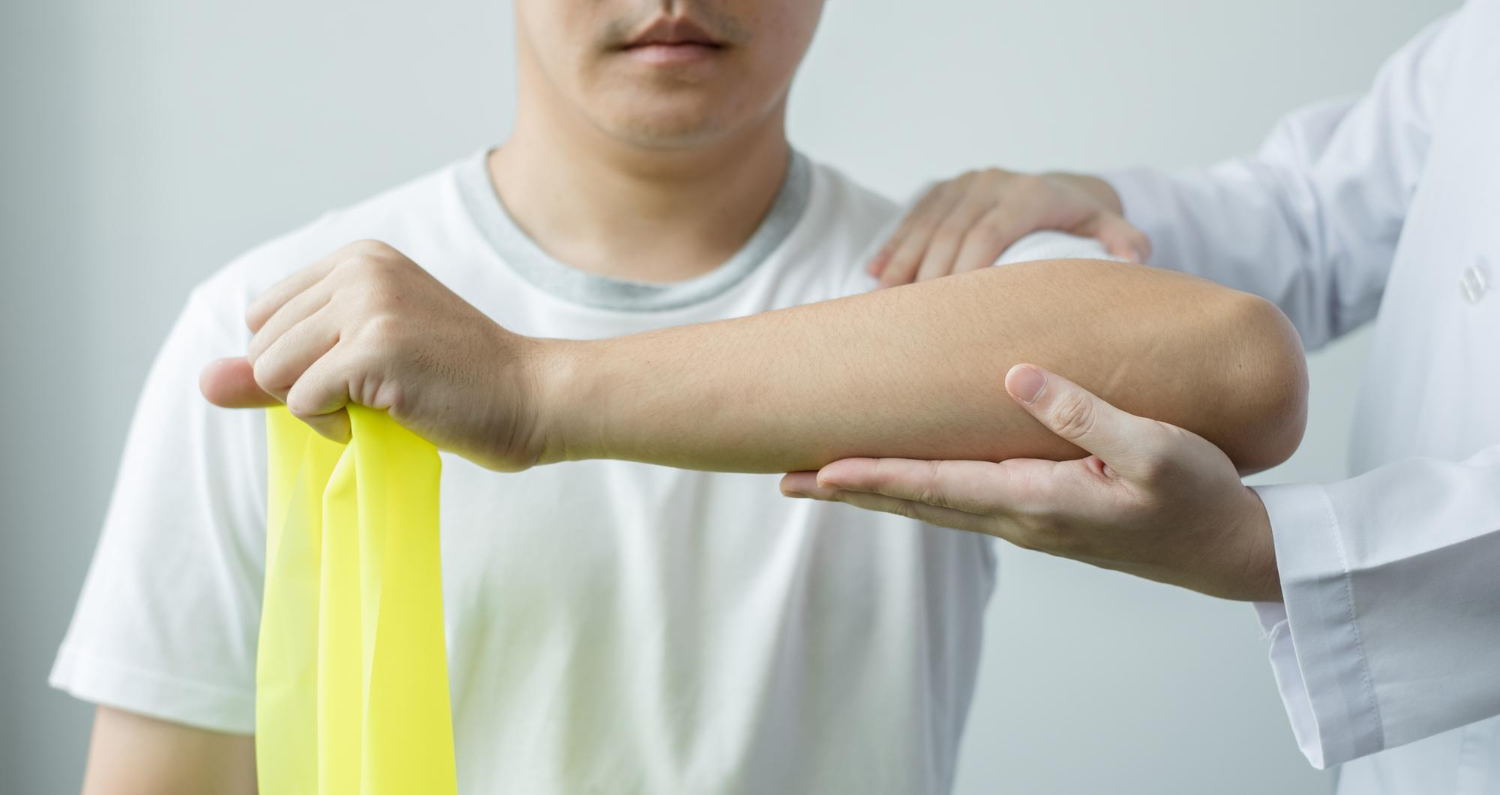
Our physiotherapist specializes in providing individualized, successful physical therapy treatments for tennis elbow that promote the best possible rehabilitation. They concentrate on increasing the forearm muscles’ strength and flexibility through focused physical therapy to reduce symptoms and avoid more suffering.

Treatment techniques include:

  • Soft tissue massage: This is a method that includes applying pressure to the afflicted area to increase blood flow, relieve muscular tension, and promote healing.
  • Stretching exercises: Certain stretches can assist in increasing forearm tendons and reducing strain.
  • Strengthening exercises: Tennis elbow may be caused by weakness in specific muscles. Muscle strength may be increased, and injuries can be avoided with the use of strengthening exercises.
  • Shockwave therapy: This non-invasive treatment employs sound waves to speed up healing and lessen discomfort.
  • Kinesiology taping: By putting this particular kind of tape on the injured area, it can assist in stabilizing and supporting the tendons and muscles, easing tension and accelerating the healing process.

We could also suggest further measures to stop the situation from happening again, such as modifying daily routines or making ergonomic alterations.

Physiotherapy Exercises

We will design a customized workout regimen to target the afflicted area. Tennis elbow rehab center Dubai ensures these exercises increase flexibility, reduce pain, and restore grip strength for better mobility.

Initial Exercises

The purpose of the initial exercises is to stretch and strengthen the muscles while also relieving discomfort. These might include isometric wrist extensions, wrist range-of-motion exercises, and wrist extension stretches. These exercises aid in rehabilitation and enhance general muscle health by lowering muscular tension and enhancing blood flow to the injured area.

Progressive Exercise

Targeted exercises can help with tennis elbow healing as the discomfort subsides. Isotonic wrist extensions, grip squeezes, and resisted wrist supination (wrist rotations) are all useful techniques. The goal of these workouts is to improve pain-free grip strength and reduce discomfort, which will facilitate a quicker recovery.

Benefits of Physiotherapy

One successful and clinically validated treatment for tennis elbow is physiotherapy. It can increase mobility, lessen pain, and stop recurrence by treating the root causes of discomfort and agony. Your condition should significantly improve under the skilled supervision of our seasoned physiotherapist.

Effective Treatment For Elbow Pain

It is imperative that you get expert assistance if you are experiencing elbow discomfort. Physiotherapy improves your general health and provides efficient pain relief. The forearm muscles may be stretched and strengthened with targeted workouts, which will speed up healing and lessen pain. When done correctly, physiotherapy increases mobility and restores function in addition to discomfort relief.

Research Evidence

According to research, physiotherapy is essential for treating tennis elbow since it provides both immediate and long-term advantages.

Studies Supporting Physiotherapy

Studies indicate that manual therapy and manipulation are useful in reducing pain, and exercise therapy is typically one of the most successful forms of treatment. With 60% improvement in six weeks and 90% recovery in a year, physiotherapy helps patients reach important recovery milestones.

Developing A Customized Treatment Strategy

To meet each patient’s unique demands, it is critical to develop a customized treatment strategy.

Working with a physiotherapist in Dubai

Our physiotherapist at Vitruvian Italian Physiotherapy Center will design a customized treatment plan to address your unique requirements. They will lead you through customized exercises and procedures to reduce discomfort, encourage healing, and avert further damage thanks to his knowledge and experience in treating tennis elbow. Our goal is to enhance your general health and assist you in returning to an active, pain-free life by treating the root cause of your problems.

Frequent follow-up visits guarantee that we can monitor your development and modify your treatment plan as needed for the best outcomes.

Self-Management Strategies

Managing Elbow Pain

Managing elbow discomfort is critical for tennis elbow patients. The following self-management techniques can aid in symptom relief and tissue repair:

  1. Ice and rest: It’s critical to give your elbow a break. Stay away from activities that make the pain worse and apply ice packs to the region three to four times a day for 15 to 20 minutes. This relieves pain and helps to lower inflammation.
  2. Stretching and foam rolling: These techniques can be quite effective in easing tense muscles and increasing blood flow to the afflicted area. To increase flexibility and reduce stiffness, concentrate on extending your elbow, wrist, and forearm.
  3. Strengthening activities: You may greatly increase your pain-free grip strength and decrease discomfort by performing exercises that strengthen your wrist and forearm muscles, such as wrist flexions and extensions. These workouts help in rehabilitation by supporting the tendons and muscles.
  4. Ergonomic modifications: You can lessen elbow strain by making ergonomic changes to your everyday routine and workstation. For example, elbow discomfort can be significantly reduced by utilizing a wrist support when typing or by taking frequent breaks to stretch.
  5. Manual therapy: Ask a physical therapist or other medical practitioner about manual therapy. By increasing blood flow and lowering muscular tension, techniques including massage, joint mobilization, and soft tissue mobilization can help lessen pain and encourage tissue repair.
  6. Pain relief: Ibuprofen and acetaminophen are examples of over-the-counter medications that can help lower pain and inflammation. However, before taking any drug, be sure it is appropriate for your situation by speaking with your healthcare provider.
  7. Injections of corticosteroids: To alleviate pain and decrease inflammation, corticosteroid injections may be advised in certain situations. This should be done with the supervision of a healthcare expert to guarantee safety and efficacy.
  8. Shockwave treatment: This non-invasive procedure can aid in tissue repair and pain reduction. High-energy shockwaves are used to promote blood flow and lower inflammation, which speeds up the healing process.
  9. Lifestyle changes: Altering one’s lifestyle can lower the chance of developing chronic tendinitis. The main strategies for preventing and treating tennis elbow include keeping a healthy weight, exercising often, and avoiding repeated strain on the elbow.
  10. Seek expert assistance: Seeking expert assistance from a medical practitioner or physical therapist is crucial if your symptoms intensify or continue. To assist you in managing your elbow discomfort and encouraging tissue recovery, they can provide you with individualized advice and treatment.

You may lessen elbow discomfort and encourage tissue repair by implementing these self-management techniques into your everyday routine. Never forget to speak with a healthcare provider before beginning a new workout or treatment regimen.

Don’t let tennis elbow hold you back: Schedule a physio session at Vitruvian Italian Physiotherapy Center!

Don’t allow tennis elbow to keep you from doing your everyday chores or taking part in your favorite pastimes.

Make an appointment at Vitruvian Italian Physiotherapy Center for physiotherapy right now to start down the path to an active and pain-free existence. We can assist you in overcoming your symptoms and enhancing your general quality of life thanks to his proficiency in treating tennis elbow.

Stay healthy and active!

HOW PHYSIOTHERAPY CAN HELP YOU RECOVER FROM CHRONIC BACK PAIN?

More than just a sporadic discomfort, lower back pain can interfere with everyday activities, impair mobility, and have an impact on your general health. This blog post examines the most common causes of lumbar pain. This blog post examines professional physiotherapy Dubai as a potential long-term treatment for lumbar pain. Learn how early intervention and professional coaching may help you move freely and confidently once again, from manual therapy and clinical Pilates to customized exercise regimens and posture instruction.

Introduction: How Physiotherapists Help To Recover From Pain

It may be emotionally and physically draining to live with persistent back pain. It impacts how you live your life, including how you walk, work, and sleep. Physiotherapy is a long-term, evidence-based remedy that tackles the underlying cause of the issue rather than merely its symptoms, whereas painkillers and band-aid solutions may only give momentary relief.

What Is Chronic Back Pain?

Chronic back pain refers to back discomfort that lasts 12 weeks or more, even after an original injury or underlying reason has healed. Chronic pain can persist and grow more complicated, frequently including modifications in the way the brain and nervous system interpret pain signals, in contrast to acute pain, which acts as a warning indicator.

What Are The Common Causes Of Chronic Back Pain?

There is typically no single cause for chronic back pain. It frequently arises gradually as a result of a combination of physical habits, prior injuries, and lifestyle choices. The first step to long-lasting relief is figuring out what’s causing your discomfort.

These are a few of the most typical reasons:

  • Long periods of sitting and bad posture: If your workspace isn’t properly set up, spending a lot of time bent over a desk, laptop, or phone can put undue pressure on your spine and surrounding muscles.
  • Muscle imbalances and glute weakness: Your lower back and other places overcompensate when your glute muscles aren’t functioning properly. This imbalance leads to tension, poor movement mechanics, and persistent discomfort.
  • Sensitization resulting from an earlier injury: Your back may continue to be sensitive even if your first injury occurred years ago. Even if the damage has long since healed, pain signals may still be reaching your brain.
  • “Degenerative” conditions associated with aging: Chronic inflammation and stiffness in the spine can result from conditions including osteoarthritis, degenerative disc degeneration, or spinal stenosis. Post-surgery physiotherapy Dubai helps restore strength and mobility after back or spinal surgery.
  • Emotional strain and stress: Chronic stress frequently manifests physically as well as mentally. Many people hold stress in their shoulders and back, which over time can lead to chronic discomfort.
  • Living a sedentary lifestyle and not moving about: Our muscles weaken, our joints tighten, and our neurological system becomes more susceptible to pain signals when we don’t move enough. One of the biggest danger factors is excessive sitting without frequent breaks. Neurological physiotherapy Dubai helps relieve chronic back pain caused by nerve or spinal conditions.

Chronic pain requires a personalized treatment plan that addresses the whole body, which is exactly what physiotherapy aims to offer, since it usually comes from a mix of physical, emotional, and lifestyle issues.

Why Choose Physiotherapy For Chronic Back Pain?

Physiotherapy is more than just passive care. It equips you with the knowledge, skills, and techniques to manage your pain and enhance your quality of life.

Physiotherapy is a wise and sustainable option for the following reasons:

  • Focuses on the underlying problem rather than merely the symptoms
  • Enhances function, strength, and mobility
  • Lessens the need for painkillers
  • Helps avoid flare-ups in the future
  • Increases self-assurance and physical awareness
  • Provides individualized treatment based on your objectives and way of life

How Does Physiotherapy Help Chronic Back Pain?

One of the best long-term strategies for treating persistent back pain is physiotherapy. Physiotherapy addresses the underlying causes of pain, restores functional mobility, and enhances your confidence in daily activities instead of merely masking symptoms. The following tried-and-true methods may be incorporated into your individualized treatment plan:

Manual Therapy By A Physiotherapist

For pain relief and movement restoration, your affordable physiotherapist Dubai may employ hands-on treatments. This may consist of:

  • To relieve tense muscles, provide a soft tissue massage.
  • Using joint mobilization to enhance spinal mobility
  • Techniques for myofascial release to lessen stiffness

Both acute and chronic back pain might benefit from massage therapy, which can ease discomfort, particularly when combined with movement-based therapies.

Exercise Therapy By A Physiotherapist

The foundation of physiotherapy for persistent low back pain is targeted exercise. Even while strengthening and core stability exercises result in only slight improvements in function and discomfort, they are nevertheless necessary for long-term results. Your strategy can consist of

  • Training for core stability
  • Hip and gluteal strengthening
  • Exercises for lumbar and thoracic mobility
  • Retraining functional movements (lifting, bending, and squatting)
  • Stretching to increase piriformis, hip flexor, quadriceps, and hamstring flexibility

Consistency with customized workouts promotes healing and avoids flare-ups, even if not all studies provide significant therapeutic results.

Postural & Movement Retraining By A Physiotherapist

Because they are afraid of making their pain worse, many people with chronic pain adopt bad movement habits. Physiotherapy by the Physiotherapy clinic Dubai benefits you by:

  • Regain your self-assurance when moving around in daily life.
  • Learn safe techniques for sitting, walking, and lifting.
  • Fix any bad posture that can be putting strain on your spine.
  • Avoid compensating behaviors that result in more harm.

Education & Pain Management By A Physiotherapist

One effective strategy for rehabilitation from chronic pain is pain education. Methods such as Pain Neuroscience Education (PNE) can help you overcome your fear of movement, improve your tolerance during exercise, and comprehend how pain functions in the body and brain. Additionally, you’ll get advice on:

  • How to control flare-ups and pace yourself
  • Changing activities without getting enough sleep
  • Knowing what causes your discomfort

Cognitive Behavioural Strategies By A Physiotherapist

By treating the psychological aspect of pain, Cognitive Behavioural Therapy (CBT) can aid in the healing of individuals who have experienced chronic back pain for an extended period of time, particularly following comprehensive conservative therapy. CBT might be beneficial to you:

  • Reframe views about pain that are negative.
  • Establish reasonable objectives.
  • Boost morale and lessen disability

Stress, Sleep & Lifestyle Coaching By A Physiotherapist

Stress, worry, sleep deprivation, and inactivity can exacerbate chronic pain. You might get assistance from your Physiotherapist Dubai with:

  • Techniques for breathing and relaxing
  • Sleep posture and daily tips
  • Ergonomic modifications at home or at work
  • Routines of light activity to replace extended periods of sitting

What About Other Approaches Recommended By A Physiotherapist?

In addition to conventional physical treatment by a Certified Physiotherapist Dubai, some individuals benefit from the following methods:

  • The McKenzie Method: This is an organized workout regimen that produces outcomes that are on par with other therapies and have a greater sense of short-term healing.
  • Yoga: A potentially helpful adjunct that enhances function, pain, and flexibility (albeit more study is needed)
  • Pilates: May provide alleviation, especially for female patients, although there is currently no data on its long-term advantages.
  • Manipulative Therapy: This is not better than normal physiotherapy care, although it does produce somewhat better results than sham treatment.

However, there is little evidence to support the use of modalities like ultrasound, laser treatment, TENS, or shortwave diathermy for chronic back pain, and they are typically not advised.

To sum up, physiotherapy provides a thorough, interdisciplinary approach to persistent back pain that considers the full person rather than simply the spine. Orthopedic physiotherapy Dubai treats spine and joint issues to relieve chronic back pain and enhance flexibility. You can move better, feel stronger, and live with less pain and more confidence if you have the correct plan and support.

Our Physiotherapy Techniques For Back Pain Relief

The Physiotherapy Center Dubai, Vitruvian-Italian Physiotherapy Center customizes a variety of tried-and-true physiotherapy approaches to meet your unique needs while treating back pain. In addition to easing your discomfort, we want to help you regain your range of motion and regain your self-confidence.

Here are a few methods we frequently employ:

  • Joint manipulation and mobilization: To enhance alignment, lessen stiffness, and restore natural mobility, we manipulate your spinal joints gently and carefully.
  • Trigger point treatment and deep tissue massage: These practical methods lessen pain in tense or overworked regions, increase blood flow, and relieve muscular tension.
  • Dry needling: We target trigger points with tiny, sterilized needles to reduce stiffness, ease muscular spasms, and aid with pain management.
  • Corrective exercises and movement retraining: To safeguard your spine in day-to-day activities, we work directly with you to regain strength and correct movement patterns and posture. Pediatric physiotherapy Dubai supports children with back pain from posture or spinal issues.
  • Mobility exercises and stretching: Carefully selected stretches enhance mobility and minimize strain by increasing flexibility in important regions such as your hips, lower back, and hamstrings.
  • Taping or bracing (if necessary): Taping or bracing may be used to assist in stabilizing joints and directing mobility to provide additional support throughout the healing process.

What To Expect In A Physiotherapy Assessment?

We begin by improving your mobility and reducing your discomfort. Thereafter, we concentrate on long-term methods to maintain your back’s strength and stop flare-ups in the future. Not only temporary solutions, but long-term alleviation is what we aim for. The goal of your initial consultation is to comprehend your suffering. We’re going to:

  • Inquire in-depth about your lifestyle, medical history, and symptoms.
  • Examine your strength, flexibility, movement habits, and posture.
  • Determine any compensating patterns, mobility limitations, or muscle imbalances.

Together, establish specific objectives, such as walking pain-free, playing sports again, or comfortably lifting your children. Pediatric physiotherapy Dubai supports children with back pain from posture or spinal issues.

6 Proven Habits To Support Your Recovery From Chronic Back Pain

Chronic back pain requires patience, perseverance, and a proactive approach to recovery. Physiotherapy lays the foundation, but your everyday routine determines long-term outcomes. Here are six proven strategies advised by the Best Physiotherapist Dubai that can assist in your recovery and reduce the likelihood of flare-ups:

  • Even if the discomfort subsides, continue with your workouts: Long-term stability and strength are the aim. Being consistent helps you avoid setbacks and keeps you moving forward.
  • Continue to move throughout the day: Walking, swimming, and yoga are examples of low-impact exercises that promote circulation and mobility without putting undue strain on your spine.
  • Steer clear of prolonged sitting: Take brief standing or stretching breaks every 30 to 60 minutes to break up extended periods of time spent at your work or on the sofa.
  • Intentionally manage your stress: Stress and chronic pain are frequently linked. To relax your body and mind, practice mindfulness, breathing exercises, or light movement.
  • Honor little victories: Even though progress may be slow, any improvement in movement or less discomfort is worthwhile. Remain upbeat and monitor your progress.
  • Maintain communication with your physical therapist: Your physio can adjust your plan and maintain the proper course of your recovery with open communication.

Recuperation is a process, and even daily modifications can have significant long-term effects.

Get Help With Chronic Back Pain By Scheduling A Consultation With A Physiotherapist

Even though chronic back pain is prevalent, you don’t have to accept it as “normal.” With the correct assistance and skilled physiotherapy, you may end the pain cycle, regain your function, and resume your free life.

Schedule an appointment with our licensed physiotherapist Dubai right now; we’re here to help you through every stage of your recuperation.

From Injury to Recovery Expert Tips on Dislocated Shoulder Physical Therapy

A dislocated shoulder can cause pain and restricted movement, which can interfere with day-to-day activities. Shoulder pain treatment Dubai focuses on reducing inflammation and restoring mobility efficiently. Recovery necessitates a calculated combination of perseverance, commitment, and suitable physical therapy, regardless of the cause—sports, accidents, or other events. This article provides professional advice on physical therapy for dislocated shoulders to promote a speedy and efficient healing process.

Physical Therapy for Dislocated Shoulder

Physical therapy is essential in recuperating from a dislocated shoulder. Shoulder pain physiotherapy Dubai helps not only in restoring movement but also in preventing future injuries. Physical therapy for a dislocated shoulder involves more than just regaining movement; it also entails strengthening the shoulder and avoiding further injuries. People can restore complete ability and attain comprehensive rehabilitation by participating in specialized activities at Vitruvian Italian Physiotherapy Center.

What is Shoulder Dislocation?

A shoulder dislocation occurs when the upper arm bone is pushed out of the shoulder blade socket. Shoulder pain specialist in Dubai can help diagnose and create tailored treatment plans for such conditions. This injury necessitates prompt medical attention and a well-organized recovery plan since it produces severe pain, edema, and instability.

Causes of Shoulder Dislocation

Shoulder dislocations are frequently caused by accidents, sports injuries, and falls. The shoulder is more prone to dislocations than other joints because of its wide range of motion, which is why consulting a shoulder pain doctor Dubai is highly recommended for effective management.

Dislocated Shoulder Therapy Exercises

Recovery requires performing targeted dislocated shoulder therapy exercises as well as shoulder dislocation recovery activities. Best shoulder pain clinic Dubai, such as Vitruvian Italian Physiotherapy Center, offers supervised sessions that strengthen shoulder muscles, increase range of motion, and lower the chance of further dislocations.

Pendulum Swings

Pendulum swings are mild activities that help keep shoulders flexible. Shoulder pain treatment near me in Dubai often includes such gentle exercises to maintain mobility and blood flow. Lean forward a little and let your damaged arm hang to complete this exercise. Spend a minute or so gently swinging your arm in little circles.

Isometric Shoulder Exercises

Muscle contractions without joint movement are a component of isometric exercises. PRP therapy for shoulder pain Dubai may be combined with these exercises for faster recovery and pain relief. These therapeutic exercises for shoulder dislocation are essential for preserving muscular strength without putting undue strain on the shoulder.

Shoulder Blade Squeezes

Shoulder blade squeezes strengthen and stabilize the muscles surrounding the shoulder blade. Squeeze your shoulder blades together gently while standing or sitting with your back erect. Hold the position for a few seconds, then let go.

Stages of Recovery With Shoulder Dislocation Therapeutic Exercise

Initial Recovery Phase

The main objective in the early stages after an injury is to lessen pain and inflammation. During this time, immobility, ice, and rest are essential.

Intermediate Recovery Phase

Physical treatment for dislocated shoulders involves mild stretches and motions to restore range of motion and get ready for more difficult activities as the pain goes away.

Advanced Recovery Phase

The emphasis switches to functional training and strengthening exercises in the last stage, readying the shoulder for daily tasks and athletic endeavors.

Common Mistakes to Avoid

  • Skipping Warm-ups: Before beginning shoulder dislocation recovery exercises, warm-ups are crucial to preventing additional injuries and getting the muscles ready for action.
  • Neglecting Pain: Your body uses pain as a warning sign that something may be amiss. Ignoring it may cause the injury to worsen and take longer to heal.
  • Rushing the Process: It takes time to recover from a dislocated shoulder. Avoid moving too quickly through the phases as this may result in setbacks and postpone a full recovery.
  • Shoulder Dislocation Rehabilitation Program: For full recovery, an organized rehabilitation program is essential. As the shoulder recovers and gains strength, the intensity of this program should be progressively increased to meet the needs of each individual.
  • Benefits of Professional Guidance: Consulting a qualified physical therapist guarantees that you execute the appropriate exercises in the proper form. This advice lowers the chance of re-injury and is crucial for a safe and efficient recovery.

Home Exercises and Maintenance

Towel Stretch

Stretching using a towel can help increase flexibility. Stretch your shoulder muscles by holding a towel behind your back with one hand and gradually pulling it upward with the other.

External Rotation

This workout requires the use of a resistance band. To strengthen the rotator cuff muscles and improve stability, spin your forearm outward while keeping your elbow close to your torso.

Conclusion

It takes a combination of perseverance, commitment, and the appropriate physical therapy technique to recover from a dislocated shoulder. Exercises for dislocated shoulder therapy will help you regain function, build strength, and avoid more injuries. Always consult Vitruvian Italian Physiotherapy Center for a personalized rehabilitation plan tailored to your recovery needs. Remember, healing is a gradual process that leads to lasting shoulder health.

FAQs About Shoulder Physical Therapy

Yes, you can lower your risk of future dislocations by doing therapeutic exercises for shoulder dislocations on a regular basis and keeping your shoulders flexible and strong.

Surgery is not always necessary. Physical therapy and exercises for dislocated shoulders can be used to address many instances.

This is dependent on each person's level of recovery. To make sure your shoulder is strong enough for the demands of your sport, it is imperative that you speak with a physical therapist.

Joint instability and recurrent dislocations are possible side effects that highlight the significance of an all-encompassing rehabilitation program.

Get medical help right away. Reducing the dislocation is typically the first course of treatment, which is followed by rest and ice application.

ACL Injury In Athletes Prevention And Treatment in Dubai

The anterior cruciate ligament (ACL) is a tiny but important tissue in the knee joint. The best ACL Surgery in Dubai can significantly restore knee function and improve the quality of life after an injury. ACL physiotherapy, the anatomy and function of the ACL, types of ACL injuries, treatments for ACL injuries, their clinical significance, risk factors, symptoms, diagnosis, treatment options, prevention strategies, and the effect of ACL tears on athletes’ careers are just a few of the topics we will cover in this extensive guide to ACL injuries.

Understanding the ACL: Anatomy and Function

What is an ACL?

The anterior cruciate ligament (ACL) is one of four primary ligaments in the human knee joint. It connects the thigh bone (femur) to the shinbone (tibia) and is located deep within the knee. ACL Repair Dubai procedures are often required when the ligament is stretched or torn due to sudden stops or impacts. Despite its small size, the ACL plays a vital role in balance and joint protection.

Function of the ACL

The ACL serves several vital functions:

  1. Stability: The ACL’s capacity to stabilize the knee joint is one of its main functions. It serves as a barrier to prevent the tibia from excessively advancing toward the femur.
  2. Control: The ACL helps regulate the knee joint’s range of motion, especially when cutting, rotating, and making quick direction changes are involved.
  3. Protection: In addition to its stabilizing function, the ACL aids in preventing excessive strain and possible harm to other knee structures, including the articular cartilage and menisci.

Types of ACL Injuries

ACL injuries can vary in severity and are not all the same. ACL injuries are frequently divided into three primary categories:

  1. Grade I Sprain: Only a small number of the ligament fibers are impacted, making this a moderate ACL damage. The knee joint is usually stable after a Grade I sprain, and ACL knee surgery recovery is rarely necessary.
  2. Grade II Sprain: Damage to a greater number of ligament fibers characterizes a moderately severe Grade II ACL injury. Surgery isn’t usually required, even though the knee may feel a little unsteady.
  3. Grade III Sprain (Complete Tear): The ACL is completely torn into two parts in a Grade III sprain, the most serious type of ACL injury. Surgery is frequently advised to restore stability and function since this kind of injury makes the knee extremely unstable.

ACL Tear Surgery Dubai is usually recommended for severe cases like Grade III sprains, where the ligament is completely torn.

Clinical Significance of ACL Injuries

ACL injuries are serious issues that can have a significant impact on a person’s knee health and general well-being. ACL injuries have several clinical implications, including:

  • Instability: People who have an ACL tear frequently have knee instability, which makes them feel unsteady and unpredictable when doing different tasks.
  • Meniscus Tears: The meniscus, the wedge-shaped cartilage that cushions the joint, may tear as a result of the increased instability in the knee.
  • Early-Onset Arthritis: Untreated or insufficiently treated ACL injuries can eventually lead to the development of knee arthritis, which causes pain and reduced function.

Risk Factors for ACL Injuries

People from many areas of life are susceptible to ACL injuries; they are not exclusive to any particular group. Nonetheless, the following risk factors may make an ACL injury more likely to occur:

  1. Participation in Sports: ACL injuries are more common in athletes who play sports that call for abrupt stops, quick direction changes, jumping, or rotating. Sports like tennis, basketball, soccer, football, and skiing are excellent examples.
  2. Gender: It is important to note that women are more likely than men to sustain an ACL injury. It is thought that variations in biomechanics and hormonal effects contribute to this disparity.
  3. Prior Injuries: The likelihood of hurting the opposite knee is increased if one knee has previously sustained an ACL injury. Those who have previously suffered an ACL tear should exercise extra caution.
  4. Environmental Aspects: ACL injury risk can be influenced by training surface type, footwear selection, and playing circumstances. Playing on an uneven or wet field, for instance, can make things riskier.

What Does an ACL Tear Feel Like?

An ACL injury can cause a variety of symptoms, including:

  • A loud, abrupt “pop” or “snap” at the moment of injury.
  • Severe knee pain and edema that usually appears in a few hours.
  • An unsteady sensation in the knee, as though it would buckle under weight.
  • The wounded limb becomes difficult to walk on or bear any weight on.

How Common are ACL Injuries?

ACL injuries, especially in athletes, are somewhat prevalent. The American Academy of Orthopedic Surgeons reports that every year in the US, there are over 200,000 ACL tears. These injuries are a common issue because they happen in a variety of activities.

What Causes ACL Tears?

There are several causes and processes for ACL tears:

  • Abrupt Stops or Direction Changes: When someone stops or changes direction suddenly while jogging or traveling, they increase the risk of suffering an ACL injury.
  • Poor Landing: The ACL can sustain serious damage if you land awkwardly after a leap, especially if your knee is outstretched.
  • Direct Impact: An ACL damage may result from a direct hit to the knee, as might occur in a vehicle or sports accident.
  • Overuse and Repetitive Stress: In certain sports, especially those involving frequent cutting and pivoting motions, repetitive stress and pressure on the ligament can cause ACL problems to develop over time.

How are ACL Tears Diagnosed?

ACL tears are diagnosed by medical professionals using a variety of techniques:

  • Physical Examination: The physician will evaluate the stability of the knee, searching for indications of pain, swelling, and range-of-motion restrictions.
  • Medical Imaging: Detailed pictures of the interior tissues of the knee are frequently obtained by an MRI (Magnetic Resonance Imaging) scan. ACL tears can be definitively diagnosed with the help of this imaging method.

Can an ACL Tear Heal on Its Own?

Most complete ACL tears (Grade III sprains) do not recover on their own, but certain smaller ACL injuries, usually Grade I sprains, may respond to conservative therapy and rest. A torn ACL can result in persistent instability and an increased risk of secondary injuries if treatment is not received.

ACL Tear Surgery

Surgical surgery is advised for the majority of patients with a complete ACL tear. ACL reconstruction surgery uses a graft to replace the torn ligament; this graft can be taken from a donor (allograft) or the patient’s own body (autograft). This surgical technique, which uses tiny incisions and sophisticated medical tools, is typically performed arthroscopically.

Rehabilitation After ACL Surgery

After ACL surgery, rehabilitation is essential to the healing process. Among the objectives of rehabilitation are:

  • Restoring the knee’s strength and flexibility.
  • Enhancing the general stability of joints.
  • Improving proprioception, or awareness of joint position, and neuromuscular control.
  • Returning to physical activities and sports gradually.

Although rehabilitation programs are usually customized to each person’s unique needs and development, they frequently consist of several stages with an emphasis on progressively increasing the level of difficulty of exercises and activities.

Phases of Physiotherapy for ACL Post-Op Recovery

Anterior Cruciate Ligament (ACL) recovery following surgery is a multi-phase procedure that usually takes many months. During ACL post-op recovery, physiotherapy aims to minimize discomfort and the chance of re-injury while restoring knee function, strength, and stability. The general stages of physiotherapy for ACL healing following surgery are as follows:

Immediate Post-Op Phase (0–2 weeks):

  • Use devices like TENS, ultrasound, or high-powered lasers to protect the surgical site, control pain, and reduce swelling.
  • Start with mild range-of-motion (ROM) exercises, such as isometric quadriceps contractions and ankle pumps.
  • Using crutches or a brace if required, help the patient regain the capacity to walk.
  • Inform the patient of the significance of adhering to the recommended dosage and icing schedule.

Early Mobilization Phase (2-6 weeks):

  • Continue managing pain and swelling.
  • Increase the range of motion gradually using workouts that involve both passive and active assistance.
  • Start with closed-chain exercises to enhance proprioception and weight bearing.
  • Start with calf, hamstring, and quadriceps strengthening exercises.
  • Improve your balance and gait.

Intermediate Phase (6-12 weeks):

  • Restore full range of motion (0-130 degrees) and normal gait pattern.
  • Increase the strength training activities’ intensity gradually by using resistance bands, bodyweight workouts, and small weights.
  • Exercises for balance and stability can improve proprioception and neuromuscular control.
  • Start with functional exercises like squats, lunges, and step-ups that replicate daily activities.
  • Include activities that improve cardiovascular fitness, such as stationary cycling.

Late Recovery Phase (12-24 weeks):

  • Focus on increasing strength and endurance training resistance and intensity progressively.
  • Incorporate plyometric and agility training to enhance athletic and functional performance.
  • Take care of any lingering deficiencies in coordination and physical strength.
  • Determine whether a return to sports or physical activity is appropriate. Depending on personal development and sport-specific needs, this stage may change.
  • To lower the chance of recurrent ACL injuries, concentrate on injury prevention techniques such as appropriate warm-up and cool-down exercises, agility drills, and sport-specific training.

Return to Sport Phase (24+ weeks):

  • Make sure the patient’s wounded knee is fully stable, strong, and self-assured.
  • Use training exercises tailored to your sport, such as jumping, cutting, and pivoting exercises.
  • Reintroduce the patient to their chosen sport gradually through a planned and supervised program.
  • To sustain peak performance and lower the chance of re-injury, place an emphasis on ongoing strength and conditioning.
  • Lastly, stating that the patient is cleared to resume sports

It’s important to remember that the schedule for each stage may change based on the patient’s development and the surgeon’s suggestions. To guarantee the greatest result and a safe return to physical activity, close contact between the patient, physical therapist, and surgeon is essential during the ACL post-op rehabilitation phase.

How Can I Prevent a Torn ACL?

ACL injury prevention is an important topic, especially for athletes and active people. The following techniques can help lower the chance of ACL tears:

  • Strength Training: Targeted strength training activities can assist support the ACL and lower the risk of damage, especially for the muscles surrounding the knee and hip.
  • Appropriate Technique: To reduce the strain on the ACL during sporting activities, athletes should be trained in appropriate landing and cutting methods.
  • Equipment: An additional line of defense against ACL injuries can be offered by using the proper footwear and protective equipment, such as knee braces.
  • Warm-up and Cool-down: You may assist prevent injuries by making sure your body is adequately warmed up before working out and cooled down afterward.
  • Training for balance and coordination: It can increase joint stability and lower the chance of falls and unsteady landings.

Can You Walk if Your ACL is Torn?

Walking with a torn ACL is not advised, although it is doable. Walking when suffering from an ACL tear can worsen the injury, harm the knee further, and eventually cause problems. Until they obtain the proper care, people with ACL injuries frequently use crutches to reduce the amount of weight they bear on the injured leg.

When Should I See My Healthcare Provider?

It’s critical to see a doctor right away if you think you may have an ACL injury or if you have symptoms like a sudden pop in your knee, excruciating pain, swelling, or instability. The prognosis can be greatly enhanced and the chance of long-term consequences decreased with early diagnosis and treatment.

Questions to Ask Your Doctor

Think about posing the following queries to your healthcare provider when you are talking about an ACL injury:

  1. What is the extent of my ACL injury?
  2. Can I explore non-surgical therapy, or do I require surgery?
  3. What is the anticipated time frame for my particular case’s recovery?
  4. Do I need to undertake any particular physical therapy or exercises while I’m recovering?
  5. What procedures should I adhere to in order to resume sports or other physical activity safely, and when may I anticipate doing so?

Will There Be Another ACL Tear?

Many people can resume their prior level of physical activity without risk of re-injury following successful ACL restoration surgery and therapy. To lower the chance of developing knee issues in the future, it is crucial to keep taking preventative measures and using the right training methods. ACL injuries certainly increase a person’s risk of developing more serious knee problems in the future, which highlights the significance of continued knee treatment and maintenance.

At Vitruvian Italian Physiotherapy Center, we can assist lower the likelihood of this occurring by using the appropriate exercises, preventative measures, and constant progress tracking throughout your workout program.

Is an ACL Tear “Career-Ending” for an Athlete?

For any athlete dealing with an ACL tear, the phrase “career-ending” might be intimidating. It is not always the end of an athlete’s career, even if it might be a major setback. Many athletes have successfully resumed competitive participation in their chosen sports after receiving the proper care, surgery, and rehabilitation. The path to recovery, however, can be difficult and calls for commitment to the healing process.

Conclusion

All things considered, an ACL rupture is a complicated and multidimensional injury that can impact people of all ages and levels of exercise. Early diagnosis and successful treatment of ACL injuries depend on knowing the architecture and function of the ACL, identifying risk factors, and being aware of the symptoms.

Understanding ACL injuries, non-surgical knee treatment Dubai, ACL injury therapies, and ACL physiotherapy will help you make well-informed decisions about the health of your knee, regardless of whether you are an athlete or someone who wants to lead an active lifestyle. Don’t put off getting medical help if you think you may have an ACL damage because prompt treatment can have a big impact on your knee’s long-term mobility and health.

Five Tips for Managing Tennis Elbow

Lateral epicondylitis, often referred to as tennis elbow, is a disorder affecting the outside of the elbow. Tennis Elbow Treatment Dubai is essential because this condition happens when the forearm tendons are overworked, frequently as a result of overuse or repetitive activity.

Tennis elbow can be brought on by playing tennis, but it is more frequently caused by overusing muscles or improper positioning during other activities. Best tennis elbow treatment in Dubai focuses on identifying such causes—like painting, gardening, or working long computer hours—to prevent recurrence.

Tennis elbow can be exasperating and painful, but it can be treated with the correct therapy. Tennis Elbow Pain Relief Dubai can be achieved through targeted rehabilitation sessions at Vitruvian Italian Physiotherapy Center, which focuses on restoring mobility and reducing inflammation.

1-Rest: Give Your Elbow The Time It Needs To Heal Body

Resting the afflicted elbow is one of the most crucial treatments for tennis elbow. Elbow Pain Treatment Dubai emphasizes limiting forearm strain and repetitive motions that aggravate the condition.

Rest does not imply total inactivity; rather, it refers to avoiding elbow-straining tasks like lifting large objects, holding repeatedly, or participating in particular sports. Recovery can be greatly impacted by taking rests and changing your motions. Limiting wrist extension when carrying items like supermarket bags is one way to make adjustments. Additionally, when picking up objects, it is recommended to employ a bent-elbow position rather than an extended elbow.

2-Heat: Manage Pain And Reduce Stiffness

Applying heat to the injured area can assist in easing stiffness and boosting circulation. Tennis elbow therapy Dubai often includes heat packs or warm compresses to relax the muscles and speed up healing.

You can apply a heating pad or a warm compress to the elbow for ten to fifteen minutes at a time. However, to prevent direct contact with the skin and prevent burns, always use a barrier, like a towel, and take care not to overheat the region.

3-Massage: Relieve Tension And Promote Healing

Another useful method for managing lateral epicondylitis is body massage. A targeted soft tissue massage can reduce discomfort and increase flexibility by releasing tension in the tendons and muscles of the forearm. Tennis elbow specialist Dubai therapists recommend gentle circular motions to release muscle tension and enhance flexibility.

Try the following self-massage technique using fingers or a tennis ball: As the tension eases, apply light pressure to the muscles surrounding the elbow and progressively increase it. Avoid massaging the irritated tendon directly to prevent more irritation.

4-Stretch: Improve Flexibility And Reduce Muscle Strain

The muscles and tendons surrounding the elbow can be kept and made more flexible through body stretching. When muscles are tight, they can place additional stress on the tendons and exacerbate the problem. Chronic tennis elbow cure Dubai programs often include daily stretching routines to minimize tension and prevent stiffness.

A good stretch for tennis elbow includes wrist flexion stretches. Bend the wrist downward with the palm facing down to feel the muscles in your forearms stretch.

5-Strengthen: Build Resilience And Prevent Future Injury

Exercises for strengthening are just as important to the healing process as rest. Strengthening can be added to regular activities after around six weeks of stretching and pain relief methods. Tennis Elbow Rehab Center Dubai focuses on progressive muscle strengthening using light weights or resistance bands.

Strengthen the forearm muscles, particularly the flexors and extensors, with controlled and moderate workouts. Start with resistance bands or small weights. Raise the resistance as your strength increases. Wrist curls, reverse wrist curls, and grip-strengthening exercises are all effective forearm exercises. It’s crucial to begin softly and raise the intensity gradually because overstretching the muscles too quickly can result in reinjury.

When to Seek Further Treatment for Tennis Elbow Body

These suggestions are intended to be used as a guide, not a prescription, because you may have additional health issues that affect your recovery. It’s crucial to seek advice from a healthcare provider if symptoms intensify or continue. The skilled hand specialists at Vitruvian Italian Physiotherapy Center can help you heal and resume your favorite activities without causing you any pain!

Back Pain PT Exercises for Effective Lower Back Pain Recovery

At Vitruvian Italian Physiotherapy Center, we are committed to helping you achieve lasting relief from back pain. Lower back pain treatment Dubai services here are customized to address the root causes of discomfort through advanced physical therapy. We employ a comprehensive approach that emphasizes strength, flexibility, and mobility to restore you to a pain-free lifestyle.

In Dubai, lower back discomfort is a prevalent issue that hinders the ability to engage in daily activities and maintain an active lifestyle. Lower back pain Dubai solutions at Vitruvian Italian Physiotherapy Center are designed to enhance mobility and prevent future injuries through personalized rehabilitation.

In this blog, we will investigate the critical role of physical therapy and rehabilitation services at Vitruvian Italian Physiotherapy Center in assisting you in managing and recovering from back pain, as well as learning effective PT exercises.

Understanding the Impact of Lower Back Pain

Lower back pain can significantly disrupt daily living, making regular chores more difficult. Lumbar pain clinic Dubai treatments focus on identifying and relieving the sources of spinal and muscular strain that limit your daily comfort and mobility.

Common Causes of Lower Back Pain

Lower back pain is frequently the consequence of prolonged sitting, muscle strain, or poor posture. Spine specialist Dubai services can help you identify postural issues and muscular imbalances that lead to chronic pain and stiffness.

The Role of Muscle Imbalance

The vertebral column is significantly supported by abdominal and back muscles. VIP back pain treatment Dubai focuses on correcting these imbalances through core strengthening and targeted exercise routines at Vitruvian Italian Physiotherapy Center.

How Chronic Back Pain Affects Daily Life

The ability to perform basic tasks like walking, lifting, and bending might be affected by persistent lower back pain. Sciatica treatment Dubai programs can relieve nerve compression and muscle tension, helping patients restore movement and improve rest quality.

The Importance of Professional Help

It is crucial to seek the advice of a physical therapist if you are experiencing persistent back discomfort. A customized exercise regimen can assist in resolving the underlying cause of discomfort, enhancing flexibility, and fortifying muscles. At Vitruvian Italian Physiotherapy Center, we provide specialized physical therapy and rehabilitation services to assist in your recovery and the reestablishment of your daily activities.

The Role of Back Pain PT Exercises

Physical therapy exercises for back pain are essential for long-term relief and recovery. Physiotherapy for back pain Dubai programs target key muscle groups to improve mobility, posture, and stability, ensuring sustainable recovery.

Strengthening the Core

Strengthening the core muscles is one of the primary objectives of physical therapy exercises for back discomfort. This encompasses the muscles that run along the vertebrae and the abdominal muscles. Having a robust core is beneficial for supporting the lower back, which in turn reduces the tension on the spine and prevents further injury.

Improving Flexibility and Mobility

The hip flexor stretch and cobra stretch are examples of flexibility exercises that can alleviate lower back tension and enhance spinal movement. Stretching regularly can alleviate stiffness and enhance range of motion, thereby simplifying and alleviating the discomfort of daily activities.

Enhancing Posture and Alignment

The muscles responsible for preserving a neutral position of the spine are targeted by back pain exercises, which aid in the improvement of posture. Physical therapy can also concentrate on the alignment of the pelvis and vertebrae, which ensures that pressure is distributed uniformly and reduces the likelihood of injury.

Preventing Recurrence of Pain

A well-rounded exercise routine helps to avoid the recurrence of discomfort by addressing muscle weakness and imbalance. Physical therapy can decrease the probability of future muscle spasms and chronic back pain by emphasizing core strengthening exercises, flexibility, and appropriate posture.

The Benefits of Professional Guidance

Collaborating with a physical therapist guarantees that exercises are executed safely and accurately. They have the ability to develop a program that is tailored to your unique requirements and constraints. At Vitruvian Italian Physiotherapy Center, our team of professionals is available to assist you in the recovery process and help you regain control of your life.

Key PT Exercises for Lower Back Pain Relief

Certain back pain PT exercises are effective in focusing on the muscles that provide support for the lower back. These exercises have the potential to enhance function and alleviate discomfort.

Bird Dog

The lower back and core muscles are strengthened by the bird dog exercise. Initially, position yourself on all fours with your palms under your shoulders and your knees bent. Form a straight line by slowly extending your right arm forward and your left leg backward. Hold for a few seconds, then gradually return to the starting position and repeat on the other side. Balance and stability are enhanced by this exercise.

Child’s Pose

A child’s pose is a mild stretch that alleviates tension in the lower back. Begin by kneeling on your hands and knees. Subsequently, gently recline on your heels while extending your arms forward. This position enhances flexibility and reduces rigidity by stretching the hip flexors and lower back muscles. It is an exceptional method for alleviating tension that accumulates as a result of prolonged periods of sitting.

Cobra Stretch

The cobra stretch is effective in alleviating lower back tension and opening up the spinal cord. Begin by reclining on your stomach with your elbows bent and your palms flat on the floor. Slowly raise your upper body, allowing the lower vertebrae to extend. Hold for a few seconds, and then gradually lower your body back down. This stretch is designed to enhance spinal flexibility and target the muscles of the lower back.

Single Knee to Chest Stretch

The single knee to chest stretch is effective in relaxing tight muscles in the lower back and hips. Lie on your back with your knees bent and your feet level on the floor. Gently pull one knee toward your midsection while maintaining the straightness of the other leg. Continue to maintain the position for a few seconds before switching to the other side. This stretch promotes flexibility and alleviates pressure in the lower spine.

Hip Flexor Stretch

The hip flexor stretch is intended to alleviate tension in the hip region, which frequently contributes to lower back discomfort. Starting with your feet level on the floor and your knees bent, lie on your back. While maintaining the other leg straight, gently pull one knee toward your torso. Hold for a few seconds, and then alternate legs. This exercise enhances the flexibility of the hip muscles and alleviates the strain on the lower spine.

Bird Dog with Arm and Leg Extensions

This exercise is a more sophisticated variation of the bird dog, as it targets both the upper and lower body. Begin on all fours, with your palms under your shoulders and your knees bent. Slowly extend your right arm forward while simultaneously extending your left leg behind you. Hold for a brief period before returning to the initial position and repeating the process on the opposite side. This exercise enhances balance, stabilizes the vertebrae, and fortifies the core.

Regularly engaging in these exercises can alleviate lower back pain, enhance flexibility, and prevent additional injuries. Collaborating with a physical therapist guarantees that the exercises are executed safely and accurately. At Vitruvian Italian Physiotherapy Center, we provide guidance on these exercises to facilitate your recovery.

Why Choose Vitruvian Italian Physiotherapy Center

Vitruvian Italian Physiotherapy Center is a physical therapy clinic that specializes in the provision of effective treatment to assist in the recovery of lower back discomfort. The reason our methodology is distinctive is as follows.

Experienced Physical Therapists

Our team of expert physical therapists is committed to assisting you in regaining mobility and strength. They develop programs that are tailored to your unique requirements, utilizing their extensive experience in physical therapy exercises for back pain. Our clinicians possess the expertise to assist you in your recovery, regardless of whether you are experiencing chronic lower back pain or muscle spasms.

Personalized Treatment Plans

We acknowledge that each patient is unique. At Vitruvian Italian Physiotherapy Center, we develop personalized exercise regimens that are specifically tailored to your unique condition. Your plan will be tailored to your specific objectives, whether it be to enhance your flexibility or to fortify your core muscles, thereby enabling you to achieve enduring pain alleviation.

Comprehensive Care Approach

Our methodology surpasses mere exercises. We adopt a comprehensive approach to your recovery, addressing all factors that contribute to lower back discomfort. Our services are designed to enhance strength, posture, and overall function, ranging from aerobic exercise to flexibility training. Our objective is to mitigate discomfort and forestall future injuries.

Focus on Long-Term Results

At Vitruvian Italian Physiotherapy Center, we prioritize long-term recovery rather than merely alleviating symptoms of back pain. We assist you in establishing a strong foundation for future wellness by incorporating posture correction and core strengthening exercises. Our treatments are intended to enhance your quality of life and prevent recurrence.

Start Your Recovery Journey at Vitruvian Italian Physiotherapy Center!

Our team of professionals at Vitruvian Italian Physiotherapy Center is available to assist you in managing your lower back pain. We provide customized physical therapy and rehabilitation services to facilitate your recuperation, regardless of whether you are experiencing chronic back pain or muscle discomfort.

Let Us Contact You

    Book Your Appointment

    Directly in our schedule

    Find Us