6 Most Common Physiotherapy Treatments

In summary, whether you are recovering from an accident or coping with everyday discomfort, physiotherapy is essential. A physiotherapist Dubai commonly uses the six most popular physiotherapy treatments that assist in increasing strength, decreasing discomfort, and enhancing mobility are broken down in this blog. Every approach has its own advantages, ranging from conventional manual methods to contemporary treatments like cupping and dry needling.

Overview

Physiotherapy helps individuals move better, feel stronger, and lead healthier lives. At a trusted physiotherapy center Dubai, treatments extend beyond simply managing pain. Physiotherapy provides safe and efficient treatments for managing chronic pain, recuperating from surgery, and healing after an injury. However, are you aware of the methods that physiotherapists employ to treat their patients? This blog presents information provided by the top certified physiotherapist Dubai at Vitruvian – Italian Physiotherapy Center, covering the six most popular physiotherapy treatments, their mechanisms, and optimal usage. Find out how these therapies can help you on your path to increased strength, mobility, and general well-being.

Top 6 Most Common Physiotherapy Treatments

Numerous techniques are used in physiotherapy, each one specifically designed to meet the demands of the patient. These therapies aim to restore function and stop more injuries, from reducing pain to increasing flexibility. The six most popular physiotherapy procedures now employed by professionals are as follows:

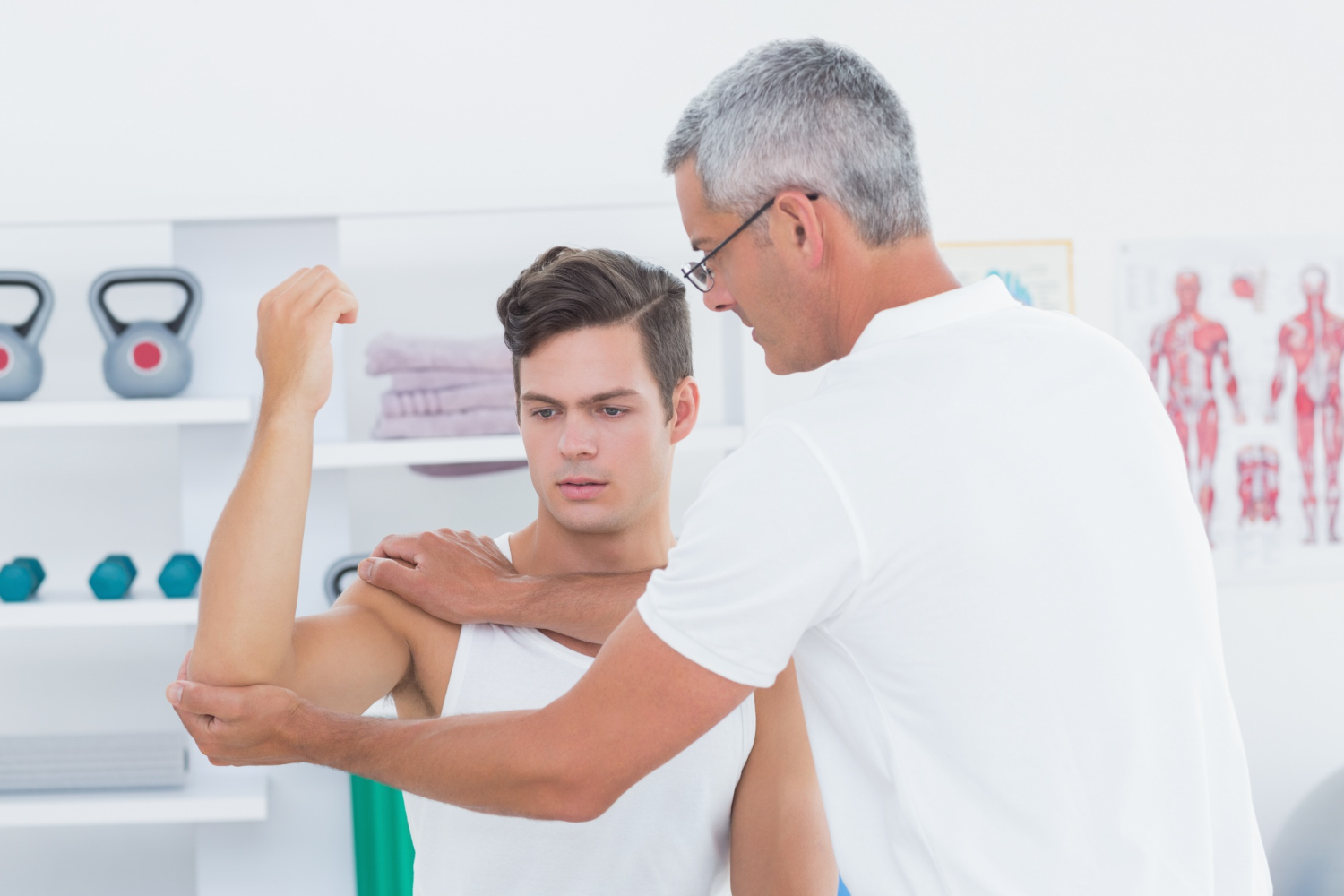
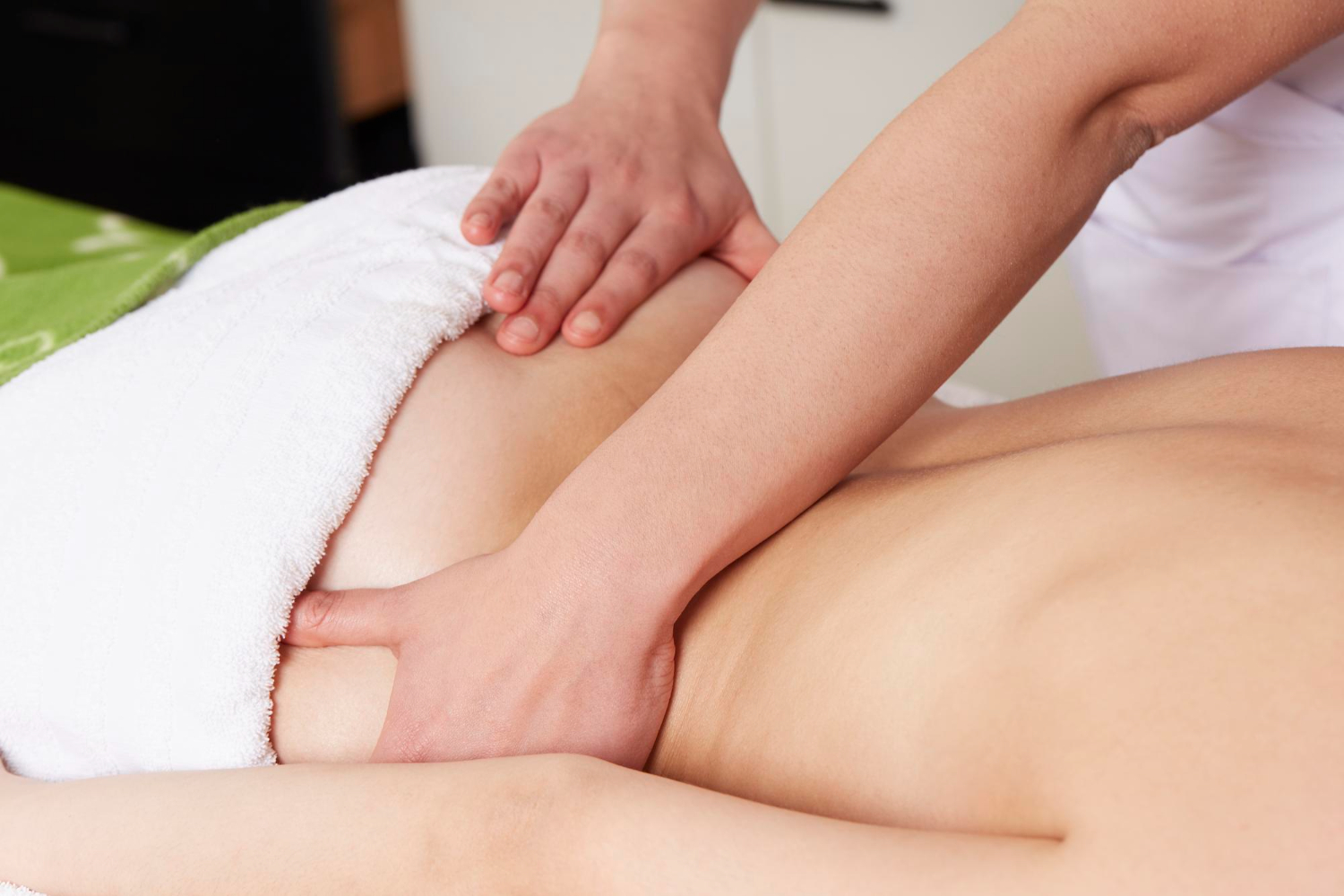
1. Manual Therapy

The most conventional and popular method is manual treatment. The physiotherapist moves your joints and soft tissues with their hands, and this hands-on method is commonly used in orthopedic physiotherapy Dubai.

What it does:

  • Reduces stiffness in the muscles and joints.
  • Enhances circulation.
  • Increases range of motion.
  • Lessens discomfort and swelling.

When utilized:

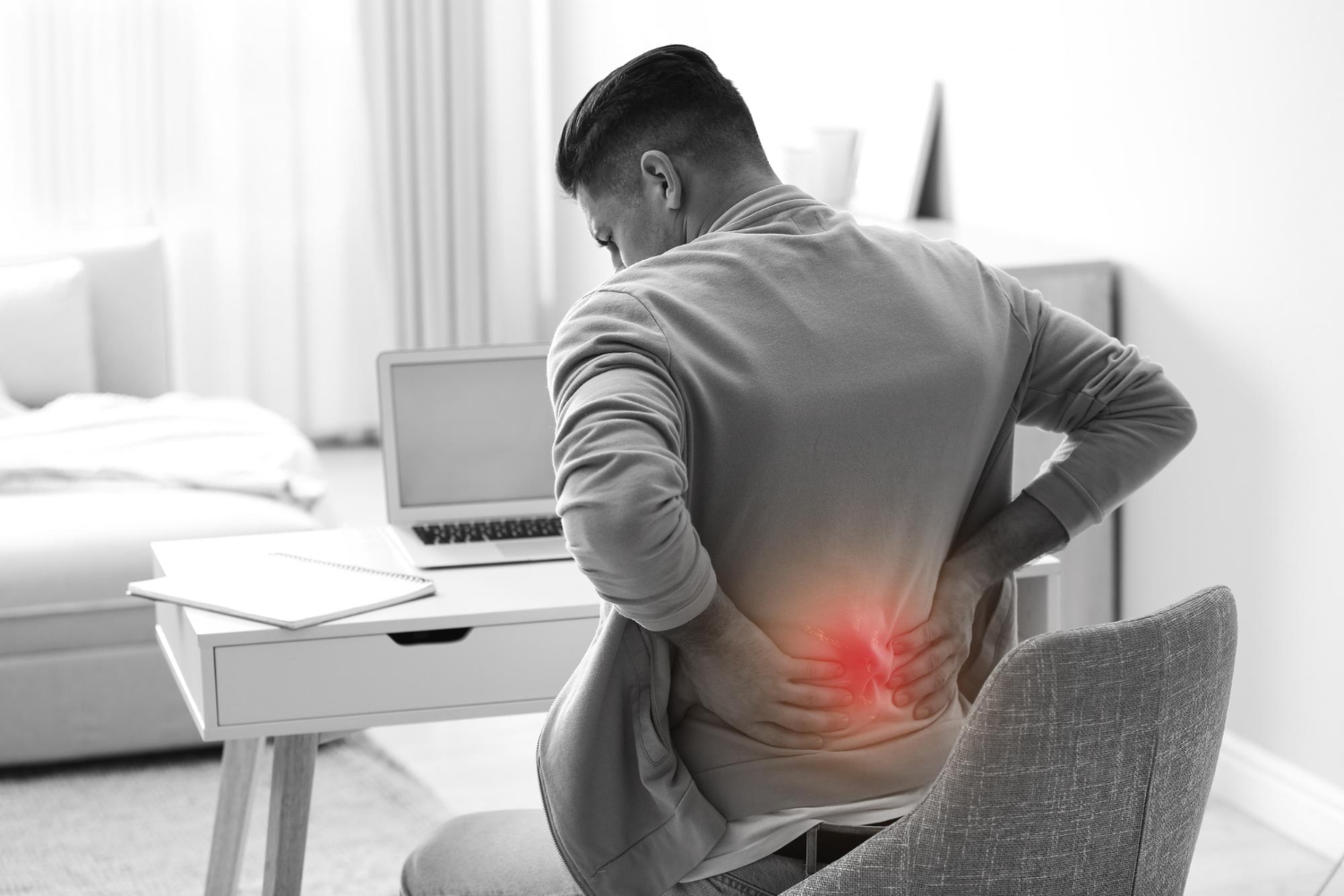
  • Neck and back discomfort.
  • Frozen shoulder.
  • Immobility of the joints.
  • Spasms in the muscles.

The basis for a quicker recovery is laid by manual therapy. It prepares your body for further treatments by calming your muscles.

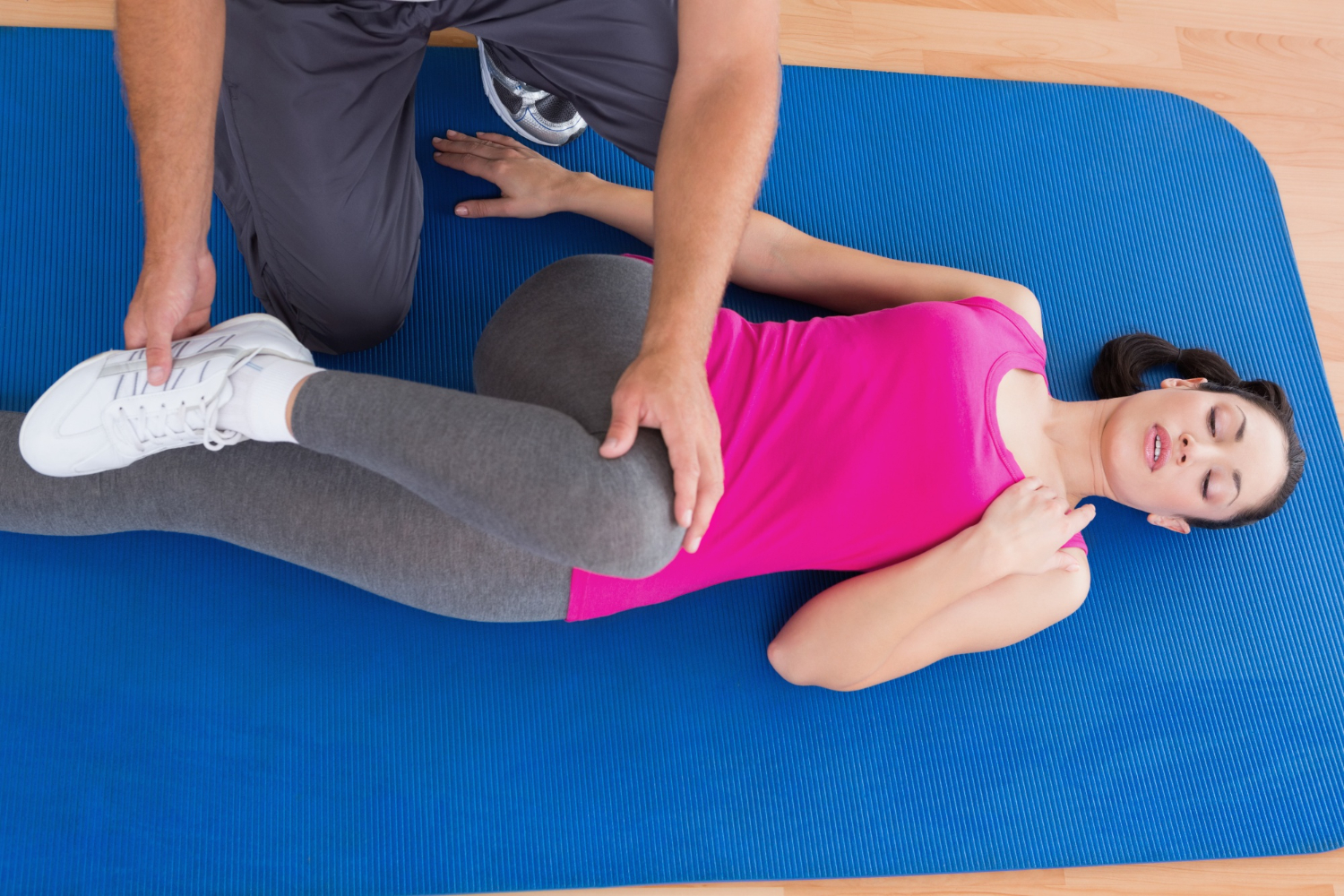
2. Exercise Therapy

The key to physiotherapy exercises is focused movement. To help you regain strength and mobility, your professional physiotherapy Dubai plan is customized by a skilled physiotherapist.

What it does:

  • Increases the strength of muscles
  • Increases adaptability
  • Adjusts posture
  • Avoids further injuries

When utilized:

  • Arthritis and knee discomfort
  • Recovery following a fracture
  • Following ligament replacements
  • Sciatica or a slipped disc

3. Electrotherapy

Electrotherapy stimulates muscles and nerves using tiny electrical currents, and is frequently used in neurological physiotherapy Dubai for nerve-related issues. It is frequently used to treat both acute and chronic pain and is painless.

Typical kinds:

  • Transdermal Electrical Nerve Stimulation, or TENS
  • Ultrasound treatment
  • IFT, or interferential therapy

What it does:

  • Reduces inflammation
  • Increases the flow of blood
  • Relieves pain instantaneously
  • Speeds up muscle healing

When utilized:

  • Lower back ache
  • Pain following surgery
  • Sports-related injuries
  • Neurological conditions

Electrotherapy is notably effective for individuals seeking assistance under the guidance of a licensed physiotherapist Dubai.

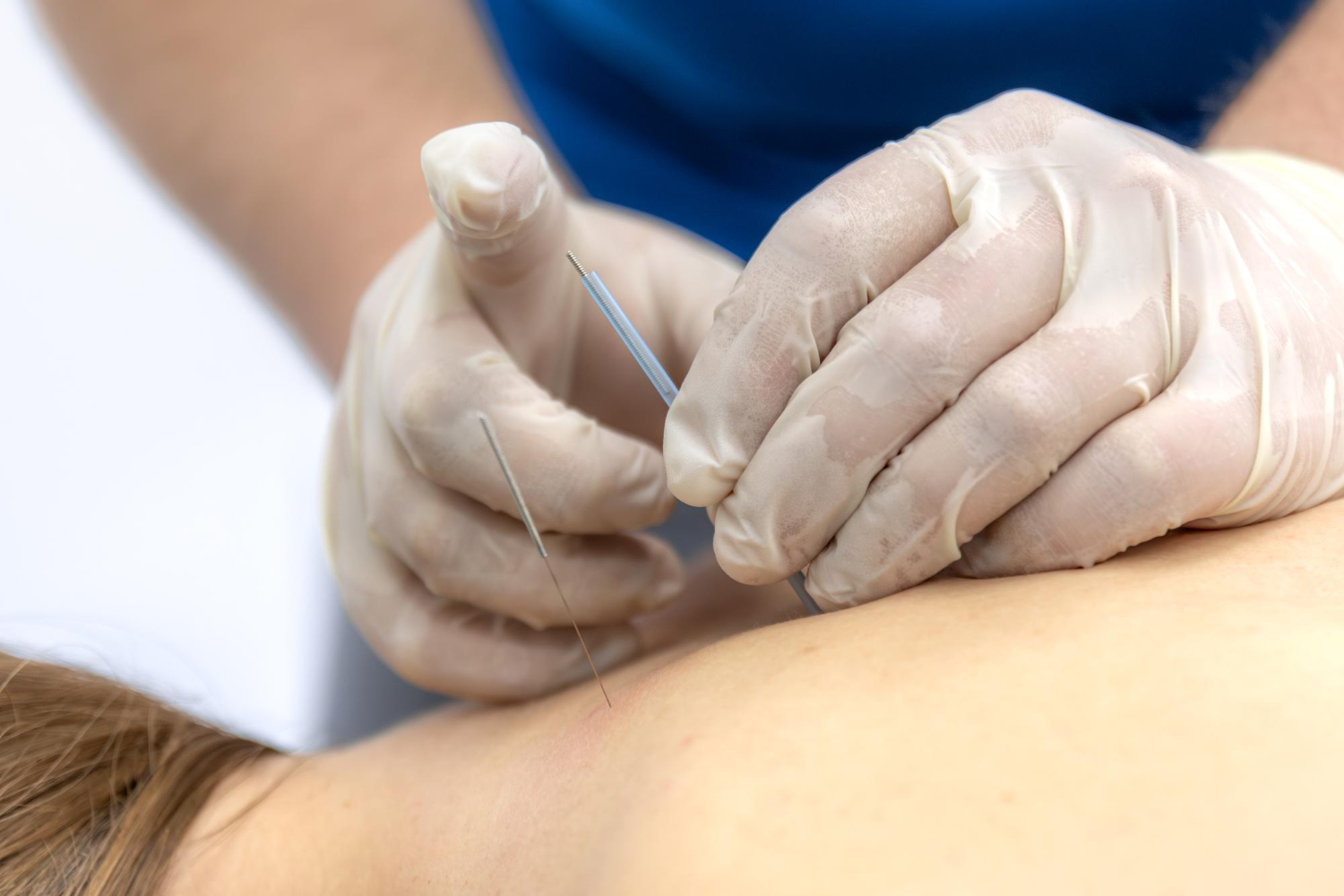
4. Dry Needling

If you have been battling with stubborn muscular stiffness, dry needling could be the answer. It includes putting small needles into trigger points (knots) to ease stress and discomfort.

What it does:

  • Let go of tense muscles
  • Increases the range of motion
  • Relieves strain on the nerves
  • Enhances blood flow

When utilized:

  • Neck discomfort
  • Tennis elbow
  • Stiffness in the hamstrings
  • Pain associated with trigger points

It is frequently mistaken for acupuncture, but dry needling performed at a physiotherapy clinic Dubai is grounded in contemporary musculoskeletal research and concentrates on restoring function and relieving discomfort.

5. Cupping Therapy

Because of its remarkable ability to relieve pain and relax muscles, cupping treatment is an ancient method that has found its way into contemporary physiotherapy. It entails applying specialized cups to the skin to produce suction, which raises the tissues and enhances blood flow.

Advantages:

  • Lessens stress in deep muscles
  • Encourages detoxification
  • Increases mobility
  • Speeds up the healing of muscles

Frequently employed for:

  • Shoulder and back discomfort
  • Stiffness in the muscles
  • Sports-related injuries
  • Inadequate blood flow

Patients with tense, overworked muscles benefit most from cupping. It provides long-term relief but causes temporary scars.

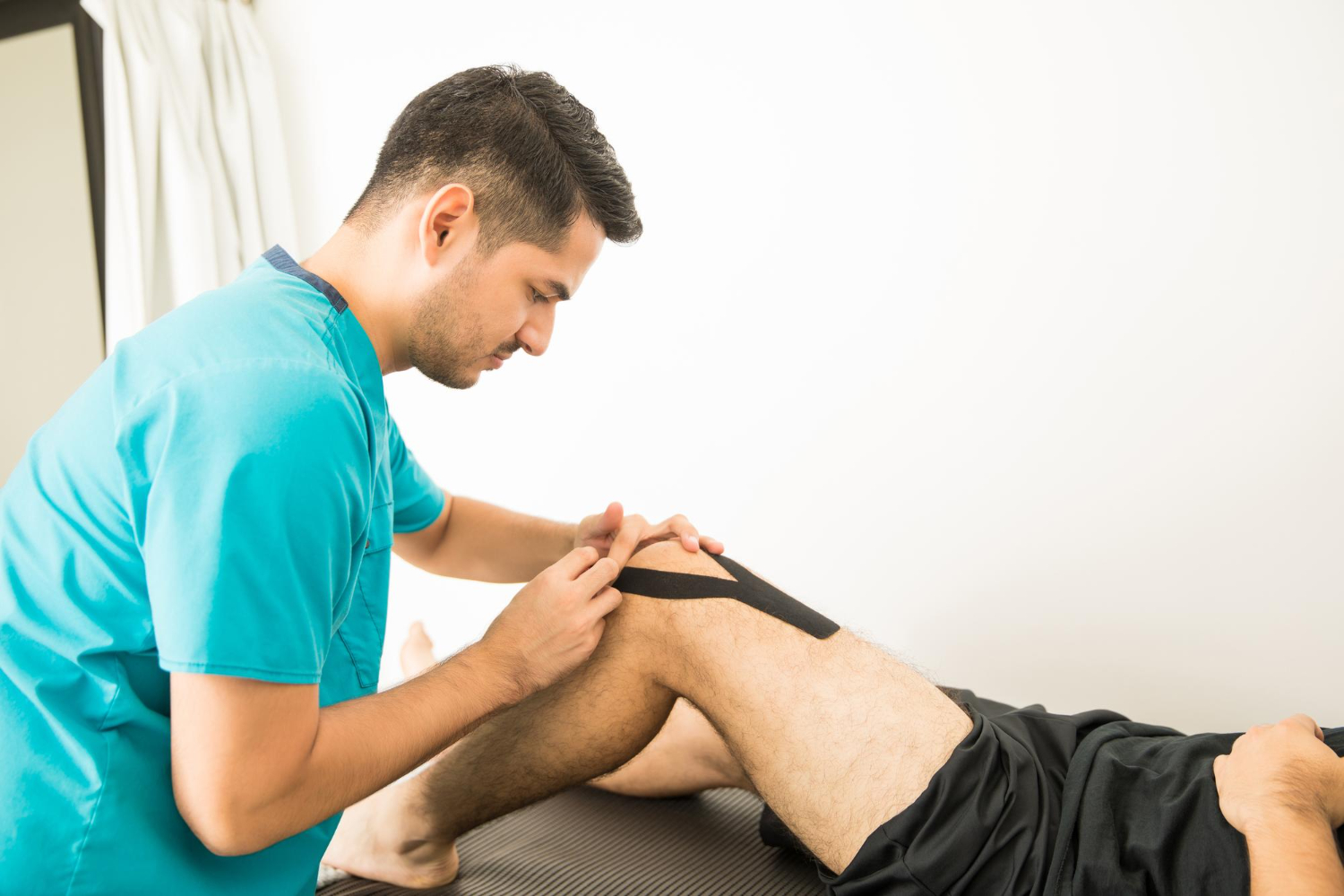
6. Taping Techniques

Taping for physiotherapy supports your joints and muscles without limiting your range of motion. It is frequently utilized in sports rehabilitation, making it a valuable technique in sports physiotherapy Dubai, but it is also effective for anybody who requires more assistance while recovering.

What it does:

  • Lessens swelling
  • Supports muscles that are damaged.
  • Avoids re-injury
  • Encourages appropriate mobility

When utilized:

  • Sprains of the ankle
  • Unstable shoulders
  • Problems with knee tracking
  • Following ligament damage

Depending on your condition, there are two types of taping: stiff taping and kinesio taping. It works well and is safe; for optimal effects, it is frequently used in conjunction with manual treatment or exercise.

When To Visit A Physiotherapist?

You don’t have to wait for serious injuries or excruciating suffering. Get help from a physiotherapist if:

  • After a few days, your musculoskeletal discomfort does not go away.
  • You experience muscular or joint weakness or stiffness.
  • You underwent surgery not long ago.
  • You can’t move as you used to.
  • You sustained an injury in sports.
  • You get neck or back pain after sitting for extended periods of time.

Conclusion:

Without surgery or long-term medication, post-surgery physiotherapy Dubai offers a potent, all-natural method of regaining strength, lowering discomfort, and regaining mobility. These physiotherapy treatments can significantly impact your healing process, regardless of whether you are recuperating from an injury, managing a chronic disease, or simply want to move and feel better. Are you prepared to move painlessly and feel better with the best physiotherapist Dubai at Vitruvian – Italian Physiotherapy Center? Make an appointment for physiotherapy with Vitruvian – Italian Physiotherapy Center’s top physiotherapist in your area. To guarantee a quick, secure, and successful recovery, our team of skilled physiotherapists uses the most recent methods and individualized care programs.

FAQs

Neurological, cardiovascular, and musculoskeletal physiotherapy are the three primary categories.

Without requiring surgery, it reduces pain, increases range of motion, fortifies muscles, and expedites healing.

Your condition will determine what kind of physiotherapy treatment is appropriate for you.

  • Pain control
  • Restoration of mobility
  • Preventing injuries
  • Rehabilitation after surgery
  • Management of chronic conditions
  • Increasing flexibility and strength
  • Improving the general standard of living

Physiotherapy is frequently used to treat musculoskeletal conditions such as postural difficulties, sports injuries, joint problems, neck stiffness, and back discomfort. Enhancing strength, mobility, and general physical function, it also aids in the healing process following surgery or accidents.

Through age-appropriate exercises, physiotherapy helps kids develop better posture, balance, coordination, and movement patterns. Pediatric physiotherapy Dubai emphasizes gentle, guided techniques that promote healthy growth, treat movement issues early, and assist kids in carrying out daily tasks more comfortably and confidently.

Yes, individuals of all ages, from young toddlers to senior citizens, can benefit from physiotherapy. To guarantee safety and efficacy, treatment programs are customized based on age, physical condition, lifestyle, and particular medical requirements.

The condition being treated, its severity, and each patient's rate of recovery determine how many sessions are needed. A longer treatment plan can be necessary for chronic or post-surgical situations; some people see relief in as little as a few sessions.

When physiotherapy improves mobility, lowers discomfort, and avoids long-term consequences, it might be a financially sensible option. Patients can receive consistent, expert care and individualized treatment regimens without putting too much financial strain on themselves by selecting an affordable physiotherapist Dubai.

What is Ultrasound Physiotherapy Treatment?

High-frequency sound waves are used in ultrasound treatment Dubai, a reliable physical therapy technique, to relieve musculoskeletal pain and encourage tissue recovery. This therapy, which is frequently administered with conductive gel and a portable probe, provides deep heat to soft tissues, including ligaments, tendons, and muscles, without causing pain. It is frequently advised for managing chronic pain and recovering from injuries.

A qualified therapist uses therapeutic ultrasound Dubai to target inflammation, scar tissue, or limited mobility by varying the sound waves’ intensity based on your condition. The treatment improves tissue suppleness, decreases edema, and promotes circulation. Therapeutic ultrasound helps you heal faster and better during the three main stages of healing: inflammation, repair, and regeneration, especially for tissues that are hurt or healing slowly.

How Does Ultrasound Physical Therapy Work?

Ultrasound Therapy Dubai employs sound wave technology directed into soft tissues to facilitate healing, alleviate discomfort, and enhance mobility. A qualified physiotherapist usually uses specialized equipment to guide the painless procedure.

Important phases in the process:

  • To provide the therapy, a metallic ultrasonic probe is utilized.
  • To assist sound waves in entering the tissues uniformly, conductive gel is placed on the skin or the probe’s head.
  • For five to ten minutes, the probe is moved over the afflicted region in tiny circular motions.
  • The therapist changes the frequency and strength of the sound waves based on the therapeutic objective, such as lowering edema, dissolving scar tissue, or improving circulation.
  • It’s common for patients to experience some warmth or pulsating feeling when receiving ultrasound therapy.
  • Deeply heating tendons, muscles, and ligaments increases tissue flexibility and accelerates the healing process.
  • This results in improved pain alleviation, increased flexibility, and functional recovery.

Ultrasound therapy for muscle pain Dubai facilitates enhanced tissue flexibility and promotes faster recovery in tendons, ligaments, and muscles.

Conditions Treated with Ultrasound Therapy in Physiotherapy

Deep tissue ultrasound therapy Dubai is beneficial for both acute injuries and long-term musculoskeletal conditions, as it enhances circulation, tissue extensibility, and natural healing. Both recent injuries and chronic musculoskeletal disorders respond well to this therapy.

Typical ailments that are addressed include:

  • Chronic pain syndromes: Aids in the reduction of pain and inflammation in long-term ailments such as myofascial and lower back pain.
  • Knee osteoarthritis (OA): Particularly in its early stages, it softens scar tissue, increases joint mobility, and lessens stiffness.
  • Frozen shoulder: Increases shoulder capsule flexibility and eases tension, preparing tissues for stretching activities.
  • Tendonitis and ligament injuries: Encourages the healing of strained or overworked tendons and ligaments.
  • Post-surgical stiffness: Following orthopedic procedures, aids in range of motion restoration and expedites healing.
  • Healing from fractures: For slow-healing or non-union fractures, Low-Intensity Pulsed Ultrasound (LIPUS) may be advised to promote healing.
  • Soft tissue injuries: Improves function and speeds up recovery by increasing blood flow to damaged muscles.

The treatment parameters that are employed determine the therapeutic benefits of ultrasound, which works best when directed by a physiotherapist who has received specialized ultrasound therapy training.

Benefits of Ultrasound Therapy

There are several advantages to ultrasound treatment for both physical healing and pain management. Patients can benefit from the best ultrasound therapy in Dubai when treatment is administered by qualified physiotherapists in accordance with established clinical protocols.

Key benefits include:

  • Deep tissue healing: Sound waves improve healing by promoting cellular tissue repair.
  • Improved circulation: Better circulation speeds up the recovery of muscles and joints by increasing blood flow to affected regions.
  • Decreased inflammation: Good for controlling persistent inflammation in joints and soft tissues.
  • Pain relief: Ultrasound is frequently used to relieve pain, especially that which results from sports injuries and surgeries.
  • Increased flexibility: Increases range of motion by releasing tight muscles and scar tissue.
  • Breakdown of scar tissue: Aids in reducing adhesions, particularly during the healing process following surgery or an injury.
  • Non-invasive and safe: In general, ultrasound therapy is well-tolerated and causes little pain.

Ultrasound therapy for back pain Dubai works especially well for treating postural or chronic pain.

Risks of Ultrasound Therapy

Ultrasound treatment is usually non-invasive and safe when used properly by a qualified physiotherapist. But like with any therapeutic technique, there are some dangers and adverse effects that might happen, especially if the therapy is performed incorrectly or if there is skin sensitivity.

The following are potential hazards during ultrasound therapy:

  • Skin irritation or redness: The application site may experience mild redness or pain, which often goes away on its own.
  • Localized tissue overheating: Excess heat may accumulate in soft tissues, particularly in regions with poor circulation, if the probe is not moved steadily.
  • Tingling or discomfort: During ultrasound therapy, some people may experience a brief pulsating or tingling feeling.
  • Ineffectiveness of treatment: The therapeutic effects of focused ultrasound therapy may be diminished by incorrect settings or application.
  • Overuse of delicate areas: Although uncommon, frequent use on tendons or joints without expert supervision may result in brief pain.
  • Misapplication over weakened skin: Applying ultrasound therapy to rashes, bruises, or freshly treated skin can exacerbate irritation or slow the healing process.

A licensed physiotherapist who is knowledgeable about proper dosage, technique, and patient monitoring must do ultrasound therapy in order to prevent any risks.

How to Prepare for Ultrasound Therapy

Although getting ready for ultrasound therapy is easy, there are a few things you can do to make sure it’s safe and successful. Before the appointment, you will get guidance from a certified physiotherapist.

Advice for preparation:

  • For easy access to the treatment region, dress comfortably and loosely.
  • Before your session, refrain from putting lotions or creams on the targeted region.
  • Tell your therapist about any sensitive skin issues, pregnancy, or medical implants.
  • Before the session, drink plenty of water, especially if you’re working on big muscles.
  • To establish therapy objectives and expectations with your therapist, arrive a few minutes early.

Your ultrasonic treatment will go more smoothly and effectively if you prepare properly.

What to Expect During Ultrasound Physiotherapy

Your physiotherapist will utilize cutting-edge technology to provide focused sound waves to wounded tissues during ultrasound therapy in order to promote healing and alleviation.

This is what usually occurs:

  • Applying conductive gel to the skin or probe aids in the uniform penetration of sound waves.
  • For five to ten minutes, the probe is slowly moved in circular movements over the afflicted region.
  • Depending on the settings and intensity, you can experience a slight pulse or warmth.
  • Depending on your particular situation, the therapist may modify the frequency and depth of the waves.
  • Most treatments are noninvasive, painless, and don’t require recovery time.

There are two main ways that ultrasonography is used in physical therapy:

  • Deep heating: Improves flexibility, lowers discomfort, and increases blood flow.
  • Cavitation: Promotes healing by stimulating cellular activity through the vibrating of microbubbles.

Because of this mix of methods, therapeutic ultrasound applications in clinical rehabilitation programs are quite successful.

What to Expect After Ultrasound Therapy

After ultrasound therapy, the majority of patients report feeling more at ease and experiencing less discomfort. Responses after the session, however, can differ somewhat.

Possible after effects include:

  • There may be slight warmth or redness at the site, but this usually subsides quickly.
  • Decreased stiffness and increased flexibility, particularly in joints or muscles that have received treatment.
  • There is no downtime; unless paired with additional treatments, you can return to your regular activities.
  • To improve outcomes, your physiotherapist could suggest drinking or mild stretching.
  • Ultrasound therapy for pain in chronic illnesses may need to be administered regularly.

Physiotherapy ultrasound Dubai uses cavitation and deep heating to support tissue repair, improve blood flow, and enhance flexibility.

Who Should Avoid Ultrasound Therapy (Contraindications)

Although ultrasound therapy is generally regarded as safe and efficient, it should be carefully avoided for several medical disorders. These contraindications guard against negative consequences and guarantee patient safety.

The following people shouldn’t get ultrasound therapy:

  • Individuals who have cardiac implants or pacemakers, as ultrasound can interfere with electrical impulses and cause problems for the heart.
  • Because of the unknown effects on fetal development, pregnant women should avoid applying it to the lower back, pelvis, or abdomen.
  • Patients with malignant tumors or active cancer should avoid ultrasound, as it may accelerate metastasis by enhancing cellular activity.
  • Metal implants have the potential to overheat and harm surrounding tissues in people who have recently had joint replacements.
  • Ultrasound may exacerbate open wounds or unhealed fractures in people, delaying their healing.
  • People who have sensitivity to the eyes or reproductive organs: ultrasound should not be used near the eyes, testes, or ovaries.

To guarantee safe and appropriate care, a qualified physiotherapist will always review your medical history before incorporating ultrasound therapy into physiotherapy plans.

How Long Does Ultrasound Therapy Take to Show Results?

The kind and severity of the ailment being treated, together with the frequency of sessions, determine how successful ultrasound therapy is. After only one or two sessions, some patients report a little reduction in pain or stiffness, while others might require several sessions to see a discernible difference.

Average turnaround times:

  • Acute injuries (such as sprains or minor inflammation): This may begin to recover after one to three sessions.
  • Joint disorders or persistent pain: Usually, improvement happens after four to six regular sessions.
  • Recuperation following surgery or scar tissue: Longer therapy regimens spanning several weeks can be necessary.
  • Ultrasound treatment for osteoarthritis or tendonitis pain: Frequently yields progressive improvements when used in conjunction with manual therapy and exercise.

Ultrasound’s therapeutic benefits develop gradually; persistence is essential. Depending on how your body reacts, your physiotherapist will track your progress and modify the frequency of treatments.

Choosing the Right Physiotherapy Provider for Ultrasound Treatment

Selecting a certified ultrasound physiotherapy clinic Dubai guarantees that care will be given precisely, safely, and as part of a planned rehabilitation program. In addition to effectively administering the therapy, a skilled physiotherapist will incorporate it into a more comprehensive treatment plan that can also involve manual therapy, stretching, and rehabilitation exercises.

What to look for is as follows:

  • Clinical proficiency in the use of ultrasonography in evidence-based physical therapy
  • Personalized therapy planning that takes into account your particular mobility objectives and pain points
  • Clearly communicating your situation, anticipated results, and self-management techniques
  • Holistic approach, making sure ultrasound treatment is utilized as a component of a comprehensive rehabilitation program rather than in isolation
  • Continuous monitoring of your development to make sure the treatment is indeed helping you

Trust the Vitruvian-Italian Physiotherapy Center for Safe, Effective Ultrasound Therapy

Experience counts when it comes to a successful recovery. At the Vitruvian-Italian Physiotherapy Center, we provide ultrasound therapy with accuracy, security, and a customized approach. Our physiotherapists are available to help you every step of the way with trustworthy treatment, whether you’re looking for relief from chronic pain, injury recovery, or post-surgical rehabilitation.

You receive individualized care at the Vitruvian-Italian Physiotherapy Center in Dubai that is catered to your particular demands, guaranteeing successful outcomes and comfort during your recuperation process.

Don’t put off beginning your rehabilitation! Contact the Vitruvian-Italian Physiotherapy Center for further information!

FAQs

Your condition will determine how many sessions you need. While chronic pain or post-surgical healing may take 6–10 sessions to show effects, acute injuries may heal in 2–3 sessions.

Indeed, in order to enhance healing results and long-term mobility, ultrasound therapy in physiotherapy is frequently coupled with exercises, manual therapy, or rehabilitation regimens.

Treatment using ultrasound is thought to be quite safe. Temporary redness or warmth at the treated region is an example of a minor side effect. When treatment is properly delivered, serious problems are uncommon.

To encourage tissue repair and lessen discomfort, Dubai physiotherapy clinics employ ultrasound therapy, a non-invasive therapeutic approach. It makes use of high-frequency sound waves that gently vibrate soft tissues, muscles, and tendons to promote blood flow and cellular healing.

Ultrasound therapy for injury recovery Dubai promotes tissue repair, lowers inflammation, and increases blood circulation to aid with recovery. In professional physiotherapy care, it is frequently utilized for post-injury stiffness, ligament injuries, and muscular strains.

Yes, ultrasound therapy is regarded as safe and well-tolerated when administered by a licensed physiotherapist in Dubai. Clinical safety and comfort are maintained during every session by modifying treatment protocols according to individual conditions.

By raising tissue temperature deeply, ultrasound treatment promotes healing by enhancing suppleness, alleviating muscular tension, and quickening the healing process. As a result, patients in Dubai can move about again and perform better.

Ultrasound physiotherapy treatment in Dubai can help those with soft tissue injuries, tight muscles, decreased joint mobility, and persistent discomfort. Both those who lead sedentary lifestyles and those who are active can benefit from it.

Comprehensive Guide to Physiotherapy for Pelvic Floor Health

The diagnosis, treatment, and prevention of movement disorders are the main goals of the medical field of physiotherapy. In pelvic floor rehabilitation Dubai, physiotherapy plays a vital role in healthcare, helping countless people regain function and improve their quality of life, whether they are recovering from an injury, managing a chronic illness, or developing their physical capabilities.

Sometimes, discussions about health overlook the pelvic floor, despite its crucial role in our body’s structure. It supports important organs like the uterus, bladder, and colon by acting as a sling of muscles. Maintaining the strength and functionality of this area is crucial for overall health and wellness, as well as for preventing pain and discomfort. Pelvic Health Physiotherapy Dubai enables patients to enhance their general core strength, bowel and urine control, and sexual function.

However, several health problems can result from weakening or damage to this muscular structure, caused by factors such as age, childbirth, surgery, or specific medical conditions. Pelvic floor physiotherapy Dubai helps in this situation by providing methods and therapies created especially for pelvic floor rehabilitation. This guide will cover pelvic floor physiotherapy, including its significance, techniques, advantages, and much more.

Understanding the Pelvic Floor

One amazing but sometimes disregarded part of our anatomy is the pelvic floor. Understanding it is essential for anyone hoping to use Pelvic floor therapy Dubai to preserve or regain their health. Let’s examine its complexities.

Anatomy and Functions

Stretching like a hammock from the tailbone to the pubic bone, the pelvic floor is a layered collection of muscles and connective tissues. The bladder, rectum, and, in women, the uterus are among the vital organs it cradles and supports. It performs active functions in addition to being a passive support structure:

  • Support: It keeps the pelvic organs in place by serving as a foundation.
  • Sphincteric Control: By appropriately contracting and relaxing, these muscles control bowel and urine movements.
  • Sexual Function: They support both sexual function and sensation.
  • Stability: They support the pelvic area and spine by cooperating with deep core muscles.

Common Conditions of the Pelvic Floor

When these muscles are either too weak or too tense, pelvic floor disorders may result, frequently necessitating Pelvic Floor Dysfunction Treatment Dubai for a healthy recuperation. Among the common conditions are:

  • Pelvic organ prolapse: It is the descent and protrusion of pelvic organs into the vaginal canal due to weakening of the pelvic muscles.
  • Urinary and Fecal Incontinence: Unintentional urine or stool leakage can result from a lack of strength or coordination.
  • Pelvic Pain Syndromes: Dyspareunia (painful intercourse) or chronic pelvic pain can be caused by overly tense pelvic muscles.

Factors Contributing to Pelvic Floor Weakness

The pelvic floor’s strength and functionality may be compromised by a number of factors, and timely Pelvic floor treatment Dubai can help avoid long-term issues.

  • Childbirth: Muscle strains and injuries can occur during vaginal deliveries.
  • Age: Natural aging can lead to a decrease in muscle tone.
  • Surgery: Operations like hysterectomies may weaken the supporting structures.
  • Chronic Straining: The body may experience undue strain due to prolonged constipation or heavy lifting.
  • Other Medical Conditions: Over time, the pelvic floor may be stressed and weakened by conditions like obesity or a persistent cough.

The first step to proactive care and well-informed treatment decisions is acknowledging the significance and vulnerabilities of the pelvic floor.

Role of Physiotherapy in Pelvic Floor Health

The dynamic field of physiotherapy uses methods to treat a wide range of physical conditions. Working with a licensed Pelvic Physiotherapist Dubai allows you to maintain the resilience and functionality of this essential muscular structure.

Preventive Measures

Physiotherapy can serve as a preventive measure before issues arise. Preventive physical therapy, particularly for those who are susceptible to pelvic floor dysfunctions (such as expectant mothers or those with a family history of the condition), can:

  • Educate: Provide information on safe exercises, appropriate posture, and best practices.
  • Strengthen: Offer exercises designed to increase the strength of the pelvic floor muscles.
  • Flexibility: Methods that preserve or enhance the pelvic muscles’ elasticity to guarantee ideal performance.

Treatment for Existing Disorders

People suffering from pelvic floor problems, such as incontinence, can greatly benefit from specialized pelvic floor therapy for incontinence Dubai, which helps them regain bladder and bowel control safely and efficiently.

  • Targeted Exercises: Physiotherapists create exercises that target particular pelvic floor muscles or groups based on individual assessments.
  • Relaxation Techniques: Relaxation techniques help reduce pain and discomfort when the issue is caused by overly tense muscles.
  • Functional Retraining: Retraining the pelvic muscles to ensure that they contract, relax, and provide support when necessary is known as functional retraining.

Postpartum Recovery

Women recuperating from childbirth can benefit from postpartum pelvic floor therapy Dubai, which is intended to alleviate incontinence, strengthen pelvic muscles, and promote a faster, safer recovery. Physiotherapy offers:

  • Rehabilitative exercises: They are tailored regimens that enhance muscle tone, strength, and healing after childbirth.
  • Education: Advice on lifting methods, safe postpartum activities, and general care to avoid aggravating any pelvic problems.
  • Biofeedback: A method in which patients receive real-time feedback regarding their pelvic muscle activity through electronic monitoring. It helps guarantee that exercises are performed correctly.

Physiotherapy plays a variety of roles in pelvic floor health. Physiotherapy continues to be a vital component in the pursuit of optimal pelvic health, whether it is through the prevention of pelvic muscle weakness, the rehabilitation of pelvic muscles following an injury or life event such as childbirth, or the simple education of individuals on best practices.

Techniques and Modalities

Physiotherapists use a variety of methods and approaches to treat the pelvic floor’s various needs. Best Pelvic Floor Physiotherapy in Dubai is built on these research-backed methods, which guarantee successful and safe results.

Kegel Exercises

Kegel exercises are the cornerstone of many treatment regimens and are among the most popular ways to strengthen the pelvic floor.

  • Proper Technique: The contraction and relaxation of the pelvic floor muscles is the fundamental component of a Kegel exercise. It’s similar to stopping and then releasing urine in the middle of a stream. For the exercise to be effective, proper form is essential.
  • Common Errors: People frequently use the incorrect muscles, such as the thighs or buttocks. Holding one’s breath during the contraction is another common mistake. A physiotherapist can provide advice on how to stay clear of these dangers.

Biofeedback Therapy

The diagnostic and therapeutic tool known as biofeedback provides real-time insights.

  • Visualization: Patients can see their pelvic floor muscle activity on a screen by using sensors.
  • Training: People can learn to modify their muscle activity voluntarily to ensure appropriate contraction and relaxation.

Electrical Stimulation

Electrical stimulation can be a game-changer for people who have trouble recognizing or using their pelvic floor muscles.

  • Muscle Activation: To activate the pelvic muscles, a mild electrical current is administered through an intrarectal or intravaginal probe.
  • Therapeutic Benefits: It can reduce pain and urgency in addition to assisting people in identifying the sensation of muscle contraction.

Manual Therapy

Manual therapy uses a tactile approach to address a variety of pelvic floor problems.

  • Myofascial Release: This method helps with relaxation and pain relief by releasing tension in the connective tissues that surround the pelvic muscles.
  • Trigger Point Therapy: Pain may originate from particular, tense points in the pelvic muscles. By directly pressing on these points, physiotherapists can encourage relief and relaxation.

The needs of the patient, the type of pelvic floor dysfunction, and the professional evaluation of a qualified physiotherapist all play a role in choosing the best technique, or combination of techniques. Based on evidence-based practice, these modalities offer a way to enhance pelvic floor health, functionality, and general well-being.

The Process of Physiotherapy

Some people may find it intimidating to start a physiotherapy journey, particularly for pelvic floor health. Nonetheless, comprehending the methodical procedure can demystify the encounter, offering assurance and clarity.

Initial Assessment

This is where the journey starts. To comprehend the person’s needs and concerns, the physiotherapist performs a thorough evaluation.

  • Discussion: The foundation is laid by talking about symptoms, medical history, lifestyle, and particular difficulties.
  • Physical Examination: To assess muscle tone, strength, and possible abnormalities, the pelvic region may be visually and tactilely examined. You can be sure that the highest level of comfort and privacy is guaranteed.

Personalized Treatment Plan

The physical therapist creates a customized program based on the results.

  • Goal setting: It is the process of defining specific, attainable objectives, such as reducing pain, building muscle, or enhancing functional abilities.
  • Technique selection: It refers to the process of choosing the appropriate combination of exercises, modalities, and interventions to address each person’s particular concerns.
  • Home Care Instructions: Giving instructions for exercises or practices that can be completed on one’s own to maximize the advantages of therapy sessions.

Regular Follow-ups

In physiotherapy, consistency is essential. Frequent sessions guarantee that the treatment stays on course and can be modified in response to advancements.

  • Monitoring progress: It involves reevaluating overall functionality, pain thresholds, and muscle strength.
  • Modifications: To ensure the best possible results, the treatment plan may be adjusted in response to changing needs and advancements.
  • Feedback Loop: The patient and the physiotherapist have an ongoing conversation to make sure issues are resolved and successes, no matter how minor, are acknowledged.

Physiotherapy for pelvic floor health is a team effort. While the individual provides dedication, feedback, and active participation, the physiotherapist brings knowledge, resources, and methods to the table. When combined, these benefits lead to better pelvic health, a higher standard of living, and a greater awareness of one’s own body.

Benefits of Pelvic Floor Physiotherapy

Despite being specialized, pelvic floor physical therapy has advantages that go well beyond the area of focus. Women’s pelvic floor rehab Dubai promotes emotional health, continence, pain management, and strength restoration at all stages of life.

Enhanced Muscle Function

Physiotherapy’s primary goal is to increase the pelvic muscles’ capacity:

  • Strength: By strengthening the pelvic floor, targeted exercises can help prevent prolapse and incontinence.
  • Coordination: Especially when lifting or sneezing, physiotherapy helps to fine-tune muscle response, guaranteeing prompt contractions and relaxations.

Improved Quality of Life

Daily comfort is greatly enhanced by a functional pelvic floor:

  • Continence: Confidence in social and professional contexts can be restored by minimizing or getting rid of unintentional leaks.
  • Sexual Satisfaction: A more satisfying sexual experience may result from improved muscle control and decreased pain.

Reduced Pain and Discomfort

Periodic or chronic pelvic pain can be incapacitating. Physiotherapy provides:

  • Relief: By releasing tension, methods like myofascial release can lessen discomfort.
  • Sustainable Solutions: Physiotherapy offers long-term solutions as opposed to short-term respite by addressing the underlying causes.

Postpartum Recovery

The integrity of the pelvic floor may be compromised during childbirth, but physiotherapy can hasten recovery:

  • Rehabilitation: After giving birth, customized exercises aid in healing and strength restoration.
  • Education: From safe lifting techniques to identifying possible pelvic problems, new mothers are prepared to handle postpartum challenges.

Psychological Well-being

Because pelvic floor problems are intimate, they frequently have an impact on mental health:

  • Empowerment: Regaining control over pelvic floor functions can help people feel more in control of their lives.
  • Decreased Anxiety: Stress and uncertainty related to pelvic disorders can be reduced by understanding that there is a route to improved health.

Physical therapy for the pelvic floor positively impacts various facets of life. The benefits of this specialized care are significant and all-encompassing, whether they are intangible, like restored confidence, or tangible, like muscle strength.

Home Care and Maintenance

Actively maintaining pelvic floor health extends beyond the confines of the physiotherapist’s center. The improvements made during therapy can be maintained, and long-term pelvic well-being can be promoted by implementing regular home maintenance and care routines.

Daily Exercise Routine

The secret is to be consistent. The pelvic muscles are strengthened by performing daily exercises.

  • Scheduled Kegels: Establishing dedicated periods of time for Kegel exercises throughout the day can help establish a consistent routine.
  • Functional Integration: It is easier to maintain consistency when pelvic floor exercises are incorporated into regular activities, like taking showers or watching TV.

Using Props and Tools

Effectiveness can be increased at home with the use of a variety of tools.

  • Resistance Equipment: For more complex training, equipment such as pelvic floor weights or cones can offer more resistance.
  • Biofeedback devices: To guarantee proper muscle engagement during exercises, portable models can be utilized.

Staying Informed

A persistent desire to learn can lead to enormous success.

  • Updated Methods: New exercises and methods are developed as research advances. Maintaining current knowledge guarantees that the best practices are applied.
  • Educational Resources: Additional information and advice for at-home care can be found in books, reliable websites, and online workshops.

Mindful Lifestyle Choices

Pelvic floor wellness is significantly influenced by holistic health.

  • Posture: Maintaining proper posture can help avoid placing excessive strain on the pelvic area, particularly when sitting for extended periods of time.
  • Dietary Decisions: While avoiding excessive caffeine or spicy foods can reduce bladder irritants, a balanced diet supports overall muscle health.
  • Weight management: Maintaining a healthy weight lowers the strain on the muscles and structures of the pelvis.

Regular Check-ins with Professionals

Periodic professional consultations are invaluable, even when managing from home.

  • Progress Evaluation: Experts are able to evaluate the efficacy of at-home practices and recommend any necessary changes.
  • Maintaining Motivation: Frequent check-ins can act as a source of inspiration, preventing a gradual decline in at-home routines.

Maintaining pelvic floor health requires constant effort. People can take control of their pelvic well-being by incorporating daily routines, making wise decisions, and utilizing the resources that are available. Proactive home care combined with expert advice creates the foundation for long-term pelvic health and vitality.

Physiotherapy and Pelvic Health

Often overlooked in favor of other medical issues, pelvic floor health is a vital component of total well-being. However, its impact extends beyond psychological aspects like confidence and emotional balance to physical functions like preserving continence and sexual satisfaction.

Gaining an appreciation of the pelvic floor’s importance begins with comprehending its complex dynamics. It is made up of tissues, muscles, and ligaments that support important organs while also supporting a variety of body processes.

One effective method for promoting pelvic floor health is physiotherapy. Physiotherapists provide customized solutions for a range of issues by utilizing a variety of methods, from basic Kegel exercises to sophisticated modalities like biofeedback therapy. Physiotherapy follows a collaborative process, with an initial evaluation setting the stage for individualized treatment plans and frequent follow-ups to ensure long-term improvement.

In Dubai, there is a physiotherapy facility called Vitruvian-Italian Physiotherapy Centre. Pelvic floor physiotherapy is one of the many physiotherapy treatments in which we specialize. To find out more and to make an appointment, get in touch with us right now.

FAQs

Yes, cultural sensitivity and patient privacy are closely adhered to at Dubai clinics. Patients can choose between a male or female physiotherapist, and sessions are held in individual treatment rooms, guaranteeing privacy and comfort during the course of therapy.

Regaining muscular strength, improving bladder control, and lessening pelvic pain are all benefits of postnatal pelvic floor physiotherapy for new moms in Dubai. To promote long-term pelvic health, it is frequently advised to follow both a typical birth and a C-section.

Yes, Dubai offers completely customized pelvic floor physical treatment programs. Before creating a customized treatment plan that may include exercises, manual therapy, and breathing methods, therapists evaluate posture, muscular strength, and lifestyle variables.

Although full healing relies on the severity of the ailment and workout consistency, most patients in Dubai see improvement after a few sessions. Consistent follow-ups contribute to long-lasting and durable outcomes.

What is Manual Lymphatic Drainage and How Does It Work?

Lymphatic drainage Dubai is a gentle therapeutic approach that reduces swelling, promotes deep relaxation, and supports fluid drainage from the body. It is useful for recovery after surgery, managing lymphedema, and reducing fluid retention.

A mild, rhythmic massage method called manual lymphatic drainage (MLD) activates the lymphatic system.  This aids in the body’s elimination of liquids, waste, and proteins. In addition to lymphedema, manual lymphatic drainage (MLD) is frequently utilized for other types of swelling, postoperative fluid retention, and even facial procedures.

This blog explains what manual lymph drainage is, how it functions, and its advantages.

The function of a licensed physiotherapist in assisting with lymphatic drainage therapy is described in this blog.

What is Manual Lymph Drainage?

Manual lymphatic drainage Dubai is a specialized massage technique that promotes the lymphatic system’s normal functioning. This mechanism aids in the evacuation of fluids and waste. Manual lymphatic drainage (MLD) can assist in restoring equilibrium if this drainage is impeded, such as by venous edema, lymphedema, or fluid retention following surgery.

This lymphatic therapy Dubai is frequently used to treat

  • Lymphedema: Fluid retention following radiation or surgery, such as in breast cancer.
  • Retention of fluid following surgery: Lessens edema and encourages healing.
  • Venous edema: Swelling caused by poor venous circulation.
  • Facial lymphatic drainage: To ease facial edema and promote relaxation.
  • Stress and tension: Manual lymphatic drainage (MLD) boosts immunity and has a calming effect.

How does manual lymph drainage work, and how often do you need it?

During lymphatic drainage treatment Dubai, the physiotherapist applies light, rhythmic massage strokes to the skin. The lymphatic vessels are stimulated to empty fluid more rapidly as a result. The procedure is painless and frequently calming.

  • Step 1: Activate lymph nodes: To activate the lymph nodes, the physiotherapist begins with mild pressure movements.
  • Step 2: Rhythmic massage motions: The fluid is drained towards the lymph nodes by gentle, pumping movements.
  • Step 3: Stimulation of drainage: The therapy targets the face, arms, and legs, which are places where fluid builds up.

How often do you need manual lymphatic drainage?

This differs for each individual. Though temporary fluid retention usually goes away after a few sessions, weekly therapy may be necessary for persistent lymphedema. Your physiotherapist will offer tailored treatment recommendations.

Benefits of Manual Lymphatic Drainage

Post-surgery lymphatic drainage Dubai is frequently selected by patients to promote comfort, reduce swelling, and promote healing following medical or cosmetic procedures. The advantages in brief:

  • Decreases moisture retention: Manual lymphatic drainage (MLD) lessens edema by assisting in the drainage of collected fluid.
  • Promotes wound healing: Improved circulation leads to a quicker recovery following surgery.
  • Improves the immune system: Strengthens the body and boosts the immune system by encouraging the elimination of waste.
  • Reduces pain and stress: It eases muscular tension and encourages relaxation.
  • Encourages mobility: Greater mobility is guaranteed by less moisture retention.
  • Skin improvement: Manual lymphatic drainage (MLD) is occasionally used as a face treatment or to treat cellulite.

Lymphatic drainage physiotherapy: what can you expect?

Patients at the Vitruvian-Italian Physiotherapy Centre are treated by a certified lymphatic drainage therapist Dubai, who ensures safe and effective care. Here’s what to anticipate:

  • Personal intake interview: We evaluate your grievances and decide if manual lymphatic drainage (MLD) is appropriate.
  • Initial treatment: To encourage fluid drainage, the therapy begins with light massage methods.
  • Exercises and lifestyle guidance: You will learn how to support lymphatic circulation via exercises and advice.

Are you curious about the potential benefits of manual lymphatic drainage? Our skilled physiotherapists are prepared to assist you!

Schedule an appointment with Vitruvian-Italian Physiotherapy Center right now.

FAQs

Light, rhythmic motions are used in manual lymphatic drainage (MLD) to promote the passage of lymph fluid toward lymph nodes. Without exerting intense pressure, this procedure supports immunological function, lowers edema, and aids in the body's natural removal of toxins.

This treatment stimulates the lymphatic system and promotes the body's clearance of extra fluid by using soft, rhythmic hand motions. Lymphatic drainage massage Dubai is commonly used after medical or cosmetic procedures to reduce swelling, improve circulation, and promote relaxation.

Indeed, when carried out by qualified specialists, manual lymphatic drainage (MLD) is a non-invasive and painless procedure. It is a popular choice for mild body treatment because it works for most individuals and doesn't require harsh massage or equipment.

After only one session, many people report feeling lighter and less puffy overall. Regular sessions might yield longer-lasting effects, particularly for relaxation and lymphatic balance.

The Complete Guide to Dry Needling

Innovative methods to promote healing and alleviate pain are constantly being developed in the field of physical therapy. Dry needling Dubai is one such technique that is becoming more and more popular. This thorough blog covers the definition of dry needling, its many forms, its advantages, and how it can be used in physical therapy procedures.

What is Dry Needling Therapy?

For the purpose of improving physical function and lessening muscular discomfort, experienced specialists employ dry needling therapy Dubai. It entails putting tiny needles into particular trigger points in ligaments, muscles, tendons, or close to nerves. By encouraging blood flow and inducing the body’s natural healing reaction, dry needling aids in the release of stress and discomfort. It works especially well to improve range of motion, lower inflammation, and manage muscular soreness.

This method is frequently provided at a Dry needling physiotherapy clinic Dubai, where safety and efficacy are guaranteed by evidence-based standards.

Dry Needling vs. Acupuncture

Although needles are used in both Dry needling vs acupuncture Dubai, the main distinction between the two practices is found in their underlying theories and uses:

  • Dry Needling

Myofascial trigger points are the focus of dry needling, which reduces muscle dysfunction and discomfort.

  • Acupuncture

To promote balance, relaxation, and general physical well-being, acupuncture uses tiny needles to stimulate particular points in the body.

The particular ailment and the intended course of therapy will determine whether dry needling or acupuncture is best. While acupuncture may be selected for overall well-being and energy balance, dry needling is recommended for the treatment of musculoskeletal discomfort.

Types of Dry Needling

There are several varieties of dry needling, each with specific uses in physical therapy:

Trigger Point

Trigger point dry needling Dubai focuses on inflamed muscle regions linked to palpable knots.

How It Works

Focuses on skeletal muscle hyperirritated areas linked to palpable nodules or “knots.”

When You’d Need it

Efficient in relieving localized discomfort, knots, and tense muscles.

Electrical Stimulation

How It Works: 

To improve therapy efficacy, electrical stimulation is combined with dry needling.

When You’d Need It 

In rehabilitation settings, it’s used to enhance muscular function and treat chronic pain issues.

Benefits of Dry Needling

When performed by a Certified Dry Needling Physiotherapist Dubai, dry needling has a number of advantages while guaranteeing accuracy and security.

1. Reduces Pain

Dry needling relieves both acute and chronic pain disorders by addressing the root of discomfort.

2. Improves Blood Flow and Circulation

Promotes tissue regeneration and recovery by improving the supply of nutrients and oxygen to tissues and assisting in the elimination of metabolic waste.

3. Faster Recovery Times

Reduces pain and restores muscle function, which is crucial for Sports injury recovery Dubai.

4. Relaxes Muscles and Releases Tension

Reduces spasms and rigidity, making it an effective Muscle Tension Treatment Dubai.

5. Improves Range of Motion

Improves joint flexibility and mobility, which facilitates movement and practical tasks.

6. Reduces Overactivity of Muscles

Lessens excessive muscular spasms and aids in restoring normal muscle tone.

7. Reduces Inflammation

Reduces inflammation and fosters a more wholesome tissue environment.

8. Improves Headaches

Relieving muscular tension and lowering headache frequency and intensity make it especially useful for tension-type headaches.

9. Treats Scar Tissue

Improves tissue flexibility and lessens scar pain by decreasing adhesions in muscles and connective tissue.

10. Stimulates Sensory Nerves and Muscle Fibers

Improves muscle responsiveness and control by stimulating neural pathways and fostering sensory-motor integration.

11. Improves Muscle Function and Activation

Improves the activation and recruitment of muscles during exercise and movement.

12. Stimulates Endorphin Release

Causes endorphins and other neurotransmitters to be released that improve mood and reduce pain.

13. Improves Movement Patterns and Posture

Dry needling improves posture and functional efficiency when paired with Advanced Physiotherapy techniques Dubai.

Does Dry Needling Hurt?

Many individuals who seek dry needling for pain relief Dubai are worried about discomfort. The degree of discomfort associated with dry needling is one of the most frequent worries. Individual experiences may differ, but generally speaking, dry needling causes only mild and transient discomfort. Because the needles are so tiny, the insertion pain is reduced.

Particularly in pain management physiotherapy Dubai, safety is still a top focus. Dry needling is regarded as safe and carries very few hazards when done by qualified specialists like those at Vitruvian-Italian Physiotherapy Center. To minimize the possibility of negative consequences, practitioners get intensive training to guarantee accurate needle placement and technique.

How Does Dry Needling Support Physical Therapy Recovery?

Compared to traditional treatments, physiotherapy dry needling Dubai incorporates dry needling to treat pain, mobility limitations, and muscle dysfunction. It is frequently used in situations such as:

  • Athletic Injuries.
  • Syndromes of Chronic Pain.
  • Sprains and Strains of the Muscles.
  • Injury from Repetitive Strains.

Dry needling for muscle pain Dubai is also quite helpful in addressing underlying muscular problems.

How to Become Dry Needling Certified in Dubai

Would you like to work as a certified dry needling practitioner in Dubai? Here are detailed steps.

1. Complete Eligibility Requirements

Make sure you fulfill the requirements for education and license.

2. Select an Accredited Course

Enroll in a reputable certification program for dry needling.

3. Complete Training and Clinical Hours

Gain practical experience under supervision.

4. Pass Certification Exam

Show that you are proficient in dry needling procedures.

5. Maintain Certification

To stay current, complete the criteria for continuous education.

Dry Needling in Dubai

Dry needling treatment Dubai provides a focused method of reducing discomfort and increasing function, whether you’re looking for alleviation from chronic pain, recuperating from a sports injury, or advancing your physical therapy journey. Make an appointment with Vitruvian-Italian Physiotherapy Center to find out more about the advantages of dry needling. Vitruvian-Italian Physiotherapy Center offers individualized treatment programs that are catered to your requirements at four handy sites around Dubai.

FAQs

By focusing on tight muscle fibers, dry needling helps to increase circulation, lessen muscular stiffness, and restore mobility. Dry needling for neck pain physiotherapy Dubai is frequently used to relieve trigger points that lead to chronic neck pain, therefore addressing posture-related strain, work-related stress, and limited mobility.

The goal of this method is to release tight muscular knots that limit mobility and result in referred pain. By targeting the underlying muscular dysfunction rather than only treating the symptoms on the surface, myofascial trigger point therapy Dubai enhances muscle flexibility, lowers stress, and promotes a quicker recovery.

Poor movement patterns and tense muscles are common causes of lower back discomfort. In addition to improving blood flow, deactivating painful trigger points, and restoring muscle balance, dry needling for back pain Dubai promotes long-term functional improvement and makes everyday tasks more pleasant.

In Dubai, the majority of patients resume their regular activities the following day. While mild stiffness may last for 24 to 48 hours, rest, gentle stretching, and drinking can hasten healing.

Manual Therapy Techniques for Lower Back Pain

Physical therapists use hands-on techniques to alleviate pain, restore mobility, and enhance overall spinal function in lower back pain treatment Dubai.

Physical therapists frequently employ the following manual treatment methods to address lower back pain:

1. Spinal Manipulation (Chiropractic Adjustments)

Spinal manipulation is a frequently used technique to restore correct spinal alignment and mobility for patients suffering from lower back pain Dubai. Spinal manipulation can increase mobility, lessen discomfort, and improve general function by modifying the vertebrae. This method is frequently applied to ailments including ruptured discs, lower back pain, and muscular spasms.

How It Helps:

  • Enhancing spinal alignment and releasing nerve pressure, it lessens pain.
  • It improves mobility by expanding the spine’s range of motion.
  • It alleviates lower back tension by aiding in the restoration of proper posture and balance.

2. Mobilization

A physical therapist can increase the range of motion in the spine or other joints by using a method called mobilization, which involves soft, passive motions. Mobilization is slower and more regulated than spinal manipulation, which entails a rapid thrust. Through gradual, controlled motions, mobilization is used in a specialized lumbar pain clinic Dubai to gently enhance spinal and joint mobility.

How It Helps:

  • Increases joint mobility and flexibility, which helps lessen lower back tightness.
  • Improves posture and mobility by releasing tension in the muscles that surround the spine.
  • It expedites the healing process by aiding in the reduction of inflammation in the affected area.

3. Soft Tissue Mobilization (Massage Therapy)

Soft tissue mobilization, which targets tight muscles, tendons, and ligaments in the lower back, is frequently beneficial for patients seeking physiotherapy for back pain Dubai. Soft tissue mobilization, also referred to as therapeutic massage, uses hands-on methods to relieve tension in the lower back’s muscles, tendons, and ligaments. This method focuses on tight spots, scar tissue, and knots in the muscles that cause discomfort and limited mobility.

How It Helps:

  • It alleviates pain and spasms by easing the tension and rigidity in the lower back muscles.
  • Enhances circulation, which aids in tissue repair and inflammation reduction.
  • It enhances the mobility and flexibility of the lower back muscles, thereby fostering healing.

4. Trigger Point Therapy

Trigger point therapy is frequently used in Sciatica treatment Dubai to relieve tight muscle knots that cause nerve-related discomfort, including radiating pain. To relieve pain and loosen tense muscles, trigger point treatment applies direct pressure to these sites. People with chronic lower back discomfort caused by overuse of their muscles or bad posture may find this treatment very beneficial.

How It Helps:

  • By reducing tension in the surrounding tissues and muscle fibers, it lessens pain.
  • It accelerates the healing process by increasing blood flow to the injured region.
  • Relieves referred pain that travels from the lower back to the legs or hips, for example.

5. Myofascial Release

Myofascial release is frequently used to alleviate deep connective tissue constraints in patients seeking individualized and high-end therapy, such as VIP back pain treatment Dubai. This method is ideal for individuals experiencing persistent lower back discomfort due to constricted or tight fascia. To increase mobility and lessen discomfort, the therapist exerts prolonged pressure on body parts where the fascia has become constricted or tight.

How It Helps:

  • It eases fascia tension, which makes it possible for muscles and joints to move more smoothly.
  • This technique reduces lower back pain and discomfort by addressing the underlying source of tension.
  • This technique restores the flexibility of the connective tissue, thereby enhancing posture and body alignment.

6. Joint Mobilization

Joint mobilization can help the lumbar spine and pelvic joints move more freely when spinal mechanics are compromised, according to spine specialist Dubai. When a patient has lower back discomfort, the therapist works to increase the range of motion in the spine and pelvic joints. This method is frequently used to treat lumbar spine and sacroiliac joint stiffness or reduced range of motion.

How It Helps:

  • Increases joint mobility, enabling more flexibility and mobility.
  • Relieves strain on surrounding tissues and restores natural joint mechanics to reduce discomfort.
  • Promotes long-term health by assisting in the prevention of further joint stiffness and degeneration.

Benefits of Manual Therapy for Lower Back Pain

For those with lower back discomfort, manual treatment has several advantages, such as:

  • Pain Reduction: Manual therapy assists people with acute or chronic lower back pain by reducing pain and inflammation by focusing on the muscles, joints, and soft tissues.
  • Improved Mobility: The lower back’s flexibility and range of motion can be enhanced by using manual procedures to restore mobility in stiff or immobile joints.
  • Restored Function: People who get manual treatment can carry out daily tasks, including walking, lifting, and bending, without experiencing any pain or restrictions.
  • Faster Recovery: By boosting circulation, relieving tense muscles, and encouraging tissue regeneration, manual treatment speeds up the healing process.
  • Prevention of Future Injuries: Manual therapy can help lessen the risk of future injuries and recurring lower back pain by enhancing posture, strength, and flexibility.

Conclusion

Manual therapy can be a useful and non-invasive method of reducing pain and regaining function if you have lower back pain. Physical therapists can help you manage pain, increase flexibility, and support long-term healing by using treatments like myofascial release, soft tissue mobilization, and spine manipulation.

To meet your unique needs and assist you in returning to a pain-free lifestyle, our qualified therapists at the Vitruvian-Italian Physiotherapy Center employ manual treatment techniques. We can help you through the healing process, whether you’re dealing with chronic pain or recovering from an injury.

FAQs

Indeed, manual therapy in Dubai improves posture, strengthens supporting muscles, and aligns the spine in addition to relieving present discomfort. In order to prevent future lower back pain and to encourage long-term wellness, licensed physiotherapists customize treatment regimens.

After a few sessions, many patients see a significant improvement. To promote a quicker functional recovery, manual therapy treatments for lower back pain assist in increasing mobility, decreasing inflammation, and restoring normal movement patterns.

By treating the underlying source of suffering, manual therapy treatments for lower back pain provide an alternative to medication. They are therefore perfect for Dubai patients looking for all-natural pain relief without the need for chronic drugs.

It is possible to tailor manual therapy methods for both fresh injuries and chronic lower back pain. Before using the proper hands-on techniques, Dubai's physiotherapists evaluate the patient's physical condition, lifestyle, and severity.

What Is Craniosacral Therapy A Complete Guide to This Gentle Healing Practice

Craniosacral therapy Dubai provides a natural and non-intrusive approach to aiding in the body’s recovery. Perhaps the solution you’ve been searching for is Biodynamic Craniosacral Therapy (BCST). People of all ages, from babies to elders, may benefit greatly from this gentle, hands-on exercise.

Understanding Biodynamic Craniosacral Therapy

Using your body’s own intelligence, biodynamic craniosacral therapy is a gentle yet effective healing technique. As a specialized form of Craniosacral treatment Dubai, Biodynamic Craniosacral Therapy employs a very light, still touch that listens to your body’s rhythms and supports its natural capacity to heal, in contrast to typical massage treatment, which uses deep pressure.

You lie comfortably on a massage table while wearing your entire outfit throughout a session. Your practitioner tunes into the minute changes in the cerebrospinal fluid around your brain and spinal cord by using mild touch points, usually at your feet, head, or sacrum.

How Does Craniosacral Therapy Work?

The non-manipulative nature of Biodynamic Craniosacral Therapy is what makes it so effective. Through acting as a facilitator rather than imposing change, a Certified Craniosacral Therapist Dubai fosters a safe space for your body to use its own inner resources. Consider it similar to locating keys to doors in your system that were previously locked.

An intrinsic intellect and life force are carried by the cerebrospinal fluid, which surrounds and shields your brain and spinal cord. Your therapist pays close attention to these internal tides during therapy, which enables your system to recall its initial health design and make the required modifications at its own speed.

What Conditions Can Craniosacral Therapy Help?

Biodynamic Craniosacral Therapy keeps your brain and neurological system, which regulate every bodily function, in balance. For those looking for gentle yet efficient support for the following issues, this therapy is frequently regarded as one of the Best Craniosacral Therapy in Dubai:

Physical Conditions:

  • Patterns of tension and persistent discomfort
  • Concussions and head injuries
  • Dental problems and TMJ
  • Recuperation following anesthesia or procedure
  • Trauma to the tailbone
  • Imbalances in organ and circulatory function

Emotional and Mental Health:

  • Overwhelm, worry, and stress
  • Recovery from trauma and PTSD
  • Emotional difficulties and depression
  • Trauma during birth and development
  • Loss and grief

Biodynamic Craniosacral Therapy is a great preventative treatment that helps address small imbalances before they become more serious health issues.

What to Expect During Your Craniosacral Therapy Session

To establish comfort and safety, the first session at a professional craniosacral therapy clinic Dubai starts with a conversation. To put you at ease, your practitioner will go over your medical history and treatment objectives.

During the session, you may experience:

  • A condition of meditation or profound relaxation
  • Feelings of softness, warmth, or floating
  • Natural memories or revelations
  • A satisfying feeling of your body expanding
  • Letting go of long-standing stress

Many customers report feeling more relaxed, taking deeper breaths, and leaving sessions with a restored sense of serenity. Sessions usually run between sixty and ninety minutes.

The Lasting Benefits of Craniosacral Therapy

After your session, the effects of Biodynamic Craniosacral Therapy frequently last for many days. You may see advancements in:

  • Rest patterns and the quality of sleep
  • Energy levels overall and digestion
  • Relationship dynamics and mood stability
  • General feeling of health and vibrancy
  • The capacity to stand more erect and breathe more deeply

What is the required number of sessions?

For long-lasting effects, most practitioners advise three to ten sessions, while some patients report noticeable improvements after just one. Your particular goals, symptoms, and how well your body reacts to this mild therapy will all determine how you react.

Many clients opt to attend many sessions at first, then sporadic “tune-ups” to sustain their enhanced vigor and health.

Why Choose Biodynamic Craniosacral Therapy?

The biodynamic approach places more emphasis on listening, being present, and letting your body guide the healing process than more manipulative methods. This method respects your natural ability to recover without making you relive traumatic experiences.

From babies to the elderly, from people with chronic illnesses to those seeking preventative treatment, Biodynamic Craniosacral Therapy is safe for nearly everyone. There are very few treatment contraindications because the procedure is mild and noninvasive.

Finding the Right Craniosacral Therapist

If you are looking for Craniosacral therapy near me Dubai, find a practitioner who has received formal training in Biodynamic Craniosacral Therapy. A competent therapist will be well-versed in anatomy, physiology, and the fine perceptual abilities required for this type of practice.

Establishing a secure and comfortable setting should be your practitioner’s top priority, and they should be open to modifying their strategy in response to your requirements and comfort level during the session.

Ready to Experience Craniosacral Therapy?

Think about scheduling a consultation with a licensed Biodynamic Craniosacral Therapist in your region if you’re prepared to learn more about this gentle yet effective healing technique. Many professionals provide free consultations to see if this strategy fits with your health objectives.

Biodynamic Craniosacral Therapy offers a gentle, effective, and safe means of reestablishing equilibrium, releasing pent-up tension, and reestablishing a connection with your body’s inherent ability to heal and be healthy. One straightforward session might be the start of your path to better health.

FAQs

Fatigue and tension can be exacerbated by the heat, air conditioning, and long workdays in Dubai. By promoting deep relaxation and enhancing cerebrospinal fluid circulation, craniosacral treatment aids in the body's adaptation and enhances general physical resilience.

Of course. Because craniosacral therapy subtly promotes the body's natural healing response without interfering with other treatments, many well-being-conscious people in Dubai select it in addition to physiotherapy, chiropractic adjustments, or holistic wellness programs.

Yes, when administered by a qualified professional in Dubai, this therapy is appropriate for adults, the elderly, and even young patients. It is safe for anyone looking for a mild therapeutic solution because of its light-touch method.

In Dubai, a typical session is held in a serene spa or hospital environment. While the therapist uses gentle hand motions to encourage relaxation and reestablish internal equilibrium, the clients stay completely clothed.

Manual Lymphatic Drainage A Hidden Gem in Physical Therapy

One approach is shockingly underutilised in physical therapy practices nationwide, despite being mild and incredibly effective. Lymphatic drainage Dubai is a therapeutic technique that provides physical therapists with a unique chance to address complicated patient demands, ranging from post-surgical edema to chronic pain management; nevertheless, many patients who may benefit never experience its therapeutic potential. Vitruvian Italian Physiotherapy Center emphasizes the importance of incorporating this healing method for patient wellness.

Physical therapists are in a unique position to efficiently utilise MLD, which makes this particularly exciting. Manual lymphatic drainage Dubai enables PTs to integrate gentle, rhythmic techniques into larger rehabilitation programs, in contrast to other practitioners who might only concentrate on manual methods.

Understanding Manual Lymphatic Drainage: More Than Just Massage

Patients frequently picture a soothing Swedish massage when they hear the term “lymphatic massage.” Lymphatic drainage massage Dubai works on distinct scientific principles, utilising knowledge of lymphatic physiology to enhance healing and fluid movement.

The method targets superficial lymphatic vessels with soft, rhythmic skin-stretching motions. In contrast to conventional massage, which may use intense pressure to penetrate deeply into muscle tissue, MLD applies pressure that is between 30 and 40 mmHg, which is just enough to cause lymphatic contraction without rupturing the fragile capillaries. According to current research of lymphatic function, this mild, rhythmic stimulation that replicates the normal contractile patterns of lymphatic tubes produces the best possible response.

Each stroke proceeds according to distinct lymphatic channels, which return fluid to the venous system after passing via functional lymph nodes. Physical therapists are well-suited to have a comprehensive grasp of lymphatic anatomy, which is necessary for this methodical approach. Perhaps most crucially, MLD procedures prioritise treating unaffected areas first, providing room in the lymphatic system before tackling congested locations.

Why Physical Therapists Excel at MLD

Physical therapists contribute a special blend of abilities that makes them particularly excellent MLD practitioners. Lymphatic therapy Dubai allows PTs to assess tissue quality, identify patterns influencing drainage, and enhance healing outcomes.

The efficiency of MLD is automatically increased by the assessment skills that PTs acquire. We are taught to assess tissue quality, spot limits on mobility, and spot trends that might influence lymphatic drainage. Even in cases where lymphatic dysfunction is not the main presenting problem, we are able to identify patients who may benefit from MLD because to our thorough diagnostic capabilities.

Our comprehension of the stages of tissue healing is entirely consistent with the ideas of MLD. Gentle lymphatic stimulation can help control edema during the inflammatory phase without interfering with the healing process. MLD may be adjusted to promote the best possible recovery while addressing any emerging limitations as tissues go through the phases of proliferation and remodelling.

Measurement techniques used in physical therapy for lymphatic evaluation include volume calculations, circumferential measures, and specialised instruments such as bioimpedance spectroscopy. We can monitor progress and adjust treatment strategies in response to recorded changes thanks to these objective measurements.

Where MLD Shines in Physical Therapy Practice

Post-Surgical Recovery

Post-operative edema is one of MLD’s most direct uses in physical therapy practice. Patients frequently have severe swelling after orthopaedic surgeries, which can delay healing and make early mobilisation difficult. Post-surgery lymphatic drainage Dubai is especially helpful during early recovery stages as it promotes gentle drainage without trauma by utilising natural physiological systems, in contrast to vigorous massage treatments that may interfere with healing processes.

The PT benefit is demonstrated by integration with early mobilisation protocols, which allow us to evaluate movement quality, identify limitations, and initiate suitable therapeutic exercises all at the same time while doing mild lymphatic drainage.

Breast Cancer Rehabilitation

Breast cancer rehabilitation is one of the best-documented uses of MLD in physical therapy. A considerable portion of breast cancer survivors experience post-mastectomy lymphedema. Lymphatic drainage treatment Dubai is a vital part of the rehabilitation program that focuses on restoring movement and managing swelling.

MLD is naturally included into the PT approach to breast cancer rehabilitation as part of a thorough CDT program that also involves education, compression, and exercise. This multimodal approach not only treats the lymphedema but also related problems such as functional limits, postural alterations, and restricted shoulder movement.

The PT’s knowledge of exercise progression and self-management approaches is beneficial for long-term treatment plans. Sustainable management solutions that promote long-term success are created by teaching patients self-care practices and advancing them through suitable strengthening and mobility activities.

Chronic Conditions and Complex Cases

MLD has potential for a number of chronic illnesses that frequently manifest in physical therapy. Gentle lymphatic stimulation benefits patients with venous insufficiency and inflammation. Certified lymphatic drainage therapist Dubai are skilled in addressing these conditions effectively.

A new application area is neurological disorders with subsequent lymphatic impairment. Because of decreased muscle pump action, patients with mobility-impairing diseases frequently acquire secondary lymphatic dysfunction. MLD can support conventional neurological rehabilitation techniques while assisting in addressing this impairment.

The “Hidden Gem” Revealed: Understanding Underutilization

Despite strong evidence and obvious advantages, a number of obstacles keep MLD from being widely used in PT practice. A major first obstacle is the need for training and certification; many PT programs don’t offer the specialised teaching and time commitment necessary for a quality MLD program.

Implementation is practically hampered by time and reimbursement issues. MLD sessions might be challenging to fit into the existing healthcare delivery models since they usually take 45–60 minutes to perform correctly. The financial feasibility of providing MLD services is unknown due to reimbursement factors that differ by insurance provider and location.

Underutilisation is a result of referring physicians’ ignorance. Many medical professionals are still ignorant about MLD’s uses outside of the conventional treatment of lymphedema, which prevents them from referring patients who may profit from this strategy. Despite mounting evidence of MLD’s effectiveness, some practitioners consider it to be “alternative” therapy rather than an evidence-based treatment.

What Patients Can Expect During MLD Treatment

Patients can better prepare for this novel therapy method by being aware of what occurs during an MLD session. MLD sessions start with a comprehensive examination that includes a review of medical history, an assessment of current complaints, and a contraindications screening, in contrast to typical massage.

Patients recline comfortably during therapy as the therapist moves gently and rhythmically over particular body parts. Prior to treating peripheral locations, the session usually begins with “central clearing” of proximal lymphatic networks, which involves treating the neck, axillary, or inguinal regions first to create drainage capacity. The PT approach of developing proximal stability before addressing distal function is reflected in this idea.

During treatment, patients frequently describe feeling quite calm; when lymphatic circulation improves, some may also sense a slight tingling or warmth. Reduced edema, better skin texture, and a less sense of fullness or heaviness are possible immediate results. After therapy, many people report feeling less pain or having more movement right away.

Integrating MLD with Comprehensive Physical Therapy

Combining MLD with other physical therapy methods reveals its full potential. Muscle pumps that naturally aid lymphatic drainage are activated by exercise, which makes the combination with MLD very effective. During or just after MLD treatments, mild workouts might start the functional repair process and improve drainage benefits.

Exercises involving the diaphragm are essential for lymphatic rehabilitation because they induce pressure changes that propel lymph through deep arteries. Instructing patients in efficient breathing techniques promotes general wellbeing and mitigates the consequences of MLD.

Comprehensive lymphatic rehabilitation regimens are created by combining MLD with compression, exercise, and education in Complete Decongestive Therapy protocols. Applying compression right after MLD sessions helps preserve the drainage effects and stops lymphatic fluid from reaccumulating.

Clinical Decision-Making and Safety Issues

Safety issues are a crucial component of MLD administration that necessitate meticulous patient screening and a comprehensive awareness of contraindications. Acute infections, acute deep vein thrombosis, untreated congestive heart disease, and active untreated cancer are examples of absolute contraindications.

Relative contraindications need to be carefully considered and frequently discussed with a doctor. These include unstable hypertension, renal insufficiency, and other illnesses where there may be dangers associated with lymphatic stimulation. A thorough evaluation of medical history, physical examination, and, if necessary, consultation with a physician should all be part of risk assessment procedures.

Building MLD Excellence in Physical Therapy Practice

Developing MLD expertise necessitate commitment to specialized education and ongoing skill development. Although certification paths differ by technique and organisation, they all call for extensive practical instruction and proof of proficiency. Consistent use over time helps build the tactile abilities necessary for successful MLD.

Patient comprehension and adherence to self-management techniques are critical for successful MLD results. Teaching patients self-MLD procedures through rigorous education and supervised practice should start early in the course of treatment. Celebrating little victories and training patients to identify gains in their health are key components of boosting their confidence.

The Future of MLD in Physical Therapy

Research on MLD’s potential uses outside of the conventional treatment of lymphedema is still ongoing. MLD application shows potential for chronic pain problems with inflammatory components, especially when paired with other physical therapy approaches. Enhanced lymphatic function may have anti-inflammatory benefits that support general pain treatment techniques.

Applications of sports medicine keep growing as knowledge of the role lymphatic function plays in performance and recovery increases. Technology integration provides interesting opportunities for increasing MLD delivery and monitoring treatment responses through enhanced imaging and bioimpedance monitoring. Our physical therapy staff at Vitruvian Italian Physiotherapy Center is leading the way in these advancements for the good of our patients.

Unleashing the Hidden Potential Manual

Lymphatic drainage is more than simply another therapeutic approach; it is a paradigm shift in the direction of comprehending and maximising the body’s inherent healing processes. MLD presents a chance for physical therapists to improve patient outcomes while meaningfully extending their treatment skills.

Perhaps more significantly, clinical experience continuously shows advantages that go beyond what research studies usually evaluate, adding to the growing body of data supporting MLD. When MLD is carefully included in all-encompassing rehabilitation programs, patients report reduced recovery times, increased function, and improved quality of life.

FAQs

Unlike regular massage, manual lymphatic drainage uses light, rhythmic movements to encourage lymph flow without deep tissue pressure.

People recovering from surgery, managing chronic swelling, or seeking detoxification support can all benefit from this therapy.

Yes, when performed by a certified therapist, post-surgery lymphatic drainage supports healing and minimizes inflammation safely.

The number of sessions depends on the patient’s condition and goals. Therapists at Vitruvian Italian Physiotherapy Center design personalized plans.

Understanding Dry Needling Comprehensive Guide

Dry needling Dubai is becoming a more and more popular therapeutic technique due to its efficacy in treating musculoskeletal pain and dysfunction. However, who can benefit from dry needling, and what is it exactly? This blog will discuss the conditions dry needling can treat, what to expect during a treatment session, and why you should choose Vitruvian Italian Physiotherapy Center’s highly skilled staff for your dry needling requirements.

What is Dry Needling?

Dry needling entails putting tiny, delicate needles into tight bands of muscle tissue or particular trigger points. Physiotherapy dry needling Dubai focuses on stimulating these trigger points to restore muscle function. Dry needling has its roots in Western medicine and aims to reduce muscle pain and enhance function, in contrast to acupuncture, which is founded on the ideas of traditional Chinese medicine. The use of needles without administering any medication to the body is referred to as “dry.”

Who Can Benefit from Dry Needling?

Many people who suffer from musculoskeletal pain can benefit from dry needling. Dry needling physiotherapy clinic Dubai offers customized sessions for athletes and individuals with chronic pain. This includes people with acute injuries like sprains or strains of the muscles, athletes with sports-related injuries, and people with chronic pain conditions like fibromyalgia. It works especially well for ailments like:

  • Pain in the shoulders and neck
  • Pain in the back
  • Migraines and headaches
  • Tendinitis
  • Joint discomfort

Dry needling for pain relief Dubai is ideal if you have ongoing muscle soreness or tension that has not improved with other therapies.

What to Expect During a Dry Needling Treatment

Your physiotherapist will perform a comprehensive evaluation to determine the trigger points and regions of muscular tension before a normal dry needling session. Dry needling treatment Dubai involves inserting sterile, single-use needles into precise muscle areas. When the needle is inserted, you may experience a slight prick, followed by a muscle twitch—this indicates the treatment is effective. After the session, you might experience mild soreness, much like after a workout. This is a typical reaction that fades within a day or two.

The Role of a Physiotherapist in Dry Needling

Certified dry needling physiotherapist Dubai professionals at Vitruvian Italian Physiotherapy Center are trained to locate and treat trigger points with precision. They apply the needles precisely and locate trigger points using their knowledge. Our physiotherapists at Vitruvian Italian Physiotherapy Center have extensive training and expertise in dry needling methods. They guarantee that you receive the best care possible by keeping up with the latest developments in their field through continual education and training.

Why Choose Vitruvian Italian Physiotherapy Center?

At Vitruvian Italian Physiotherapy Center, we take great satisfaction in providing excellent care tailored to every patient’s needs. Dry needling therapy Dubai is one of our specialties, offering effective relief for pain and tension. Our physiotherapists are committed to using advanced physiotherapy techniques Dubai to help you achieve pain relief and improved mobility. Whether you’re coping with chronic pain, sports injury recovery Dubai, or daily aches, our team is ready to assist.

We craft personalized treatment plans because we recognize that every patient’s body responds differently. Pain management physiotherapy Dubai services at our center ensure you receive compassionate care and long-term results.

Conclusion

Many people with musculoskeletal pain find that dry needling for muscle pain Dubai is an effective treatment option. Do not hesitate to contact the knowledgeable staff at Vitruvian Italian Physiotherapy Center if you believe this therapy could help you. Our goal is to support your journey toward better health and well-being through proven techniques like trigger point dry needling Dubai and myofascial trigger point therapy Dubai.

Dry Needling In Physiotherapy FAQs

No, dry needling vs acupuncture Dubai differs in philosophy and approach. Dry needling is based on Western medicine principles, while acupuncture follows traditional Chinese concepts.

Yes, dry needling for back pain Dubai and dry needling for neck pain physiotherapy Dubai are effective for releasing tight muscles and easing discomfort.

Always consult a certified dry needling physiotherapist Dubai to ensure safe and effective treatment tailored to your condition.

Yes, athletes often use dry needling for sports injury recovery to accelerate muscle recovery and enhance performance.

Transformative Techniques Used in Craniosacral Therapy for Ultimate Healing

A gentle, hands-on technique that supports the body’s natural healing processes is craniosacral therapy. The membranes and fluid that envelop the brain and spinal cord are part of the craniosacral system, which is the subject of this study. Craniosacral therapy Dubai sessions at Vitruvian Italian Physiotherapy Center promote greater health by relieving pain and tension with light pressure and touch.

Key Takeaways

Craniosacral therapy focuses on the craniosacral system.

  • It helps with stress and pain by using a soft touch.
  • Many people can benefit from the therapy, which is safe.
  • Techniques differ, but they all center on healing and relaxation.
  • It is frequently used with other treatments to improve results.

What Is Craniosacral Therapy?

Craniosacral therapy is a type of bodywork that attempts to increase the movement of cerebrospinal fluid. The brain and spinal cord are nourished and cushioned by this fluid. Craniosacral treatment Dubai provided at Vitruvian Italian Physiotherapy Center helps release tension and obstructions, improving the body’s capacity for self-healing.

How Does Craniosacral Therapy Work?

Light touch is the method used in this therapy. Practitioners apply little pressure after feeling for tense spots. Craniosacral therapy clinic Dubai professionals, such as those at Vitruvian Italian Physiotherapy Center, encourage the body to release stress and enhance general well-being.

The healing process

Craniosacral therapy frequently shows a modest healing process. During and after a session, you may experience calmness and relaxation. Certified craniosacral therapist Dubai experts at Vitruvian Italian Physiotherapy Center ensure clients feel lighter and more relaxed, reducing discomfort and improving sleep.

Techniques Used In Craniosacral Therapy

Craniosacral therapy uses a variety of methods. The goal of each is to improve bodily sensations. Best craniosacral therapy in Dubai techniques at Vitruvian Italian Physiotherapy Center include:

Light touch

The craniosacral rhythm is felt by the therapist using a gentle touch. The cerebrospinal fluid is pulsating at this pace. The therapist helps relieve tension by holding specific places softly.

Still point induction

One method for relaxing the craniosacral system is still point induction. The sacrum or head may be gently held by the therapist. This aids in the body’s balancing and resetting.

3. Cranial manipulation

The therapist uses this approach to gently move the skull’s bones. This can ease jaw discomfort, headaches, and other problems. Restoring equilibrium and enhancing fluid flow are the objectives.

4. Sacral manipulation

The sacrum, the triangular bone at the base of the spine, is the target of sacral manipulation. Therapists can help with pelvic problems and lower back discomfort by gently manipulating this area.

5. Myofascial release

The fascia, the connective tissue that surrounds muscles, is the objective of this therapy. The therapist assists in releasing tense areas by gently applying pressure. This can lessen discomfort and enhance mobility.

6. Tension release

Therapists frequently employ methods to aid in the body’s release of tension. This may entail holding particular regions for an extended period of time. Allowing the body to deeply relax is the aim.

7. Guided imagery

During a session, some therapists could employ guided visualization. This entails assisting the patient in visualizing rest and recovery. It may intensify the physical labor.

8. Joint mobilization

Joints can be gently moved to increase flexibility and lessen pain. This method is frequently combined with craniosacral therapy.

9. Emotional release

Emotional stress can occasionally be stored in the body. During a session, therapists may assist clients in identifying and letting go of these feelings. Significant healing may result from this.

10. Alignment of posture

Your posture may be improved by therapists. Maintaining good posture can reduce stress and enhance general well-being. To improve alignment, they lead you through mild activities.

Additional Techniques

Technique Description Benefits
Light Touch Apply lightly to sense the craniosacral rhythm Encourages rest
Still Point Induction Keeping the sacrum or head in place to promote relaxation Resets the craniosacral system
Myofascial Release Applying light pressure to connective tissue Decreases pain and increases mobility
Joint Mobilization Joints moving gently Boosts adaptability

Who Can Benefit From Craniosacral Therapy?

Craniosacral therapy works well for a wide range of clients. Stress, headaches, and neck and back discomfort can all be alleviated by it. It might also help pregnant women unwind during their pregnancy. This gentle method is beneficial even for children.

Conditions often treated

Craniosacral therapy can be used to treat a variety of conditions. Here are a few examples:

  • Tension headaches and migraines
  • Persistent discomfort
  • Anxiety and tension
  • Post-concussion syndrome
  • Fibromyalgia
  • TMJ (jaw pain)
  • Sleep disturbances

Benefits of Craniosacral Therapy

  • Enhanced relaxation and calmness
  • Reduction of persistent discomfort
  • Enhancement of sleep quality and a decrease in stress and anxiety

Better outcomes may be obtained by combining craniosacral therapy with other therapies, such as pain management therapies.

Risks And Benefits Of Craniosacral Therapy

Craniosacral therapy is generally safe for most people. Talking about any worries with your therapist is crucial, though.

Benefits

Craniosacral therapy has several advantages, such as decreased pain and discomfort, better sleep, decreased anxiety, increased relaxation, and improved general health.

Risks

Although there aren’t many hazards, some people can feel a little uncomfortable after a session. Communicating with your therapist is crucial. Make sure to disclose any particular medical issues you may have.

Recovery And Outlook

Recovery from craniosacral therapy is typically rapid. Many people immediately feel better. To experience noticeable changes, some people might need a few sessions. Being patient and giving your body time to recover are crucial.

When To Call The Doctor

You should see your doctor if you have any unexpected pain or discomfort after a session. Your treatment may be impacted by your medical condition. – It is unclear to you whether craniosacral therapy is appropriate for you.

Conclusion: The Value Of Craniosacral Therapy

A gentle and efficient method of fostering recovery is craniosacral therapy. It eases stress and enhances general well-being. Therapists can customize the treatment to fit your needs by employing a variety of approaches. It can be worthwhile to investigate craniosacral therapy if you’re searching for a method to lessen pain and tension.

Recovery Table

Recovery Aspect Timeframe Notes
Immediate Relief 1-2 sessions Many get improvements right away.
Short-Term Improvement 3-5 sessions There could be more substantial modifications.
Long-term Recovery 6+ sessions Regular sessions might increase the advantages.

It’s crucial to contact a skilled therapist if you wish to undergo craniosacral therapy. They can help you get the best health outcomes by guiding you through the process. This therapy can be a wonderful fit for you if you are experiencing chronic pain or simply need some relaxation.

A gentle, hands-on technique that supports the body’s natural healing processes is craniosacral therapy. The membranes and fluid that envelop the brain and spinal cord are part of the craniosacral system, which is the subject of this study. Practitioners can promote greater health by relieving pain and tension with light pressure and touch.

If you’re searching for craniosacral therapy near me Dubai, the skilled professionals at Vitruvian Italian Physiotherapy Center provide compassionate and effective treatment designed to support your body’s natural healing process.

Let Us Contact You

    Book Your Appointment

    Directly in our schedule

    Find Us

    Call Us