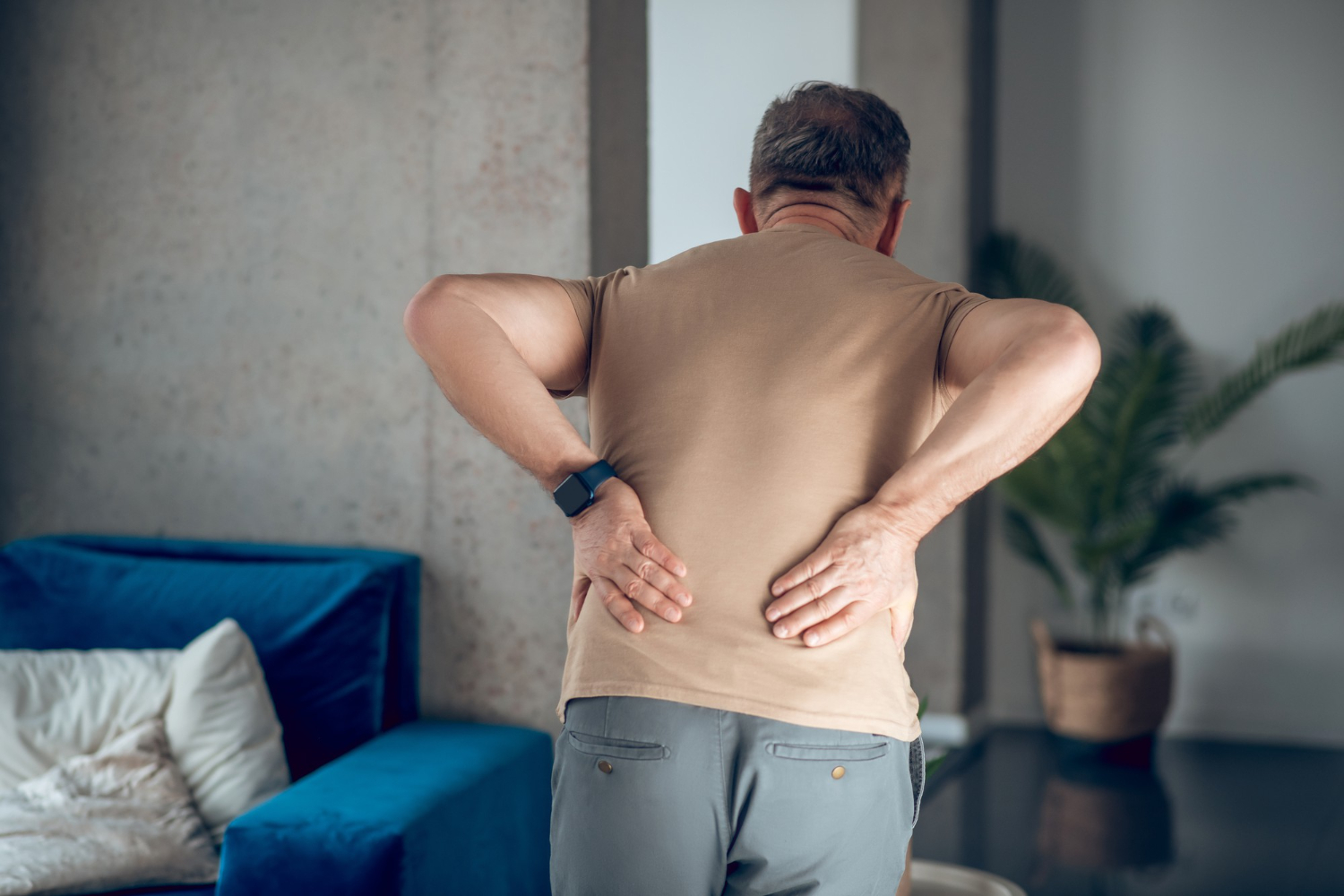
The introduction of StimPod at Vitruvian – Italian Physiotherapy Center represents a recent advancement in VIP back pain treatment Dubai options available at the clinic.
This is a new therapeutic option for individuals seeking lower back pain treatment Dubai for chronic pain, neuropathy, diabetic neuropathy, spinal stenosis, disc-related problems, or nerve-related foot discomfort. StimPod is designed to support nerve communication and help reduce pain at its source by addressing nerve dysfunction. Early outcomes have been promising.
Patients interested in learning more about StimPod replace with or seeking care at a lumbar pain clinic Dubai can contact Vitruvian – Italian Physiotherapy Center for further guidance and introductory sessions.
Lower back pain Dubai is one of the most common reasons patients seek physiotherapy treatment at Vitruvian – Italian Physiotherapy Center. Lower back pain is a common condition affecting many individuals. Many individuals experience stiffness that is worse in the morning, sharp pain during lifting, or dull discomfort after long periods of desk work. Low back pain is one of the leading causes of disability globally, according to clinical research evidence.
Lower back discomfort is often mechanical, meaning it is commonly related to the joints, muscles, discs, ligaments, or surrounding structures of the spine and is usually not associated with serious underlying disease. Most people greatly improve with the appropriate strategy.
This blog explains the causes of lower back pain, along with doable solutions to ease discomfort, and when to get help from a specialist.
Understanding Your Lower Back
Your lumbar spine, or lower back, is composed of:
- Five lumbar vertebrae, or bones
- The cushions between bones are called intervertebral discs.
- Facet joints are tiny joints that direct motion.
- Ligaments and muscles (which provide stability and support)
- Nerves that reach your legs from your spine
The lower back functions as the foundation of the body and is often evaluated in a consultation with a spine specialist Dubai. It requires both suppleness and stability. Stress accumulates, and pain may result from tense muscles, poorly moving joints, or prolonged bad posture.
The majority of lower back pain is referred to as “non-specific low back pain,” which indicates that it isn’t brought on by a significant illness, infection, or fracture. Strain, deconditioning, extended sitting, and repeated stress are frequently linked to it.
Why Does Lower Back Pain Happen?
Common triggers include:
1. Prolonged Sitting
Lower back discs are placed under more stress during prolonged sitting. These factors may eventually lead to discomfort and stiffness.
2. Weak Core Muscles
The “core” includes the diaphragm, hips, lower back, and abdominal muscles. The spine experiences stress when muscles are tight or when movement is restricted.
3. Poor Lifting Mechanics
The lumbar spine is more stressed when one bends at the waist rather than hinges at the hips.
4. Stress and Tension
Emotional stress can make muscle tightness worse. Until we concentrate on loosening their back muscles, many patients are unaware of how firmly they are gripping them.
Even when symptoms persist, early guidance for lower back pain treatment Dubai can help prevent worsening of the condition.
At-Home Lower Back Pain Relief Strategies
Home-based management strategies include the following:
1. Keep Moving (But Don’t Overdo It)
For the majority of back pain situations, research consistently demonstrates that mild mobility is preferable to extended bed rest. Clinical evidence generally supports maintaining an active lifestyle whenever possible.
Try:
- Quick strolls
- Stretching gently
- Exercises for light mobility
- Steer clear of prolonged sitting
Moving for even five minutes per hour can have a significant impact.
2. Practice the “Hip Hinge”
Practice hinging at your hips rather than bending forward at your waist:
- Maintain a neutral, non-rounded back.
- Backward push your hips.
- Put your knees slightly bent.
- Keep the item near your body.
The lumbar discs are less strained as a result.
3. Try Simple Core Activation Exercises
Strenuous exercise is not required. In actuality, simplicity is preferable when your back is sore.
Beginner-friendly movements:
- Bird Dog (opposite arm and leg extension)
- Dead Bug (your back’s core stabilization)
- Bridges with glutes
- Mild tilts of the pelvis
Pay attention to breathing and control rather than intensity.
4. Use Ice or Heat Sensibly
- In the first 24 to 48 hours following a flare-up, ice can help reduce inflammation.
- Heat frequently relieves tense muscles and stiffness.
Use a barrier (such as a cloth) to protect the skin for 15–20 minutes at a time.
5. Improve Your Desk Setup
Minor ergonomic adjustments can greatly lessen strain:
- Eye-level screen
- Feet flat on the ground
- Knees at 90 degrees
- Supported lower back
- Every 30 to 60 minutes, take a break by standing or walking.
The best posture is the next position, as is commonly advised by physiotherapy professionals at Vitruvian – Italian Physiotherapy Center.
When Manual Therapy Approaches May Help
Many patients benefit from structured physiotherapy for back pain in Dubai, which combines hands-on care with targeted exercise programs to support long-term recovery.
Spinal Adjustments
A regulated, gentle movement performed to a restricted joint is called a spinal adjustment. Enhancing mobility, lessening joint discomfort, and promoting natural movement are the objectives.
Research published in clinical journals indicates that spinal manipulation may somewhat but significantly relieve acute low back pain.
Spinal Decompression Therapy
Spinal decompression treatment may occasionally be beneficial for individuals experiencing disc-related pain, especially in sciatica treatment Dubai cases. It is carried out in a controlled environment and is not surgical. It can be useful in certain situations, but it’s not suitable for everyone.
Soft Tissue Therapy & Rehabilitation
Muscles frequently have a significant influence on lower back discomfort. Treatment may include:
- Specific muscle exercises
- Exercises for correction
- Programs for stretching
- Shockwave treatment (in some situations of persistent soft tissue)
Building resilience is the aim, not only providing temporary respite.
Red Flags: When to Seek Immediate Medical Care
Even though the majority of back pain is mechanical and gets better with conservative treatment, get checked out as soon as possible if you have the following:
- Loss of control over one’s bowels or bladder
- Increasing weakness in the legs
- Severe trauma (fall, car accident)
- Back pain and fever
- Weight loss that is not explained
These conditions require prompt medical evaluation.
The Role of Lifestyle in Long-Term Relief
One of the most important clinical discussions involves long-term spine health and pain management:
After your discomfort subsides, focus is placed on the following areas:
- Developing strength
- Work related to mobility
- Stress reduction
- Improved sleeping practices
- Regular exercise regimens
Clinical research evidence shows that maintaining an active lifestyle and developing strength lowers recurrence rates.
Periods of lower back discomfort are common. It is our responsibility to lessen their frequency and severity.
A Realistic Perspective on Healing
Better outcomes occur when the following strategies are used:
- Continue to work out consistently.
- Make minor ergonomic adjustments.
- During flare-ups, don’t panic.
- Deal with sleep and stress.
It’s not always simple to heal. Certain days are better than others. This is a normal part of recovery.
The spine is designed to bend, twist, lift, and move effectively. Most backs react extremely well when we reestablish normal mobility and provide support for it.
Final Thoughts: You Don’t Have to “Just Live With It”
Although lower back discomfort is frequent, you shouldn’t ignore or put up with it. If persistent pain, stiffness, or recurring flare-ups are present, a structured assessment at Vitruvian – Italian Physiotherapy Center may help identify contributing factors and guide management.
Each spine is unique. A customized evaluation is crucial.
When you’re ready to move forward, schedule an appointment with Vitruvian – Italian Physiotherapy Center for an assessment and planning. A thorough evaluation is conducted, followed by the identification of contributing factors and the creation of a structured plan.
Restoring comfortable and confident movement is an important goal of care.
https://chatgpt.com/share/6a51f34d-71fc-83ed-8b24-93efa7650fa0
FAQs
Can exercise help relieve lower back pain?
Yes, exercising appropriately is frequently a key component of treating lower back discomfort. Walking, strengthening exercises, and gentle stretching can increase flexibility, support the spine, and lessen stiffness. Exercises should be chosen according to each person's needs, though, because some activities might exacerbate symptoms if done improperly or too soon when recovering.
When should I seek professional help for lower back pain?
If pain is persistent, comes back frequently, interferes with everyday activities, or is accompanied by symptoms like numbness, weakness, or radiating discomfort, a professional examination is advised. To promote a safe and successful recovery, a medical expert or physiotherapist can evaluate the disease, pinpoint contributing variables, and provide a customized management plan.
Can poor posture contribute to lower back pain?
Excessive strain on the lower back's muscles, joints, and ligaments can result from poor posture. Over time, slouching, sitting for long periods, or using an unorganized workstation can increase strain. You can reduce pain and promote better spinal alignment during everyday tasks by making ergonomic changes and improving your posture.
What lifestyle habits support long-term lower back pain relief?
You can support long-term back health by maintaining a healthy weight, being physically active, using safe lifting practices, and avoiding extended periods of inactivity. Regular strengthening and stretching activities also enhance spinal stability. Maintaining good habits can improve general physical function and reduce the risk of recurrent pain episodes.