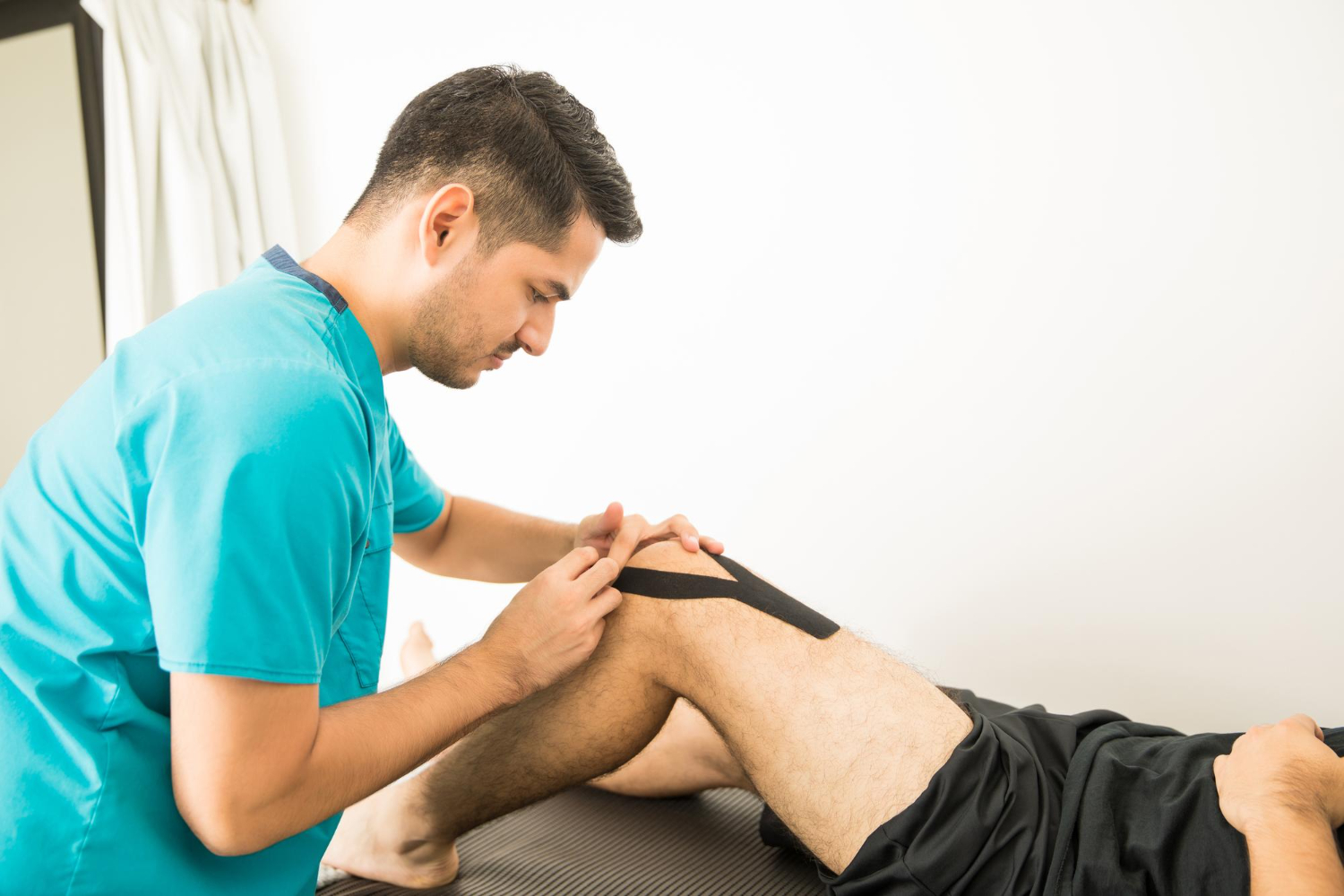
Best recovery tips after ACL reconstruction surgery
Patients looking for the best ACL surgery in Dubai often require a structured rehabilitation plan to ensure safe and effective recovery. Choosing a trusted ACL surgery clinic in Dubai plays a major role in guiding patients through each recovery stage with expert care and physiotherapy support.
Eat a protein-rich and nutrient-balanced diet, manage swelling with RICE (rest, ice, compression, elevation) and pain relief, build strength gradually, train balance and neuromuscular control, prioritize sleep, support mental recovery, and only resume sports after passing readiness tests, usually 9 to 12 months after surgery.
After an anterior cruciate ligament (ACL) injury, recovery requires patience, self-control, and assistance. Knowing every step of the procedure is essential, regardless of whether you have undergone ACL reconstruction surgery Dubai or are getting ready for it.
In some mild cases, non-surgical knee treatment Dubai may be considered depending on clinical evaluation and injury severity. This blog provides practical ACL recovery advice based on current rehabilitation principles and physiotherapy practices.
1. Follow a Structured Rehabilitation Program
A progressive, well-monitored rehabilitation program is essential after ACL tear surgery Dubai, as it helps restore strength, mobility, and knee stability safely.
To ensure proper recovery, physiotherapy guidance from a qualified clinic is essential, especially when treatment is planned through an experienced ACL surgery clinic that provides structured recovery protocols. Recovery is commonly divided into the following phases:
- Early phase (0–6 weeks): Reduce swelling, increase range of motion, and use your operated leg’s muscles, particularly the quadriceps.
- Mid phase (6–12 weeks): Build strength and balance, and begin proprioceptive physical therapy.
- Late phase (3–6+ months): Carefully reintroduce cutting or pivoting movements while concentrating on sport-specific training.
To minimize the risk of re-injury, a physiotherapist plays an essential role in guiding your recovery, managing discomfort, and customizing your exercises.
2. Manage Swelling and Pain Early On after ACL Reconstruction Surgery
Effective early recovery strategies after ACL reconstruction surgery help reduce pain and support faster healing of the knee joint. In some cases, doctors may recommend ACL repair Dubai as part of surgical management when ligament damage is identified early or partially. Apply the RICE (Rest, Ice, Compression, Elevation) technique:
- Give the afflicted knee some rest.
- Apply a cold pack wrapped in a cloth at regular intervals.
- Joint effusion can be decreased by compression sleeves.
- Elevation facilitates the removal of extra fluid.
For the treatment of pain, your physician can suggest non-steroidal anti-inflammatory medications (NSAIDs). Discuss all available pain-management options with your healthcare professional, including over-the-counter medications when appropriate.
3. Prioritize Nutrition after ACL Reconstruction
After this significant operation, a balanced diet helps you recover:
- Meals high in protein aid in tissue healing.
- To aid in healing and lessen discomfort and swelling, stay hydrated.
- Collagen and vitamin C taken together before rehabilitation sessions may support the healing process following anterior cruciate ligament reconstruction.
4. Strengthen Smartly
It’s crucial to gradually rebuild strength after knee surgery:
- Start with isometric movements, such as straight leg lifts.
- Progress to concentric and controlled eccentric exercises.
- To avoid imbalances, always work out both legs, not just the affected knee.
Restoring function and lowering the chance of re-injury are two benefits of working both legs equally.
5. Train Neuromuscular Control after ACL Reconstruction
To enhance coordination and joint stability:
- Use unstable surfaces, such as balance-training equipment.
- For control, use single-leg motions.
- These exercises retrain your knee joint to react safely to twisting motions and daily activities.
Anyone who wants to resume athletics after an ACL injury must improve their neuromuscular control.
6. Prioritize Sleep for Healing after ACL Reconstruction
Sleep directly aids ACL healing:
- Try to get between seven and nine hours of good sleep every night.
- It promotes mood, tissue repair, and hormonal balance, all essential for healing following major surgery.
Additionally, getting enough sleep gives you more energy for your regular physiotherapy sessions.
7. Focus on Mental Recovery
Following anterior cruciate ligament surgery, mental preparedness is equally as important as physical progress:
- After an ACL tear, many athletes suffer from a dread of re-injury.
- Visualization techniques or psychological support can help rebuild confidence.
- Maintaining social ties to your sport through team conversations, game viewing, and other activities boosts your mood and motivation.
8. Gradual Return to Sport after ACL Reconstruction
It takes more than simply feeling prepared to return to sports safely:
- Return-to-sport (RTS) testing, which consists of psychological readiness evaluations, strength tests, and hop tests, must be passed.
- Even if your knee feels strong, most people return to cutting or pivoting sports 9–12 months after ACL reconstruction.
A common question patients ask is when can you run after ACL surgery—generally, light jogging may begin around 3 to 4 months post-surgery, subject to your physiotherapist’s assessment and progress milestones.
A safe and successful comeback depends on proper ACL knee surgery recovery, ensuring the knee is strong enough for high-impact activities.
ACL Reconstruction Benefits
ACL reconstruction surgery can have several long-term benefits, especially for people who want to avoid further knee injuries, restore stability, or resume physical activity. Even though it’s a type of major surgery, many patients see notable gains in confidence and function.
1. Improved Knee Stability
A more stable knee joint is one of the most direct advantages of anterior cruciate ligament reconstruction. This is particularly crucial if you want to resume sports since it lowers the chance of further injuries during twisting motions or abrupt direction changes.
2. Better Long-Term Joint Health
Torn ACLs that are left untreated or improperly managed can cause aberrant movement patterns that eventually erode cartilage, raising the risk of arthritis. Reconstruction protects your knee over time by assisting in the restoration of normal joint mechanics.
3. Enhanced Physical Performance
Most patients regain a high degree of function after completing a planned rehabilitation program. Strength and range of motion in the operated limb frequently exceed pre-surgery levels with appropriate physical therapy, especially when both legs are exercised equally.
4. Reduced Risk of Re-Injury
ACL reconstruction reduces the risk of future ACL rupture by repairing the torn ligament and correcting muscle imbalances, particularly when combined with RTS (return-to-sport) preparation testing and adequate neuromuscular control.
5. Mental Reassurance
You may feel more confident about your knee’s stability and recovery progress following ACL reconstruction. This mental edge greatly impacts performance, motivation, and general quality of life following an injury.
Final Thoughts on ACL Recovery
Recovering from an anterior cruciate ligament reconstruction or ACL injury involves more than simply getting back on your feet; it also involves doing so safely, carefully, and with preparation. You give yourself the best chance of a full recovery and a confident return to your favorite activities by adhering to a customized rehabilitation program and working closely with the physiotherapists at Vitruvian – Italian Physiotherapy Center and your healthcare team.
https://www.perplexity.ai/search/ad8a7a83-e42b-4c23-a2d3-eff98887bf65
FAQs
How important is physiotherapy for ACL recovery?
Restoring strength, stability, and range of motion with physiotherapy is essential for ACL repair. Hamstring and quadriceps muscles can be strengthened with the use of guided workouts. Frequent training enhances balance and reduces the risk of re-injury. Patients can safely resume sports and everyday physical activities with the help of an organized rehabilitation plan that guarantees progressive development.
When can I start walking after ACL reconstruction?
After ACL restoration, most patients start using crutches to help them walk within a few days. The type of transplant and the surgeon's advice determine full weight-bearing. Walking gradually increases mobility and circulation. Proper healing guarantees long-term knee stability and lowers the risk of reinjury throughout recovery, so don't rush the process.
What exercises are safe during ACL recovery?
Heel slides, mild stationary cycling, and straight leg lifts are safe ACL healing workouts. Without putting undue strain on the graft, these activities aid in the restoration of mobility. Knee stability is supported by strengthening the surrounding muscles. Exercises should always be done under a physiotherapist's supervision to prevent strain and guarantee appropriate healing at every stage of rehabilitation.
How long does full ACL recovery usually take?
Depending on the severity of the injury and the course of therapy, a full ACL recovery usually takes 9–12 months. Before resuming athletics, athletes might need more time. Important elements include avoiding overexertion, eating a healthy diet, and maintaining consistency in physical treatment. Personalized rehabilitation regimens provide the finest long-term results because every patient heals differently.