Dry Needling: What It Is, How It Works For Pain Relief

Dry needling Dubai is a technique used in physiotherapy to help manage certain musculoskeletal conditions. Although it resembles acupuncture, it follows a different approach, and research findings continue to develop. This blog is intended for patients interested in understanding dry needling and how it may support physiotherapy treatment. It discusses what dry needling is, how it works, how it varies from acupuncture, what the research truly indicates, and the safety and equipment required to perform it effectively.

Quick Overview

  •  What it is: Dry needling involves inserting a thin, solid filiform needle directly into a myofascial trigger point or tight muscle band to relieve pain and enhance mobility.
  • Not Acupuncture: Although similar needles may be used, dry needling follows an anatomy-based approach focused on muscles and trigger points.
  • The Evidence: Research suggests it may provide short-term pain relief and improved range of motion for some musculoskeletal conditions, but it is most effective when used as part of a larger rehabilitation strategy, rather than alone.
  • Safety: In general, trained hands are safe. Single-use sterile needles, proper technique, and solid anatomical understanding are essential, especially around the thorax.
  • Training first: In Dubai, dry needling should only be performed by qualified physiotherapists with appropriate training and clinical knowledge.

What is dry needling?

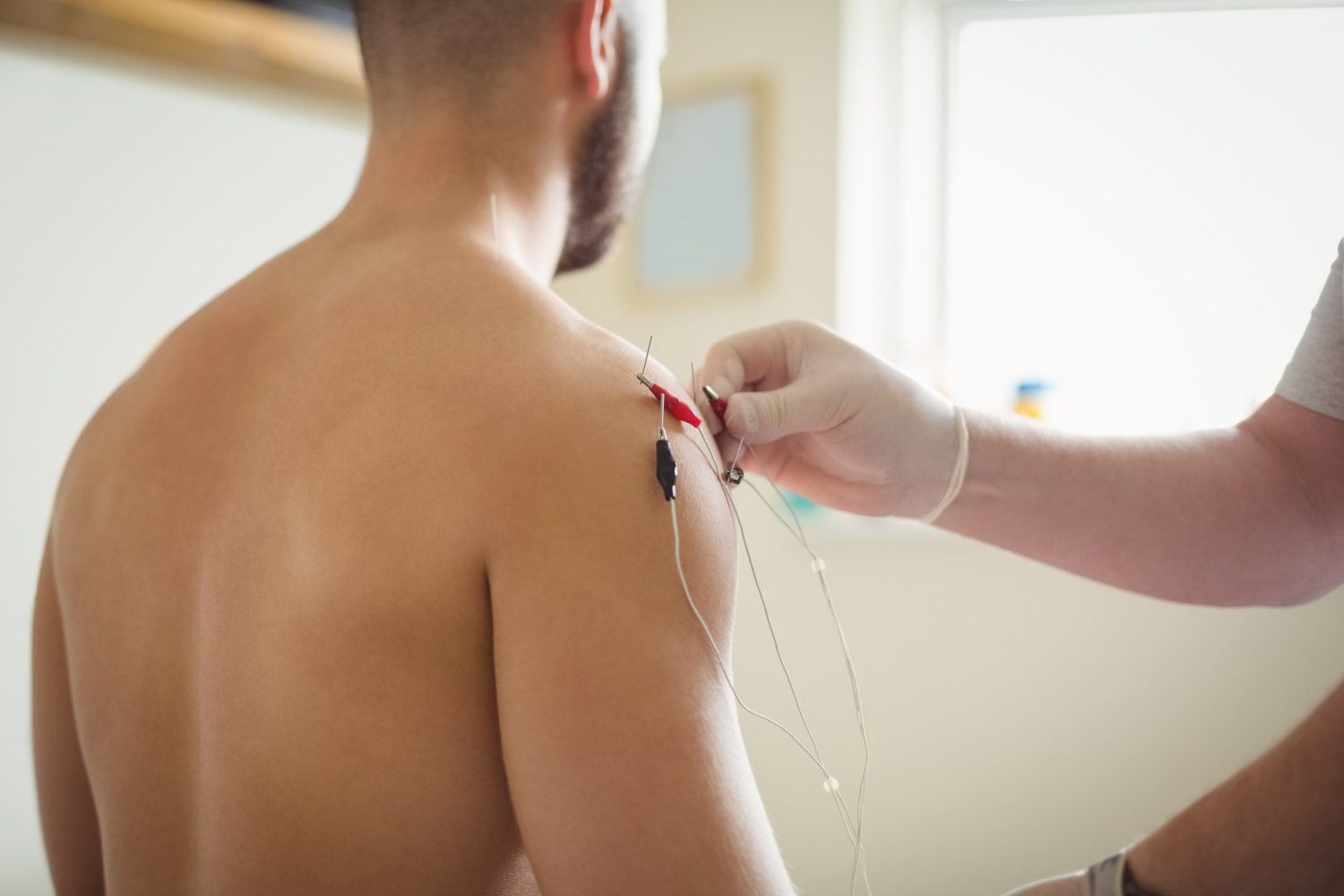
Physiotherapy dry needling Dubai involves a therapeutic procedure performed by qualified physiotherapists at Vitruvian – Italian Physiotherapy Center, using a thin, solid needle inserted through the skin into a muscle, often targeting a myofascial trigger point. This technique may also be included as part of Myofascial trigger point therapy Dubai when clinically appropriate. There is no medicine or fluid; only the needle. This distinguishes it from “wet” needle techniques, such as corticosteroid or local anesthetic injections.

The goal is to help reduce tension in tight, tender muscle bands that may contribute to pain. When a needle is inserted into an active trigger point, the muscle fibers frequently contract involuntarily. Many clinicians consider this twitch response one possible indicator of muscle response, although it is not required for treatment effectiveness.

Vitruvian – Italian Physiotherapy Center is a Dry needling physiotherapy clinic Dubai that may use this technique to help manage various musculoskeletal complaints, including neck and shoulder pain, tension headaches, low back pain, tennis elbow, calf and hamstring tightness, and plantar heel pain. In practice, it complements rather than replaces hands-on therapy and exercise.

Dry needling vs acupuncture: what’s the difference?

Dry needling vs acupuncture Dubai is a common topic among patients because both techniques use similar needles. The needles used may be similar, but the reasoning behind their placement differs.

Traditional acupuncture is based on a traditional medical system that uses specific points and treatment principles. Acupuncture involves inserting small needles at specific locations and is commonly used for some pain-related conditions.

Dry needling is a neuromuscular approach based on anatomy and muscle function. The practitioner uses needles based on palpated trigger points, muscular structure, and the patient’s movement evaluation, rather than on meridian charts. This anatomy-led approach helps patients understand the purpose and safe use of dry needling. So think of it as the same tool, but with a different map. Understanding the purpose and safe use of needles helps patients and practitioners better understand the dry needling process.

How does dry needling work?

Dry needling therapy Dubai continues to be researched, although several possible mechanisms have been identified:

  • Local twitch response: Needling an active trigger point may produce a twitch response that can influence muscle activity.
  • Local blood flow and chemistry: Inserting a needle alters the local environment, increasing blood flow and decreasing levels of pain-related chemicals around the trigger site.
  • Central effects: The input may influence how the nervous system processes pain, leading to symptom relief experienced away from the treated area.

Clinically, it is important to note that these effects are often transient. Needling can provide a valuable window of reduced discomfort and increased range of motion, but maintaining that gain requires subsequent loading, strengthening, and mobility practice.

What does the evidence say?

Current evidence provides a balanced view of its effectiveness. The studies on dry needling are fairly encouraging but far from conclusive.

Research has also examined Dry needling for neck pain physiotherapy Dubai, with some studies reporting short-term improvements in pain and function when combined with exercise. Research reviews suggest that dry needling for back pain Dubai may help reduce pain in selected patients when clinically indicated as part of a broader rehabilitation approach.

Clinical research suggests that Dry needling for pain relief Dubai may provide short-term pain relief when combined with an appropriate rehabilitation plan. Current evidence suggests that dry needling should be considered as part of a broader treatment approach rather than a standalone solution.

Simply put, Dry needling for muscle pain Dubai is an acceptable approach for some muscle pain presentations, helping most in the short term when combined with rehabilitation.

Is dry needling safe?

Dry needling performed by a Certified dry needling physiotherapist Dubai follows appropriate safety procedures, making it a low-risk technique when applied correctly. The most common adverse effects are minimal, including transient discomfort, a tiny bruise, or temporary fatigue following treatment.

The major hazards are uncommon but genuine, and they are nearly completely based on anatomy. Needling across the rib cage, neck, or shoulder girdle without a good understanding of depth and structures increases the risk of pneumothorax. That is why advanced training and supervised clinical education are essential for safe application.

Practical safety principles that every practitioner should know but never forget include obtaining consent and screening for contraindications, using a new single-use sterile needle for each insertion, using a clean (or aseptic, when appropriate) method, keeping a sharps bin, and documenting everything.

What practitioners need to get started

Proper professional training, clinical knowledge, and sterile equipment are essential for safe Dry needling treatment Dubai. Qualified physiotherapists follow appropriate safety procedures to ensure effective and comfortable treatment. To be clear, proper training is essential before performing dry needling safely, and physiotherapists should complete appropriate dry needling training before performing the technique.

On the consumable side, most qualified physiotherapists utilize conventional, single-use sterile filiform acupuncture needles. Different needle lengths and gauges may be selected depending on the targeted muscle area when performing Trigger point dry needling Dubai.

Where dry needling fits in a rehab plan

Physiotherapists often use dry needling as a supportive technique in Pain management physiotherapy Dubai to reduce discomfort and improve movement before active rehabilitation. Use it to relieve discomfort in a guarded muscle, then go on to the activity that transforms the tissue: graduated loading, mobility, and strengthening. Progressive strengthening and mobility exercises remain important, particularly during Sports injury recovery Dubai, where restoring movement and strength is essential. Supportive taping may also assist some patients in maintaining comfort and mobility between sessions when included as part of a personalized rehabilitation plan.

Conclusion

Dry needling may also be considered as part of Muscle tension treatment Dubai when clinically appropriate and combined with an individualized rehabilitation plan. Advanced physiotherapy techniques Dubai, including dry needling, are most effective when combined with active rehabilitation, clinical judgment, anatomical knowledge, and appropriate training.

https://share.gemini.google/NXzu0FJDGydw

FAQs

Most patients experience a slight prick at insertion, followed by an aching or cramp-like sensation when the needle reaches a trigger point, which is frequently accompanied by a short involuntary spasm. This twitch response may cause brief discomfort. Mild post-treatment discomfort lasting a day or two is usual and is generally temporary. 

The data shows that dry needling can relieve pain and increase range of motion in the short term for a variety of musculoskeletal pain issues, including neck and shoulder discomfort. It works better as part of a larger rehabilitation approach, rather than as a stand-alone treatment. Outcomes vary depending on the condition being treated, so set realistic expectations for patients.

Dry needling is a specialized skill performed by qualified healthcare professionals, particularly physiotherapists with appropriate training and clinical knowledge. Physiotherapists should complete suitable training before performing dry needling to ensure safe and effective application.

Single-use sterile filiform needles are commonly used for dry needling. These are thin, solid needles similar to those used in acupuncture. Practitioners may use different needle lengths and gauges depending on the targeted muscle area. Each insertion requires a new sterile needle, which is safely disposed of after use. 

Some people may notice relief within a few hours, while others may experience gradual improvement after one or more sessions. The response varies depending on the condition being treated, muscle sensitivity, and the overall rehabilitation approach. Dry needling combined with therapeutic exercises and movement training may support improvements in comfort, flexibility, and daily function. 

Yes. Dry needling is typically included as part of a broader physiotherapy program that may include manual therapy, stretching, strengthening exercises, posture correction, and movement retraining. Combining different treatment approaches may help address muscle tightness, pain, and limited mobility according to individual needs. 

Certain medical problems or situations may render dry needling ineffective. Before beginning therapy, your provider will go over your medical history, medicines, skin condition, and overall health. This assessment assists in identifying any precautions, ensuring that the treatment is carried out safely and only when it is appropriate for your specific circumstances.

Staying hydrated, stretching as directed, and being lightly active can all aid in muscle recovery following therapy. Temporary discomfort is normal; however, intense exercise should be avoided for a short time if indicated. Following your therapist's aftercare recommendations may help you recover and get the most benefit from each therapy session.

Dry needling may help manage long-standing muscle tightness by targeting trigger points that contribute to pain and restricted movement. However, long-term rehabilitation usually involves improving movement patterns, increasing strength, and addressing contributing lifestyle factors. A personalized rehabilitation plan can support long-term muscle health and function. 
Understanding the Science of Pain: How Physiotherapists Help You Manage It

Pain is a common symptom, but how we perceive and handle it differs from person to person. Pain, whether caused by an injury, chronic condition, or post-surgical recovery, can have a substantial influence on your everyday life. However, what exactly is pain, and why can it continue even after the initial tissue healing has occurred? The answer lies in understanding the science of pain and how physiotherapy for pain Dubai services can support effective pain management.

What is Pain? The Basics of Pain Science

Pain is the body’s natural response to actual or potential tissue damage, indicating that the body may require attention. However, pain is more than simply a physical sense; it is a complicated phenomenon that affects both the body and the nervous system. There are two main forms of pain:

1. Acute Pain:

This is short-term discomfort that happens just after an injury or surgical procedure. It acts as a warning signal, protecting the afflicted region as it heals. Acute pain usually improves as healing progresses.

2. Chronic Pain:

This sort of pain persists beyond the normal healing time, frequently for weeks, months, or even years. Chronic pain can result from an injury, nerve damage, or long-term conditions such as arthritis. It may also be associated with nervous system disorders, such as the brain amplifying or misinterpreting pain signals.

The Pain Pathway: How Pain Signals Travel in Your Body

Pain is more than simply what we experience; it is a complicated process that begins with an injury and travels through several stages before reaching the brain. Understanding the pain pathway can help explain how pain can be managed.

1. Nociceptors (Pain Receptors):

When you injure yourself, specialized nerve endings known as nociceptors detect the injury and transmit electrical signals to the brain. These receptors are located in the skin, muscles, joints, and internal organs.

2. Transmission of Pain Signals:

Electrical signals pass through nerve fibers to the spinal cord, which serves as a conduit for these signals to reach the brain. The pain message may be intensified or reduced along the route, depending on various circumstances, such as the body’s attention levels and stress.

3. Processing Pain in the Brain:

The brain analyzes and interprets pain signals, which is why two people might have different reactions to the same injury. Stress, mental state, and previous pain experiences can all affect how acutely we perceive pain.

4. Pain Perception:

Once the brain receives and interprets pain signals, it can produce both physical and emotional responses to pain. This is why pain may sometimes persist even when no obvious tissue damage is present.

Acute vs. Chronic Pain: How Physiotherapy Approaches Each Type

Acute Pain Management:

Acute pain usually occurs unexpectedly and is related to a specific event, such as a sprained ankle or post-surgical discomfort. Vitruvian – Italian Physiotherapy Center provides a range of physiotherapy techniques to help manage acute pain:

  • Manual Therapy:
    Massage, joint mobilization, and stretching are all techniques used in manual therapy for pain Dubai to help relieve stiffness, improve mobility, and reduce muscular tension. These strategies support pain relief physiotherapy Dubai services by helping control discomfort and encouraging recovery.
  • Modalities:

Physiotherapists may recommend heat or cold treatment to alleviate inflammation or discomfort. Cold packs may help reduce swelling and temporarily ease discomfort. Heat packs may help relax muscles and improve comfort.

  • Electrotherapy:

Electrotherapy for pain relief Dubai use devices such as TENS (Transcutaneous Electrical Nerve Stimulation) to send short electrical pulses to the afflicted area, which may help reduce pain perception.

  • Restorative Exercise:

Even in the early stages of an injury, physiotherapists will use mild, pain-free movement to help prevent stiffness and support recovery.

Chronic Pain Management:

Chronic pain physiotherapy Dubai programs focus on managing complex pain conditions through a multimodal approach.

  • Education:

Vitruvian – Italian Physiotherapy Center helps patients understand their pain and how the nervous system might contribute to chronic pain. Understanding the causes of pain might help people cope by reducing fear and worry.

  • Neuroplasticity:

Physiotherapists may use strategies to assist in retraining the nervous system. Chronic pain may involve increased nervous system sensitivity, even after tissue healing has occurred. Physiotherapists use particular motions, exercises, and desensitization techniques to improve nervous system regulation and lessen pain perception.

  • Posture and Movement Training:

Chronic pain, including conditions requiring physiotherapy treatment for back pain Dubai, may be influenced by poor posture or movement habits that place ongoing stress on the body. Vitruvian – Italian Physiotherapy Center assesses movement patterns and teaches healthy movement techniques to help reduce pressure on the joints and muscles.

  • Strengthening and Conditioning:

Building strength in weak muscles can help reduce excessive strain in certain body regions and eventually alleviate chronic pain. Vitruvian – Italian Physiotherapy Center develops custom exercise routines to target particular muscles associated with persistent pain or movement limitations.

  • Cognitive-Behavioral Techniques:

Physiotherapy programs may include strategies like mindfulness and relaxation exercises to assist patients in managing the emotional and psychological elements of chronic pain.

How Can Vitruvian – Italian Physiotherapy Center Help You Manage Pain?

Vitruvian – Italian Physiotherapy Center is among the best physiotherapy clinic in Dubai, providing physiotherapy assessments and treatment programs that target the underlying causes of pain. The following are some of the ways physiotherapy may help manage pain:

1. Comprehensive Assessment:

Vitruvian – Italian Physiotherapy Center provides assessment through a Dubai physiotherapist for pain who evaluates the underlying source of discomfort. This may entail evaluating posture, mobility, strength, flexibility, and neurological function to determine any contributing issues.

2. Hands-on Therapy:

Manual therapy, joint mobilization, and soft tissue massage are all techniques used in Dubai physiotherapy for joint pain programs to assist in alleviating muscle tension, enhancing joint mobility, and relieving pain. These hands-on treatments may provide temporary symptom relief while supporting long-term recovery.

3. Exercise Prescription:

Targeted exercises, such as strengthening, stretching, and stabilization exercises, can treat the underlying causes of discomfort. Vitruvian – Italian Physiotherapy Center works with patients to develop a personalized exercise program that improves strength, flexibility, and functional mobility. These approaches may also work alongside sports massage and physiotherapy Dubai to support recovery, muscle function, and overall mobility.

4. Pain Education and Self-Management:

Vitruvian – Italian Physiotherapy Center educates patients about their pain and teaches them self-management skills to help them manage pain more effectively. This might include techniques for helping manage pain flare-ups, avoiding dangerous postures, and controlling stress.

5. Alternative Therapies:

Vitruvian – Italian Physiotherapy Center provides modern procedures like Dry needling Dubai physiotherapy services and other evidence-based physiotherapy techniques, which may help reduce pain, improve muscle function, and support recovery.

Conclusion:

Pain is a complex symptom that affects both physical and emotional well-being. Understanding the science of pain helps explain why pain occurs and why it may persist. Vitruvian – Italian Physiotherapy Center uses evidence-based physiotherapy techniques to assess, treat, and manage pain through manual therapy, exercise, and patient education.

Whether recovering from an acute injury or living with chronic pain, physiotherapy can support recovery and long-term pain management. If pain is affecting daily activities, contact Vitruvian – Italian Physiotherapy Center to begin a personalized physiotherapy program.

https://chatgpt.com/s/t_6a8090bc50808191988b3e009041410b

FAQs

Physiotherapy treats more than just the sore location by increasing strength, flexibility, movement patterns, and confidence in daily tasks. Therapeutic exercises, manual therapy, posture correction, and pain education may all be part of the treatment. An individualized rehabilitation approach, rather than depending solely on medication, gradually restores function while lowering discomfort.

Yes. Emotional stress, worry, and poor sleep can all enhance the nervous system's sensitivity, making pain seem worse. Physiotherapists take these elements into account when establishing treatment programs, and they frequently advocate exercise, relaxation methods, and healthy lifestyle habits to promote both physical and mental well-being.

Not always. Complete rest can occasionally slow healing and impair muscular strength. A physiotherapist assesses whether activities are safe and progressively increases exercise based on your condition. Appropriate exercise improves mobility, supports recovery, and boosts confidence while reducing the chance of worsening your symptoms.

Recovery times vary based on the cause, intensity, and duration of your discomfort.  Some people see progress after just a few sessions, while others require a lengthier rehabilitation regimen. Following your physiotherapist's suggestions and remaining active may contribute to better long-term outcomes and a higher quality of life.

How To Prepare For A Lymphatic Massage: A Clinical Preparation Guide

Lymphatic drainage Dubai services support lymph flow, help manage swelling, and promote relaxation as part of a physiotherapy-based approach. Vitruvian – Italian Physiotherapy Center provides Manual Lymphatic Drainage (MLD), a gentle therapeutic technique used to support post-surgical recovery and swelling management.

Whether you’re a first-timer or recuperating from surgery, properly preparing for a lymphatic massage may help improve your overall session experience. This blog provides practical, clinical information on how to prepare for a lymphatic massage, including what to do before, during, and after your appointment.

1. Understand The Benefits Of Lymphatic Massage

Lymphatic massage may support overall wellness as part of a personalized care plan. This gentle lymphatic drainage massage Dubai treatment approach supports lymphatic flow, assists in managing swelling, and promotes relaxation. Vitruvian – Italian Physiotherapy Center provides manual lymphatic drainage using gentle, evidence-based techniques to support personalized treatment goals.

Who Should Prioritise Preparation?

While everyone can benefit, appropriate preparation is especially important for individuals seeking treatment from:

  • Post-surgery lymphatic drainage Dubai services may support management of swelling after surgical procedures.
  • Fibrosis management (hardening of tissues after surgery)
  • Managing the symptoms of primary or secondary lymph swelling

Supporting Lymphatic Circulation

One of the key benefits of lymphatic massage is supporting lymphatic circulation. Lymphatic therapy Dubai services support lymph movement and fluid circulation within the body through gentle manual lymphatic drainage techniques. Some studies suggest that MLD may support lymphatic circulation and fluid movement.

Lymphatic massage may support lymph flow and fluid balance within the body.

Improved Circulation

Lymphatic massage supports lymph flow and may contribute to improved tissue fluid balance. You can maintain these benefits after a massage by exercising regularly and staying properly hydrated.

2. Consult With A Professional

To achieve the best outcomes from lymphatic massage, you need a personalized strategy. Discussing individual surgical history and health objectives with a skilled therapist helps create a suitable treatment approach.

Finding A Qualified Therapist

Choosing the proper therapist is critical to a successful lymphatic massage. Ensure that you choose a certified lymphatic drainage therapist Dubai who has appropriate training and experience in manual lymphatic drainage. Vitruvian – Italian Physiotherapy Center ensures that manual lymphatic drainage Dubai services are provided through trained professionals following appropriate physiotherapy practices and safety standards.

Discussing Health Concerns

Before your appointment, you should share any health issues with your therapist. Patients should provide their relevant medical history, including chronic medical conditions, recent surgeries, allergies, and ongoing treatments. This information helps the therapist to customize the massage for your individual requirements. For post-surgical patients, please bring post-procedure recovery recommendations to your initial appointment.

Also, clarify any specific goals or areas of concern, such as controlling lymph swelling symptoms, to ensure that the massage focuses on these.

Please let your therapist know if you prefer a softer touch or have any sensitivities. Prepare a list of questions or concerns to discuss during your session. Being aware of warning signals, such as a therapist dismissing your worries or refusing to acknowledge their qualifications, might help you avoid a negative encounter.

3. Stay Hydrated

Maintaining hydration is vital for an effective lymphatic massage. Drinking enough water before and after your session supports hydration and overall wellness.

Consider your lymphatic system as a supplementary circulatory network; maintaining proper hydration may support normal lymph fluid movement. Patients are generally advised to maintain proper hydration before treatment.

Importance Of Water Intake

Water supports normal body hydration, which may contribute to healthy lymphatic function. Proper hydration supports comfortable manual drainage sessions. Maintain adequate daily hydration, increasing gradually in the days preceding your massage to ensure your body is well prepared.

Hydration Tips For Massage

Begin hydrating well ahead of your session. Use a water container with defined measures to track your consumption, or set phone reminders to drink water on a regular basis. Consuming hydrating foods like watermelon and cucumbers can help you stay hydrated. Avoid caffeine and alcohol before your massage since they might dehydrate you.

Safety & Contraindications

When to postpone your session: Please reschedule your visit if you have an acute illness, fever, unexplained swelling or masses, or deep vein thrombosis (DVT). If you have a history of heart failure or renal problems, please consult a healthcare professional before booking.

4. Avoid Heavy Meals

Maintaining comfortable meal timing can help prepare for a lymphatic massage. Eating large meals prior to your session might create discomfort and interfere with the advantages of the therapy, so schedule your meals carefully.

  • Timing Your Meals: Eat light meals a few hours before your massage to ensure healthy digestion and avoid bloating. This may help you remain comfortable and completely enjoy the session. Proper meal timing allows your body to focus on the advantages of the massage rather than being distracted by intestinal problems.
  • Healthy Eating Suggestions: Choose light, healthy foods such as fruits, vegetables, and lean meats. A simple salad with lush greens and grilled chicken makes an excellent pre-massage lunch. Avoid heavy, oily, or processed meals, which might make you feel lethargic and unpleasant. A well-balanced diet promotes general health and enhances the advantages of lymphatic massage.
  • Alcohol & Caffeine: It is generally recommended to avoid alcohol and excessive caffeine before the session. Alcohol can dry connective tissues, making lymphatic movement more difficult and even causing headaches after a massage.

5. Wear Comfortable Clothing

Wear comfortable clothing during and after your massage. The proper clothing may help you relax and feel comfortable during the session:

  • Choosing the Right Attire: Wear loose, breathable clothing to your massage appointment. Tight or confining clothes can be uncomfortable and make it harder for the therapist to perform the massage. Athletic or loungewear is suitable. Consider layering your clothing so you can quickly adjust to the ambient temperature and stay comfortable before and after the practice.
  • Comfortable Massage Clothing: During the session, appropriate draping methods are used to maintain comfort and privacy. Before the session begins, discuss your comfort level and any concerns you may have. It is normal to feel various sensations, including gentle pressure and light movements. These techniques are intended to support lymph flow and should not cause discomfort.

6. Plan Post-Massage Care

Proper post-massage maintenance is vital for retaining the effects of lymphatic drainage treatment Dubai. Taking care of yourself after a lymphatic massage promotes general health and may help maintain comfort after the session.

Rest And Recovery.

Your body may need time to adjust following a lymphatic massage. Try soothing activities like gently stretching, reading, or taking a warm bath. Avoid vigorous activity immediately following the massage to enable your body to adapt and completely benefit from the treatment. Creating a relaxing atmosphere at home might help you recuperate and feel renewed.

Post-Massage Care

Staying hydrated following your massage promotes lymphatic function and supports normal lymphatic function. Include hydrating items like fruits and vegetables in your diet, and try herbal teas or electrolyte drinks to stay hydrated. Consistent hydration prolongs the advantages of the massage and keeps your body working properly.

Proper lymphatic massage preparation can considerably increase the treatment’s results.

From understanding the benefits and consulting a professional to staying hydrated and dressing comfortably, this practical advice can help you maximize your session. Following these recommendations may support a comfortable and effective session experience.

Ready To Book Your Session?

Vitruvian – Italian Physiotherapy Center provides manual lymphatic drainage to support swelling management and recovery goals.

https://chatgpt.com/s/t_6a808f9c080881918064e43981a3302b

FAQs

Yes. A small, balanced lunch a few hours before your session is usually suggested. Staying hydrated before and after the activity promotes proper fluid mobility. Limiting your intake of alcohol and caffeine beforehand may help you feel more comfortable during therapy and support your recovery.

It is normally preferable to avoid strenuous exercise, extreme heat, and alcohol on the day of your visit. These variables may have a temporary effect on hydration and circulation. Choosing a relaxing schedule before your appointment helps your body adapt more easily to the gentle massage methods.

Comfortable, loose-fitting clothing is ideal since it is simple to remove and replace after treatment. Tight clothing may feel constrictive shortly after the treatment. Many people choose to avoid wearing heavy jewelry or accessories to make the visit easier and more comfortable.

Yes. Inform your therapist about any recent surgeries, current medications, allergies, chronic medical issues, or new symptoms you are experiencing. Sharing correct health information ensures that your treatment plan is suitable, individualized, and tailored to your comfort and safety during the session.

ACL Injury Treatment And Early Rehab: How Physiotherapy Supports Recovery

ACL (Anterior Cruciate Ligament) injuries are among the most common knee injuries in sports that involve pivoting, quick direction changes, and jumping. The ACL protects the knee joint from excessive forward movement and rotational stress. At Vitruvian – Italian Physiotherapy Center in Dubai, the physiotherapy team provides evidence-based ACL rehabilitation strategies to support patients recovering from both surgical and non-surgical ACL injuries, including guidance after procedures performed at an ACL Treatment Clinic in Dubai. Early therapy plays an important role in managing discomfort, restoring mobility, improving strength, and preparing the knee for gradual return-to-sport training.

Why Early ACL Physiotherapy Is Important:

The first step of rehab is essential for supporting long-term recovery. Starting the physiotherapy process helps support recovery by focusing on:

  • Managing and controlling swelling
  • Restoring complete knee extension to support normal walking.
  • Activating the core and lower limb muscles, particularly the hamstrings and quadriceps, helps reduce the risk of muscle atrophy.
  • Improving gait and weight-bearing tolerance.

Early rehabilitation is critical whether you undergo ACL reconstruction surgery Dubai procedures or choose a non-surgical approach.

What Is An ACL Injury? (How & Symptoms)

An ACL tear usually happens during situations that may later require ACL Tear Surgery Dubai depending on the severity of the injury:

  • Sudden turning or a shift in direction.
  • Landing awkwardly after a jump.
  • Direct impact to the knee.
  • Hyperextension of the knee.

Common signs of an ACL injury include:

  • A popping sound at the time of injury.
  • Rapid swelling within hours.
  • Knee instability or a feeling of the knee “giving way.”
  • Pain while walking, bending, or twisting

Early Stage ACL Rehabilitation Goals:

  • Protection, Rest, Ice, Compression, and Elevation (PRICE)
  • Restore range of motion (improve knee flexion and extension)
  • Muscle activation and engagement
  • Movement and walking training (improving mobility and stair practice)

Physiotherapy Treatment Techniques:

At Vitruvian – Italian Physiotherapy Center in Dubai, physiotherapists use a combination of manual therapy, exercise rehabilitation, and muscle activation techniques, which might include the following:

  • Joint mobilization to restore knee extension and flexion.
  • Soft tissue therapy can relieve stiffness and help reduce discomfort.
  • Strength and neuromuscular retraining.
  • Personalized guided home exercise programs to support recovery between sessions.
  • Swelling management strategies and patient education

These therapies aim to restore natural movement patterns while reducing the risk of long-term compensations and muscle atrophy. The rate of progress may differ based on the type of injury, surgical factors, and individual rehabilitation goals.

Do All ACL Injuries Need Surgery?

Some people, particularly those who are not returning to pivoting or contact sports, may achieve good functional recovery through physiotherapy without surgery as part of Non-Surgical Knee Treatment Dubai options.

Consultation with an ACL Surgery Clinic may be considered if surgery is recommended for cases where:

  • The knee joint frequently gives way during normal activities.
  • There is a complete ligament rupture that affects knee stability and may require consideration of the Best ACL Surgery in Dubai options.
  • The patient wishes to return to high-level sports.
  • There are accompanying injuries, such as a meniscus tear, which may influence the need for ACL Repair Dubai.

Next Stages Of ACL Rehabilitation

This phase follows the initial rehabilitation stage. Vitruvian – Italian Physiotherapy Center focuses on progressing rehabilitation through the following stages:

  • Strength training and muscle development.
  • Running preparation and plyometrics help patients understand milestones such as when can you run after acl surgery.
  • Change of direction and agility work.
  • Sport-specific training.
  • Return to sport testing

Return to competitive sports depends on individual Acl knee surgery recovery progress and ACL rehabilitation outcomes, including strength, stability, movement quality, and confidence.

https://www.perplexity.ai/search/a156a6ce-32fb-453e-aa5f-31ca7d77919d

FAQs

The early rehabilitation period lasts several weeks, depending on the severity of the injury and the individual's recovery progress. During this time, physiotherapy focuses on managing inflammation, increasing range of motion, rebuilding strength, and restoring balance before progressing to more demanding exercises under expert supervision.

Early therapy often consists of gentle range-of-motion exercises, quadriceps activation, straight-leg lifts, balance training, and weight-bearing activities as recommended. A physiotherapist adapts the program based on your rehabilitation, ensuring that exercises are safe while progressively increasing knee stability, flexibility, and general movement quality.

Yes. Many people who have partial ACL injuries or minimal activity demands can recover well with organized physiotherapy alone. The treatment focuses on strengthening the muscles that support the knee, increasing coordination, reducing instability, and assisting patients in safely returning to normal activities while limiting the risk of future injury.

Reduced swelling, improved knee mobility, higher muscular strength, better balance, and more confidence when walking or doing everyday tasks are all markers of positive recovery progress. Regular physiotherapy examinations track these changes and guide treatment adjustments, ensuring that rehabilitation proceeds safely and without undue stress on the recovering knee.

Pelvic Floor Physiotherapy: A Complete Dubai Guide

Leaking when you sneeze, a heavy dragging sensation, or abdominal separation after giving birth are common concerns, but they are not conditions you must simply accept. Pelvic floor physiotherapy is an evidence-based, non-surgical strategy to support recovery after childbirth, and supervised pelvic floor muscle training programs are commonly recommended as a first-line approach for stress and mixed urinary incontinence. At Vitruvian – Italian Physiotherapy Center in Dubai, physiotherapists assist new mothers through Pelvic floor rehabilitation Dubai programs that help restore strength, improve muscle control, and support confidence.

Pelvic Floor Physiotherapy After Birth: A Complete Guide for New Mums in Dubai

Approximately one-third of women experience urinary incontinence in the months following childbirth, and nearly the same percentage detect a separation in their belly muscles that lasts more than six weeks. However, most mothers are never informed that a brief course of professional physiotherapy might help manage these concerns. This blog explains what pelvic floor physiotherapy is, what the data suggests for postnatal recovery, when it is safe to resume exercising and running, and how to get professional care from Vitruvian – Italian Physiotherapy Center without a long wait.

Key Takeaway

Postnatal leakage, heaviness, and abdominal separation are typical but manageable issues. Current evidence supports supervised pelvic floor muscle training as a commonly recommended first-line approach. Research indicates that supervised muscle training provided through Pelvic floor therapy for incontinence Dubai can significantly improve stress urinary incontinence symptoms compared to no treatment. Vitruvian – Italian Physiotherapy Center’s physiotherapists deliver this care in Dubai through personalized clinic-based rehabilitation programs.

1 in 3

New mothers impacted

Develop urine incontinence three months after delivery.

3 months

First-line approach.

Minimum supervised pelvic floor training is advised.

56% vs 6%

Improvement Rate

Stress incontinence treated with training versus no therapy

many years.

Experienced Physiotherapy Care in Dubai

Vitruvian – Italian Physiotherapy Center provides specialized physiotherapy services in Dubai.

What is pelvic floor physiotherapy?

Pelvic floor physiotherapy Dubai focuses on the evaluation and treatment of the muscles, ligaments, and connective tissue supporting the bladder, bowel, and uterus. This area, similar to a supportive muscular structure between the pubic bone and tailbone, can experience dysfunction due to pregnancy and delivery, leading to issues such as urinary leaks, heaviness, discomfort during intimacy, and urgency. Assessment by a Pelvic physiotherapist Dubai helps determine whether the pelvic floor muscles are too weak (commonly postpartum) or too tight, as these conditions require different treatment approaches. Therefore, self-directed exercises like Kegel exercises may not provide the best results without proper assessment and guidance. At Vitruvian – Italian Physiotherapy Center, physiotherapists customize postnatal rehabilitation programs based on individual needs, encompassing recovery objectives such as pain-free baby lifting or returning to jogging.

Why does my pelvic floor change after having a baby?

Childbirth and pregnancy significantly strain the pelvic floor, particularly through vaginal delivery and related factors like prolonged labor or the use of tools such as forceps. While cesarean delivery reduces risk, pelvic floor stress occurs regardless of delivery method, making physiotherapy beneficial for many postpartum women. Additional postnatal stressors include constipation, hormonal changes, physical lifting, and returning to high-impact activities too soon. Fortunately, the body is designed to heal, and progressive physiotherapy is an effective way to support recovery.

What works for postnatal recovery?

Supervised pelvic floor muscle training is a recommended first-line treatment approach for stress and mixed urine incontinence, and there is good clinical evidence to support it. Research on pelvic floor exercises shows that supervised exercise programs can significantly improve stress incontinence symptoms. Clinical recommendations suggest starting with supervised Pelvic floor treatment Dubai as part of a personalized rehabilitation program before considering other treatment options.

Research shows that many women performing pelvic floor exercises without guidance may unintentionally activate the wrong muscles, hold their breath, or create unnecessary tension. A brief course of expert physiotherapy can help evaluate your technique, determine the appropriate exercise level, and safely progress your rehabilitation. The table below outlines the research supporting the most common concerns raised by new mothers:


Postnatal concern What the evidence supports How physiotherapy helps
Urine leakage (stress incontinence) Robust: Evidence-based first-line approach Correct technique and gradual progression during supervised muscle training
Diastasis recti, or separation of the stomach Excellent: Progressive exercise is the norm. Graded whole-body and deep-core strengthening; lifting and load guidance
Feelings of prolapse or heaviness Good: Conservative physiotherapy management Advice on load management, muscle training, and symptom management; further referral if necessary
Going back to running and exercise Excellent: Guidelines based on expert consensus 12-week readiness screening; customized return-to-impact strategy


When Can Pelvic Floor Exercises Be Started After Birth?

Many women can begin gentle pelvic floor exercises after childbirth, depending on their recovery and individual condition. Early engagement with these muscles is recommended to prevent long-term disorders. An effective initial program includes extended holds and short, rapid squeezes. Vitruvian – Italian Physiotherapy Center provides personalized Pelvic floor therapy Dubai services to assess muscle function and support safe recovery.

1. Find the right muscles

Sit comfortably. Imagine gradually preventing yourself from passing wind, then pulling up and in, as if you’re stopping the flow of urine. Your belly, buttocks, and thighs should remain relaxed while breathing properly.

2. Long holds for strength

Squeeze and hold for up to 10 seconds, then completely release between each. Aim for up to ten holds. Start by lying down, then graduate to sitting and standing as you gain strength.

3. Short, quick squeezes

Squeeze and let go immediately, repeating up to ten times. These exercises prepare your pelvic floor to respond quickly to a cough, sneeze, or raising your baby.

4. Three times a day, every day

Aim for three sets each day, linking them to something you already do, like feeding, boiling the kettle, or brushing your teeth. Earlier exercise approaches emphasizing very high repetition may not be suitable for everyone.

In addition to physiotherapy, many mothers find it helpful to use reminders and supportive tools. These tools can support adhering to a customized rehabilitation plan and maintaining consistency with pelvic floor exercises. They function best, though, when a physiotherapist has evaluated your technique and suggested a suitable exercise regimen tailored to your specific requirements.

How long does it take to recover after birth?

Most new mothers undergoing women’s pelvic floor rehab Dubai notice a gradual improvement in muscle recovery after around 12 weeks of supervised practice. Many women notice gradual improvement with consistent supervised pelvic floor rehabilitation over several months. Initial weeks focus on muscle reconnection and habit formation, with strength and endurance increasing from weeks three to six, leading to early leakage reduction. Recovery varies individually, affected by factors like labor type and perineal injury, emphasizing the importance of personalized physiotherapy over generic programs.

What is diastasis recti (the “mummy tummy”) and will it close?

“Diastasis recti” refers to the widening gap between the belly muscles during pregnancy, which commonly improves on its own post-delivery. Diastasis recti is common after pregnancy and may gradually improve with appropriate rehabilitation and strengthening exercises. Physiotherapy focuses on enhancing core control and strength for daily tasks, rather than relying solely on quick fixes such as abdominal binders. An evaluation at Vitruvian – Italian Physiotherapy Center can help identify persistent issues and create a personalized pelvic floor rehabilitation plan.

When can I run again after having a baby?

Many physiotherapists recommend waiting at least 12 weeks postpartum before resuming jogging or high-impact activities, emphasizing the need to meet specific strength and pelvic floor goals first. The “Returning to Running Postnatal” framework, based on expert consensus, advocates for a personalized, symptom-guided approach rather than a strict timeline. Early return increases the risk of leakage and prolapse due to ongoing healing. A physiotherapist may evaluate one’s “run readiness,” ensuring pelvic floor strength and overall body preparedness. Alternatives like walking, swimming, Pilates, and static cycling are recommended during the initial recovery phase. For those interested in returning to running or group activities, a customized assessment with Vitruvian – Italian Physiotherapy Center can provide a safe reintegration plan.

What about perineal tears, stitches, and C-section recovery?

Postpartum pelvic floor therapy Dubai also supports rehabilitation after perineal injuries and cesarean delivery. Most tears are mild and heal on their own, but more severe tears, known as third- or fourth-degree or obstetric anal sphincter injuries (OASI), require specialized follow-up, and pelvic health physiotherapy is an essential component of that treatment. If you have a significant tear, specialized medical follow-up and pelvic health physiotherapy can support recovery and rehabilitation. Vitruvian – Italian Physiotherapy Center can provide personalized physiotherapy support according to individual recovery needs.

After a cesarean, your pelvic floor still needs rehabilitation; the pregnancy burdened it for nine months regardless of how you gave birth, and your abdominal wall and scar require delicate, incremental healing. Physiotherapy improves scar sensitivity, deep-core strength, posture, and a gradual reintroduction to exercise. Whatever type of delivery you had, you don’t have to wait until anything goes wrong to seek help; a proactive examination provides confidence and a clear strategy.

How does postnatal recovery affect how I feel?

Physical healing and mental well-being after delivery are inextricably intertwined. Postnatal depression can affect some women after delivery and may influence confidence, sleep, exercise, and mood. Feeling able to move without worrying about leaks, lift your baby without pain, and return to activities you like are all aspects of feeling like yourself again.

At Vitruvian – Italian Physiotherapy Center, we adopt a holistic approach: Recovery focuses on both physical function and daily activities, not simply your symptoms. Our qualified physiotherapists listen first, explain clearly, and design a strategy around what is important to you. If you are dealing with your mood as well as your recovery, please consult a qualified healthcare professional for additional support; help is available, and asking for it is a show of strength, not weakness.

How Vitruvian – Italian Physiotherapy Center treats postnatal pelvic health in Dubai

At Vitruvian – Italian Physiotherapy Center, physiotherapists provide discreet postnatal assessments and Pelvic health physiotherapy Dubai through personalized rehabilitation programs. Patients seeking the best pelvic floor physiotherapy in Dubai can benefit from personalized pelvic health rehabilitation programs at Vitruvian – Italian Physiotherapy Center.

Your first appointment is a comprehensive, unhurried evaluation in a quiet, private treatment room or in the comfort of your own home. Vitruvian – Italian Physiotherapy Center takes a complete history, listens to patient objectives, and, only with your informed consent, performs any necessary assessments to understand your pelvic floor and abdominal recovery. From there, we design a program that fits into your real life as a new parent: a daily routine that you can really stick to around your baby, hands-on technique coaching, a graded plan for tummy separation and return to activity, and clear milestones. Home visits are especially beneficial for new moms because the practical barrier of leaving the house with a baby often prevents women from seeking help.

When should I seek urgent medical help?

Pelvic floor physiotherapy is quite successful for the majority of postnatal symptoms, although a limited number of issues require immediate medical attention rather than exercise. Seek urgent medical advice from a qualified healthcare professional or emergency medical service when necessary.

Seek medical advice quickly if you have:

  • Heavy or increasing blood loss, foul-smelling discharge, or fever are all possible indicators of infection.
  • Severe or increasing discomfort in your stomach, perineum, or cesarean wound, as well as an open or leaking incision.
  • Inability to regulate your bowels or wind, or an unexpected inability to urinate.
  • Seek immediate medical attention if you have new numbness around your genitals, inner thighs, or rectal area, as well as new leg weakness.

Chartered physiotherapists are also trained to look for these warning signals throughout your examination and send you to the right person when necessary. Working with a qualified physiotherapist provides professional guidance and supports safe rehabilitation.

Pelvic floor physiotherapy at every life stage

Although this information is geared toward new moms, pelvic floor dysfunction treatment Dubai may benefit individuals at every life stage, depending on their condition. Reduced estrogen levels thin and weaken tissues throughout perimenopause and menopause, and supervised muscle exercise remains quite beneficial, frequently in conjunction with other treatments that may be recommended by a healthcare professional. Female athletes frequently suffer leakage in high-impact sports and believe it is normal; tailored training combined with breathing-mechanics instruction typically restores confident participation in physical activity. Men also benefit, especially after prostate surgery or persistent pelvic discomfort, when systematic pelvic floor therapy is an evidence-based aspect of the recovery process. For older individuals, pelvic floor physiotherapy at home, along with bladder training and fall prevention, preserves dignity and independence. Vitruvian – Italian Physiotherapy Center can help you at every stage of life.

https://www.perplexity.ai/search/27dba377-692b-4227-a6a9-cb2026590e97

FAQs

Leaking urine when coughing, sneezing, laughing, or running is frequent after birth; approximately one in every three women has it three months after giving birth, but it does not have to be a permanent condition. The majority of women benefit from supervised pelvic floor muscle exercise, and the younger you start, the better.

Many physiotherapists wait at least 12 weeks after birth before resuming jogging or high-impact activity, and only when your pelvic floor and strength can withstand impact. Return should be individual and symptom-guided, rather than time-bound. A physiotherapy "run readiness" evaluation provides you with a safe, tailored strategy.

Yes, a cesarean lessens but does not erase pelvic floor tension, because pregnancy stresses these muscles for nine months regardless of how you give birth. After a cesarean, you also have an abdominal wall and scar to reconstruct. Everyone can benefit from pelvic floor and core rehabilitation after delivering a baby.

A postnatal physiotherapy evaluation at Vitruvian – Italian Physiotherapy Center is a comprehensive, unhurried appointment in our Dubai clinic or at your house. Your qualified physiotherapist performs a comprehensive assessment of your medical history, discusses your goals, and, with your informed consent, assesses your pelvic floor and tummy recovery before developing a personalized program with clear milestones for leaking, tummy separation, and return to exercise.

Yes. Pelvic floor physiotherapy can reduce symptoms of pelvic pressure by increasing muscular coordination, strength, and relaxation. A physiotherapist assesses your symptoms, posture, and movement patterns before developing a specific workout regimen. Early therapy may also alleviate pain during everyday activities while improving overall pelvic stability.

No. Pelvic floor physiotherapy is beneficial to women of all ages, even those who have never been pregnant. It may aid with bladder control, pelvic discomfort, recuperation after gynecological surgery, and age-related muscular weakness. Men might also benefit from pelvic floor therapy for certain pelvic health issues.

Your exercise program is determined by your symptoms, muscular strength, and treatment goals. Many people are recommended to do pelvic floor exercises multiple times a day, but quality is more important than quantity. A physiotherapist ensures that you complete each exercise correctly to achieve the best benefits and avoid excessive muscular tension.

Yes. Tight or hyperactive pelvic floor muscles can cause discomfort during intimacy. Pelvic floor physiotherapy aims to improve muscular flexibility, relaxation, and coordination through guided approaches and specific exercises. Treatment is tailored to address the underlying cause while also promoting long-term pelvic health.

Common symptoms include inadvertent urine leaks, difficulties regulating bowel motions, a heavy pelvic feeling, and decreased core stability. However, symptoms differ across people. A professional pelvic floor evaluation can correctly detect muscle function and recommend whether strengthening, relaxation, or a mix of the two is necessary.

What Is Craniosacral Therapy? A Guide to This Gentle Healing Practice

Craniosacral therapy Dubai offers a non-invasive approach that may support relaxation, body awareness, and overall well-being. Biodynamic Craniosacral Therapy (BCST) is one approach that may help support relaxation and body awareness. People of different ages may benefit from this gentle, hands-on therapy approach.

Understanding Biodynamic Craniosacral Therapy

Biodynamic craniosacral therapy is a gentle technique that focuses on supporting relaxation and the body’s natural balance. BCST uses gentle touch techniques that focus on body awareness and relaxation, unlike some massage techniques that may involve deeper pressure.

You lie comfortably on a massage table and stay completely dressed throughout the session. Your practitioner uses gentle touch techniques around areas such as the head, feet, or sacrum to encourage relaxation.

How Does Craniosacral Therapy Work?

The non-manipulative approach of BCST is what makes it so special. The therapist uses gentle techniques to encourage relaxation rather than applying forceful manipulation.

Cerebrospinal fluid surrounds and protects the brain and spinal cord, playing an important role in the central nervous system. Your therapist focuses on subtle body responses during therapy, which may help support relaxation and self-regulation.

What Conditions Can Craniosacral Therapy Help?

BCST focuses on supporting relaxation and balance within the nervous system, which governs all physical processes. This treatment may be particularly useful for:

Physical Conditions:

  • Chronic pain and tension patterns.
  • Support during recovery after head injuries and concussions.
  • TMJ and dental concerns.
  • Recovery after surgery or anesthetic effects.
  • Trauma to the tailbone.

Emotional and Mental Health:

  • Overwhelm, worry, and stress
  • Post-Traumatic Stress Disorder (PTSD)
  • Emotional stress and relaxation concerns
  • Loss and grief

Preventive Care: BCST may support relaxation, body awareness, and overall wellness.

What to Expect During Your Craniosacral Therapy Session

To establish comfort and safety, you discuss your concerns and goals at the start of your first session. To put you at ease, Vitruvian – Italian Physiotherapy Center reviews your medical history and treatment goals before beginning therapy.

During a Craniosacral treatment Dubai session, you may experience the following:

  • A feeling of deep relaxation
  • Feelings of softness, warmth, or floating
  • Memories or insights occurring naturally
  • A sensation of relaxation and increased body awareness
  • Letting go of long-standing stress

Many patients report feeling more relaxed, breathing more deeply, and having a refreshed sense of tranquility following sessions, which usually last between 60 and 90 minutes.

The Lasting Benefits of Craniosacral Therapy

After your session, some people may notice changes in relaxation and comfort over time. You may see advancements in:

  • Rest patterns and the quality of sleep
  • Energy levels overall and digestion
  • General feeling of health and vibrancy
  • Support for improved posture awareness and breathing patterns

How Many Sessions Do You Need?

For long-lasting effects, most practitioners advise 3 to 10 sessions, while some patients report noticeable improvements after just one. Your individual response to this gentle therapy will determine the treatment approach.

In order to sustain their enhanced health and vigor, many patients may continue with regular sessions based on their individual needs.

Why Choose Biodynamic Craniosacral Therapy?

The biodynamic approach places more emphasis on listening, being present, and supporting the body’s natural relaxation process than more manipulative methods. This method respects your natural ability to recover without requiring individuals to revisit traumatic experiences. BCST may be suitable for many individuals, including different age groups, depending on their individual needs. The gentle, non-invasive nature makes it suitable for many individuals seeking the best craniosacral therapy in Dubai under the guidance of a qualified professional.

Finding the Right Craniosacral Therapist

Vitruvian – Italian Physiotherapy Center is a Craniosacral therapy clinic Dubai that provides craniosacral therapy through trained professionals who follow appropriate physiotherapy practices. A certified craniosacral therapist Dubai should be well-versed in anatomy, physiology, and the fine perceptual abilities required for this type of practice.

Your practitioner should prioritize providing a secure, comfortable environment and be prepared to change their approach based on your requirements and comfort level during the session.

Ready to Experience Craniosacral Therapy?

Contact Vitruvian – Italian Physiotherapy Center to learn more about craniosacral therapy near me Dubai options and personalized physiotherapy services. If you’re ready to explore this gentle yet effective treatment method, Vitruvian – Italian Physiotherapy Center in Dubai can help you understand suitable physiotherapy options.

Remember, BCST is a safe, delicate, and effective technique to restore balance, release stored tension, and reconnect with your body’s inherent ability for health and healing. Your wellness journey might begin with a single, calm session

Are you prepared to discover more about holistic ways of healing? Learn how gentle physiotherapy approaches can support relaxation, recovery, and overall well-being.

https://www.perplexity.ai/search/4d09f085-0f63-4cc8-9d93-3585be1d6bb3

FAQs

During a session, you stay fully dressed while reclining comfortably on a treatment table. The therapist employs gentle hand touch to assess subtle body responses and encourage relaxation within the craniosacral system. Many people report feeling calmer, rejuvenated, and more at ease following sessions, which are often soothing.

No. Craniosacral therapy is a gentle, non-invasive treatment that involves little pressure rather than harsh manipulation. Most people report little to no discomfort throughout a session. The method is intended to promote relaxation and support the body's natural relaxation processes without overstressing tissues.

Your symptoms, treatment objectives, and general health will determine how many sessions you need. Some patients may notice improvements after a few sessions, while others with long-term issues may benefit from continued therapy. Your therapist will suggest a customized treatment plan based on your clinical evaluation and progress.

Indeed. As part of a comprehensive treatment strategy, craniosacral therapy is frequently utilized in conjunction with physiotherapy, rehabilitation exercises, massage therapy, or medical care. Depending on your situation, combining therapies may enhance mobility, comfort, and recuperation. Always let your medical professionals know about any therapy you are undergoing.

Finding Relief From Bad Lower Back Pain: A Practical Guide

Your body is telling you that something has to change when you experience a quick, acute stab or deep, nagging discomfort in your lower back. The first thing to realize if you’re struggling with severe lower back pain Dubai is that you’re not alone. The second, and most crucial, is that you can manage the pain and take back your life by making practical lifestyle adjustments.

This blog provides practical suggestions and evidence-based recommendations to help you get back on your feet.

Understanding Your Lower Back Pain

Consider your discomfort as your body’s warning signal. Ignoring it won’t resolve the fundamental problem. Knowing what that signal implies is the first genuine step toward finding suitable Lower back pain treatment Dubai and starting the right recovery approach. Is it a straightforward mechanical problem, such as a strained muscle from an uncomfortable lift, or does it indicate the need for a professional evaluation?

Finding the source of the issue is crucial. First, let’s assess the severity of the problem and learn how to differentiate between a typical discomfort and a true medical emergency.

Just How Common Is It?

Back pain is a prevalent health issue, leading many to seek medical advice. Lower back pain is one of the most common musculoskeletal conditions worldwide and a frequent reason people seek physiotherapy. Maintaining regular movement and following an appropriate rehabilitation program can help reduce pain and improve function.

Everyday Aches vs. Red Flag Warnings

Most cases of lower back pain are mechanical in nature, related to the spine’s muscles, ligaments, and joints, and may improve with appropriate self-care, gentle exercise, and lifestyle changes. It’s crucial to differentiate between mechanical pain and “red flag” symptoms that necessitate immediate medical attention. Consider questions about the nature of the pain: Did it start suddenly after an activity, indicating a potentially strained muscle or ligament? Is it a persistent ache worsening with prolonged sitting or standing, suggesting posture or spinal issues? Is the pain shooting and sharp, indicative of sciatica and requiring professional Sciatica treatment Dubai? Becoming aware of these details empowers individuals in their recovery and enhances communication with healthcare professionals.

Red Flag Symptoms: When To Seek Urgent Medical Help

Although most cases of back pain are not medical emergencies, certain symptoms may indicate a serious underlying condition that requires immediate attention. Although these conditions are uncommon, these symptoms should be evaluated promptly by a qualified healthcare professional. For most other cases of back pain, a conservative approach focused on lifestyle modifications and appropriate care is usually recommended.

Why Your Lower Back Hurts: Common Causes and Triggers

To effectively treat severe lower back pain, it is crucial to first identify its cause. The lower back, despite being an engineering marvel of strength and flexibility, is constantly under stress, particularly when any part is weak or overworked. Most issues are mechanical, linked to the spine’s components like muscles, ligaments, and shock-absorbing discs. Painful strains or sprains can result from individual incidents, but often, discomfort arises from the cumulative effects of everyday activities.

The Everyday Triggers That Fuel Back Pain

Persistent lower back discomfort often stems from modern lifestyle habits. Prolonged sitting, especially in unsupportive chairs, places additional stress on the spine and surrounding muscles, straining spinal discs and weakening supportive muscles. Common triggers include sedentary habits that weaken core muscles and misalign the pelvis, poor posture while using devices, the “Weekend Warrior” effect from sudden intense exercise after inactivity, and inappropriate lifting techniques that risk serious injury. To avoid strain, it is crucial to maintain proper posture and use correct lifting techniques.

Your body is an interconnected system

Understanding that the back is part of a larger interconnected body system is crucial for addressing pain. Issues like stress can significantly affect back health by releasing cortisol, which tightens muscles. Chronic stress, poor diet, and inadequate sleep may contribute to increased inflammation and pain sensitivity. By tackling these broader lifestyle factors, one can reduce strain on the lower back and foster a healing environment, which is essential in breaking the cycle of recurring back pain.

Your First Steps To Pain Relief At Home

Vitruvian – Italian Physiotherapy Center provides personalized Physiotherapy for back pain Dubai to help identify the cause of lower back pain and support safe recovery. But one of the most effective ways to regain control is to have a workable, evidence-based strategy for what to do right away.

These are the first steps that may help reduce pain and support early recovery. It’s about reducing the initial discomfort and swelling and helping you start your at-home recovery. Making wise, compassionate decisions that support your body’s natural healing process is the aim.

The Myth Of Complete Bed Rest

In the past, total bed rest was recommended for a sore back, but it is now known to be counterproductive. Long-term inactivity leads to hardened joints, weakened muscles, and increased recovery time. Instead, focus on relative rest—avoiding activities that cause significant pain while engaging in mild movements, such as walking. Healing requires movement, as it promotes blood flow to the injured area, supplies necessary nutrients and oxygen, and helps prevent muscle stiffness that can prolong pain.

Using Heat And Cold Therapy Correctly

One easy and efficient technique to treat acute pain is to apply hot or cold packs. To maximize the benefits, you must know which to use and when.

  • Cold Therapy (Ice): Ice is your best option for the first 48 hours following an accident or flare-up. It has a numbing effect for instant relief and narrows blood vessels, which lessens swelling and inflammation. How to use: Several times a day, wrap an ice pack in a thin towel and apply it for 15 to 20 minutes at a time.
  • Heat Therapy (Warmth): Use heat therapy for persistent muscular discomfort or after the first 48-hour window. In order to promote longer-term recovery, a warm bath, heating pad, or hot water bottle can assist in easing tense muscles and increasing blood flow.

Over-The-Counter Pain Relief

Over-the-counter drugs can offer the short-term respite needed to continue moving softly and sleeping when the pain is intense. Since they address both pain and inflammation, non-steroidal anti-inflammatory medications (NSAIDs) like ibuprofen are frequently a useful starting point.

Use them solely for temporary relief and always adhere to the packaging instructions. Consult a qualified healthcare professional or pharmacist before use if you have existing medical conditions or take other medications.

Gentle Stretches For Initial Relief

Vitruvian – Italian Physiotherapy Center recommends that these exercises be performed after an appropriate physiotherapy assessment. Start with the Knee-to-Chest Stretch by lying on your back, bending your knees, and pulling one leg towards your chest for 20-30 seconds before switching sides. Perform pelvic tilts by lying on your back, feet flat and knees bent, tightening your stomach muscles to lift your pelvis and flatten your lower back against the floor.

Building A Stronger Back For Long-Term Health

Indeed, controlling flare-ups is not enough to provide long-lasting relief from severe lower back pain. It’s about making proactive, long-lasting lifestyle adjustments to develop a stronger, more robust back that can manage life’s challenges. This entails building a strong base of flexibility, strength, and healthy behaviors to safeguard your spine for many years to come.

If lower back pain persists despite self-care measures or interferes with daily activities, Vitruvian – Italian Physiotherapy Center offers evidence-based physiotherapy assessments and personalized rehabilitation programs to help you recover, regain mobility, and reduce your risk of recurring episodes.

The Power Of A Strong Core for Lower Back Health

In actuality, improving your back entails developing your core. Think of your core as a muscular corset that supports your entire torso. Its purpose is to keep your spine stable during all of your movements. Your lower back’s smaller muscles will have to overcompensate if this corset is weak, which may cause tension and pain.

It’s not necessary to perform countless sit-ups or crunches to have a strong core. Exercises that are straightforward and focused work much better.

  • Plank: There’s a reason this is a classic. It educates your entire core on how to maintain a neutral posture for your spine. Hold for 20 to 30 seconds at first, paying attention to maintaining a straight back.
  • Bird-Dog Exercise: This workout enhances coordination and stability. Keeping your back flat, slowly stretch one arm forward and the opposing leg straight back while on your hands and knees.
  • Glute Bridges Exercise: Your lower back is supported by your gluteal muscles. Squeeze your glutes at the top as you raise your hips toward the sky while lying on your back with your legs bent.

Embrace Low-Impact Movement

Low-impact exercise is vital for spinal health, while high-impact activities may worsen back discomfort. These exercises enhance blood flow, lubricate joints, and build strength without straining the spine. Walking is an effective method to strengthen spinal support muscles. Swimming and water aerobics are also beneficial due to reduced joint strain. Consistency is key; a regular 20-minute walk is more advantageous than infrequent strenuous workouts, aiming to establish a lasting habit.

Create A Back-Friendly Environment

Your back health is greatly influenced by your surroundings, particularly at work. Exercise attempts might be undermined by spending hours slumped over a laptop or in a bad chair. Any preventative strategy must include proper ergonomics.

Using specialized rehabilitation exercises, such as targeted rehabilitation exercises, can significantly improve your spine’s support. For the stability of your back, the muscles surrounding your hips are also essential. Improving hip strength and mobility can also support spinal stability and complement your back care routine.

Healthy Weight And Nutrition

The final component of maintaining a healthy back involves proper weight management and nutrition. Excess weight, particularly in the abdominal area, places significant strain on the lower back’s tissues, impacting spinal discs and muscles. Dietary choices play a crucial role in managing inflammation; consuming anti-inflammatory foods such as leafy greens, fatty fish, almonds, and berries can help, while processed foods and sugars may worsen inflammation. Making conscious lifestyle changes can lead to a stronger, healthier back.

Your Back-Friendly Daily Checklist

Simple daily routines can significantly promote spinal health and reduce the risk of back pain. You can improve flexibility, support spinal stability, and promote long-term back health by stretching regularly, taking frequent walks, staying hydrated, lifting objects correctly, and engaging your core muscles throughout the day. Maintaining good posture while sitting and standing, avoiding prolonged periods of inactivity, and taking regular movement breaks can also help reduce unnecessary strain on your spine. Consistently following these healthy habits supports better mobility, improves overall spinal function, and contributes to long-term back health.

One of the most effective ways to protect your back is to incorporate these simple habits into your daily routine.

When to See a Professional

The initial stages in treating severe lower back pain are frequently self-care and lifestyle modifications. But it’s also crucial to know when to get professional physiotherapy care. It’s a wise, calculated decision for your long-term health rather than a sign of failure.

If you’ve been taking care of yourself for a few weeks and there hasn’t been any noticeable change, it’s time to seek assessment at Vitruvian – Italian Physiotherapy Center, a trusted lumbar pain clinic Dubai providing professional care for patients. Additionally, if the pain is getting worse, seriously interfering with your sleep, or making it difficult for you to work or carry out everyday tasks, you should get treatment.

The most important lesson is that building a resilient back and ending the cycle of recurrent pain requires making tiny, persistent, good decisions.

What to Expect From a Clinical Examination

A physiotherapy assessment at Vitruvian – Italian Physiotherapy Center begins with a thorough discussion of the pain’s onset, characteristics, and relieving and aggravating factors, which is critical for developing an appropriate treatment plan. Following the assessment, physiotherapists conduct a physical examination, which includes gait and posture assessment, range-of-motion testing, soft tissue and joint palpation, and neurological assessment if sciatica is suspected. The goal is to establish a clinical assessment with guidance from experienced professionals, including a Spine specialist Dubai evaluation when required, and eliminate significant underlying issues.

Why You Probably Don’t Need a Scan Just Yet

Back pain rarely necessitates immediate MRI or X-ray scans, as early imaging can be more harmful than helpful. Research shows that many people without back pain may also have age-related imaging findings. Early imaging may lead to unnecessary anxiety and treatments if someone incorrectly assumes that age-related findings are the source of pain. Imaging is appropriate only when specific warning signs are present, signs of nerve injury persist, or conservative treatments have failed after six weeks. A methodical approach ensures diagnoses are based on physical evaluations and symptoms, informing a tailored treatment strategy.

Finding the Right Treatment Path for Your Recovery

Creating a customized rehabilitation plan for severe lower back pain requires collaboration between you and the physiotherapists at Vitruvian – Italian Physiotherapy Center, offering personalized VIP back pain treatment Dubai based on individual needs. The primary focus is on conservative care, which encompasses non-surgical treatments aimed at reducing discomfort, restoring movement, and preventing recurrence. Key conservative options include physiotherapy, exercise rehabilitation, manual therapy, and other evidence-based conservative treatments. The choice of treatment depends on individual conditions and preferences, guided by the physiotherapists at Vitruvian – Italian Physiotherapy Center.

When Are More Advanced Treatments Considered?

Conservative therapy is effective for many patients; however, advanced options may be considered when acute nerve compression or severe, persistent pain is evident. If conservative measures fail, referral for further medical evaluation may be recommended for effective treatment. Options include pain management injections, such as epidural steroid injections, which target nerve-related pain and can facilitate rehabilitation. Surgery is reserved for serious structural issues that have not responded to conservative treatment, like nerve compression causing weakness. If surgery is required, appropriate medical evaluation helps determine whether surgical intervention is the most suitable option.

Got Questions About Your Lower Back Pain?

It’s quite natural to have questions when you’re dealing with severe lower back pain. One of the most important steps to feeling in charge of your rehabilitation is to get precise, reliable answers. These are responses to some of the most frequently asked questions.

https://www.perplexity.ai/search/593c9692-54e6-4a47-beba-2386db4fbc55

FAQs

The answer is no for the majority of individuals. The great majority of lower back discomfort is "mechanical," meaning it comes from ligaments, joints, and muscles. The first treatment approach, which emphasizes physiotherapy, moderate mobility, and activity moderation, is seldom altered by an early MRI. Scans are usually saved for situations when there are "red flag" symptoms, unresolved nerve problems, or pain that does not go away after several weeks of continuous, focused conservative therapy.

Engaging in gentle exercise is beneficial, as complete bed rest can hinder recovery by tightening joints and weakening muscles. Activities like walking and swimming enhance blood flow, reduce stiffness, and strengthen spinal support muscles. It is essential to listen to your body and avoid any movements that cause sudden or significant pain. 

After recovery, small daily routines can be crucial in protecting your lower back. It is possible to lessen the strain on spinal structures by maintaining proper posture, being active, using safe lifting techniques, and taking regular breaks from movement. Maintaining a regular routine reduces the likelihood of pain while promoting comfort, strength, and mobility.

Some symptoms, such as increasing discomfort, restricted mobility, or trouble carrying out everyday tasks, may suggest that a physiotherapy evaluation is necessary. Identifying contributing factors and developing an appropriate rehabilitation plan can be facilitated by early guidance. Expert assistance could speed up healing and effectively stop pain from lowering your quality of life.

Indeed, better posture can lessen the needless strain that everyday activities place on the lower back. Better movement patterns may be supported by modifying sitting positions, preserving spinal alignment, and setting up an ergonomic workspace. These easy adjustments can help enhance comfort and lessen repetitive strain on back muscles when paired with the right exercises.

Physiotherapy relieves discomfort by treating muscle weakness, flexibility problems, and movement restrictions. A physiotherapist can evaluate your condition and create a customized program that includes mobility techniques, manual therapy, and exercises. This strategy seeks to boost confidence, restore function, and facilitate a safe, gradual return to regular activities.

Conservative treatment, which includes exercise, physiotherapy, and lifestyle modifications, helps many cases of lower back pain. The cause and intensity of the symptoms determine the best course of action. A professional evaluation aids in choosing the best course of action, enabling patients to concentrate on their recuperation while avoiding pointless interventions to safely restore daily function.

Vitruvian - Italian Physiotherapy Center offers personalized physiotherapy assessments and evidence-based rehabilitation programs to help manage lower back pain, restore mobility, and promote long-term recovery. Contact Vitruvian - Italian Physiotherapy Center to set up a physiotherapy assessment and start your personalized rehabilitation program.

Tennis Elbow: 7 Effective Management And Treatment Strategies

Introduction

Tennis elbow, medically known as lateral epicondylitis, is a common overuse condition that can affect golfers due to repetitive strain on the forearm muscles and tendons. Due to the repetitive movements involved in swinging a golf club, golfers are just as vulnerable to this condition as tennis players despite its name. This blog explains lateral epicondylitis, how it affects golfers, and practical management strategies, including Tennis Elbow Treatment Dubai.

Understanding Lateral Epicondylitis (Tennis Elbow)

Lateral epicondylitis refers to discomfort on the outside of the elbow, where the tendons connecting the forearm muscles to the bone become irritated.

This condition usually develops in golfers as a result of the intense and repeated contractions of the forearm muscles during the swing.

Excessive stress on these tendons can result in discomfort, microtears, and reduced performance during golf.

The Impact on Golfers

The development of lateral epicondylitis can be troublesome for golfers.

The soreness and stiffness in the elbow can severely impede their ability to swing the club with precision and force.

Furthermore, untreated or poorly managed tennis elbow can become chronic, making timely management important for individuals seeking chronic tennis elbow cure Dubai.

7 Effective Management and Treatment Strategies

Early management is essential to minimizing the worsening of symptoms and promoting a quick recovery, just as with any injury. The following seven methods are useful for golfers with lateral epicondylitis:

1. Rest and Modification of Activities:

Individuals may need to temporarily avoid activities like swinging a club that worsen their symptoms. To lessen the strain on the affected elbow, they may also need to adjust their equipment or swing style. For example, a thicker grip may help lessen the discomfort when playing.

2. Ice Therapy:

Pain and inflammation can be reduced by applying cold packs to the affected area as part of Tennis Elbow Pain Relief Dubai strategies. Ice the elbow for a maximum of 15 to 20 minutes many times a day, especially after practicing or playing, if this method helps.

3. Stretching and Strengthening Exercises:

A personalized exercise program focusing on stretching and strengthening the forearm muscles while improving overall arm movement can help reduce discomfort. Tennis elbow therapy Dubai often includes rehabilitation with eccentric movements such as light-resistance wrist curls.

4. Manual Therapy:

To reduce muscular tension, enhance circulation, and encourage healing in the affected area, manual therapy techniques like massage, myofascial release, and joint mobilizations may be helpful during Elbow Pain Treatment Dubai.

5. Bracing and Support:

The aggravation of discomfort can be lessened by using an elbow brace or strap to give external support and relieve the tension on the tendons during activities that exacerbate symptoms.

6. Gradual Return to Golf:

A gradual return-to-golf approach that emphasizes adequate warm-up, technique improvement, and monitoring for any indicators of recurrence or worsening of symptoms is the ideal way to resume playing.

7. Professional Guidance:

In severe or persistent cases, assessment by a tennis elbow specialist Dubai with experience in musculoskeletal rehabilitation may be recommended to investigate alternative treatment options, such as corticosteroid injections or surgery.

Seek Professional Help

Vitruvian – Italian Physiotherapy Center is committed to helping individuals manage and recover from tennis elbow through evidence-based physiotherapy and personalized rehabilitation programs, providing the best tennis elbow treatment in Dubai. Remember, early intervention and a detailed treatment plan are critical components of effective recovery.

Conclusion

Tennis elbow, also known as lateral epicondylitis, can cause serious problems for golfers, affecting both their performance and the pleasure of the game. However, most golfers may overcome this condition and return to the fairways stronger and more resilient with guidance from a Tennis Elbow Rehab Center Dubai.

https://www.perplexity.ai/search/7e4e112e-8489-4f46-ace0-24d09d1be590

FAQs

Yes. Most cases recover with conservative treatment, including rest, physiotherapy, activity moderation, targeted strengthening exercises, and pain management. Surgery is usually considered only when symptoms are severe enough to interfere with everyday activities or work performance and continue after several months of supervised rehabilitation.

Specific strengthening exercises progressively support tendon healing, enhance forearm muscular endurance, and minimize stress on the elbow during normal tasks. In addition to promoting long-term tendon health, performing these exercises under the supervision of a physiotherapist helps restore function, reduce discomfort, and lessen the chance of recurrent flare-ups.

During everyday activities or sports, an elbow brace or counterforce strap may momentarily lessen the tension on the affected tendon. It can increase comfort, but it shouldn't take the place of rehabilitative exercises. Long-term results are frequently better when bracing and physiotherapy are combined than when supportive devices are used exclusively.

Seek professional assessment if elbow discomfort persists for a few weeks, gets worse at home, interferes with normal tasks, or weakens your grip. Early evaluation provides an accurate diagnosis, identifies relevant variables, and ensures prompt treatment to prevent persistent problems and encourage a faster, more complete recovery.

Shoulder Pain Treatment Guide: Recover Faster In 2026

Vitruvian – Italian Physiotherapy Center recommends conservative approaches to shoulder pain treatment in Dubai, which include rest, physiotherapy, ice, heat, and medication as the first-line options. After four to six weeks, further evaluation, imaging, or additional treatment options may be considered if symptoms do not improve. Early mobility and organized therapy may support recovery and help reduce the risk of long-term problems.

Shoulder pain treatment is an organized mix of rest, physiotherapy, cold and heat therapy, medication, and, if required, medical treatments to help reduce pain and restore flexibility. This approach is widely recommended as the first-line treatment for many shoulder conditions. This blog explains the key stages of shoulder pain recovery, from what to do during the first 48 hours to how to determine whether surgery is the best course of action. Whether you are experiencing a rotator cuff injury, adhesive capsulitis, or general shoulder discomfort, the journey to recovery follows clear, evidence-based steps.

What are the first-line treatments for shoulder pain?

Conservative therapy is often the ideal starting point for many shoulder pain conditions. It consists of physiotherapy exercises, rest, cold or heat therapy, medication when appropriate, and activity modification. This approach is commonly used as a non-surgical treatment option for many shoulder conditions.

Rest does not mean complete immobilization. Keeping the shoulder completely still for days can lead to stiffness and, in rare cases, to frozen shoulder. Modify activities that increase pain, but continue gentle movements throughout the day.

Heat and ice have different roles. In the first 24 to 48 hours, cold treatment may help reduce pain and swelling after an acute injury. Once the swelling has gone down, heat becomes a more effective treatment for muscular stiffness and tightness. Choosing the wrong treatment at the wrong time can actually slow recovery instead of speeding it up.

Important self-care actions for the initial week:

  • During the first 24 to 48 hours, apply ice for 15 to 20 minutes every 3 to 4 hours, keeping a towel between the ice and your skin.
  • Once swelling has decreased, switch to heat, applying a warm compress or heat pad for 15 to 20 minutes at a time.
  • If medication is recommended, follow the advice of a healthcare professional and use it according to the provided instructions.
  • Avoid lifting anything high or carrying heavy bags on the affected side
  • Sleep on your back or unaffected side to decrease nighttime strain on the shoulder

Clinical Tip: If ibuprofen alone does not relieve the pain, taking acetaminophen (paracetamol) at staggered intervals may provide additional pain relief when used appropriately.

How should exercises be structured for shoulder pain recovery?

Shoulder pain physiotherapy Dubai can play an important role in recovering from shoulder discomfort through targeted rehabilitation techniques. Its key aims include regaining range of motion and improving the strength and stability required for daily tasks. Waiting until the pain has completely subsided is not as effective as starting early, even with extremely mild movement.

  • There is a distinct path to shoulder recovery. Jumping directly to strengthening before regaining mobility is one of the most common mistakes. The sequencing matters.
  • Pendulum exercises. Stand and let the affected arm hang freely. Swing it gently in small circular movements. This technique mobilizes the joint without loading it, using gravity rather than muscle activation.
  • Stretches for passive range of motion. Use your unaffected arm or a pulley to guide the aching shoulder through its range. By doing so, you improve mobility and reduce unnecessary strain on the affected tissues.
  • Active aided movement. Start moving the shoulder with minimal help after passive range has improved. Wall slides and stick-assisted movements work well at this stage.
  • Isometric strengthening. Press the arm lightly against a wall or door frame without moving the joint. Before introducing dynamic load, this exercise safely engages the rotator cuff muscles.
  • Workouts using resistance bands. Rotator cuff strength and function can be improved through internal and external rotation exercises using a mild resistance band. Start with a low-resistance band and increase resistance only when you can complete repetitions without pain during or after exercise.
  • Progression to Light Resistance Exercises. Complete shoulder function is restored with scapular retraction exercises and light strengthening exercises. Until strength improves, use light resistance levels.

Flare-ups during recovery are typical and do not signify that you have caused damage. Over time, graded exercise improves function, and as you advance, you should anticipate short-term increases in discomfort. The general guideline is that discomfort after activity should gradually settle within a short period; if it does not, lessen the load.

Clinical Tip: During every session, use a pain scale ranging from 0 to 10. During activities, it’s good to stay within a mild to moderate discomfort range. Consistently exceeding 5 indicates that the load or range is too high for that stage of recuperation.

When are injections or surgery the right option?

Medical measures become appropriate when conservative care has not achieved substantial improvement. Consultation with a shoulder pain doctor Dubai may be advised along with imaging and further medical evaluation if shoulder function does not improve in four to six weeks.

Imaging is done in a certain order. Imaging is usually recommended when symptoms persist or soft tissue injury is suspected. Magnetic Resonance Imaging (MRI) may be considered when soft tissue injury is suspected or further evaluation is required.

Treatments such as PRP therapy for shoulder pain Dubai may be considered as part of advanced options for chronic pain when appropriate. These injections may provide short-term relief lasting weeks to months but may carry risks including tendon weakening and, in rare cases, rupture. This implies injections are a bridge to recovery, not a single treatment.

Only in cases of significant structural damage are surgical alternatives available. Rotator cuff tears that fail to respond to conservative therapy, severe adhesive capsulitis, and shoulder instability from repeated dislocations are the most common surgical reasons. Recovery timeframes post-surgery vary by treatment but commonly require an extended period of rehabilitation therapy.

Important standards for going beyond conservative care:

  • No noticeable improvement in pain or function after several weeks of regular physiotherapy.
  • Verifying structural damage via imaging, such as a full-thickness rotator cuff tear
  • Severe functional limitation impacting work, sleep, or everyday activities
  • Recurrent dislocations or instability that treatment alone cannot stabilize

How can you manage flare-ups and prevent chronic shoulder pain?

Recovering from shoulder discomfort often involves acute flare-ups. The key is responding appropriately rather than ceasing all activities. Maintaining mobility in a sore shoulder, when there is no suspected fracture or dislocation, is crucial to avoiding persistent stiffness or frozen shoulder.

Adhesive capsulitis, sometimes termed “frozen shoulder,” can be associated with prolonged shoulder stiffness and limited movement. Early physiotherapy may help reduce recovery time. Symptoms may continue for an extended period without appropriate management. This distinction makes early movement one of the most important therapeutic choices in treating shoulder discomfort.

Useful actions to control flare-ups and lessen recurrence:

  • Return to ice for 15 to 20 minutes during a flare-up to reduce inflammation. If discomfort subsides, gradually resume gentle activities.
  • Ice should never be applied straight to the skin. Use a moist cloth or towel as a barrier to avoid ice burns
  • Correct your posture at a desk. Rounded shoulders and a forward head posture increase stress on the rotator cuff and subacromial area.
  • Position your keyboard so that your elbows remain at a 90-degree angle, and keep your screen at eye level.
  • Overhead actions should be paced. Activities involving repeated overhead movements can place additional stress on the shoulder. Take regular pauses and switch up your work.
  • Seek assessment at Vitruvian – Italian Physiotherapy Center if pain worsens after two weeks of self-care, if you cannot move your arm beyond shoulder height, or if you experience a sudden shoulder injury.

Clinical Tip: Sleeping posture has a big influence on shoulder rehabilitation. Placing a cushion under the problematic arm while lying on your back reduces nighttime joint compression and may help reduce morning stiffness.

What are the most common mistakes in shoulder pain treatment?

The single most detrimental error in the treatment of shoulder pain is over-resting. Complete immobilization may contribute to muscular weakness, joint stiffness, and increased risk of frozen shoulder in some individuals. The shoulder requires controlled, gradual mobility to recover.

The converse mistake is to rush back to strenuous activity. Returning to intense activity too early may increase the risk of reinjury and delay recovery if heavy lifting, overhead pressing, or throwing sports are resumed before the shoulder has regained sufficient strength. Premature return to overhead activities is one of the primary causes of flare-ups during rehabilitation.

Typical mistakes to avoid:

  • Stopping all movement due to discomfort without professional guidance to determine whether rest is required.
  • Using steroid injections without appropriate clinical assessment and technique.
  • Ignoring symptoms that last longer than two weeks or get worse, which prevents a precise diagnosis
  • In the first 48 hours after a new injury, applying heat may increase swelling rather than decrease.
  • Skipping physiotherapy after an injection because pain has momentarily diminished may allow the underlying condition to persist.

Professional guidance is most important when you are confused about whether to fight through discomfort or relax. A physiotherapist can discern between typical rehabilitation soreness and a warning sign that requires further assessment. Self-managing without that input typically leads to the problems mentioned.

Key takeaways

Effective shoulder pain healing needs early mobility, planned rehabilitation, and rapid escalation to medical therapy when conservative treatment is insufficient.


Point Details
Immediately begin conservative treatment For the majority of shoulder pain cases, the best initial course of action is rest, ice, NSAIDs, and gentle movement.
Adhere to a graded exercise regimen Before moving on to resistance band and weight-bearing exercises, start with pendulum and passive stretches.
Consider further medical evaluation after four to six weeks if needed. If the function has not improved within this time, further medical evaluation and imaging may be recommended.
Prevent Complete immobilization Frozen shoulder, which can take up to 42 months to heal without treatment, is a risk associated with keeping the shoulder motionless for extended periods of time.
Get expert advice as soon as possible. A physiotherapist can differentiate between safe rehabilitation discomfort and warning indicators that require further assessment.

Insights from Shoulder Pain Rehabilitation Cases

Shoulder discomfort is one of the common concerns managed at Vitruvian – Italian Physiotherapy Center. It is not because the treatment is difficult; rather, many patients do one of two things: they either stop moving completely or ignore discomfort that is trying to indicate an underlying problem.

Early, regular physiotherapy gives better outcomes than waiting for pain to fully resolve before commencing rehabilitation. However, sticking to home exercise programs continues to be the largest practical obstacle. Patients perform the exercises for a short period, experience progress, then stop. When the pain reappears, they believe the therapy was ineffective. It did not fail. The rehabilitation program was not followed consistently.

At Vitruvian – Italian Physiotherapy Center, another common pattern observed in shoulder pain management is over-reliance on injections. A corticosteroid injection can actually be helpful when used as a temporary measure to alleviate pain enough to participate in physiotherapy. However, when used on its own and without a systematic rehabilitation program, the relief may only last for a short period before the issue reappears. Injections should support a structured rehabilitation program rather than replace it.

Managing shoulder conditions requires patience and consistent rehabilitation. For instance, months of consistent rehabilitation are required for frozen shoulder. Patients who understand the schedule from the outset are considerably more likely to follow the course. Individuals who anticipate being pain-free in two weeks sometimes stop therapy just as it begins to have a significant impact.

Vitruvian – Italian Physiotherapy Center: specialist support for shoulder pain recovery

Vitruvian – Italian Physiotherapy Center is recognized as providing physiotherapy services through a best shoulder pain clinic Dubai approach, focusing on shoulder pain assessment, personalized rehabilitation programs, and sports injury recovery. The shoulder pain specialist in Dubai at Vitruvian – Italian Physiotherapy Center supports patients with various shoulder conditions, including rotator cuff strains, mobility limitations, and post-surgical rehabilitation needs, through evidence-based physiotherapy approaches.

If self-care has not improved your shoulder discomfort or you require a structured rehabilitation plan, Vitruvian – Italian Physiotherapy Center provides personalized shoulder pain treatment near me in Dubai options based on your specific condition, activity level, and recovery goals. The clinic focuses on restoring mobility, improving strength, and supporting long-term shoulder function through tailored physiotherapy sessions.

FAQs

The reason determines how long recovery takes. Mild strains may improve within a few weeks, while recovery time depends on the severity and cause of the condition. Frozen shoulder can require 6–9 months with early physiotherapy, or up to 42 months without it.

Seek medical examination if pain has not eased after two weeks of self-care, if you cannot move your arm beyond shoulder height, or if the injury followed abrupt trauma. Imaging and referral are needed if function does not improve after 4–6 weeks.

When given appropriately, corticosteroid injections are safe and offer temporary relief that lasts for a few weeks to many months. They work best with a structured physiotherapy program and should never be injected directly into tendons due to the risk of rupture.

Yes, most of the time. For most shoulder issues, graded exercise and gentle movement are better than rest. Exercise-related pain should be less than a 5 out of 10 and go away in a day. Reduce the load and see a physiotherapist if it doesn't.

Prolonged sitting or standing with poor posture may contribute to increased stress on the muscles and joints surrounding the shoulder. Stiffness and pain result from rounded shoulders and a forward head posture, which put more strain on the surrounding tissues. Improving posture, taking regular activity breaks, and strengthening supporting muscles will help minimize recurring shoulder discomfort.

Both can be useful, depending on the cause. Ice is generally recommended during the first 48 hours after a sudden injury to reduce swelling and discomfort. Heat is generally more beneficial for reducing muscular tightness or stiffness by increasing circulation and relaxing surrounding tissues before modest stretching or activity.

Of course. Sleeping directly on a sore shoulder can increase pressure and exacerbate symptoms overnight. Many patients find comfort by sleeping on their back or the other side while supporting the affected arm with a pillow. Maintaining an appropriate position during sleep may increase comfort and prevent morning stiffness.

Indeed, if the underlying reason is not properly treated, shoulder discomfort may recur. Future flare-ups can occur if you return to repeated activities too soon, skip strengthening exercises, or have bad posture. You can reduce the risk of recurrence by adhering to your rehabilitation regimen and preserving shoulder strength and flexibility.

The shoulder can be protected by regular stretching, strengthening exercises, safe lifting practices, and warming up before physical activity. Avoid repeating overhead motions without appropriate recovery, and gradually increase workout intensity. Maintaining excellent posture and resolving mild discomfort early can help lessen the chance of long-term shoulder issues.

Physiotherapy for Pelvic Pain The Pelvic Pain Network

Physiotherapy is recommended as a safe and effective treatment for women with pelvic pain.

Pelvic floor physiotherapy Dubai focuses on improving pelvic muscle function, reducing discomfort, and supporting better daily movement through personalized treatment approaches.

Persistent pelvic pain can affect daily activities, comfort, and overall well-being. Vitruvian – Italian Physiotherapy Center provides personalized pelvic pain physiotherapy through patient-centered treatment approaches. Vitruvian – Italian Physiotherapy Center also supports patients through Pelvic floor rehabilitation Dubai by addressing muscle coordination, relaxation, and functional recovery needs.

Chronic pelvic pain refers to discomfort that lasts for six months or longer and occurs either inside or outside the pelvis. This includes discomfort felt in the area between the abdomen and buttocks.

Physiotherapy may help manage pelvic pain symptoms, improve pelvic floor muscle function, support bladder, bowel, and sexual health, and improve your overall quality of life. Vitruvian – Italian Physiotherapy Center aims to help patients manage symptoms and return to activities that are important to them through pelvic health physiotherapy Dubai.

Specialist Pelvic Pain Physiotherapists frequently treat:

  • Persistent or chronic pelvic pain
  • Endometriosis pain
  • Bladder pain syndrome or interstitial cystitis.
  • Vulvodynia (chronic vulvar pain).
  • Dyspareunia (pain during sexual activity).
  • Vaginismus
  • Pudendal neuralgia.
  • Urinary incontinence
  • Fecal incontinence.
  • Pelvic organ prolapse.
  • Postoperative pain.

Women’s pelvic floor rehab Dubai provides specialized care for women experiencing pelvic discomfort, muscle weakness, or changes after pregnancy and other life events. Postpartum pelvic floor therapy Dubai may benefit patients who need targeted physiotherapy techniques designed to restore strength, coordination, and confidence.

Your physiotherapist will ask when your symptoms began, what factors affect them, and how they impact your daily life, along with specific questions about bladder, bowel, and sexual health. These questions help your physiotherapist understand your symptoms and muscle and nerve function and identify suitable areas to focus on during treatment.

Effective pelvic pain management may involve a multidisciplinary approach where different healthcare professionals work together to support patient needs.

Vitruvian – Italian Physiotherapy Center begins treatment with evidence-based physiotherapy approaches focused on managing symptoms and supporting recovery.

What might Physiotherapy treatment involve?

  • Sharing information to help you understand the factors contributing to your symptoms and ways to manage them.
  • Pain-reduction techniques.
  • Bladder training.
  • Fluid and dietary guidance.
  • Tips for optimizing bowel function.
  • Tips to improve sexual function.
  • Pelvic floor therapy Dubai may involve pelvic floor muscle exercises, including relaxation, strengthening, or coordination exercises depending on individual requirements.
  • Pelvic floor muscle manual therapy, performed by a trained physiotherapist when appropriate.
  • Desensitization techniques (this may be to lower the sensitivity of a particular location to touch or pressure)
  • Techniques that support coping and symptom management.
  • Graded exposure to previously painful activities.
  • Supporting your return to meaningful activities or exercise routines.
  • Building self-management strategies to support daily care and manage symptom flare-ups.

A pelvic pain physiotherapist at Vitruvian – Italian Physiotherapy Center may conduct a personalized assessment to develop a treatment plan tailored to individual needs. A Pelvic physiotherapist Dubai can evaluate pelvic muscle function, movement patterns, and symptoms to create an appropriate recovery approach.

Vitruvian – Italian Physiotherapy Center provides personalized pelvic floor treatment Dubai for individuals focusing on improving comfort, mobility, and quality of life.

For patients experiencing bladder control concerns, pelvic floor therapy for incontinence Dubai can include targeted exercises, education, and physiotherapy techniques to support better muscle control.

Vitruvian – Italian Physiotherapy Center prioritizes accessibility and flexibility to help patients receive suitable physiotherapy care when required. Patients looking for the best pelvic floor physiotherapy in Dubai can receive personalized assessments and evidence-based treatment approaches at Vitruvian – Italian Physiotherapy Center. Schedule an appointment with Vitruvian – Italian Physiotherapy Center for personalized physiotherapy support based on your needs.

Patients experiencing pelvic muscle weakness, discomfort, or coordination issues may benefit from pelvic floor dysfunction treatment Dubai designed according to their specific symptoms and recovery goals.

https://gemini.google.com/share/679b132cbf5d

FAQs

Pelvic pain physiotherapy can assist with issues such as pelvic floor muscle dysfunction, persistent pelvic pain, postpartum discomfort, endometriosis-related pain, and pain from extended sitting or movement. Following a comprehensive evaluation, a physiotherapist develops a tailored program to address the contributing factors while increasing everyday function and comfort.

The first consultation often involves a thorough discussion of your symptoms, medical history, posture, movement habits, and daily activities. Before developing a personalized treatment plan, the physiotherapist does a physical evaluation and discusses the results. Every stage is carefully explained to ensure that you are educated and comfortable throughout the examination.

Recovery times vary depending on the cause and severity of the condition. Some people see a reduction in pain after a few sessions, while others take many weeks of constant therapy. Following your recommended exercise, visiting appointments on a regular basis, and keeping good movement habits will help you make progress and achieve better symptom management.

Yes. Therapeutic exercises can be an important part of increasing pelvic stability, flexibility, and muscular coordination. Depending on your issue, your physiotherapist may offer light stretching, core strengthening, breathing exercises, or pelvic floor training. Performing these exercises correctly and consistently can support recovery and reduce the risk of recurring symptoms. 

Let Us Contact You

    Book Your Appointment

    Directly in our schedule

    Find Us

    Call Us