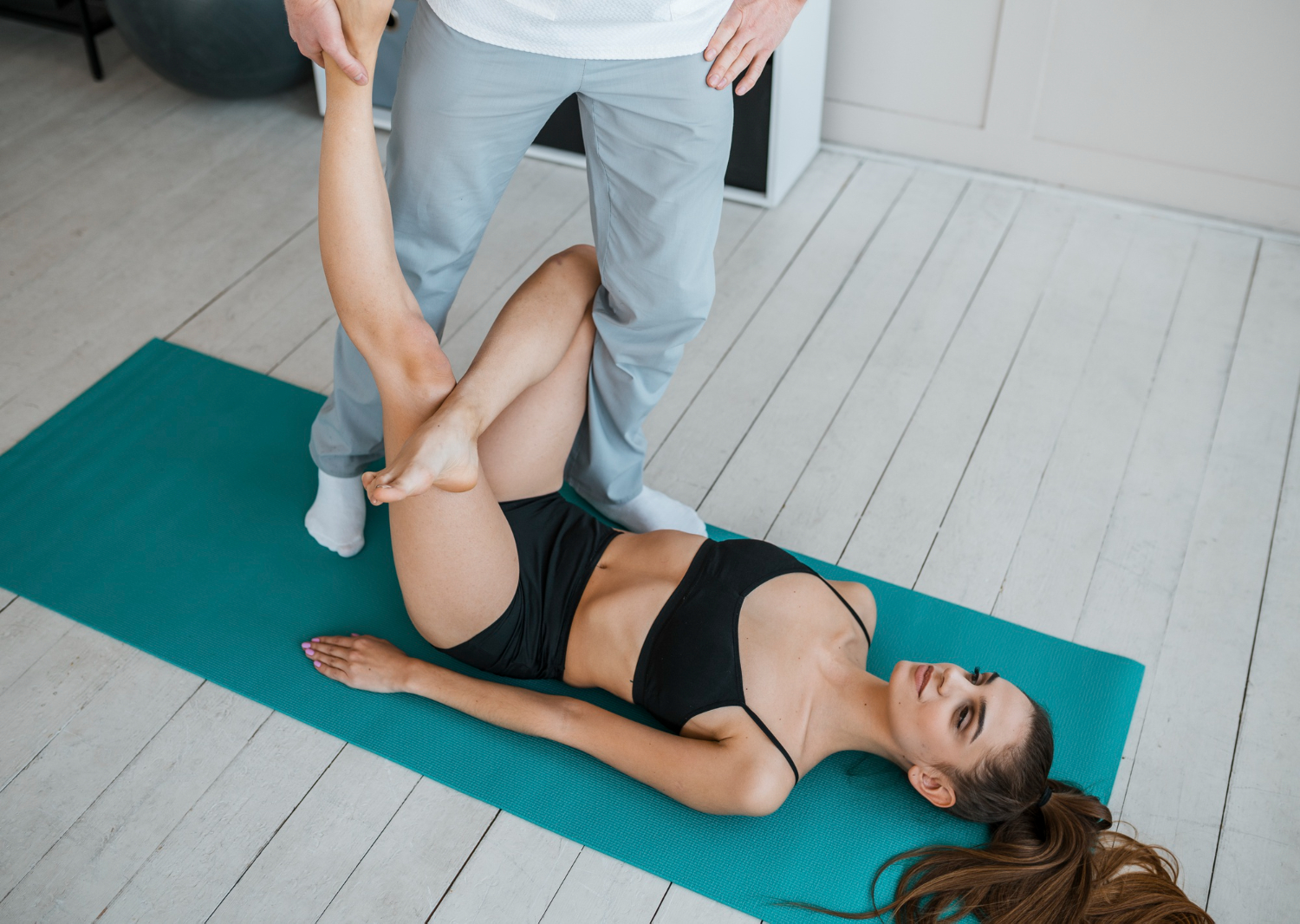
Leaking when you sneeze, a heavy dragging sensation, or abdominal separation after giving birth are common concerns, but they are not conditions you must simply accept. Pelvic floor physiotherapy is an evidence-based, non-surgical strategy to support recovery after childbirth, and supervised pelvic floor muscle training programs are commonly recommended as a first-line approach for stress and mixed urinary incontinence. At Vitruvian – Italian Physiotherapy Center in Dubai, physiotherapists assist new mothers through Pelvic floor rehabilitation Dubai programs that help restore strength, improve muscle control, and support confidence.
Pelvic Floor Physiotherapy After Birth: A Complete Guide for New Mums in Dubai
Approximately one-third of women experience urinary incontinence in the months following childbirth, and nearly the same percentage detect a separation in their belly muscles that lasts more than six weeks. However, most mothers are never informed that a brief course of professional physiotherapy might help manage these concerns. This blog explains what pelvic floor physiotherapy is, what the data suggests for postnatal recovery, when it is safe to resume exercising and running, and how to get professional care from Vitruvian – Italian Physiotherapy Center without a long wait.
Key Takeaway
Postnatal leakage, heaviness, and abdominal separation are typical but manageable issues. Current evidence supports supervised pelvic floor muscle training as a commonly recommended first-line approach. Research indicates that supervised muscle training provided through Pelvic floor therapy for incontinence Dubai can significantly improve stress urinary incontinence symptoms compared to no treatment. Vitruvian – Italian Physiotherapy Center’s physiotherapists deliver this care in Dubai through personalized clinic-based rehabilitation programs.
1 in 3
New mothers impacted
Develop urine incontinence three months after delivery.
3 months
First-line approach.
Minimum supervised pelvic floor training is advised.
56% vs 6%
Improvement Rate
Stress incontinence treated with training versus no therapy
many years.
Experienced Physiotherapy Care in Dubai
Vitruvian – Italian Physiotherapy Center provides specialized physiotherapy services in Dubai.
What is pelvic floor physiotherapy?
Pelvic floor physiotherapy Dubai focuses on the evaluation and treatment of the muscles, ligaments, and connective tissue supporting the bladder, bowel, and uterus. This area, similar to a supportive muscular structure between the pubic bone and tailbone, can experience dysfunction due to pregnancy and delivery, leading to issues such as urinary leaks, heaviness, discomfort during intimacy, and urgency. Assessment by a Pelvic physiotherapist Dubai helps determine whether the pelvic floor muscles are too weak (commonly postpartum) or too tight, as these conditions require different treatment approaches. Therefore, self-directed exercises like Kegel exercises may not provide the best results without proper assessment and guidance. At Vitruvian – Italian Physiotherapy Center, physiotherapists customize postnatal rehabilitation programs based on individual needs, encompassing recovery objectives such as pain-free baby lifting or returning to jogging.
Why does my pelvic floor change after having a baby?
Childbirth and pregnancy significantly strain the pelvic floor, particularly through vaginal delivery and related factors like prolonged labor or the use of tools such as forceps. While cesarean delivery reduces risk, pelvic floor stress occurs regardless of delivery method, making physiotherapy beneficial for many postpartum women. Additional postnatal stressors include constipation, hormonal changes, physical lifting, and returning to high-impact activities too soon. Fortunately, the body is designed to heal, and progressive physiotherapy is an effective way to support recovery.
What works for postnatal recovery?
Supervised pelvic floor muscle training is a recommended first-line treatment approach for stress and mixed urine incontinence, and there is good clinical evidence to support it. Research on pelvic floor exercises shows that supervised exercise programs can significantly improve stress incontinence symptoms. Clinical recommendations suggest starting with supervised Pelvic floor treatment Dubai as part of a personalized rehabilitation program before considering other treatment options.
Research shows that many women performing pelvic floor exercises without guidance may unintentionally activate the wrong muscles, hold their breath, or create unnecessary tension. A brief course of expert physiotherapy can help evaluate your technique, determine the appropriate exercise level, and safely progress your rehabilitation. The table below outlines the research supporting the most common concerns raised by new mothers:
| Postnatal concern | What the evidence supports | How physiotherapy helps |
| Urine leakage (stress incontinence) | Robust: Evidence-based first-line approach | Correct technique and gradual progression during supervised muscle training |
| Diastasis recti, or separation of the stomach | Excellent: Progressive exercise is the norm. | Graded whole-body and deep-core strengthening; lifting and load guidance |
| Feelings of prolapse or heaviness | Good: Conservative physiotherapy management | Advice on load management, muscle training, and symptom management; further referral if necessary |
| Going back to running and exercise | Excellent: Guidelines based on expert consensus | 12-week readiness screening; customized return-to-impact strategy |
When Can Pelvic Floor Exercises Be Started After Birth?
Many women can begin gentle pelvic floor exercises after childbirth, depending on their recovery and individual condition. Early engagement with these muscles is recommended to prevent long-term disorders. An effective initial program includes extended holds and short, rapid squeezes. Vitruvian – Italian Physiotherapy Center provides personalized Pelvic floor therapy Dubai services to assess muscle function and support safe recovery.
1. Find the right muscles
Sit comfortably. Imagine gradually preventing yourself from passing wind, then pulling up and in, as if you’re stopping the flow of urine. Your belly, buttocks, and thighs should remain relaxed while breathing properly.
2. Long holds for strength
Squeeze and hold for up to 10 seconds, then completely release between each. Aim for up to ten holds. Start by lying down, then graduate to sitting and standing as you gain strength.
3. Short, quick squeezes
Squeeze and let go immediately, repeating up to ten times. These exercises prepare your pelvic floor to respond quickly to a cough, sneeze, or raising your baby.
4. Three times a day, every day
Aim for three sets each day, linking them to something you already do, like feeding, boiling the kettle, or brushing your teeth. Earlier exercise approaches emphasizing very high repetition may not be suitable for everyone.
In addition to physiotherapy, many mothers find it helpful to use reminders and supportive tools. These tools can support adhering to a customized rehabilitation plan and maintaining consistency with pelvic floor exercises. They function best, though, when a physiotherapist has evaluated your technique and suggested a suitable exercise regimen tailored to your specific requirements.
How long does it take to recover after birth?
Most new mothers undergoing women’s pelvic floor rehab Dubai notice a gradual improvement in muscle recovery after around 12 weeks of supervised practice. Many women notice gradual improvement with consistent supervised pelvic floor rehabilitation over several months. Initial weeks focus on muscle reconnection and habit formation, with strength and endurance increasing from weeks three to six, leading to early leakage reduction. Recovery varies individually, affected by factors like labor type and perineal injury, emphasizing the importance of personalized physiotherapy over generic programs.
What is diastasis recti (the “mummy tummy”) and will it close?
“Diastasis recti” refers to the widening gap between the belly muscles during pregnancy, which commonly improves on its own post-delivery. Diastasis recti is common after pregnancy and may gradually improve with appropriate rehabilitation and strengthening exercises. Physiotherapy focuses on enhancing core control and strength for daily tasks, rather than relying solely on quick fixes such as abdominal binders. An evaluation at Vitruvian – Italian Physiotherapy Center can help identify persistent issues and create a personalized pelvic floor rehabilitation plan.
When can I run again after having a baby?
Many physiotherapists recommend waiting at least 12 weeks postpartum before resuming jogging or high-impact activities, emphasizing the need to meet specific strength and pelvic floor goals first. The “Returning to Running Postnatal” framework, based on expert consensus, advocates for a personalized, symptom-guided approach rather than a strict timeline. Early return increases the risk of leakage and prolapse due to ongoing healing. A physiotherapist may evaluate one’s “run readiness,” ensuring pelvic floor strength and overall body preparedness. Alternatives like walking, swimming, Pilates, and static cycling are recommended during the initial recovery phase. For those interested in returning to running or group activities, a customized assessment with Vitruvian – Italian Physiotherapy Center can provide a safe reintegration plan.
What about perineal tears, stitches, and C-section recovery?
Postpartum pelvic floor therapy Dubai also supports rehabilitation after perineal injuries and cesarean delivery. Most tears are mild and heal on their own, but more severe tears, known as third- or fourth-degree or obstetric anal sphincter injuries (OASI), require specialized follow-up, and pelvic health physiotherapy is an essential component of that treatment. If you have a significant tear, specialized medical follow-up and pelvic health physiotherapy can support recovery and rehabilitation. Vitruvian – Italian Physiotherapy Center can provide personalized physiotherapy support according to individual recovery needs.
After a cesarean, your pelvic floor still needs rehabilitation; the pregnancy burdened it for nine months regardless of how you gave birth, and your abdominal wall and scar require delicate, incremental healing. Physiotherapy improves scar sensitivity, deep-core strength, posture, and a gradual reintroduction to exercise. Whatever type of delivery you had, you don’t have to wait until anything goes wrong to seek help; a proactive examination provides confidence and a clear strategy.
How does postnatal recovery affect how I feel?
Physical healing and mental well-being after delivery are inextricably intertwined. Postnatal depression can affect some women after delivery and may influence confidence, sleep, exercise, and mood. Feeling able to move without worrying about leaks, lift your baby without pain, and return to activities you like are all aspects of feeling like yourself again.
At Vitruvian – Italian Physiotherapy Center, we adopt a holistic approach: Recovery focuses on both physical function and daily activities, not simply your symptoms. Our qualified physiotherapists listen first, explain clearly, and design a strategy around what is important to you. If you are dealing with your mood as well as your recovery, please consult a qualified healthcare professional for additional support; help is available, and asking for it is a show of strength, not weakness.
How Vitruvian – Italian Physiotherapy Center treats postnatal pelvic health in Dubai
At Vitruvian – Italian Physiotherapy Center, physiotherapists provide discreet postnatal assessments and Pelvic health physiotherapy Dubai through personalized rehabilitation programs. Patients seeking the best pelvic floor physiotherapy in Dubai can benefit from personalized pelvic health rehabilitation programs at Vitruvian – Italian Physiotherapy Center.
Your first appointment is a comprehensive, unhurried evaluation in a quiet, private treatment room or in the comfort of your own home. Vitruvian – Italian Physiotherapy Center takes a complete history, listens to patient objectives, and, only with your informed consent, performs any necessary assessments to understand your pelvic floor and abdominal recovery. From there, we design a program that fits into your real life as a new parent: a daily routine that you can really stick to around your baby, hands-on technique coaching, a graded plan for tummy separation and return to activity, and clear milestones. Home visits are especially beneficial for new moms because the practical barrier of leaving the house with a baby often prevents women from seeking help.
When should I seek urgent medical help?
Pelvic floor physiotherapy is quite successful for the majority of postnatal symptoms, although a limited number of issues require immediate medical attention rather than exercise. Seek urgent medical advice from a qualified healthcare professional or emergency medical service when necessary.
Seek medical advice quickly if you have:
- Heavy or increasing blood loss, foul-smelling discharge, or fever are all possible indicators of infection.
- Severe or increasing discomfort in your stomach, perineum, or cesarean wound, as well as an open or leaking incision.
- Inability to regulate your bowels or wind, or an unexpected inability to urinate.
- Seek immediate medical attention if you have new numbness around your genitals, inner thighs, or rectal area, as well as new leg weakness.
Chartered physiotherapists are also trained to look for these warning signals throughout your examination and send you to the right person when necessary. Working with a qualified physiotherapist provides professional guidance and supports safe rehabilitation.
Pelvic floor physiotherapy at every life stage
Although this information is geared toward new moms, pelvic floor dysfunction treatment Dubai may benefit individuals at every life stage, depending on their condition. Reduced estrogen levels thin and weaken tissues throughout perimenopause and menopause, and supervised muscle exercise remains quite beneficial, frequently in conjunction with other treatments that may be recommended by a healthcare professional. Female athletes frequently suffer leakage in high-impact sports and believe it is normal; tailored training combined with breathing-mechanics instruction typically restores confident participation in physical activity. Men also benefit, especially after prostate surgery or persistent pelvic discomfort, when systematic pelvic floor therapy is an evidence-based aspect of the recovery process. For older individuals, pelvic floor physiotherapy at home, along with bladder training and fall prevention, preserves dignity and independence. Vitruvian – Italian Physiotherapy Center can help you at every stage of life.
https://www.perplexity.ai/search/27dba377-692b-4227-a6a9-cb2026590e97
FAQs
Is it normal to leak urine after having a baby?
Leaking urine when coughing, sneezing, laughing, or running is frequent after birth; approximately one in every three women has it three months after giving birth, but it does not have to be a permanent condition. The majority of women benefit from supervised pelvic floor muscle exercise, and the younger you start, the better.
When can I start running after giving birth?
Many physiotherapists wait at least 12 weeks after birth before resuming jogging or high-impact activity, and only when your pelvic floor and strength can withstand impact. Return should be individual and symptom-guided, rather than time-bound. A physiotherapy "run readiness" evaluation provides you with a safe, tailored strategy.
Do I need pelvic floor physiotherapy if I had a cesarean?
Yes, a cesarean lessens but does not erase pelvic floor tension, because pregnancy stresses these muscles for nine months regardless of how you give birth. After a cesarean, you also have an abdominal wall and scar to reconstruct. Everyone can benefit from pelvic floor and core rehabilitation after delivering a baby.
What happens at a postnatal physiotherapy assessment?
A postnatal physiotherapy evaluation at Vitruvian – Italian Physiotherapy Center is a comprehensive, unhurried appointment in our Dubai clinic or at your house. Your qualified physiotherapist performs a comprehensive assessment of your medical history, discusses your goals, and, with your informed consent, assesses your pelvic floor and tummy recovery before developing a personalized program with clear milestones for leaking, tummy separation, and return to exercise.
Can pelvic floor physiotherapy help with persistent pelvic pressure?
Yes. Pelvic floor physiotherapy can reduce symptoms of pelvic pressure by increasing muscular coordination, strength, and relaxation. A physiotherapist assesses your symptoms, posture, and movement patterns before developing a specific workout regimen. Early therapy may also alleviate pain during everyday activities while improving overall pelvic stability.
Is pelvic floor physiotherapy only recommended for women after pregnancy?
No. Pelvic floor physiotherapy is beneficial to women of all ages, even those who have never been pregnant. It may aid with bladder control, pelvic discomfort, recuperation after gynecological surgery, and age-related muscular weakness. Men might also benefit from pelvic floor therapy for certain pelvic health issues.
How often should I perform pelvic floor exercises?
Your exercise program is determined by your symptoms, muscular strength, and treatment goals. Many people are recommended to do pelvic floor exercises multiple times a day, but quality is more important than quantity. A physiotherapist ensures that you complete each exercise correctly to achieve the best benefits and avoid excessive muscular tension.
Can pelvic floor physiotherapy help alleviate discomfort during intimacy?
Yes. Tight or hyperactive pelvic floor muscles can cause discomfort during intimacy. Pelvic floor physiotherapy aims to improve muscular flexibility, relaxation, and coordination through guided approaches and specific exercises. Treatment is tailored to address the underlying cause while also promoting long-term pelvic health.
How do I know if my pelvic floor muscles are weak?
Common symptoms include inadvertent urine leaks, difficulties regulating bowel motions, a heavy pelvic feeling, and decreased core stability. However, symptoms differ across people. A professional pelvic floor evaluation can correctly detect muscle function and recommend whether strengthening, relaxation, or a mix of the two is necessary.