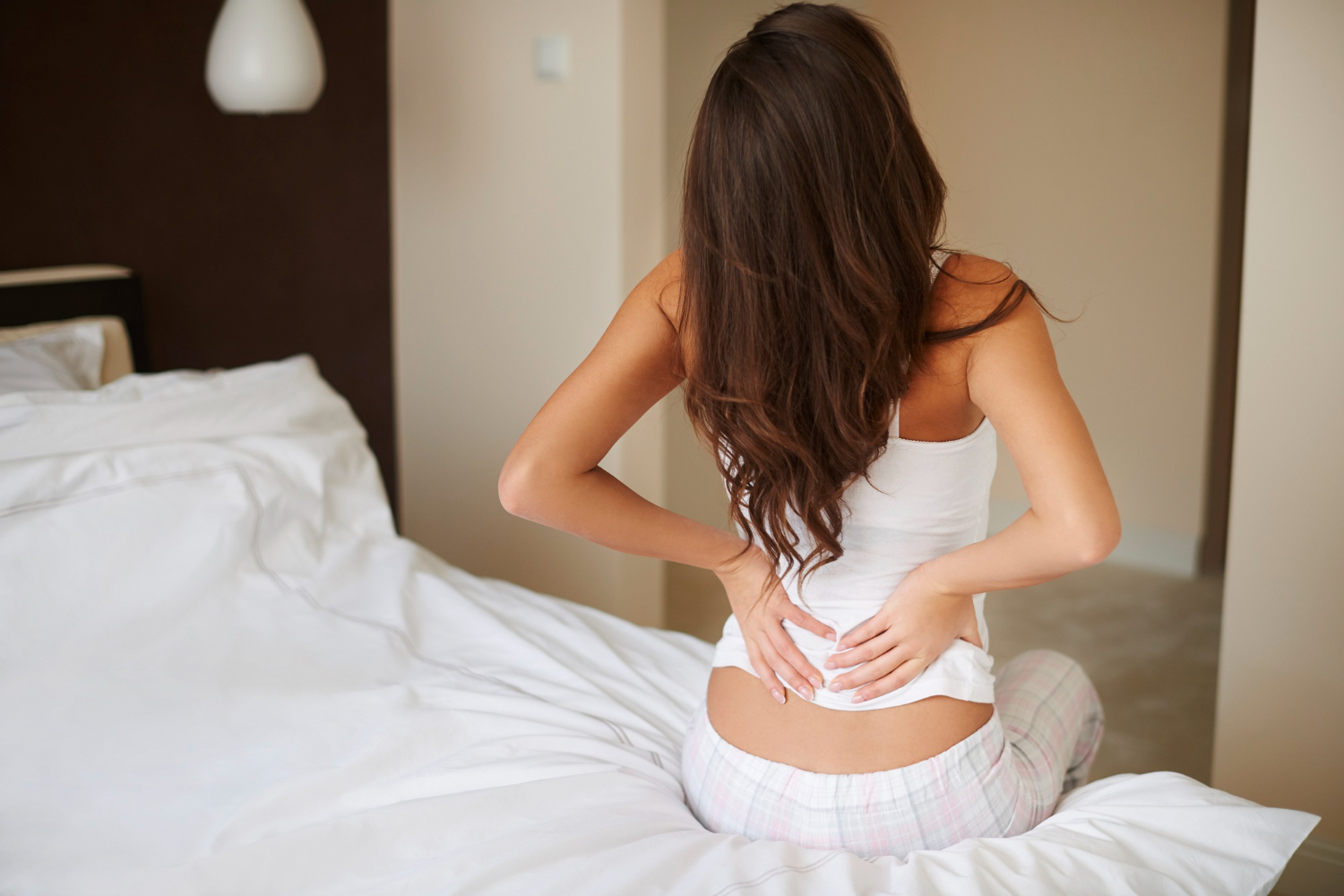
Your body is telling you that something has to change when you experience a quick, acute stab or deep, nagging discomfort in your lower back. The first thing to realize if you’re struggling with severe lower back pain Dubai is that you’re not alone. The second, and most crucial, is that you can manage the pain and take back your life by making practical lifestyle adjustments.
This blog provides practical suggestions and evidence-based recommendations to help you get back on your feet.
Understanding Your Lower Back Pain
Consider your discomfort as your body’s warning signal. Ignoring it won’t resolve the fundamental problem. Knowing what that signal implies is the first genuine step toward finding suitable Lower back pain treatment Dubai and starting the right recovery approach. Is it a straightforward mechanical problem, such as a strained muscle from an uncomfortable lift, or does it indicate the need for a professional evaluation?
Finding the source of the issue is crucial. First, let’s assess the severity of the problem and learn how to differentiate between a typical discomfort and a true medical emergency.
Just How Common Is It?
Back pain is a prevalent health issue, leading many to seek medical advice. Lower back pain is one of the most common musculoskeletal conditions worldwide and a frequent reason people seek physiotherapy. Maintaining regular movement and following an appropriate rehabilitation program can help reduce pain and improve function.
Everyday Aches vs. Red Flag Warnings
Most cases of lower back pain are mechanical in nature, related to the spine’s muscles, ligaments, and joints, and may improve with appropriate self-care, gentle exercise, and lifestyle changes. It’s crucial to differentiate between mechanical pain and “red flag” symptoms that necessitate immediate medical attention. Consider questions about the nature of the pain: Did it start suddenly after an activity, indicating a potentially strained muscle or ligament? Is it a persistent ache worsening with prolonged sitting or standing, suggesting posture or spinal issues? Is the pain shooting and sharp, indicative of sciatica and requiring professional Sciatica treatment Dubai? Becoming aware of these details empowers individuals in their recovery and enhances communication with healthcare professionals.
Red Flag Symptoms: When To Seek Urgent Medical Help
Although most cases of back pain are not medical emergencies, certain symptoms may indicate a serious underlying condition that requires immediate attention. Although these conditions are uncommon, these symptoms should be evaluated promptly by a qualified healthcare professional. For most other cases of back pain, a conservative approach focused on lifestyle modifications and appropriate care is usually recommended.
Why Your Lower Back Hurts: Common Causes and Triggers
To effectively treat severe lower back pain, it is crucial to first identify its cause. The lower back, despite being an engineering marvel of strength and flexibility, is constantly under stress, particularly when any part is weak or overworked. Most issues are mechanical, linked to the spine’s components like muscles, ligaments, and shock-absorbing discs. Painful strains or sprains can result from individual incidents, but often, discomfort arises from the cumulative effects of everyday activities.
The Everyday Triggers That Fuel Back Pain
Persistent lower back discomfort often stems from modern lifestyle habits. Prolonged sitting, especially in unsupportive chairs, places additional stress on the spine and surrounding muscles, straining spinal discs and weakening supportive muscles. Common triggers include sedentary habits that weaken core muscles and misalign the pelvis, poor posture while using devices, the “Weekend Warrior” effect from sudden intense exercise after inactivity, and inappropriate lifting techniques that risk serious injury. To avoid strain, it is crucial to maintain proper posture and use correct lifting techniques.
Your body is an interconnected system
Understanding that the back is part of a larger interconnected body system is crucial for addressing pain. Issues like stress can significantly affect back health by releasing cortisol, which tightens muscles. Chronic stress, poor diet, and inadequate sleep may contribute to increased inflammation and pain sensitivity. By tackling these broader lifestyle factors, one can reduce strain on the lower back and foster a healing environment, which is essential in breaking the cycle of recurring back pain.
Your First Steps To Pain Relief At Home
Vitruvian – Italian Physiotherapy Center provides personalized Physiotherapy for back pain Dubai to help identify the cause of lower back pain and support safe recovery. But one of the most effective ways to regain control is to have a workable, evidence-based strategy for what to do right away.
These are the first steps that may help reduce pain and support early recovery. It’s about reducing the initial discomfort and swelling and helping you start your at-home recovery. Making wise, compassionate decisions that support your body’s natural healing process is the aim.
The Myth Of Complete Bed Rest
In the past, total bed rest was recommended for a sore back, but it is now known to be counterproductive. Long-term inactivity leads to hardened joints, weakened muscles, and increased recovery time. Instead, focus on relative rest—avoiding activities that cause significant pain while engaging in mild movements, such as walking. Healing requires movement, as it promotes blood flow to the injured area, supplies necessary nutrients and oxygen, and helps prevent muscle stiffness that can prolong pain.
Using Heat And Cold Therapy Correctly
One easy and efficient technique to treat acute pain is to apply hot or cold packs. To maximize the benefits, you must know which to use and when.
- Cold Therapy (Ice): Ice is your best option for the first 48 hours following an accident or flare-up. It has a numbing effect for instant relief and narrows blood vessels, which lessens swelling and inflammation. How to use: Several times a day, wrap an ice pack in a thin towel and apply it for 15 to 20 minutes at a time.
- Heat Therapy (Warmth): Use heat therapy for persistent muscular discomfort or after the first 48-hour window. In order to promote longer-term recovery, a warm bath, heating pad, or hot water bottle can assist in easing tense muscles and increasing blood flow.
Over-The-Counter Pain Relief
Over-the-counter drugs can offer the short-term respite needed to continue moving softly and sleeping when the pain is intense. Since they address both pain and inflammation, non-steroidal anti-inflammatory medications (NSAIDs) like ibuprofen are frequently a useful starting point.
Use them solely for temporary relief and always adhere to the packaging instructions. Consult a qualified healthcare professional or pharmacist before use if you have existing medical conditions or take other medications.
Gentle Stretches For Initial Relief
Vitruvian – Italian Physiotherapy Center recommends that these exercises be performed after an appropriate physiotherapy assessment. Start with the Knee-to-Chest Stretch by lying on your back, bending your knees, and pulling one leg towards your chest for 20-30 seconds before switching sides. Perform pelvic tilts by lying on your back, feet flat and knees bent, tightening your stomach muscles to lift your pelvis and flatten your lower back against the floor.
Building A Stronger Back For Long-Term Health
Indeed, controlling flare-ups is not enough to provide long-lasting relief from severe lower back pain. It’s about making proactive, long-lasting lifestyle adjustments to develop a stronger, more robust back that can manage life’s challenges. This entails building a strong base of flexibility, strength, and healthy behaviors to safeguard your spine for many years to come.
If lower back pain persists despite self-care measures or interferes with daily activities, Vitruvian – Italian Physiotherapy Center offers evidence-based physiotherapy assessments and personalized rehabilitation programs to help you recover, regain mobility, and reduce your risk of recurring episodes.
The Power Of A Strong Core for Lower Back Health
In actuality, improving your back entails developing your core. Think of your core as a muscular corset that supports your entire torso. Its purpose is to keep your spine stable during all of your movements. Your lower back’s smaller muscles will have to overcompensate if this corset is weak, which may cause tension and pain.
It’s not necessary to perform countless sit-ups or crunches to have a strong core. Exercises that are straightforward and focused work much better.
- Plank: There’s a reason this is a classic. It educates your entire core on how to maintain a neutral posture for your spine. Hold for 20 to 30 seconds at first, paying attention to maintaining a straight back.
- Bird-Dog Exercise: This workout enhances coordination and stability. Keeping your back flat, slowly stretch one arm forward and the opposing leg straight back while on your hands and knees.
- Glute Bridges Exercise: Your lower back is supported by your gluteal muscles. Squeeze your glutes at the top as you raise your hips toward the sky while lying on your back with your legs bent.
Embrace Low-Impact Movement
Low-impact exercise is vital for spinal health, while high-impact activities may worsen back discomfort. These exercises enhance blood flow, lubricate joints, and build strength without straining the spine. Walking is an effective method to strengthen spinal support muscles. Swimming and water aerobics are also beneficial due to reduced joint strain. Consistency is key; a regular 20-minute walk is more advantageous than infrequent strenuous workouts, aiming to establish a lasting habit.
Create A Back-Friendly Environment
Your back health is greatly influenced by your surroundings, particularly at work. Exercise attempts might be undermined by spending hours slumped over a laptop or in a bad chair. Any preventative strategy must include proper ergonomics.
Using specialized rehabilitation exercises, such as targeted rehabilitation exercises, can significantly improve your spine’s support. For the stability of your back, the muscles surrounding your hips are also essential. Improving hip strength and mobility can also support spinal stability and complement your back care routine.
Healthy Weight And Nutrition
The final component of maintaining a healthy back involves proper weight management and nutrition. Excess weight, particularly in the abdominal area, places significant strain on the lower back’s tissues, impacting spinal discs and muscles. Dietary choices play a crucial role in managing inflammation; consuming anti-inflammatory foods such as leafy greens, fatty fish, almonds, and berries can help, while processed foods and sugars may worsen inflammation. Making conscious lifestyle changes can lead to a stronger, healthier back.
Your Back-Friendly Daily Checklist
Simple daily routines can significantly promote spinal health and reduce the risk of back pain. You can improve flexibility, support spinal stability, and promote long-term back health by stretching regularly, taking frequent walks, staying hydrated, lifting objects correctly, and engaging your core muscles throughout the day. Maintaining good posture while sitting and standing, avoiding prolonged periods of inactivity, and taking regular movement breaks can also help reduce unnecessary strain on your spine. Consistently following these healthy habits supports better mobility, improves overall spinal function, and contributes to long-term back health.
One of the most effective ways to protect your back is to incorporate these simple habits into your daily routine.
When to See a Professional
The initial stages in treating severe lower back pain are frequently self-care and lifestyle modifications. But it’s also crucial to know when to get professional physiotherapy care. It’s a wise, calculated decision for your long-term health rather than a sign of failure.
If you’ve been taking care of yourself for a few weeks and there hasn’t been any noticeable change, it’s time to seek assessment at Vitruvian – Italian Physiotherapy Center, a trusted lumbar pain clinic Dubai providing professional care for patients. Additionally, if the pain is getting worse, seriously interfering with your sleep, or making it difficult for you to work or carry out everyday tasks, you should get treatment.
The most important lesson is that building a resilient back and ending the cycle of recurrent pain requires making tiny, persistent, good decisions.
What to Expect From a Clinical Examination
A physiotherapy assessment at Vitruvian – Italian Physiotherapy Center begins with a thorough discussion of the pain’s onset, characteristics, and relieving and aggravating factors, which is critical for developing an appropriate treatment plan. Following the assessment, physiotherapists conduct a physical examination, which includes gait and posture assessment, range-of-motion testing, soft tissue and joint palpation, and neurological assessment if sciatica is suspected. The goal is to establish a clinical assessment with guidance from experienced professionals, including a Spine specialist Dubai evaluation when required, and eliminate significant underlying issues.
Why You Probably Don’t Need a Scan Just Yet
Back pain rarely necessitates immediate MRI or X-ray scans, as early imaging can be more harmful than helpful. Research shows that many people without back pain may also have age-related imaging findings. Early imaging may lead to unnecessary anxiety and treatments if someone incorrectly assumes that age-related findings are the source of pain. Imaging is appropriate only when specific warning signs are present, signs of nerve injury persist, or conservative treatments have failed after six weeks. A methodical approach ensures diagnoses are based on physical evaluations and symptoms, informing a tailored treatment strategy.
Finding the Right Treatment Path for Your Recovery
Creating a customized rehabilitation plan for severe lower back pain requires collaboration between you and the physiotherapists at Vitruvian – Italian Physiotherapy Center, offering personalized VIP back pain treatment Dubai based on individual needs. The primary focus is on conservative care, which encompasses non-surgical treatments aimed at reducing discomfort, restoring movement, and preventing recurrence. Key conservative options include physiotherapy, exercise rehabilitation, manual therapy, and other evidence-based conservative treatments. The choice of treatment depends on individual conditions and preferences, guided by the physiotherapists at Vitruvian – Italian Physiotherapy Center.
When Are More Advanced Treatments Considered?
Conservative therapy is effective for many patients; however, advanced options may be considered when acute nerve compression or severe, persistent pain is evident. If conservative measures fail, referral for further medical evaluation may be recommended for effective treatment. Options include pain management injections, such as epidural steroid injections, which target nerve-related pain and can facilitate rehabilitation. Surgery is reserved for serious structural issues that have not responded to conservative treatment, like nerve compression causing weakness. If surgery is required, appropriate medical evaluation helps determine whether surgical intervention is the most suitable option.
Got Questions About Your Lower Back Pain?
It’s quite natural to have questions when you’re dealing with severe lower back pain. One of the most important steps to feeling in charge of your rehabilitation is to get precise, reliable answers. These are responses to some of the most frequently asked questions.
https://www.perplexity.ai/search/593c9692-54e6-4a47-beba-2386db4fbc55
FAQs
Do I Need An MRI Scan Right Away?
The answer is no for the majority of individuals. The great majority of lower back discomfort is "mechanical," meaning it comes from ligaments, joints, and muscles. The first treatment approach, which emphasizes physiotherapy, moderate mobility, and activity moderation, is seldom altered by an early MRI. Scans are usually saved for situations when there are "red flag" symptoms, unresolved nerve problems, or pain that does not go away after several weeks of continuous, focused conservative therapy.
Is It Safe To Exercise With A Bad Back?
Engaging in gentle exercise is beneficial, as complete bed rest can hinder recovery by tightening joints and weakening muscles. Activities like walking and swimming enhance blood flow, reduce stiffness, and strengthen spinal support muscles. It is essential to listen to your body and avoid any movements that cause sudden or significant pain.
How can daily habits help prevent lower back pain from returning?
After recovery, small daily routines can be crucial in protecting your lower back. It is possible to lessen the strain on spinal structures by maintaining proper posture, being active, using safe lifting techniques, and taking regular breaks from movement. Maintaining a regular routine reduces the likelihood of pain while promoting comfort, strength, and mobility.
What are common signs that lower back pain needs professional attention?
Some symptoms, such as increasing discomfort, restricted mobility, or trouble carrying out everyday tasks, may suggest that a physiotherapy evaluation is necessary. Identifying contributing factors and developing an appropriate rehabilitation plan can be facilitated by early guidance. Expert assistance could speed up healing and effectively stop pain from lowering your quality of life.
Can posture changes make a difference in lower back pain management?
Indeed, better posture can lessen the needless strain that everyday activities place on the lower back. Better movement patterns may be supported by modifying sitting positions, preserving spinal alignment, and setting up an ergonomic workspace. These easy adjustments can help enhance comfort and lessen repetitive strain on back muscles when paired with the right exercises.
How does physiotherapy support recovery from lower back pain?
Physiotherapy relieves discomfort by treating muscle weakness, flexibility problems, and movement restrictions. A physiotherapist can evaluate your condition and create a customized program that includes mobility techniques, manual therapy, and exercises. This strategy seeks to boost confidence, restore function, and facilitate a safe, gradual return to regular activities.
Can lower back pain be managed without surgical treatment?
Conservative treatment, which includes exercise, physiotherapy, and lifestyle modifications, helps many cases of lower back pain. The cause and intensity of the symptoms determine the best course of action. A professional evaluation aids in choosing the best course of action, enabling patients to concentrate on their recuperation while avoiding pointless interventions to safely restore daily function.
Vitruvian - Italian Physiotherapy Center offers personalized physiotherapy assessments and evidence-based rehabilitation programs to help manage lower back pain, restore mobility, and promote long-term recovery. Contact Vitruvian - Italian Physiotherapy Center to set up a physiotherapy assessment and start your personalized rehabilitation program.