Introduction
Tennis elbow, medically known as lateral epicondylitis, is a common overuse condition that can affect golfers due to repetitive strain on the forearm muscles and tendons. Due to the repetitive movements involved in swinging a golf club, golfers are just as vulnerable to this condition as tennis players despite its name. This blog explains lateral epicondylitis, how it affects golfers, and practical management strategies, including Tennis Elbow Treatment Dubai.
Understanding Lateral Epicondylitis (Tennis Elbow)
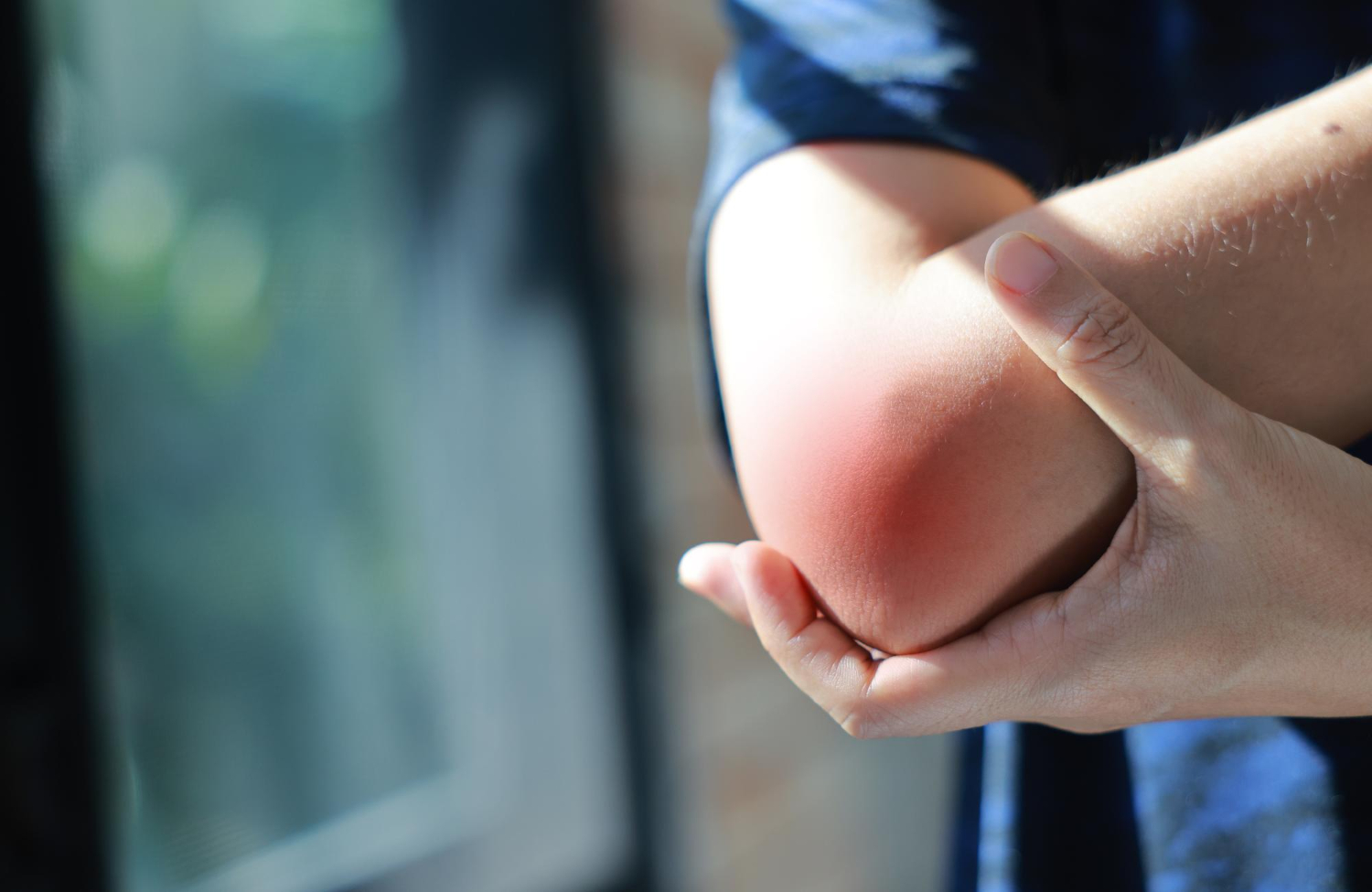
Lateral epicondylitis refers to discomfort on the outside of the elbow, where the tendons connecting the forearm muscles to the bone become irritated.
This condition usually develops in golfers as a result of the intense and repeated contractions of the forearm muscles during the swing.
Excessive stress on these tendons can result in discomfort, microtears, and reduced performance during golf.
The Impact on Golfers
The development of lateral epicondylitis can be troublesome for golfers.
The soreness and stiffness in the elbow can severely impede their ability to swing the club with precision and force.
Furthermore, untreated or poorly managed tennis elbow can become chronic, making timely management important for individuals seeking chronic tennis elbow cure Dubai.
7 Effective Management and Treatment Strategies
Early management is essential to minimizing the worsening of symptoms and promoting a quick recovery, just as with any injury. The following seven methods are useful for golfers with lateral epicondylitis:
1. Rest and Modification of Activities:
Individuals may need to temporarily avoid activities like swinging a club that worsen their symptoms. To lessen the strain on the affected elbow, they may also need to adjust their equipment or swing style. For example, a thicker grip may help lessen the discomfort when playing.
2. Ice Therapy:
Pain and inflammation can be reduced by applying cold packs to the affected area as part of Tennis Elbow Pain Relief Dubai strategies. Ice the elbow for a maximum of 15 to 20 minutes many times a day, especially after practicing or playing, if this method helps.
3. Stretching and Strengthening Exercises:
A personalized exercise program focusing on stretching and strengthening the forearm muscles while improving overall arm movement can help reduce discomfort. Tennis elbow therapy Dubai often includes rehabilitation with eccentric movements such as light-resistance wrist curls.
4. Manual Therapy:
To reduce muscular tension, enhance circulation, and encourage healing in the affected area, manual therapy techniques like massage, myofascial release, and joint mobilizations may be helpful during Elbow Pain Treatment Dubai.
5. Bracing and Support:
The aggravation of discomfort can be lessened by using an elbow brace or strap to give external support and relieve the tension on the tendons during activities that exacerbate symptoms.
6. Gradual Return to Golf:
A gradual return-to-golf approach that emphasizes adequate warm-up, technique improvement, and monitoring for any indicators of recurrence or worsening of symptoms is the ideal way to resume playing.
7. Professional Guidance:
In severe or persistent cases, assessment by a tennis elbow specialist Dubai with experience in musculoskeletal rehabilitation may be recommended to investigate alternative treatment options, such as corticosteroid injections or surgery.
Seek Professional Help
Vitruvian – Italian Physiotherapy Center is committed to helping individuals manage and recover from tennis elbow through evidence-based physiotherapy and personalized rehabilitation programs, providing the best tennis elbow treatment in Dubai. Remember, early intervention and a detailed treatment plan are critical components of effective recovery.
Conclusion
Tennis elbow, also known as lateral epicondylitis, can cause serious problems for golfers, affecting both their performance and the pleasure of the game. However, most golfers may overcome this condition and return to the fairways stronger and more resilient with guidance from a Tennis Elbow Rehab Center Dubai.
https://www.perplexity.ai/search/7e4e112e-8489-4f46-ace0-24d09d1be590
FAQs
Can tennis elbow heal without surgery?
Yes. Most cases recover with conservative treatment, including rest, physiotherapy, activity moderation, targeted strengthening exercises, and pain management. Surgery is usually considered only when symptoms are severe enough to interfere with everyday activities or work performance and continue after several months of supervised rehabilitation.
How do strengthening exercises help tennis elbow?
Specific strengthening exercises progressively support tendon healing, enhance forearm muscular endurance, and minimize stress on the elbow during normal tasks. In addition to promoting long-term tendon health, performing these exercises under the supervision of a physiotherapist helps restore function, reduce discomfort, and lessen the chance of recurrent flare-ups.
Should I wear an elbow brace for tennis elbow?
During everyday activities or sports, an elbow brace or counterforce strap may momentarily lessen the tension on the affected tendon. It can increase comfort, but it shouldn't take the place of rehabilitative exercises. Long-term results are frequently better when bracing and physiotherapy are combined than when supportive devices are used exclusively.
When should I seek professional treatment for tennis elbow?
Seek professional assessment if elbow discomfort persists for a few weeks, gets worse at home, interferes with normal tasks, or weakens your grip. Early evaluation provides an accurate diagnosis, identifies relevant variables, and ensures prompt treatment to prevent persistent problems and encourage a faster, more complete recovery.