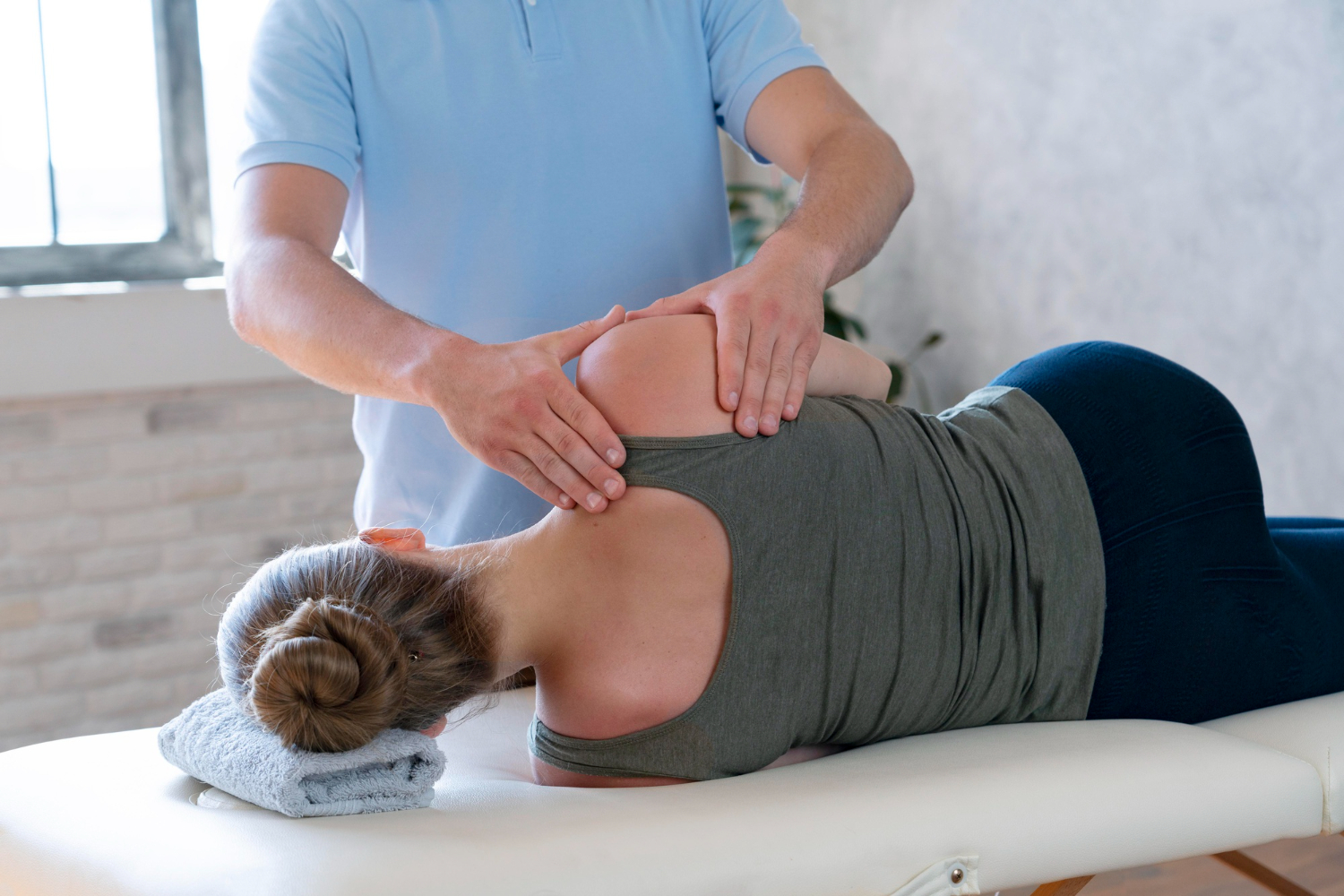
The birth of a child is a joyful and unique moment in a mother’s life. However, giving birth and recovering thereafter can be difficult, especially if the mother had a C-section. After a cesarean section (C-section), women may have low back discomfort, pelvic floor muscle weakness, urinary incontinence, and pain at the site of the incision. While natural healing is important, post-surgery physiotherapy Dubai can significantly support and speed up recovery.
The Physical Impact of a C-Section
A large abdominal procedure called a C-section involves cutting through several layers of tissue and muscles before carefully closing them after delivery. Although the procedure can save lives in many situations, certain recovery challenges may occur. Typical postoperative problems include:
- Pain and stiffness: Especially in the vicinity of the lower back and the incision site.
- Scar tissue formation: This may result in decreased mobility and adhesions.
- Weakened abdominal muscles: Impacting posture and core strength.
- Pelvic floor dysfunction: Pregnancy itself puts a lot of strain on the pelvic floor, even if the baby doesn’t go through the birth canal.
- Difficulty with basic movements: Movements such as standing, lifting, or sitting up can become difficult during early recovery.
With specialized postnatal care at a Physiotherapy Center Dubai, women can overcome these obstacles safely and effectively.
The Road to Recovering from a C-Section
It’s not always the case that vaginal birth causes more physical stress than cesarean delivery, despite what some people think. Compared to women who give birth vaginally, women who have a C-section often experience pelvic and lower back discomfort during recovery. Recovery can be facilitated by several strategies, such as rest, medicine, and mental health services. However, physiotherapy is a crucial component of a comprehensive rehabilitation plan, and many women benefit from professional physiotherapy Dubai services as part of their postpartum recovery.
How Physiotherapy Can Help
Physiotherapy uses education, manual treatment, and targeted exercises to address these issues to restore movement and function. Here are a few of the main advantages:
- Pain Control: Pain following surgery may make daily activities difficult. To relieve pain, physiotherapists employ methods including massage, mild movement, and TENS (transcutaneous electrical nerve stimulation), techniques commonly used in rehabilitation programs for sports physiotherapy Dubai. To guarantee efficient pain alleviation, the top physiotherapist in Dubai can guide you through these methods.
- Management of Scar Tissue: By minimizing the production of scar tissue, certain massage methods and exercises can lower the risk of adhesions that may eventually cause discomfort or limit movement.
- Enhanced Mobility: To avoid consequences like blood clots and stiffness, early mobilization under professional guidance is essential, similar to strategies used in orthopedic physiotherapy Dubai for restoring joint and muscle function. To assist in restoring mobility without putting undue strain on the area where the incision was made, a skilled physiotherapist can guide new mothers through safe rehabilitation exercises.
- Pelvic floor and core strengthening: Pregnancy and surgery can cause significant changes in the pelvic floor and core muscles. In order to improve posture, stability, and bladder control, a licensed physiotherapist Dubai can create individualized regimens for each patient.
- Mechanics of the Body and Posture: Poor posture from carrying, nursing, and caring for a newborn can exacerbate pain and discomfort. To avoid strain, physiotherapy assists new moms in improving their body mechanics.
- Mental Health: The connection between emotional well-being and physical rehabilitation is strong. During the postpartum phase, regaining physical function and minimizing discomfort can boost self-esteem and reduce feelings of frustration or powerlessness.
When to Start Physiotherapy
Many new moms are uncertain about when to start physiotherapy. This is a general timeline:
- First 6 weeks: Prioritize pelvic floor stimulation, relaxation, and mild breathing techniques. Avoid physically demanding activities.
- 6–12 weeks postpartum: Under the supervision of a physiotherapist Dubai, start doing mild strengthening exercises to rebuild strength and stability safely.
- After 12 weeks: Gradually increase the intensity of your exercises as your body permits, always putting your comfort and safety first.
Seeking Professional Help
A licensed physiotherapist with expertise in postpartum recovery should be consulted, and many mothers also look for an affordable physiotherapist Dubai to ensure long-term rehabilitation support. To guarantee a safe and successful rehabilitation, they will evaluate your unique needs and develop a personalized strategy that may include exercises, manual therapy, and education on postpartum recovery techniques. Physiotherapy treatments are available at specialized clinics, often supporting both mother and baby with pediatric physiotherapy Dubai.
Mothers recuperating from a C-section might benefit greatly from physiotherapy. Physiotherapy guarantees a quicker recovery by reducing discomfort, increasing mobility, and strengthening the pelvic floor and core. The Physiotherapy clinic Dubai offers comprehensive postpartum care to mothers recuperating from a C-section delivery. Throughout the healing process, a certified physiotherapist can offer secure direction and assistance. Consult your healthcare provider before starting any new rehabilitation program.
Vitruvian – Italian Physiotherapy Center in Dubai
Our certified physiotherapist Dubai team at Vitruvian-Italian Physiotherapy Center has expertise in postpartum and postoperative rehabilitation. The team’s areas of expertise include core strengthening, pelvic health, and postpartum recovery.Our team, including the best physiotherapist Dubai, works to improve total physical function, reduce pain, and restore mobility using research-supported approaches and a comprehensive rehabilitation approach. Every mother receives a customized treatment plan to guarantee a secure, efficient, and enjoyable recovery.
FAQs
When should I start physiotherapy after a C-section?
Depending on physician guidance, most women can start mild physical therapy a few days to weeks after giving birth. Light motions and early breathing exercises promote healing and circulation. A certified physiotherapist will create a safe, incremental rehabilitation plan based on your comfort level and condition.
Can physiotherapy reduce C-section scar pain and tightness?
Indeed, adhesions, stiffness, and pain surrounding the incision site can be lessened by physiotherapy methods such as scar mobilization and soft tissue treatment. In addition to facilitating a smooth scar healing process, proper therapy increases circulation and flexibility, avoiding tugging sensations or limited mobility during daily activities.
How does therapy improve nerve function after a C-section?
By emphasizing nerve function and coordination, neurological physiotherapy Dubai is essential for postpartum rehabilitation. It ensures that the neurological system and musculoskeletal system cooperate well during the healing process following a C-section by assisting new mothers in regaining control over their muscles, easing pain, and safely regaining mobility.
How does physiotherapy support core and pelvic floor recovery?
A C-section may impair pelvic floor strength and weaken abdominal muscles. To restore stability and support, physiotherapy involves pelvic floor movements and guided core activation. During postpartum recuperation, strengthening these muscles enhances posture, bladder control, and general functional mobility.
Does physiotherapy help prevent long-term complications after a C-section?
Indeed, organized therapy lowers the likelihood of bad posture, muscular imbalance, and persistent back pain. Physiotherapy encourages a complete recovery by treating movement patterns and disability early on. Additionally, it helps new moms safely resume their regular activities and exercise regimens by boosting their general physical confidence.