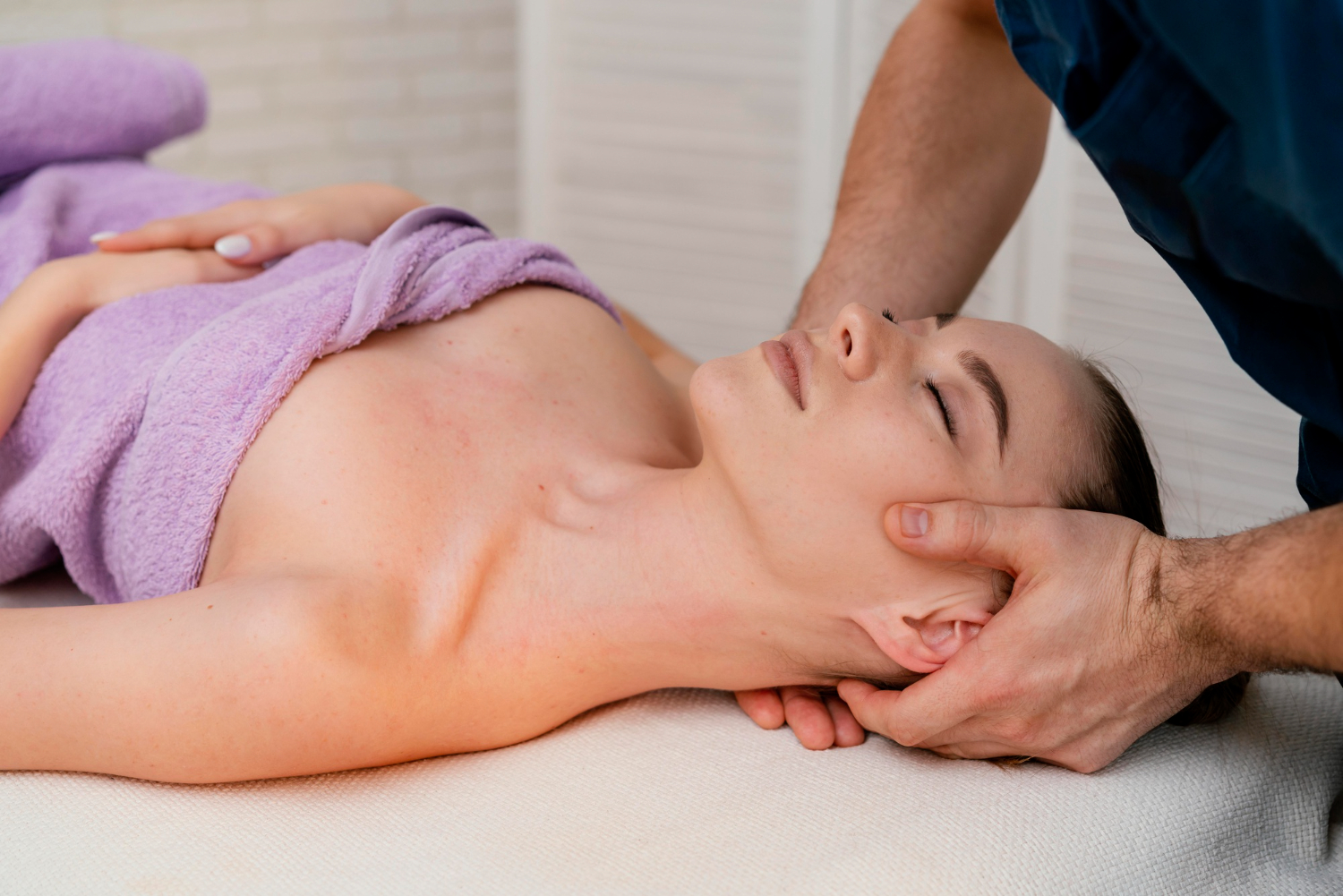
The lymphatic system is an important part of the body that helps transport excess interstitial fluid, proteins, cellular waste, and immune-related substances from tissues while supporting immune function and maintaining fluid balance.
Unlike the circulatory system, which uses the heart to pump blood, the lymphatic system lacks a central pump. Instead, lymph moves through a network of lymphatic vessels with the help of muscle contractions, breathing, body movement, and one-way valves that help prevent backflow.
When lymphatic drainage is impaired following surgery or injury, after prolonged immobility, or due to certain medical conditions, fluid can accumulate in the tissues. This can contribute to swelling, heaviness, discomfort, restricted mobility, and other symptoms depending on the underlying condition.
Manual lymphatic drainage (MLD) is a specialized treatment technique designed to support the movement of lymph fluid through functioning lymphatic pathways. Although the technique is gentle, performing it safely requires the practitioner to have a thorough understanding of anatomy, physiology, post-surgical recovery, and lymphatic pathways. As a result, MLD should be performed by an appropriately trained physiotherapist or other qualified healthcare professional within their scope of practice. Before treatment begins, an appropriate assessment is important for individuals considering lymphatic drainage Dubai.
Manual Lymphatic Drainage Is Not the Same as a Regular Massage
Many people believe Lymphatic drainage massage Dubai is simply a gentler form of relaxation massage; however, this is a misconception.
Many forms of massage aim to reduce muscle tension by applying pressure to the muscles, fascia, and connective tissue. Kneading, pressure-based techniques, trigger point techniques, and stretching may be used to address muscle tension and discomfort.
Manual lymphatic drainage serves an entirely different purpose.
MLD targets superficial lymphatic structures located close to the skin rather than the deeper muscle tissue. The physiotherapist uses gentle, rhythmic skin-stretching techniques intended to support lymph movement through functioning lymphatic pathways.
Because the superficial lymphatic vessels are located close to the surface, applying more pressure does not necessarily produce better outcomes. Excessive pressure may compress superficial lymphatic vessels and interfere with lymphatic flow.
Why Should Only a Qualified Physiotherapist Perform MLD?
A skilled physiotherapist knows how to perform manual lymphatic drainage and when it is suitable.
Before treatment starts, your physiotherapist will evaluate:
- Your medical history.
- Recent surgery or injuries.
- The cause or potential cause of your swelling.
- Current medications.
- Skin condition.
- Circulation and vascular health.
- Possible contraindications.
This evaluation is critical since not all edema is caused by lymphatic dysfunction. In some cases, swelling may signal an underlying medical problem that requires further medical evaluation.
What Can Happen If MLD Is Performed Incorrectly?
Manual lymphatic drainage is generally considered low risk when performed appropriately, but improper techniques can reduce its effectiveness or, in some cases, pose risks.
Possible problems include:
Incorrect Treatment Direction
Lymph moves through established lymphatic pathways and drainage areas.
If techniques are applied incorrectly, they may not support effective lymphatic drainage and could aggravate symptoms or swelling.
Excessive Pressure
One common misconception is that applying more pressure produces better results.
Excessive pressure may compress superficial lymphatic vessels and interfere with lymph movement. It may also irritate healing tissues after surgery.
Treating Patients With Medical Contraindications
Without adequate medical training, a practitioner may unknowingly perform MLD on someone with conditions for which treatment should be postponed or avoided, such as the following:
- Acute infection or fever.
- Certain active cancer-related conditions requiring medical assessment or precautions.
- Decompensated heart failure.
- Certain significant vascular or medical conditions requiring further evaluation.
- Other conditions where MLD is not clinically appropriate.
Inappropriate treatment may worsen symptoms or delay necessary medical evaluation.
Applying Treatment Too Soon After Surgery
Different surgical treatments have varying healing times.
A physiotherapist considers when MLD may be appropriate and takes into account surgical instructions, wound healing, drainage tubes, and tissue integrity before beginning treatment.
Starting MLD too early or using inappropriate techniques around healing tissues may interfere with recovery.
Areas That Require Special Care During MLD
Manual lymphatic drainage follows well-established anatomical channels and requires careful consideration of regions where treatment might be hazardous.
Depending on your situation, a physiotherapist may avoid or modify treatment in the following areas:
- Unhealed surgical incisions or open wounds.
- Active skin infection.
- Suspected or confirmed deep vein thrombosis (DVT).
- Recent fractures.
- Areas affected by active cancer or undergoing cancer treatment when additional medical precautions are required.
- Areas of severe inflammation or unexplained pain.
Understanding these precautions requires clinical knowledge that extends beyond basic massage training.
Professional Training Makes a Difference
Physiotherapists receive training in:
- Human anatomy and physiology.
- The lymphatic and circulatory systems.
- Musculoskeletal rehabilitation.
- Post-surgical rehabilitation.
- Pathology and disease progression.
- Clinical assessment.
- Evidence-based treatment techniques.
Many physiotherapists who offer manual lymphatic drainage also have additional training in lymphatic therapy, which can support the assessment and management of conditions such as post-surgical swelling and lymphedema. This additional training is relevant when considering lymphatic therapy Dubai as part of a rehabilitation plan.
This training can help them incorporate MLD into a broader rehabilitation program, integrating it with therapeutic exercise, scar management, mobility training, compression therapy when appropriate, and patient education as needed.
Benefits of Manual Lymphatic Drainage Performed by a Professional
Manual lymphatic drainage, when performed by an appropriately trained physiotherapist, can help:
Support Post-Surgical Recovery
MLD may help manage post-surgical swelling in appropriate patients and may support comfort and mobility as part of a broader rehabilitation plan. For suitable patients, post-surgery lymphatic drainage Dubai may be considered as part of recovery when clinically appropriate.
Reduce Swelling and Fluid Accumulation
MLD may support lymphatic fluid movement and may help reduce sensations of heaviness and discomfort in appropriate patients. This is one reason lymphatic drainage treatment Dubai may be considered following an appropriate clinical assessment.
Assist in Managing Lymphedema
MLD may be included as one component of Complete Decongestive Therapy (CDT), a multimodal approach used in the management of lymphedema.
Improve Mobility
Reducing or managing edema may allow greater movement of the affected area and support participation in rehabilitation activities.
Promote Relaxation
The slow, rhythmic nature of MLD may promote relaxation and help some patients feel calmer during treatment.
After Your MLD Session: What Should You Keep in Mind?
After treatment, your physiotherapist may provide individualized advice such as the following:
- Follow your physiotherapist’s advice regarding exercise after treatment. Gentle movement may be appropriate for some patients and may support mobility and recovery.
- Ask your physiotherapist whether exposure to significant heat, such as saunas, steam rooms, or hot tubs, is appropriate for your condition, particularly if heat tends to worsen your swelling.
- Maintain adequate fluid intake unless a healthcare professional has advised you to restrict fluids.
- Avoid clothing that feels uncomfortably tight around the treated area, particularly if it aggravates swelling or discomfort.
- Follow any extra instructions for compression garments or suggested rehabilitation activities that are part of your treatment plan.
Expert Manual Lymphatic Drainage at Vitruvian – Italian Physiotherapy Center
At Vitruvian – Italian Physiotherapy Center, individualized physiotherapy care may include manual lymphatic drainage Dubai when appropriate, based on clinical assessment and rehabilitation needs.
Each treatment plan begins with an assessment to determine whether MLD is suitable for your condition and symptoms. Whether you are recovering from surgery, managing lymphedema, or experiencing persistent swelling, a physiotherapist at Vitruvian – Italian Physiotherapy Center can tailor treatment to your clinical needs
Contact Vitruvian – Italian Physiotherapy Center in Dubai to discuss whether manual lymphatic drainage is appropriate for your condition. An appropriately trained physiotherapist can assess your needs and determine whether MLD should be incorporated into your rehabilitation plan. When selecting care, searching for a certified lymphatic drainage therapist Dubai may help you identify a practitioner with appropriate training and clinical knowledge.
https://share.gemini.google/YHdFuvhXxOKC
FAQs
Can manual lymphatic drainage be harmful if performed incorrectly?
Yes. Excessive pressure or inappropriate techniques may worsen swelling, irritate sensitive tissues, and cause discomfort. Certain medical conditions may also make lymphatic drainage unsuitable. A trained physiotherapist can identify potential concerns and modify or postpone treatment as needed, allowing for a safer and more appropriate approach.
How does a physiotherapist determine whether lymphatic drainage is suitable?
Before beginning therapy, a physiotherapist examines your symptoms, medical history, medications, past treatments, and current physical condition. They evaluate sites of edema and other pertinent symptoms to decide whether manual lymphatic drainage is appropriate. If more evaluation is required, they can recommend further medical evaluation rather than proceeding without sufficient information.
How many manual lymphatic drainage sessions might I need?
The number of sessions required depends on the cause and severity of edema, your overall health, and your response to therapy. Some people may require only a short course, while others may benefit from regular sessions. A physiotherapist can assess your progress regularly and modify your treatment plan as needed.
Why is professional supervision important during lymphatic drainage?
Professional supervision offers more than just the technique itself. A physiotherapist can track your progress, identify unexpected changes or concerns, modify treatment as needed, and provide appropriate aftercare guidance. This tailored approach helps ensure that treatment remains appropriate throughout your recovery and supports safer management of edema and related symptoms.