Having trouble with persistent stiffness, stress, or discomfort in your muscles? Irritated muscles can restrict your range of motion and persist after stretching, rest, or massage, whether they are the result of an old injury, bad posture, or overuse.
You require more than surface-level comfort when your muscles are in a never-ending cycle of pain and tension.
Dry needling Dubai services are becoming increasingly popular among individuals seeking targeted solutions for persistent muscle discomfort and movement restrictions.
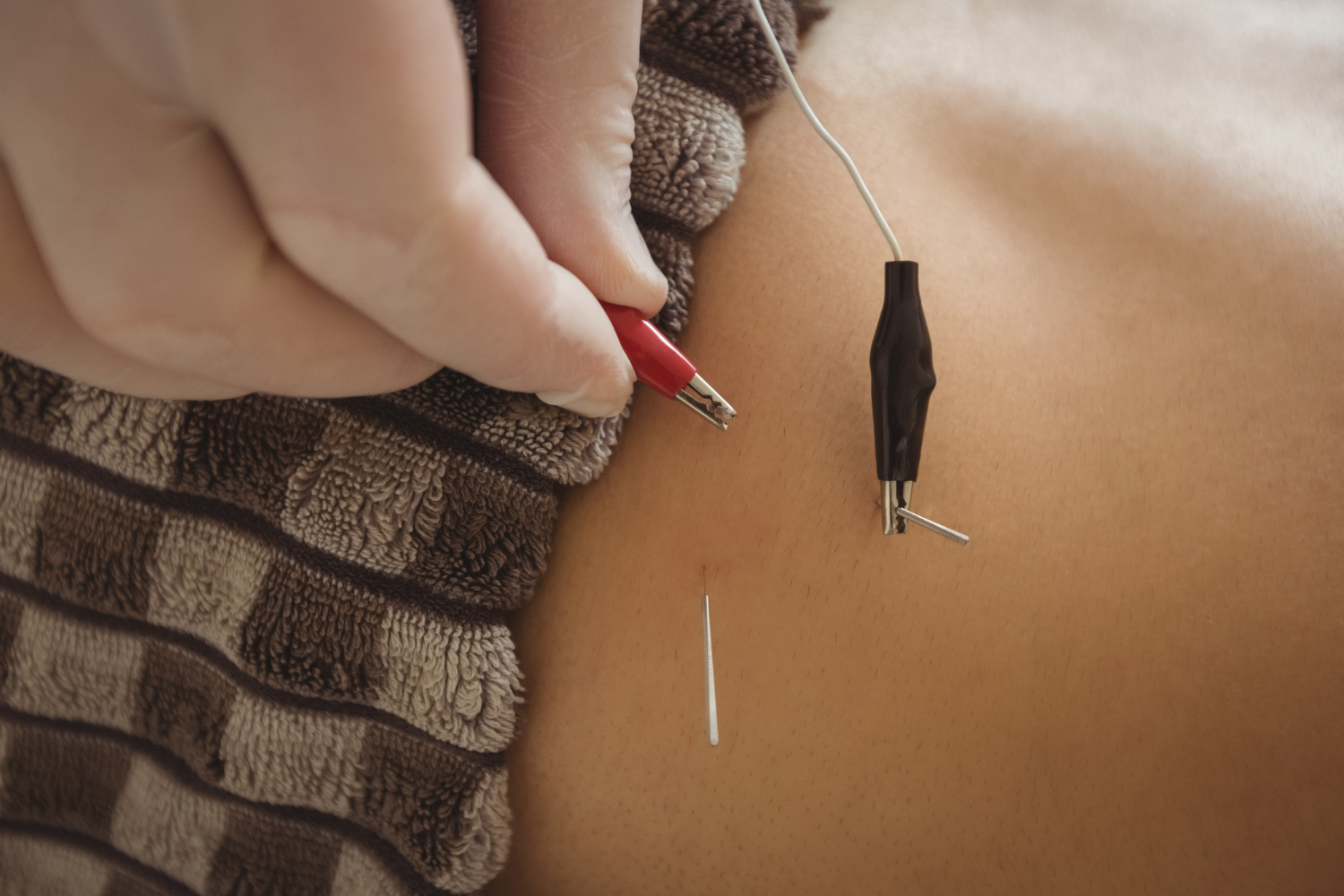
Physiotherapists skilled in dry needling insert thin needles directly into particular trigger points, which helps reset the muscles, lessen discomfort, and restore function.
Dry needling is a targeted, quick-acting method that helps your body heal rather than merely treat symptoms by releasing tension at its source.
What is Dry Needling?
A physiotherapy method known as physiotherapy dry needling Dubai is used to enhance mobility, reduce discomfort, and loosen tight muscular bands.
It entails putting a very tiny, sterile needle straight into a trigger point, which is a sensitive, tense area in the muscle that is frequently the cause of any soreness or stiffness you may be experiencing.
As a form of dry needling treatment Dubai, it focuses on relieving muscular tension, reducing discomfort, and improving movement quality.
While dry needling often concentrates more locally on muscular tension and mobility limitations, intramuscular stimulation (IMS) frequently addresses nerve-related pain patterns by placing needles into particular regions, such as the affected muscle and associated nerve region.
Dry needling improves mobility, speeds up healing, and provides long-term comfort by focusing on the tension’s source and restoring equilibrium in the surrounding tissues.
How Dry Needling Works in Physiotherapy
When deeper muscle dysfunction isn’t being resolved by other methods, including exercise alone, dry needling frequently helps as part of a more comprehensive therapy approach.
Muscles that are overused or damaged may produce “trigger points,” which are tiny knots or tight bands inside the muscle that are more painful and sensitive and occasionally transfer pain, or pain that spreads to other parts of the body.
The body may find it more difficult to move freely and painlessly as a result of these spots, which can interfere with regular muscle function and movement patterns.
In a dry needling physiotherapy clinic Dubai, physiotherapists can stimulate the muscles by placing a needle into these trigger sites. This typically results in an involuntary twitch reaction, which helps the muscle release tension, enhances blood flow, and supports trigger point dry needling Dubai approaches designed to restore normal muscle function. The needle is extracted when the trigger point is released.
What Conditions Can Dry Needling Help With?
Many illnesses can benefit from dry needling, particularly those that are chronic or cause ongoing pain that is not improving with conventional therapies.
- Tension in the neck and shoulders: Excellent for those with desk jobs, stiffness brought on by stress, or bad posture, making it a useful option for dry needling for neck pain physiotherapy Dubai patients.
- Lower back pain: Particularly when it results from an imbalance or overcompensation of the muscles, dry needling for back pain Dubai may be incorporated into rehabilitation plans.
- Migraines and headaches: Head discomfort is frequently referred to by trigger points in the neck or upper shoulder.
- Conditions causing chronic pain: Helpful for individuals experiencing ongoing symptoms that affect daily activities and seeking dry needling for pain relief Dubai as part of physiotherapy care.
- Tension in the hips, glutes, and pelvis: Particularly prevalent in cyclists, runners, and those with lower back problems.
- Fascia restrictions: The connective tissue that surrounds muscles, known as fascia, can become constricted or trapped. Localized fascial limitations may benefit from dry needling, particularly when addressing myofascial trigger point therapy Dubai treatment goals. Fascia restrictions may contribute to pain, stiffness, and limited mobility in some individuals.
Dry needling can be useful at various phases of recovery, whether it’s to promote long-term rehabilitation objectives or lessen immediate pain, and it works best when pain originates in the muscles.
What are the Benefits of Dry Needling—And When is it Most Effective
When your physiotherapist uses dry needling carefully, it can offer more than simply short-term comfort. It supports long-term recuperation, enhances mobility, restores function, and reflects the use of advanced physiotherapy techniques Dubai for musculoskeletal rehabilitation. It has several advantages that support your continued physical activity:
Reduces Muscle Tension at the Source
This approach targets hyperactive muscle bands at their source and supports effective muscle tension treatment Dubai outcomes by restoring normal muscle function.
- Focuses on hyperactive or tight muscular bands that might be the source of pain and stiffness.
- Aids in the relaxation and restoration of muscles to a healthier state.
- Reduces the strain on surrounding tissues, tendons, and joints
Improves Range of Motion
- Eliminates physical constraints that hinder flexibility
- Particularly useful in tense regions, including the neck, hips, and shoulders
- Encourages improved movement patterns and posture
Speeds Up Recovery
- Boosts the effectiveness of physiotherapy treatments, including exercise therapy.
- Helps the body react to therapy more quickly.
- Helps tight or overworked muscles recover by supporting healthy circulation and promoting sports injury recovery Dubai outcomes.
When is Dry Needling Most Effective?
Dry needling works best when combined with other physiotherapy treatments, such as movement retraining and strengthening exercises, often as part of a broader pain management physiotherapy Dubai program.
It works very well when:
- Despite relaxation, massage, or stretching, the pain continues to return.
- Rehabilitation progress has slowed or stalled.
- Some muscles are either constantly overworked or aren’t engaging correctly.
Just as crucial as knowing how to apply dry needling is knowing when to use it. At Vitruvian – Italian Physiotherapy Center in Dubai, physiotherapists carefully evaluate your mobility goals and overall treatment plan to determine whether dry needling is appropriate.
Dry Needling vs. Acupuncture: What’s the Difference?
In clinical practice settings, such as Dry needling vs acupuncture Dubai, patients often confuse these two techniques, although they differ significantly in approach and purpose. A common misconception is that dry needling is merely another type of acupuncture. Thin, sterilized needles are used in both procedures, but that is where the similarities end.
Despite their apparent similarities, dry needling and acupuncture have separate origins, employ different therapeutic approaches, and have different objectives.
Physiotherapists utilize dry needling, which has its roots in modern musculoskeletal principles, to target trigger points and tense muscles. It emphasizes pain management and internal health issues and is founded on musculoskeletal examination.
By stimulating particular meridian points, acupuncture, which follows a traditional holistic treatment approach, seeks to balance the body’s energy. It is frequently used for various issues related to mental, emotional, and physical health.
Despite their similar appearance, the methods have somewhat different clinical justifications.
Dry needling from a qualified physiotherapist could be a smart choice if you’re dealing with tense muscles, healing after an accident, or mobility limitations.
What to Expect in a Dry Needling Session
It’s common to be a little uncertain about what to expect from your first physiotherapy session. At Vitruvian – Italian Physiotherapy Center in Dubai, we explain every step of the procedure clearly to help patients feel comfortable and informed.
Each session starts with a comprehensive evaluation. To decide whether dry needling is suitable, a certified dry needling physiotherapist Dubai will assess your objectives, movement patterns, and symptoms.
By checking for any contraindications and getting informed consent before beginning, patient safety remains a top priority throughout treatment. Your physiotherapist will explain what to expect and answer any worries you may have if dry needling is advised. Strict sterile protocols are followed to ensure a hygienic and safe treatment experience.
Thin, sterilized needles will be inserted into certain trigger points or tight spots by your physiotherapist throughout the procedure as part of dry needling therapy Dubai. A deep aching or a transient twitch might occur, both of which are typical reactions of the muscle to the needle.
Similar to deep tissue massage or post-workout weariness, mild soreness in the affected area is typical following the procedure, especially when treating Dry needling for muscle pain Dubai concerns. Usually, the pain goes away in 24 to 48 hours. To aid with healing, your physiotherapist could suggest heat, water, or mild exercise.
To improve outcomes, dry needling can be performed in conjunction with other physiotherapy methods.
Looking for support with muscle pain, stiffness, or movement limitations? Schedule an appointment with Vitruvian – Italian Physiotherapy Center in Dubai to learn whether dry needling may support your recovery goals.
FAQs
How many dry needling sessions will I need?
The illness being treated, your body's reaction, and the components of your overall treatment plan all influence how many sessions you need. After just one or two sessions, some people get obvious improvement; others could benefit from a brief course of treatments spread over several weeks.
Does dry needling hurt?
Instead of a sharp, needle-like pain, many people characterize the feeling as a deep aching, cramp, or rapid twitch. While some people may only feel slight discomfort that goes away fast, others may feel very little. Depending on how comfortable you are, our physiotherapists will always modify the treatment.
What conditions can dry needling help treat?
Muscle tightness, sports injuries, neck pain, back pain, shoulder discomfort, tendon problems, and mobility limitations are all often treated with dry needling. The method may lessen discomfort and increase mobility by focusing on muscular trigger points. For more thorough rehabilitation and healing results, it is frequently used with physiotherapy exercises.
How quickly will I notice results from dry needling?
After therapy, some people feel better right away, while others see improvements gradually over a few days. The ailment being treated, the length of the symptoms, and each person's unique healing style all influence the response. When combined with a more comprehensive physiotherapy program that focuses on strength, flexibility, and movement quality, dry needling frequently yields the best results.
What should I do after a dry needling session?
It is often advised to move gently, drink plenty of water, and stretch lightly after treatment. A day or two of mild discomfort, like what happens after exercise, is possible. If your physiotherapist recommends it, stay away from strenuous exercise. Adhering to post-treatment guidelines can enhance comfort and aid in the body's recuperation.
Is dry needling the same as acupuncture?
Even though both methods employ tiny needles, their objectives and methods of therapy are different. Based on contemporary musculoskeletal evaluation, dry needling treats mobility restrictions, trigger points, and dysfunctional muscles. Traditional Chinese medicine is the source of acupuncture, which is founded on many concepts pertaining to energy routes and equilibrium.
Who should avoid dry needling treatment?
Not everyone is a good fit for dry needling. Alternative therapies may be necessary for those with certain medical diseases, bleeding disorders, current infections, needle phobias, or other health issues. Before therapy starts, a comprehensive evaluation is carried out to see whether dry needling is suitable, secure, and advantageous for the patient's condition.