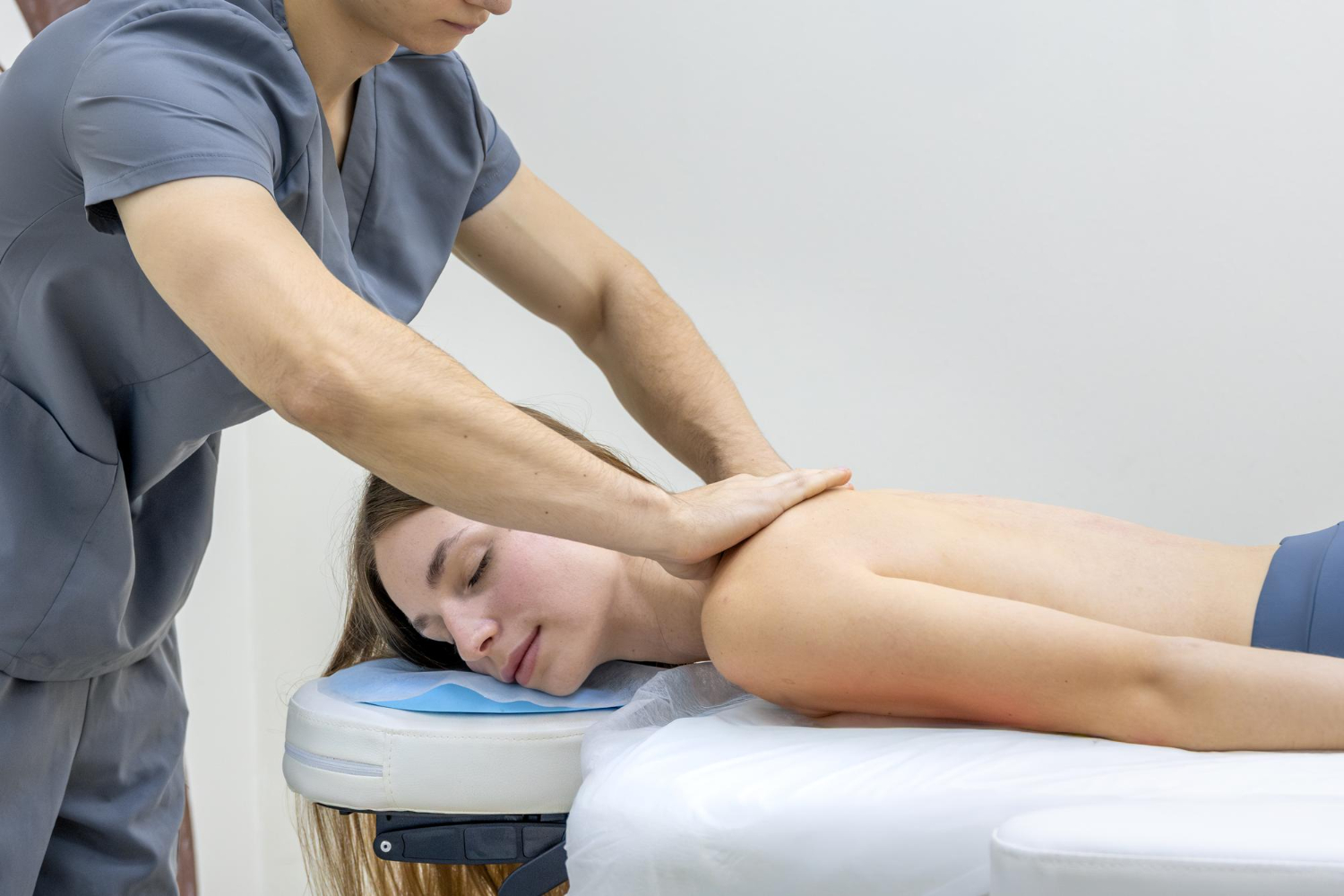
Introduction to Physiotherapy for Lymphatic Drainage
Understanding the Importance of Lymphatic Drainage
Lymphatic drainage Dubai focuses on supporting the body’s natural fluid balance and lymphatic function. The lymphatic system plays a key role in removing excess fluid and transporting immune cells throughout the body, which supports immune function. This system serves to keep your body’s fluid levels regulated and support your immune system by moving white blood cells.
Your whole health depends on a healthy lymphatic system. When the lymphatic system is disrupted, it can contribute to problems such as edema, swelling, and reduced fluid balance. This scenario is where lymphatic drainage plays an important role.
| Function | Description |
| Elimination of Waste | Removes waste materials and excess fluid |
| Balance of Fluid | Helps maintain healthy fluid balance throughout the body. |
| Immune Assistance | Helps transport white blood cells throughout the lymphatic system. |
| Controlling Infections | Aids in infection prevention |
Role of Physiotherapy in Lymphatic Drainage
Physiotherapy plays an important role in supporting healthy lymphatic drainage. Physiotherapists at Vitruvian – Italian Physiotherapy Center use specialized physiotherapy approaches to help manage swelling and lymphatic-related concerns according to each patient’s condition. Manual lymphatic drainage, compression therapy, and exercise are commonly used approaches that aim to support lymph movement.
One of the most commonly used treatments is lymphatic drainage massage Dubai, which involves moderate, rhythmical motions to increase lymph flow. Compression therapy helps manage swelling by applying controlled pressure to the affected area, while specific exercises promote lymphatic drainage and enhance overall circulation.
By combining these tactics into your treatment plan, physiotherapists can help alleviate symptoms associated with lymphatic disorders and enhance your quality of life. Manual therapy may also be included as part of a personalized physiotherapy treatment plan when clinically appropriate.
Physiotherapy for lymphatic drainage can help with a variety of illnesses and symptoms. Whether you’re struggling with post-surgical edema or other health conditions, recognizing the function of physiotherapy might be critical in your rehabilitation. Individualized physiotherapy plans are developed according to each patient’s condition, symptoms, and recovery goals.
Conditions Treated with Physiotherapy for Lymphatic Drainage
Lymphatic drainage treatment Dubai may help manage a variety of conditions that affect lymphatic system function. This section explains some of the most prevalent illnesses addressed with this specific kind of treatment.
Lymphedema
Lymphedema is a disorder that causes swelling, usually in the arms or legs, due to a blockage in the lymphatic system. This obstruction can prevent lymph fluid from draining properly, contributing to swelling. Physiotherapy for lymphatic drainage is essential in treating this problem. Rehabilitation frequently includes manual lymphatic drainage (MLD), compression therapy, and activities designed to support lymph flow and help manage edema.
Post-Surgery Swelling
Post-surgery edema is a frequent problem that can drastically slow your healing process. Post-surgery lymphatic drainage Dubai may help manage edema and support the recovery process. Physiotherapists at Vitruvian – Italian Physiotherapy Center may use treatments such as manual lymphatic drainage and personalized exercises to improve lymphatic fluid flow and reduce edema. Post-surgical rehabilitation programs may include manual lymphatic drainage when clinically appropriate.
Inflammation
Chronic inflammation may be debilitating and can be caused by a variety of factors such as injury, infection, or immune system abnormalities. Physiotherapy for lymphatic drainage may help manage swelling associated with inflammation by supporting fluid movement and tissue function. Compression treatment and focused workouts can help to lessen inflammatory symptoms, making everyday tasks more doable. Physiotherapy techniques, including manual lymphatic drainage, compression therapy, and individualized exercise programs, may help manage inflammation when clinically appropriate.
Understanding how physiotherapy for lymphatic drainage may be used to address these diseases can help you find successful treatment alternatives. Consult the physiotherapists at Vitruvian – Italian Physiotherapy Center for a personalized assessment and treatment plan.
Techniques Used in Physiotherapy for Lymphatic Drainage
At Vitruvian – Italian Physiotherapy Center, physiotherapy for lymphatic drainage includes a variety of techniques designed to improve lymphatic system function. These techniques assist in decreasing edema, increasing circulation, and relieving discomfort.
Manual Lymphatic Drainage
Manual lymphatic drainage Dubai involves a gentle, hands-on method used by physiotherapists to support healthy lymphatic fluid flow. During a Manual Lymphatic Drainage (MLD) session, a physiotherapist at Vitruvian – Italian Physiotherapy Center uses gentle, rhythmic strokes to stimulate lymphatic capillaries and encourage natural lymph outflow. This approach may help manage concerns like lymphedema and post-surgical swelling.
| Advantage | An explanation |
| Diminishes Swelling | Aids in lowering fluid accumulation |
| Encourages Healing | Improves tissue healing and circulation |
| Reduces Pain | Lessens pressure and pain |
Compression Therapy
Compression therapy uses bandages, compression garments, or specialized devices to provide regulated pressure to particular parts of the body. The goal is to support movement of lymphatic fluid from swollen areas through the lymphatic system. This strategy is frequently used with other techniques, such as MLD, to achieve the best outcomes.
| Compression Type | Indication |
| Bandages | Lymphedema in its early stages |
| Compression Garments | Persistent edema |
| Pneumatic Compression Devices | Severe cases needing extensive care |
Exercise and Movement
Exercise and mobility help to promote lymphatic drainage. Physiotherapists create individualized training routines based on your specific needs, concentrating on improving muscle contractions and joint motions to encourage lymph flow. These exercises may range from basic limb motions to more extensive therapeutic exercise routines.
| Type of Exercise | Benefits |
| Gentle Stretching | Improves lymph flow and flexibility |
| Aerobic Exercise | Improves general health and circulation |
| Resistance Exercises | Enhances lymphatic drainage and muscular strength. |
Incorporating these strategies into your physiotherapy program can improve your overall health and well-being. Manual lymphatic drainage, compression treatment, and targeted exercises are all part of a more holistic approach to regulating and enhancing lymphatic function. During a physiotherapy assessment at Vitruvian – Italian Physiotherapy Center, a personalized treatment plan can be developed based on individual needs.
Benefits of Physiotherapy for Lymphatic Drainage
Reducing Swelling and Edema
Physiotherapy for lymphatic drainage has the primary benefit of reducing swelling and edema. Swelling, which is often caused by fluid buildup in the tissues, may be dramatically reduced using targeted treatments such as manual lymphatic drainage (MLD) and compression therapy. These procedures stimulate the lymphatic system, allowing lymph fluid to flow more freely and minimizing congestion.
| Situation | Swelling Reduction (%) |
| Lymphedema | 50–75% |
| Swelling Following Surgery | 40–60% |
| The inflammation | 30–50% |
Improved Circulation
Physiotherapy for lymphatic drainage improves general circulation, helping improve oxygen and nutrient delivery to tissues. Improved circulation supports oxygen and nutrient delivery to tissues and contributes to overall tissue health.
| Method | Enhancement of Circulation |
| Manual Lymphatic Drainage (MLD) | High |
| Compression Treatment | Moderate |
| Movement and Exercise | From Moderate to High |
Pain Relief
Lymphatic drainage physiotherapy also provides significant pain alleviation. These therapies may help reduce discomfort associated with conditions such as lymphedema and post-surgical swelling by managing swelling and improving tissue mobility.
| Pain’s origin | Pain Reduction Average (%) |
| Lymphedema | 50–70% |
| Following Surgery | 40–60% |
| Inflammatory Disorders | 30–50% |
At Vitruvian – Italian Physiotherapy Center, physiotherapy for lymphatic drainage uses a combination of techniques to help reduce swelling, improve circulation, and support overall well-being. Physiotherapy can help manage lymphatic system disorders by reducing swelling, improving mobility, and supporting overall function. A physiotherapist can recommend the most appropriate treatment plan based on individual needs.
What to Expect During a Physiotherapy Session
Understanding what to expect during a Manual Lymphatic Drainage (MLD) physiotherapy session can help reduce anxiety and prepare you for a positive treatment experience. Here is a breakdown of the main components.
Assessment and Evaluation
Your first appointment will typically include a complete physiotherapy evaluation. The physiotherapist will examine your medical history, talk about your symptoms, and assess your baseline physical condition. They will consider variables like the following:
- Range of Motion
- Strength
- Swelling
- Pain Levels
Detailed measurements and observations are performed to assess your condition and develop an appropriate treatment plan.
| Evaluation Elements | Description |
| Range of Motion | How far your joints and limbs can move |
| Muscle Strength | Muscle strength in impacted regions |
| Swelling | Degree of swelling or fluid buildup |
| Pain Level | Pain intensity and location |
Customized Treatment Plan
Based on the initial assessment, the physiotherapist will develop a tailored treatment plan to meet your individual requirements. This strategy may include:
- Manual Lymphatic Drainage: A technique for stimulating lymphatic flow.
- Compression Therapy: Using specialized compression garments or equipment to decrease edema.
- Exercise Programs: Exercises that support lymphatic flow and improve mobility.
Your treatment plan will be consistently monitored and altered based on your progress and feedback.
Home Care Instructions
Your physiotherapist will provide you with detailed home care instructions to supplement your in-clinic treatments. Home care may include:
- Daily prescribed exercises
- Instructions for using compression garments
- Tips for maintaining proper hydration and healthy nutrition.
These home care guidelines are essential for getting the best results from your physiotherapy sessions and supporting long-term progress.
| Home Care Component | Examples |
| Daily Exercises | Range-of-motion exercises and gentle stretching |
| Use of Compression | Wearing compression garments such as stockings or sleeves |
| Hydration Advice | Maintaining adequate hydration to support overall health. |
Finding a Qualified Physiotherapist for Lymphatic Drainage
Credentials and Qualifications
When looking for a certified lymphatic drainage therapist Dubai, it is important to check their credentials, qualifications, and relevant clinical training. Additionally, they should be licensed according to applicable professional requirements and have appropriate qualifications to practice physiotherapy. Specialist training in lymphatic drainage techniques, such as Manual Lymphatic Drainage (MLD), is required to provide effective lymphatic therapy Dubai.
| Type of Credential | Description |
| Degree | Bachelor’s or master’s degree in physiotherapy |
| Certification/Licensure | Professional Licensure |
| Specialized Instruction | Instruction in Manual Lymphatic Drainage (MLD) |
| Ongoing Education | Further education in lymphatic care and physiotherapy |
Experience with Lymphatic Drainage
Experience is essential when choosing the proper physiotherapist. Professionals with substantial knowledge in lymphatic drainage are more likely to deliver successful care. Experience with lymphatic drainage techniques and related conditions helps physiotherapists provide appropriate care. Experience with similar illnesses, such as lymphedema and post-surgical swelling, is also advantageous.
| Experience Requirements | An explanation |
| Years of Experience | Relevant clinical experience in lymphatic drainage |
| The quantity of lymphatic cases | Should have experience managing multiple lymphatic drainage cases. |
| Experience with Related Conditions | Knowledge of lymphedema and post-surgical swelling |
At Vitruvian – Italian Physiotherapy Center, personalized physiotherapy programs are developed according to each individual’s condition, helping support effective lymphatic drainage and long-term recovery.
https://share.gemini.google/ykxetLXqkDfC
FAQs
How many lymphatic drainage physiotherapy sessions are usually needed?
The number of sessions is determined by your ailment, treatment objectives, and reaction to therapy. Some people notice improvement after several sessions, while others with chronic edema may need continuous therapy. A physiotherapist develops a tailored treatment plan that is adjusted as the patient recovers and symptoms improve.
Is lymphatic drainage physiotherapy painful or uncomfortable?
Lymphatic drainage physiotherapy is usually mild and pleasant. Instead of intense pressure, the therapy encourages lymph flow with mild, regulated motions. Most individuals find the sessions soothing, and pain is rare. Throughout therapy, your physiotherapist will alter the approach based on your comfort and medical needs.
Can lymphatic drainage physiotherapy be combined with other treatments?
Yes. Lymphatic drainage physiotherapy is frequently paired with compression treatment, therapeutic exercises, and rehabilitation programs to enhance results. Your physiotherapist may propose additional strategies based on your situation to assist in reducing swelling, improving mobility, and promoting a safe, thorough rehabilitation plan customized to your specific requirements.
How can I maintain the benefits after lymphatic drainage physiotherapy?
Maintaining results entails being physically active, performing prescribed activities, using compression garments as needed, and keeping your skin healthy. Maintaining healthy lifestyle habits, following prescribed recommendations, and attending follow-up sessions can help support long-term recovery and overall well-being. Consistent self-care and expert coaching can help reduce recurring edema and improve overall mobility and comfort.