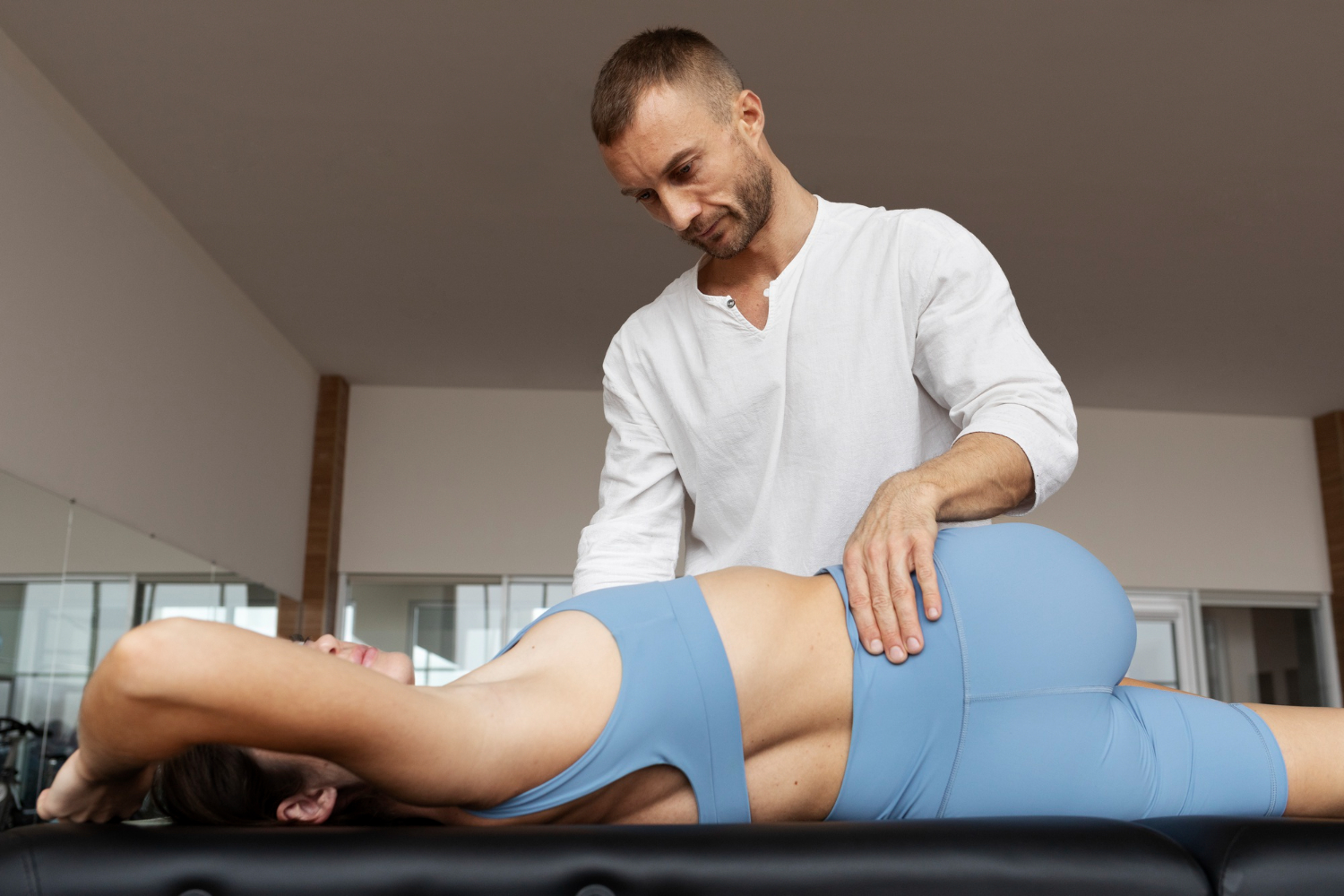
Discover how physiotherapy at Vitruvian – Italian Physiotherapy Center may help individuals seeking treatment for lower back pain Dubai relieve discomfort, improve mobility, and support recovery through tailored treatment plans.
The spine is a complicated system that includes vertebrae, discs, facet joints, ligaments, and muscles. When back pain strikes, a personalized physiotherapy-based rehabilitation program can help address symptoms, improve mobility, and support recovery. Physiotherapy is an important approach for managing low back pain and can be combined with techniques such as manual therapy, heat therapy, and exercise-based rehabilitation.
Key Strategies in Physiotherapy for Lower Back Pain
Lower back pain treatment Dubai commonly involves physiotherapy because it may help manage musculoskeletal pain, improve movement, and support long-term recovery. Physiotherapists utilize several tactics to help relieve discomfort and prevent future injuries by addressing the underlying causes of pain and improving overall function.
The following physiotherapy methods can help manage lower back pain:
- Advice and Early Exercise: Promoting early mobility and exercise is critical in the treatment of lower back pain. While relaxation may appear to be the natural response to discomfort, prolonged inactivity can exacerbate stiffness and slow recovery. Physiotherapists at Vitruvian – Italian Physiotherapy Center recommend gentle, controlled movement to help manage pain, maintain circulation, and prevent muscle weakness. Gradual return to activities with suitable coaching assists patients in regaining mobility and avoiding the development of chronic pain.
- Mobilization/Manipulative Physiotherapy: This method employs specific techniques aimed at relieving pain and enhancing movement in the affected area. Mobilization is the process by which a therapist applies moderate, passive motions to the lower back’s joints and soft tissues to restore flexibility and function. Manipulative physiotherapy may include hands-on techniques performed by physiotherapists, such as spinal manipulation, to help reduce pain and improve joint mobility, particularly when stiffness and limited range of motion are key factors in the pain.
- Specific Stabilization Exercises: Stabilization exercises attempt to strengthen the muscles that support the spine, notably the core muscles, which are essential for maintaining normal posture and preventing lower back pain. These exercises help improve endurance and stability in the muscles surrounding the lower back, which may reduce the risk of recurring discomfort. Physiotherapists at Vitruvian – Italian Physiotherapy Center customize exercises for each patient by concentrating on specific areas of weakness or instability.
- Targeted Exercises and Stretches: Because each instance of lower back pain is unique, physiotherapists create exercise plans tailored to each patient. These individualized programs may also support individuals seeking Sciatica treatment Dubai when nerve-related symptoms accompany lower back pain. Stretching activities improve flexibility and relieve tension in tight muscles, and strengthening exercises enhance resilience in muscles that have deteriorated due to pain or inactivity. A combination of these specially designed workouts can considerably improve recovery and long-term rehabilitation outcomes.
- Ergonomic Advice: Many lower back problems are associated with work-related activities, particularly prolonged sitting, lifting, or repetitive movements. Physiotherapists provide tailored ergonomic guidance to help patients maintain optimal posture and methods during everyday activities and occupational responsibilities. When required, they may also recommend further assessment by a Spine specialist Dubai if symptoms indicate more complex spinal conditions. This could include suggestions for adjusting chairs, desks, and workstations or using ergonomic devices to promote healthy spinal alignment. Proper ergonomics reduce stress on the lower back and can prevent further injury or pain from occurring.
- Postural guidelines: Correct posture is essential for preventing and treating lower back pain. Physiotherapists teach patients the value of good posture during daily activities like sitting, standing, and walking. Patients who improve their posture can lessen pressure on their spine and surrounding muscles. The emphasis is on good spine alignment procedures, particularly while lifting or bending, to reduce the chance of injury. These postural habits become established over time, helping to provide long-term relief from lower back discomfort.
Types of Physiotherapy for Lower Back Pain
Physiotherapy is essential for controlling lower back pain because it improves mobility, strengthens muscles, and relieves discomfort. Physiotherapy approaches may include active and passive techniques, depending on the patient’s condition and recovery stage. Each technique is intended to treat varying levels of pain and functioning, providing comfort while preventing future problems. The following are the two main types:
1. Active Physiotherapy
Active physiotherapy engages patients in exercises and activities that enhance recovery and long-term strength. Physiotherapy for back pain Dubai commonly includes progressive exercises that improve spinal stability and movement quality. This method is critical for the rehabilitation of the spine and its supporting muscles. Key components of active physiotherapy include the following:
- Stretching exercises: Stretching exercises are beneficial for increasing flexibility and decreasing muscular tension in the lower back. Hamstring stretches are a classic example of how to relieve tension in the muscles of the legs and lower back. Tight hamstrings can cause lower back pain; therefore, stretching regularly helps to relieve discomfort and increase mobility.
- Strengthening Exercises: Strengthening exercises are essential for maintaining spinal stability and supporting the muscles that surround the lower back. One example is dynamic lumbar stabilization, which focuses on the core and lower back muscles. Strengthening these muscles improves spinal alignment and lowers the likelihood of future injuries by increasing posture and stability.
- Low-Impact Aerobic Conditioning: Low-impact aerobic exercises like walking, swimming, and cycling improve overall cardiovascular health while reducing back stress. These workouts improve blood flow and muscular endurance and decrease stiffness without exacerbating current discomfort. Aerobic exercise also aids weight control, which can help to alleviate tension on the lower back.
2. Passive Physiotherapy
Passive physiotherapy refers to therapies that require little or no effort from the patient. This strategy is commonly employed during the early phases of recuperation or when physical activity is too unpleasant. It may help reduce pain, manage inflammation, and prepare the body for more active rehabilitation. Passive physiotherapy has the following key components:
- Heat/Ice Packs: Heat or ice packs are commonly used as passive therapies to treat pain and inflammation. Ice therapy lowers swelling and severe pain, whereas heat therapy boosts blood flow, relieves muscular stiffness, and promotes relaxation. Both methods help manage acute pain and promote recovery following physical activity.
- TENS Units (Transcutaneous Electrical Nerve Stimulation): TENS treatment uses a device to deliver electrical impulses through the skin, stimulating nerves and relieving pain. This therapy may help reduce pain signals and may support the body’s natural pain-control mechanisms. TENS is especially useful for individuals who have chronic or severe pain and want further alleviation before moving on to more active kinds of therapy.
- Ultrasonic Therapy: Ultrasound treatment employs sound waves to generate deep heat in the lower back’s tissues. This therapy may help manage symptoms and support recovery in selected cases. Ultrasound is commonly utilized to target deeper layers of muscle and soft tissue, relieving pain and promoting muscle repair.
Specific Exercises for Lower Back Pain Relief
Here are some useful exercises for relieving lower back pain, increasing flexibility, and strengthening supporting muscles:
- Ankle Pumps: Flex and point your toes to increase circulation and decrease stiffness. Perform repetitions according to your comfort level and your physiotherapist’s recommendations.
- Heel Slides: Lie on your back and slide one leg out straight, then return. Repeat 10–15 times per leg to encourage gentle lower-body movement and support core activation.
- Wall Squats: Stand against a wall and squat down comfortably while maintaining proper alignment. Hold for 10–15 seconds according to your comfort level and the physiotherapist’s advice.
- Straight Leg Raises: Lift one leg straight up and hold for a few seconds before lowering. To develop the core muscles, perform 10-15 repetitions on each leg.
- Single Knee to Chest Stretch: Bring one knee to your chest while keeping the other foot flat on the floor. Hold for 20–30 seconds per leg.
- Hip Flexor Stretch: Lunge forward, dropping your hips to stretch the hip flexor. Hold for 20 to 30 seconds on each side.
- Piriformis Stretch: Cross one ankle over the opposing knee and lift the lower leg to your chest. Hold for 20-30 seconds on each side.
- Lumbar Stabilization Exercises: Tighten your abdominal muscles for 10-15 seconds, then relax. Repeat 10–15 times to enhance spine support.
Comprehensive physiotherapy care for a holistic treatment plan, Vitruvian – Italian Physiotherapy Center provides:
- Individualized Physiotherapy Assessment: A detailed assessment helps identify movement limitations, pain-related factors, and functional concerns to develop a suitable treatment plan.
- Manual Therapy: Hands-on techniques may be used to address pain, stiffness, and mobility limitations as part of a personalized physiotherapy approach.
- Exercise Therapy: Targeted therapeutic exercises can help improve strength, flexibility, mobility, and functional performance.
- Rehabilitation Support: Progressive rehabilitation can support recovery and help individuals safely return to their daily activities and physical goals.
At Vitruvian – Italian Physiotherapy Center, personalized physiotherapy treatments are designed to help manage lower back pain, restore mobility, and improve comfort in everyday activities. Patients looking for a trusted lumbar pain clinic Dubai can benefit from individualized rehabilitation programs tailored to their needs. Vitruvian – Italian Physiotherapy Center also provides personalized support for those seeking VIP back pain treatment Dubai, with evidence-based physiotherapy plans focused on long-term recovery.
https://www.perplexity.ai/search/d2d4e2c5-2c93-485f-9fb7-f7994dfd55ec
FAQs
How can physiotherapy help with lower back pain?
Physiotherapy aims to reduce discomfort, increase mobility, and strengthen the muscles that support the lower back. It frequently incorporates exercises, manual treatment, massage, heat/cold therapy, and electrical stimulation.
When should I see a physiotherapist for lower back pain?
You should consult a physiotherapist if your lower back discomfort lasts longer than a few days, is severe, or interferes with your normal activities. It is also recommended if you are recovering from a back injury or surgery.
What types of exercises are used in physiotherapy for lower back pain?
Exercises are usually designed to improve core strength, flexibility, and posture. Common exercises include pelvic tilts, bridges, stretches, and low-impact cardiovascular activities such as swimming or walking.
How long does it take to see results from physiotherapy for lower back pain?
The timing varies according to the severity of the ailment and how the individual responds to therapy. Many people notice improvements after several weeks of consistent treatment, although recovery time varies depending on the condition.
Can physiotherapy keep lower back pain from returning?
Yes, physiotherapy reduces the likelihood of repeated lower back discomfort by improving posture, strengthening core and back muscles, and correcting movement patterns. Your physiotherapist may also suggest a specific home exercise regimen and ergonomic guidance to help maintain spinal health and prevent future flare-ups during normal activities.
Is physiotherapy appropriate for persistent low back pain?
Physiotherapy is commonly used for persistent lower back pain because it focuses on improving movement, strength, and function rather than only managing symptoms. Manual therapy, guided exercises, mobility training, and education may all be used to help patients improve flexibility, reduce stiffness, and regain confidence in their daily movements.
What should I expect at my first physiotherapy visit for back pain?
Your initial appointment often involves a thorough discussion of your symptoms, medical history, and daily activities. A physical assessment is performed by the physiotherapist to evaluate posture, movement, strength, and flexibility before developing a personalized treatment plan based on your condition, recovery goals, and functional needs.
Can I continue working while undergoing physiotherapy for lower back pain?
In most cases, the answer is yes. Most people can continue to work with temporary activity modifications suggested by their physiotherapists. Proper lifting techniques, regular movement breaks, workstation changes, and adhering to prescribed exercises can help control symptoms while promoting healing and reducing extra pressure on the lower back.
Does physiotherapy help reduce the need for pain medication?
Physiotherapy may help improve mobility, strength, and pain management, which may reduce reliance on medication for some individuals. Treatment outcomes vary depending on each person's condition.