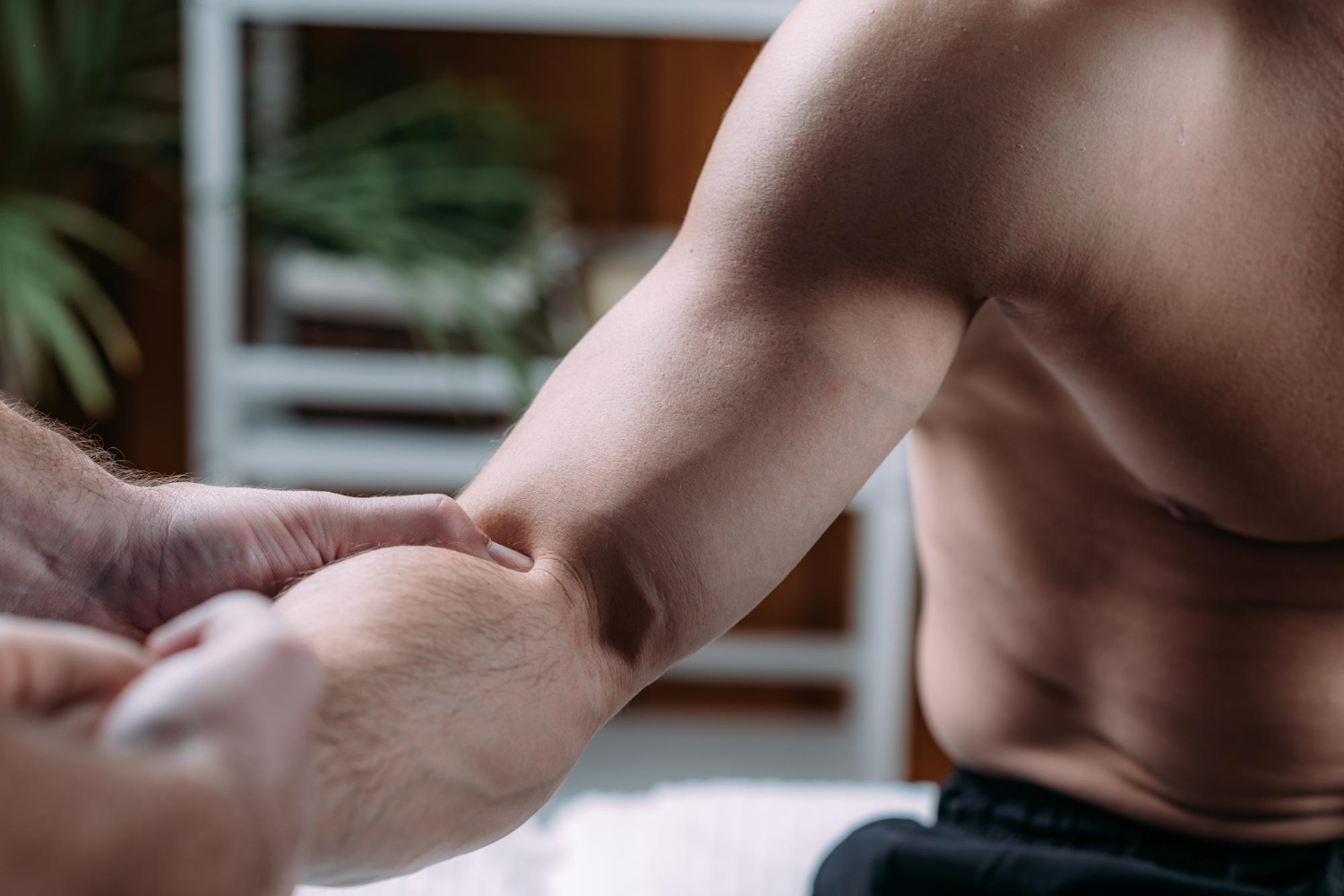
You may have tennis elbow, a painful condition that affects more than just tennis players, if you’ve experienced ongoing elbow discomfort during daily activities or sports. This blog examines the signs, typical causes, and practical remedies that can aid in pain relief, function restoration, and recuperation through professional tennis elbow treatment Dubai services and physiotherapy care.
What Is Tennis Elbow?
Tennis elbow is a common condition that causes discomfort on the outside of the elbow. It is medically known as lateral epicondylitis (or occasionally lateral epicondylopathy). Despite the name, you don’t need to play tennis to develop it; this condition can affect anyone who repeatedly uses their forearm muscles for gripping, lifting, or twisting movements.
Tennis elbow is associated with overload and irritation of the tendons attached to the lateral epicondyle, a bony area on the outside of the upper arm (humerus). The muscles that extend your wrist and fingers are connected to these tendons. These tendons may become overworked gradually or suddenly, particularly during repetitive tasks such as computer use, lifting, or racquet sports.
Tennis elbow usually develops in one of two ways:
- Sudden onset: An abrupt strain to the tendon may result from carrying a heavy bag awkwardly or using excessive force.
- Gradual onset: More commonly, it develops over time due to repetitive stress from activities such as desk work, gym exercises, or frequent tool use.
Untreated inflammation may result in tendon degeneration, which can complicate and prolong the healing process.
Tennis Elbow vs. Other Elbow Conditions:
It’s important to understand that elbow pain does not always indicate tennis elbow. Several other conditions may cause similar symptoms, such as:
- Medial epicondylitis (golfer’s elbow), which causes pain on the inside of the elbow
- Elbow joint osteoarthritis
- Cervical nerve root compression (such as C6)
- Posterolateral rotatory instability, an elbow ligament condition
Because of this, a detailed evaluation by a physiotherapist at Vitruvian – Italian Physiotherapy Center is important, as symptoms that appear to be tennis elbow may actually require a more specific elbow pain treatment Dubai rehabilitation approach.
What Not to Do with Tennis Elbow
Many people with tennis elbow unknowingly worsen their symptoms by ignoring pain or following incorrect recovery advice. Here are some things not to do if you’re having elbow pain:
Don’t Push Through the Pain
Repetitive movements such as lifting, gripping, or prolonged typing can worsen inflammation and delay recovery. Early rest and activity moderation are crucial.
Don’t Ignore the Early Signs
If left untreated, minor pain might soon worsen. Your recovery will be faster and more thorough if you treat tennis elbow as soon as possible.
Don’t Jump Straight Into Strengthening Exercises
Exercise is an important part of rehabilitation, but too much strengthening or resistance band exercise may aggravate the condition. Treatment should begin with pain management and gentle mobility exercises before progressing to strengthening activities.
Don’t Overlook Your Posture or Ergonomics
Poor posture and movement mechanics can lead to stress on the forearm tendons, whether you’re working out or sitting at a desk. A physiotherapist can identify and address these contributing factors during an evaluation.
Avoiding these common mistakes can improve recovery and help prevent the condition from becoming chronic, reducing the need for more advanced chronic tennis elbow cure Dubai treatment strategies later.
Tennis Elbow Treatment Options
Tennis elbow can be painful and frustrating, but recovery is possible with the right treatment approach. Depending on the severity and duration of symptoms, treatment may include a combination of home care strategies and professional physiotherapy support at Vitruvian – Italian Physiotherapy Center.
At-Home Treatments
The following self-care techniques might help lessen pain and inflammation in mild instances or early symptoms while supporting tennis elbow pain relief Dubai recovery goals:
- Rest and Activity Modification: Steer clear of or minimize repeated lifting, twisting, or gripping movements that worsen your symptoms.
- Ice Therapy: Applying an ice pack to the outer elbow for 10–15 minutes several times a day may help reduce inflammation.
- Elbow straps or bracing: A forearm brace, also known as a counterforce brace, can help reduce tendon strain during daily activities.
- Gentle Stretching: Stretching the wrists and forearms gently helps improve blood flow and ease muscular tension.
- Over-the-Counter Medication: NSAIDs, such as ibuprofen, may temporarily help relieve pain and inflammation, but they should not be relied on as a long-term solution.
These techniques can be useful for a short time, but they generally do not address the underlying issue.
Professional Treatment
Seek professional help if your symptoms last more than a few weeks or interfere with your daily activities, especially if you are searching for the best tennis elbow treatment in Dubai. Here are some ways that expert care might be beneficial:
Physiotherapy:
Tennis elbow therapy Dubai physiotherapy programs are among the most effective ways to treat tennis elbow. At Vitruvian – Italian Physiotherapy Center in Dubai, physiotherapists may use a combination of:
- Manual therapy to improve joint mobility and reduce stress.
- Shockwave therapy to support healing.
- Dry needling to target deep trigger points.
- Progressive loading exercises to rebuild tendon strength safely
Massage Therapy:
Massage therapy can help improve circulation, support healing, and reduce forearm muscle tension.
Osteopathy:
Osteopathy involves a whole-body approach that focuses on underlying imbalances in muscle tension, joint function, and posture.
Cortisone Injections:
Although cortisone injections are generally not recommended as a first-line treatment due to potential side effects, they may be prescribed for pain management in more severe cases.
When to See a Healthcare Provider:
If your pain is severe, lasts longer than 6–8 weeks, or interferes with everyday activities, it is important to seek professional assessment from a qualified physiotherapist.
Early and targeted physiotherapy can be highly effective for tennis elbow. Delaying treatment may make recovery more challenging over time.
When to Seek Professional Help
Tennis elbow may initially cause modest discomfort, but if treatment is not received, it may develop into persistent pain and functional limits. Knowing when to get treatment might greatly impact your healing time.
You should consider consulting a tennis elbow specialist Dubai if:
- Your discomfort has persisted for over two to three weeks and has not improved.
- Lifting, grasping, and typing are examples of daily chores that have become harder or more uncomfortable.
- Ice, rest, and self-care haven’t worked.
- You notice a decrease in grip strength or arm weakness.
- You’re not sure if it’s tennis elbow or anything else.
A thorough physiotherapy evaluation can help confirm the diagnosis, rule out related issues like nerve involvement or joint dysfunction, and develop a personalized treatment plan that focuses on long-term recovery rather than short-term relief.
If you are experiencing elbow discomfort in Dubai, the team at Vitruvian – Italian Physiotherapy Center is here to support your recovery with personalized physiotherapy care.
Ready to Start Feeling Better?
Don’t let tennis elbow slow you down when support from a professional Tennis Elbow Rehab Center Dubai trusted by patients to help improve your recovery. At Vitruvian – Italian Physiotherapy Center in Dubai, personalized one-on-one physiotherapy is used to address the underlying cause of elbow discomfort and assist patients in safely returning to their daily activities. Contact Vitruvian – Italian Physiotherapy Center today to start your recovery with professional physiotherapy care.
https://www.perplexity.ai/search/vitruvian-italian-physiotherap-5BoMTOJWSaWQNrRHGCvoIA
FAQs
What are the main symptoms of tennis elbow?
The most typical symptoms are discomfort while lifting or gripping items, diminished grip strength, and soreness or burning on the outside of the elbow. Repetitive chores or wrist movement may exacerbate pain. In certain instances, pain may radiate down the forearm and have a major impact on day-to-day activity.
What causes tennis elbow to develop?
Repetitive tension on the forearm muscles, particularly from actions involving grasping, twisting, or lifting, is typically the cause of tennis elbow. Risk is increased by manual labor and sports like badminton and tennis. Overuse without rest, weak muscles, and poor technique can all eventually lead to tendon irritation and microtears.
How is tennis elbow usually treated?
In order to lessen strain, treatment frequently starts with rest, ice application, and activity adjustment. Physical treatment enhances flexibility and forearm muscular strength. Pain may be lessened by anti-inflammatory drugs. To adequately heal injured tendons in chronic cases, doctors may recommend shockwave treatment, steroid injections, or, in rare situations, surgery.
How long does recovery from tennis elbow take?
Depending on the severity and type of therapy, recovery differs. While moderate to severe instances may require several months to resolve, mild cases may do so in a matter of weeks. For a complete recovery and to stop pain or tendon inflammation from returning, regular rest, physical therapy, and avoiding repetitive strain are crucial.