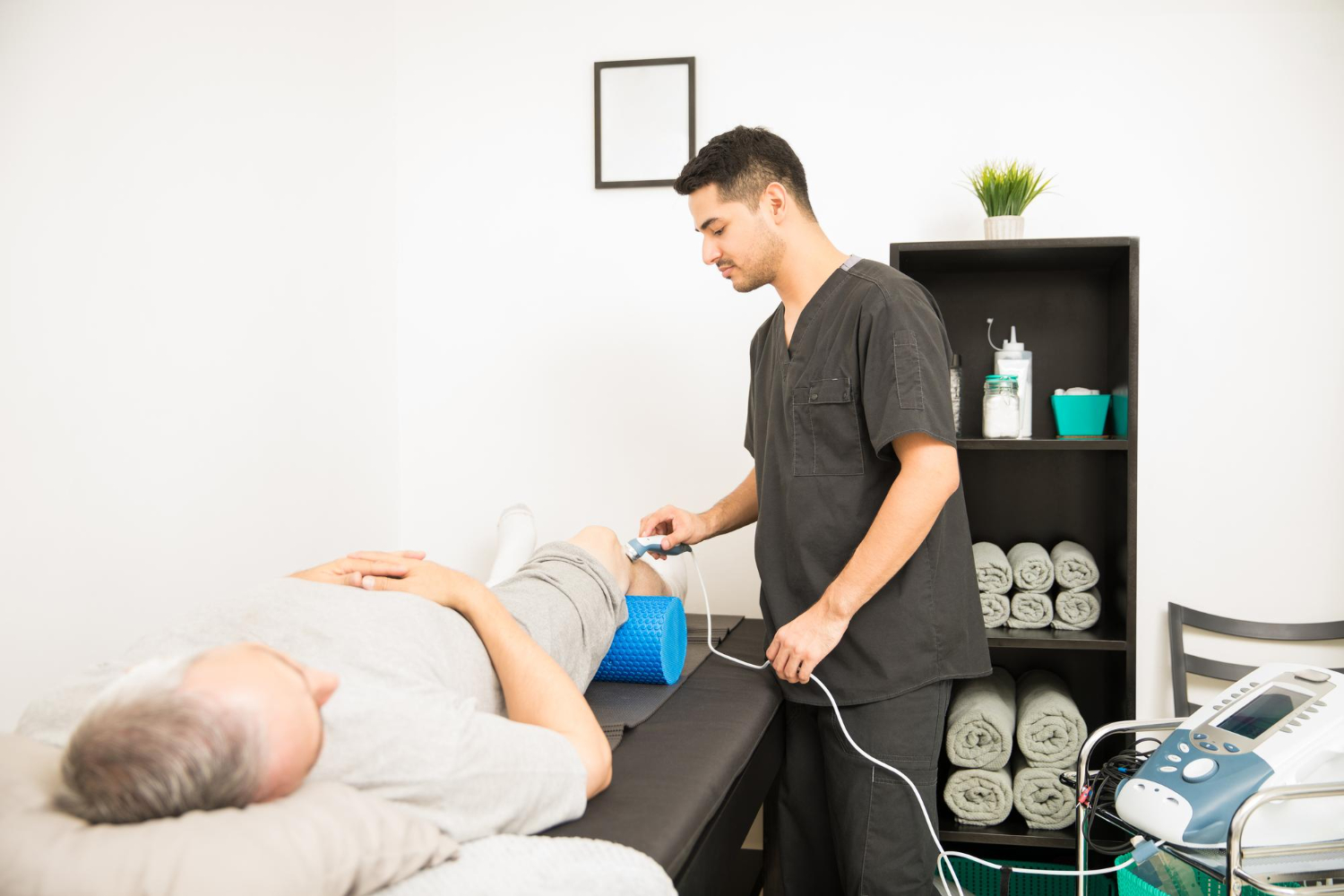
More than simply rest is needed for pain management and injury rehabilitation; tailored therapy can hasten support recovery and restore function. Ultrasound therapy is a non-invasive treatment that stimulates tissue repair, lowers inflammation, and improves circulation. This method, which is frequently employed in physiotherapy, speeds up the healing process for chronic illnesses, joint discomfort, and soft tissue injuries, making Ultrasound therapy Dubai a valuable option in rehabilitation programs. This blog explains the benefits of ultrasound therapy, how it works, and what patients can expect during a session.
Understanding Ultrasound Therapy and Its Role in Physiotherapy
High-frequency sound waves are used in physiotherapy ultrasound Dubai, a non-invasive procedure designed to promote healing and alleviate pain.
- Deep Tissue Penetration: Sound waves reach muscles, tendons, and ligaments by passing through a gel that is applied to the skin, which is why deep tissue ultrasound therapy Dubai is often used for deeper structures.
- Enhances Blood Circulation: Promotes quicker healing by increasing the flow of nutrients and oxygen to damaged areas.
- Reduces Inflammation: Assists in reducing stiffness and swelling in afflicted regions.
- Accelerates Tissue Repair: Promotes cellular activity, which helps heal soft tissues that have been injured.
This treatment is frequently used to hasten the healing process following a variety of musculoskeletal problems.
How Ultrasound Therapy Promotes Healing in Physiotherapy Treatments
By sending sound waves deep into the tissues, therapeutic ultrasound Dubai strengthens the body’s natural healing processes.
- May Help Increase Tissue Temperature: Encourages relaxation and helps ease tense muscles when appropriate settings are used.
- Enhances Circulation: Increases blood flow to damaged regions, providing vital nutrients for tissue healing.
- Minimizes Muscle Spasms: Assists in releasing tense muscles, which lessens discomfort and pain.
- Reduces the Development of Scar Tissue: Promotes flexibility and avoids long-term mobility problems.
Ultrasound treatment improves mobility and speeds up healing by enhancing circulation and tissue function.
Types of Injuries and Conditions That Respond Well to Ultrasound in Physiotherapy Treatments
In physiotherapy, ultrasound treatment is frequently utilized to aid in the healing process of a variety of soft tissue and joint-related injuries and disorders. It improves circulation, lowers inflammation, and encourages tissue healing by sending sound waves deep into the tissues:
- Tendonitis: It helps treat ailments like Achilles tendonitis and tennis elbow by reducing inflammation, discomfort, and stiffness in overworked tendons through ultrasound treatment Dubai approaches.
- Muscular Strains: Enhances blood flow and lessens muscular tension in ripped or strained muscle fibers, making ultrasound therapy for muscle pain Dubai beneficial during recovery.
- Ligament Sprains: Often used for ankle and knee sprains, this treatment aids in the healing of overextended or injured ligaments.
- Bursitis: Relieves pain in places including the knee, hip, and shoulder by reducing swelling and discomfort in inflamed bursae.
- Arthritis: Improves mobility, lessens pain, and eases joint stiffness, especially in conditions such as osteoarthritis treated in an ultrasound physiotherapy clinic Dubai setting.
- Carpal tunnel syndrome: Assists in easing the discomfort, tingling, and numbness associated with nerve compression in the wrist.
- Scar Tissue Management: Helps break down adhesions, increase flexibility, and avoid mobility restrictions brought on by previous operations or accidents.
Both acute injuries and chronic pain are frequently treated with ultrasound treatment, which offers a non-invasive solution for quicker healing and long-term comfort.
Ultrasound Therapy Sessions: What to Expect
A brief, painless technique called ultrasonic therapy is intended to aid with healing.
- Gel Application: To enable sound waves to enter tissues, a conductive gel is applied to the skin.
- Device Movement: The ultrasonic device is gently moved in circular movements over the afflicted region.
- Mild Sensations: While most individuals don’t feel any discomfort, some people do sense a little warmth or tingling.
- Session Length: Treatment duration varies based on the condition being addressed.
- No Downtime: Following the session, you may resume your regular activities right away.
For best results, this treatment is frequently coupled with other physiotherapy methods.
Possible Risks and Side Effects Associated With Ultrasound Therapy
Although ultrasound treatment is usually safe, some safety measures should be taken.
- Mild Redness or Warmth: The treated region may feel temporarily warm to some individuals.
- Avoid Certain Areas: Should not be administered on open wounds, active infections, or known cancerous areas.
- Proper Use Matters: When delivered by a skilled physiotherapist, the risk of side effects is negligible.
Consulting with a physiotherapist ensures that ultrasound treatment is delivered safely and effectively.
How Effective Is Ultrasound Therapy Compared to Other Physiotherapy Treatments?
In physiotherapy, the best ultrasound therapy in Dubai programs often combine ultrasound treatment with other therapies to support recovery. By lessening muscular tension and increasing tissue flexibility, it amplifies the benefits of manual treatment, increasing the efficacy of methods like massage and joint mobilization. By preparing muscles for movement, this therapy also aids in exercise-based rehabilitation by assisting patients in regaining strength and flexibility with minimal pain. Unlike passive therapies such as heat or cold, ultrasound penetrates deeply into tissues, targeting inflammation and speeding up cellular recovery. It is not usually used as a stand-alone therapy, though. Rather, it functions best when combined with other therapeutic interventions, guided exercises, and hands-on approaches in a more comprehensive physiotherapy regimen. Ultrasound therapy may help support healing, reduce discomfort, and enhance overall treatment outcomes when combined with appropriate physiotherapy interventions.
Who Is a Suitable Candidate for Ultrasound Therapy?
A safe and efficient treatment for people with various musculoskeletal disorders is ultrasound therapy. By using sound waves to target deep tissues, it speeds up healing, lessens pain, and increases mobility. The following groups may benefit from this therapy:
- Soft Tissue Injuries: Promotes function restoration and shortens recovery times by aiding in the healing of injured muscles, tendons, and ligaments.
- Chronic Pain Conditions: Offers comfort to people with osteoarthritis and certain chronic pain conditions that may cause ongoing discomfort and joint stiffness.
- Athletes Recovering from Injuries: Promotes quicker recovery from injuries sustained during sports, making ultrasound therapy for injury recovery Dubai a useful rehabilitation option.
- Those with Joint Stiffness: Enhances range of motion and lessens discomfort for those with joint stiffness brought on by arthritis, previous injuries, or overuse.
To find out if ultrasound therapy is the best course of action for your particular illness and health objectives, speak with a physiotherapist.
Find Care Tailored to Your Needs
If you have persistent pain, joint stiffness, or muscle strain, ultrasound therapy for back pain Dubai and other musculoskeletal conditions may help support your rehabilitation. This non-invasive physiotherapy treatment can help reduce inflammation, promote tissue healing, and improve mobility, allowing you to resume daily activities more comfortably. At Vitruvian – Italian Physiotherapy Center in Dubai, ultrasound therapy may be incorporated into personalized physiotherapy programs based on each individual’s condition, symptoms, and treatment goals. Schedule an appointment to determine whether ultrasound therapy is a good fit for your treatment plan.
https://gemini.google.com/share/1c891b6d3fc3
FAQs
Is ultrasound therapy painful during physiotherapy sessions?
Most patients find ultrasound treatment to be painless and well-tolerated. As sound waves reach deeper tissues in the treated region, you can experience a slight warmth. To provide a safe experience, physiotherapists modify intensity according to comfort and condition. It is a non-invasive treatment for a range of musculoskeletal conditions.
What conditions can be treated with ultrasound therapy?
Ultrasound therapy may be used to help manage various conditions, such as tendonitis, bursitis, ligament sprains, muscle strains, and joint inflammation. Additionally, it helps with chronic pain and scar tissue management. To improve tissue healing and promote a quicker functional recovery following an injury or surgery, physiotherapists frequently incorporate it into rehabilitation programs.
How many ultrasound therapy sessions are needed for results?
The kind and severity of the injury determine how many sessions are required. While some patients may need several weeks of treatment, others may see improvements after just a few sessions. To guarantee the best possible healing, pain reduction, and long-term functional rehabilitation, physiotherapists create individualized regimens that frequently combine ultrasound therapy with exercises.
Can ultrasound therapy be combined with other physiotherapy treatments?
Yes, various physiotherapy methods, including manual treatment, stretching, and strengthening exercises, are frequently used in conjunction with ultrasound therapy. By treating pain, mobility, and muscle function simultaneously, this integrated approach increases the efficacy of treatment. It facilitates quicker recovery, improved tissue healing, and a safer and more effective return to regular activities for patients.