Pelvic Floor Physical Therapy: What It Is, Who It Can Help, and What to Expect
Pelvic floor symptoms can sometimes be overlooked or dismissed, even though they are common and can affect people at different stages of life. Misconceptions about pelvic floor symptoms may prevent people from seeking appropriate assessment and physical therapy.
Urinary leakage with coughing, sneezing, laughing, or physical activity is common but should not simply be considered something a person has to accept. Other symptoms may include pain during sexual activity, pelvic pain during pregnancy or after childbirth, persistent constipation, or a feeling of incomplete bladder or bowel emptying.
Pelvic Floor Physical Therapy (PFPT) can help address these symptoms, while a physical therapist identifies contributing factors and develops an individualized treatment plan. PFPT may help improve mobility, flexibility, strength, breathing mechanics, and pressure management, thereby supporting more comfortable participation in daily activities. These individualized strategies may form part of pelvic floor rehabilitation Dubai based on a person’s symptoms and clinical needs.
What is the pelvic floor?
The pelvic floor is a group of muscles and connective tissues that helps support the pelvic organs, including the bladder, uterus, and rectum. These muscles contribute to bladder and bowel control, sexual function, and support for the pelvis and surrounding structures. They also work with the diaphragm and abdominal muscles as part of breathing and pressure management.
When these muscles become weak, overactive, or poorly coordinated, they can contribute to various symptoms affecting everyday life. Pelvic floor physical therapy can address these concerns through an individualized rehabilitation plan that may include therapeutic exercise, education, breathing strategies, and manual therapy when appropriate. The approach to pelvic floor therapy for incontinence Dubai may therefore focus on the contributing factors identified during the assessment.
5 Common Issues the Pelvic Floor Physical Therapy Can Address
Can PFPT help with urinary incontinence?
One common concern that pelvic floor physical therapy addresses is urinary incontinence and bladder control problems. One common type is stress urinary incontinence, which involves urine leakage when coughing, sneezing, laughing, or lifting. Others may experience urinary urgency, which is a sudden and difficult-to-control need to urinate. A pelvic floor physical therapy assessment can help identify contributing factors such as poor muscle coordination, weakness, increased muscle tension, or bladder-related factors. A physical therapist at Vitruvian – Italian Physiotherapy Center may use posture, breathing, and movement strategies to help address these difficulties. When clinically appropriate, pelvic floor dysfunction treatment Dubai may be tailored according to the underlying symptoms and contributing factors.
How does PFPT treat pelvic pain?
Pelvic pain can be associated with conditions such as pelvic floor dysfunction, pelvic girdle pain, pelvic instability, pubic symphysis-related pain, or endometriosis. When clinically appropriate, treatment may include soft-tissue techniques, thoracic or rib-cage mobility exercises, and breathing strategies to help reduce muscle tension and improve movement. The objective is to help improve function and support more comfortable movement. Pelvic floor dysfunction treatment Dubai can be tailored according to the underlying symptoms and contributing factors.
Can Pelvic Floor Physical Therapy improve sexual dysfunction?
Pelvic floor dysfunction can contribute to sexual symptoms in people of different genders. Symptoms may include pain during or after sexual activity or difficulty achieving orgasm. Pelvic floor physical therapy may help address contributing factors such as pelvic floor muscle tension, weakness, or poor coordination to improve comfort and function during sexual activity. These concerns may be addressed through pelvic health physiotherapy Dubai as part of an individualized assessment and treatment plan.
Is PFPT effective for constipation and bowel disorders?
Chronic constipation and fecal incontinence may be associated with problems with pelvic floor muscle coordination or relaxation. A physical therapist may discuss general fluid and fiber intake while addressing physical factors such as pelvic floor coordination, abdominal muscle tension, and appropriate breathing and toileting techniques to support more effective bowel emptying. These strategies may be incorporated into pelvic floor therapy Dubai when they are appropriate for the individual’s condition.
What Is the Role of Pelvic Floor Physical therapy During Pregnancy and Postpartum?
Pregnancy and childbirth can place increased demands on the pelvic floor and abdominal muscles and may contribute to conditions such as diastasis recti and pelvic organ prolapse. Pelvic floor physical therapy during pregnancy may help manage symptoms and address contributing factors associated with these conditions. Postpartum, a physical therapist at Vitruvian – Italian Physiotherapy Center may focus on restoring strength, coordination, and functional movement to support recovery and address symptoms such as incontinence and pelvic discomfort. These symptoms may indicate a need to consider postpartum pelvic floor therapy Dubai as part of individualized rehabilitation.
What happens during a pelvic floor physical therapy appointment?
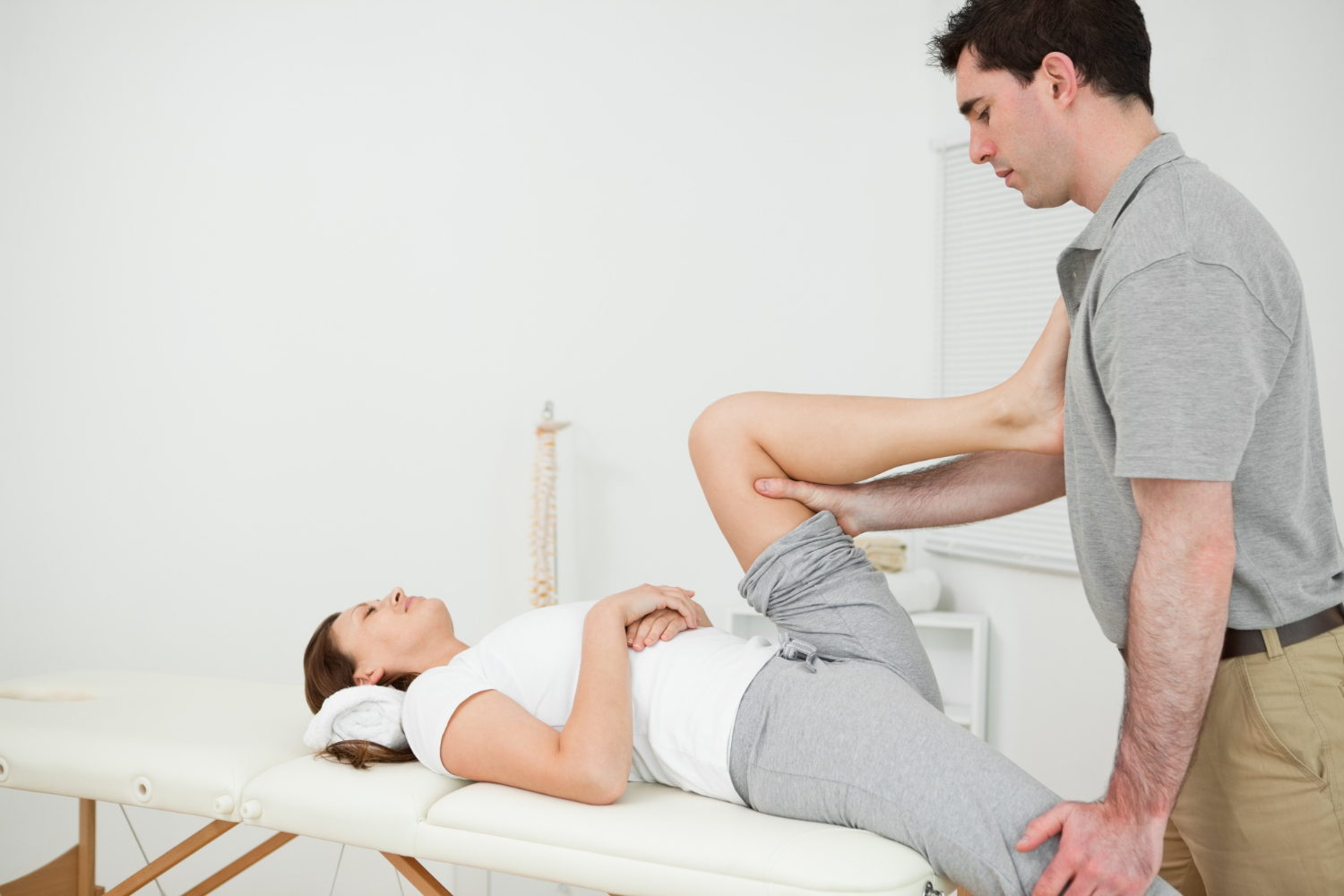
It is natural to have questions or concerns before your first appointment. Your initial consultation begins with a detailed discussion of your medical history and everyday activities. Following that, your physical therapist will perform a physical assessment. This may involve assessing your posture, hip mobility and strength, breathing pattern, and abdominal muscle function. If clinically indicated and you are comfortable with it, an internal examination may be offered to assess pelvic floor muscle tone, strength, and coordination. An internal examination is performed only with your informed consent and at a pace that is comfortable for you. It is not always necessary, and pelvic floor physical therapy can be tailored to your comfort level and clinical needs. For those seeking a pelvic physiotherapist Dubai, this assessment can help determine an appropriate individualized treatment approach.
An individualized approach to pelvic floor treatment Dubai should be based on the individual’s symptoms, assessment findings, and rehabilitation needs rather than a one-size-fits-all approach. For patients comparing options, choosing the best pelvic floor physiotherapy in Dubai should depend on the quality of assessment, individualized care, and suitability of the treatment plan. Pelvic floor symptoms related to pregnancy, childbirth, or other pelvic health concerns may be addressed through Women’s pelvic floor rehab Dubai as part of an individualized rehabilitation approach.
FAQs
Do I need a referral to see a pelvic floor physical therapist?
Referral requirements may vary depending on your healthcare coverage and individual circumstances. In some cases, you may be able to arrange an initial assessment directly, while others may require a referral. It is best to confirm the requirements with your healthcare provider or insurance provider before scheduling an appointment.
Will the exam be internal?
An internal evaluation may provide useful information about pelvic floor muscle function, but it is not always necessary. If you do not wish to undergo an internal examination, a physical therapist can use external assessments and movement assessments to evaluate your condition and tailor treatment to your needs.
How many sessions will I need?
Each body is unique. Some patients may notice improvement after a few sessions, whereas more chronic conditions may take longer. Your physical therapist will create an individualized plan of care following your initial examination.
Can pelvic floor physical therapy help with back pain?
Yes. The pelvic floor is an important part of your “core.” If these muscles are not coordinating pressure effectively, they may contribute to chronic low back or hip discomfort that doesn’t seem to respond to regular exercise.
What problems can pelvic floor physical therapy address?
Pelvic floor physical therapy can assist with urinary leakage, pelvic discomfort, bowel control issues, painful intercourse, constipation, and pelvic floor muscle coordination problems. Treatment is based on the underlying cause and may involve focused exercises, breathing strategies, mobility work, and relaxation techniques. A physical therapist assesses your symptoms before developing an individualized treatment plan.
What happens during a pelvic floor physical therapy appointment?
The initial session often involves a discussion of your symptoms, medical history, daily activities, and goals. Your physical therapist may evaluate posture, breathing patterns, hip mobility, abdominal strength, and pelvic floor muscle function. An internal examination may be offered based on your comfort level and clinical needs, but it is not always necessary.
Can Pelvic Floor Physical Therapy help with bladder control?
Yes, pelvic floor physical therapy may help with bladder control when weakness, poor coordination, or excessive muscle tension contributes to urinary symptoms. Treatment may include strengthening exercises, relaxation techniques, bladder-management strategies, and mobility exercises. After assessing your symptoms and identifying relevant contributing factors, your physical therapist can determine which treatments are most appropriate.
Can pelvic floor therapy help after pregnancy or childbirth?
Pelvic floor physical therapy can support recovery after pregnancy and childbirth by addressing muscle weakness, pain, pressure, urinary leakage, and movement changes. Treatment may include progressively restoring strength, coordination, breathing mechanics, and functional movement. Your physical therapist can modify exercises based on your stage of recovery and specific goals.
How long does it take to notice improvement from pelvic floor therapy?
Improvement varies depending on your symptoms, how long you have had them, muscle function, and consistency with treatment. Some people notice improvement after a few sessions, while others require a longer rehabilitation period. Progress may include improved muscle control, less pain, improved bladder or bowel function, and greater confidence during routine activities.