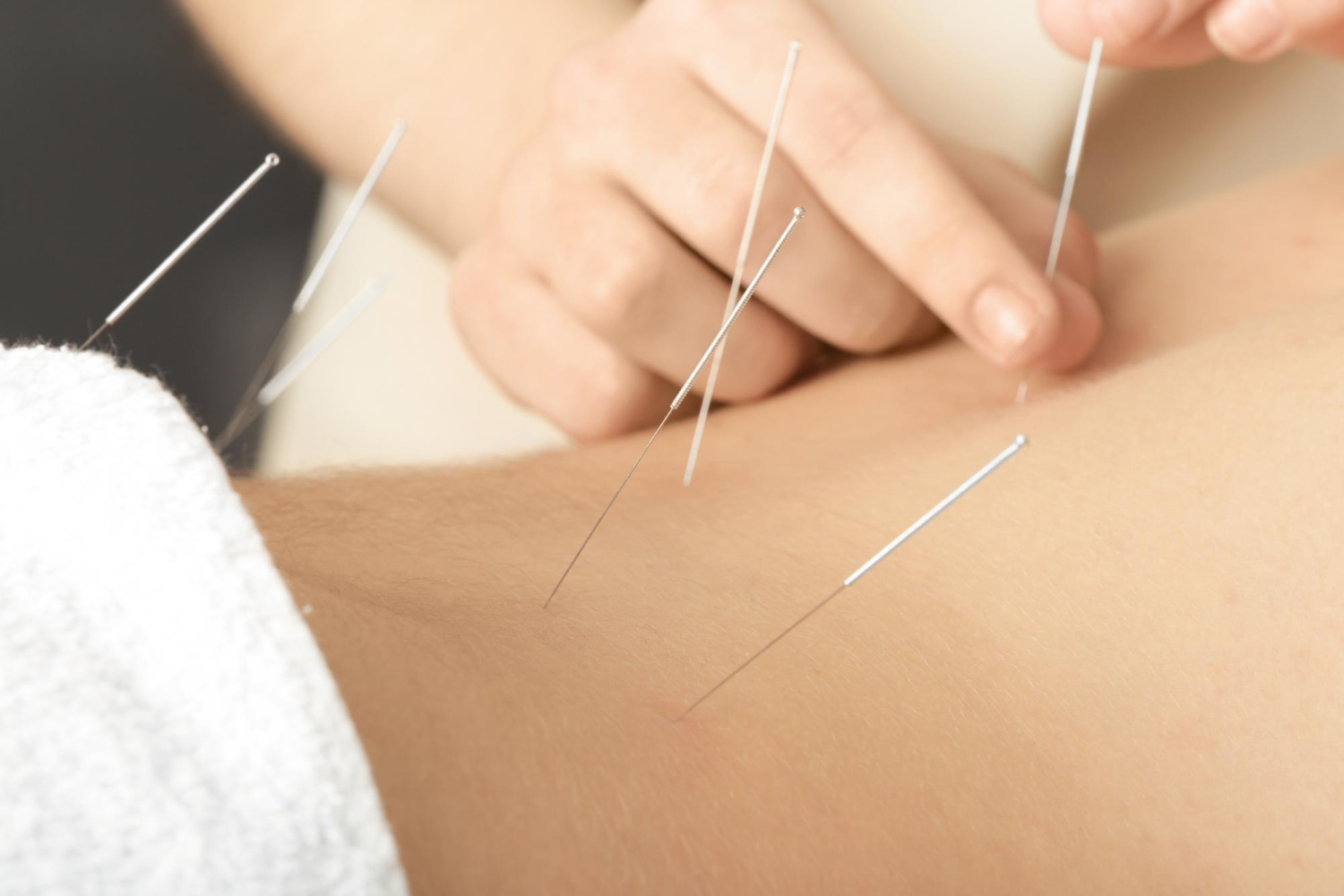
Dry needling is a physiotherapy technique used to help manage myofascial pain and muscle dysfunction. This minimally invasive technique involves inserting sterile, single-use filiform needles into targeted areas of muscle, including myofascial trigger points. Unlike injections, dry needling does not involve injecting medication or fluid; instead, it uses a solid needle to target specific tissues and may help reduce pain and muscle sensitivity. Dry needling Dubai may be considered as part of an individualized physiotherapy plan when clinically appropriate.
What is Dry Needling?
Dry needling is a specialized physiotherapy technique that targets myofascial trigger points to help reduce muscular discomfort and improve mobility. Myofascial trigger points are commonly described as sensitive areas within taut bands of muscle that may produce local tenderness or referred pain. These areas may be associated with muscle tension, reduced range of motion, and myofascial pain. Myofascial trigger point therapy Dubai may be considered when these trigger points are identified during clinical assessment. This anatomy-based approach is also relevant when considering Physiotherapy dry needling Dubai for appropriate patients.
Physiotherapists may use dry needling to target specific areas of muscle sensitivity and support pain management and rehabilitation. When a needle is inserted into a myofascial trigger point, a local twitch response, a brief, involuntary contraction of muscle fibers, may occur. However, a twitch response is not necessary for treatment to provide benefits. This can be incorporated into pain management physiotherapy Dubai when appropriate for the individual’s condition.
What Type of Needle is Used in Dry Needling?
The needles used in dry needling are similar to those used in acupuncture, but the clinical purpose and needle-placement approach differ. Dry needling commonly uses sterile, single-use filiform needles. Needle gauge and length vary depending on the treatment area, tissue depth, and clinical requirements. These needles are sterile and single-use, supporting appropriate infection-control practices and patient safety.
These filiform needles are thin and solid, allowing the physiotherapist to access targeted tissues without injecting medication. Their thin design may make insertion relatively well tolerated, although sensations vary between individuals.
Deep Dry Needling vs. Superficial Dry Needling
Dry needling techniques may be performed superficially or at greater tissue depths, depending on the treatment area and clinical approach. Deep dry needling involves inserting the needle into deeper muscle tissue when clinically appropriate and may produce a local twitch response. This approach may influence pain through local and neurophysiological mechanisms, although the precise mechanisms of dry needling are not fully understood.
In contrast, superficial dry needling involves inserting the needle into superficial tissues or the subcutaneous layer rather than targeting deeper muscle tissue.
The approach used depends on the treatment area, clinical assessment, and treatment goals, and dry needling may be incorporated into a broader rehabilitation plan to support pain management and function.
Does Dry Needling Hurt?
Many people are concerned about the discomfort involved with dry needling. The procedure is often well tolerated, although the level of discomfort varies between individuals. As the needle passes through the skin and reaches the targeted tissue, patients may experience a brief prickling or aching sensation. The physiotherapist may gently manipulate the needle to target the intended tissue.
A local twitch response may occur during dry needling, in which the muscle contracts briefly in response to the needle. This twitch can be brief and noticeable, but its presence is not required for treatment to provide benefits.
Mild muscular soreness or tightness may occur for a short period following the procedure. This soreness may resemble the muscle soreness experienced after exercise and often resolves on its own. Patients should follow the aftercare advice provided by their physiotherapist.
How Long Does a Dry Needling Session Take?
The length of a dry needling session varies according to the treatment plan, areas being treated, and individual clinical needs. Before needling, the physiotherapist assesses the relevant area, identifies the tissues to be treated, and prepares the skin using appropriate infection-control procedures. The overall session forms part of an individualized approach to dry needling therapy Dubai when this technique is clinically appropriate.
Needle placement and any stimulation are performed according to the individual treatment plan and the technique being used. The number of needles used varies according to the treatment area, clinical findings, and treatment goals. Needles are removed according to the technique being used and the physiotherapist’s clinical judgment.
Benefits of Dry Needling
Dry needling may offer several potential benefits, particularly when combined with a comprehensive physiotherapy program. Some of the main benefits include:
- Relief from muscular pain and tension: Dry needling may help reduce muscular pain and tension by targeting areas of muscle sensitivity. This may be relevant when considering muscle tension treatment Dubai as part of a broader physiotherapy plan.
- Potential improvement in range of motion: Reducing muscle sensitivity may help improve movement and range of motion in some individuals. This may be one consideration when using Dry needling for pain relief Dubai as part of a broader treatment plan.
- Reduction in muscular tightness: Dry needling may help reduce persistent muscular tightness and stiffness in selected cases, including situations where dry needling for muscle pain Dubai is considered appropriate.
- Support for rehabilitation: Dry needling may be used as an adjunct to exercise and other physiotherapy interventions during musculoskeletal rehabilitation. It may, therefore, be considered when using advanced physiotherapy techniques Dubai as part of a broader rehabilitation plan.
Who Is a Good Candidate for Dry Needling?
Dry needling may be appropriate for some people experiencing musculoskeletal pain and dysfunction, depending on their individual assessment.
- Myofascial pain.
- Muscle strains and spasms.
- Persistent muscle tension.
- Sports-related musculoskeletal conditions, particularly when sports injury recovery Dubai is being supported through a broader rehabilitation plan.
- Neck pain may be considered for dry needling as part of an individualized physiotherapy plan, particularly when dry needling for neck pain physiotherapy Dubai is appropriate based on clinical assessment.
- Back pain, including lower back pain. In selected cases, dry needling for back pain Dubai may be considered based on clinical assessment.
- Tension-type headaches associated with muscular tenderness.
Physiotherapists carefully evaluate each patient to determine whether dry needling is appropriate based on their medical history, symptoms, and treatment goals.
Safety and precautions
Dry needling is generally considered a low-risk procedure when performed by appropriately trained physiotherapists using proper infection-control and safety procedures. The use of sterile, disposable needles reduces the risk of infection. Appropriate training, anatomical knowledge, and safe needling practices are essential when choosing a certified dry needling physiotherapist Dubai. However, as with any invasive procedure, minor bleeding, bruising, or temporary soreness may occur at the needle insertion sites.
Patients with certain medical conditions, skin infections, bleeding disorders, or significant needle anxiety should discuss these concerns with their physiotherapist before undergoing dry needling. Physiotherapists use appropriate anatomical knowledge and clinical judgment when selecting treatment areas and techniques.
Although serious complications such as pneumothorax, nerve injury, or vascular injury are uncommon, they can occur, making appropriate patient selection, anatomical knowledge, and technique essential.
Dry Needling vs. Acupuncture
While dry needling and acupuncture may use similar types of needles, their clinical approaches and underlying principles differ. Dry needling uses an anatomy-based approach to target specific tissues and may help manage pain and improve function. Acupuncture is a traditional needling practice that uses specific points and meridian concepts within its traditional framework. These differences are important when considering dry needling vs acupuncture Dubai.
Although both techniques commonly use sterile, single-use filiform needles, their clinical rationale and methods of needle placement differ. Dry needling is typically guided by musculoskeletal anatomy and clinical assessment, while acupuncture follows its own traditional point-based framework.
What to Expect During Your Dry Needling Treatment at Vitruvian – Italian Physiotherapy Center
At Vitruvian – Italian Physiotherapy Center, dry needling may be incorporated into a comprehensive physiotherapy treatment plan tailored to the individual’s condition, symptoms, and goals. During a session, the physiotherapist at Vitruvian – Italian Physiotherapy Center may provide treatment at a dry needling physiotherapy clinic Dubai that emphasizes individualized assessment and rehabilitation.
- Conduct a comprehensive assessment to identify relevant muscles, tissues, and areas of sensitivity associated with the patient’s symptoms.
- Clean the skin around the treatment area using appropriate infection-control procedures.
- Insert sterile, single-use filiform needles into the targeted tissues or myofascial trigger points according to the treatment plan when dry needling treatment Dubai is clinically appropriate.
- Monitor the patient’s response throughout the procedure and adjust the technique when clinically appropriate.
- Remove the needles according to the technique being used and the physiotherapist’s clinical judgment.
- Guide exercises, stretches, and other physiotherapy interventions that may support recovery and function.
Vitruvian – Italian Physiotherapy Center’s objective is to help reduce pain and improve function by incorporating dry needling into an individualized physiotherapy rehabilitation plan when clinically appropriate. Trigger point dry needling Dubai may be considered when myofascial trigger points are identified during the assessment.
Book a Consultation
If you experience muscular discomfort, reduced mobility, or other musculoskeletal symptoms, contact Vitruvian – Italian Physiotherapy Center to learn whether dry needling may be appropriate as part of your individualized treatment plan. Vitruvian – Italian Physiotherapy Center’s trained physiotherapists can help you work toward improved function and a more active lifestyle through personalized rehabilitation.
https://share.gemini.google/f4AEib8GaUnC
FAQs
How soon after an injury can I start dry needling?
Dry needling may be considered at different stages of recovery depending on the nature and severity of the injury. Your physiotherapist will assess your condition and determine whether dry needling is safe and appropriate as part of your rehabilitation.
Are there any long-term side effects of dry needling?
Long-term side effects are uncommon when dry needling is performed appropriately by a trained physiotherapist. Temporary soreness, bruising, or minor bleeding may occur after treatment, while serious complications are uncommon. Your physiotherapist can discuss the potential risks based on your individual circumstances.
Can dry needling improve muscle performance in athletes?
Dry needling may help some athletes manage muscular stiffness and improve mobility when clinically appropriate. It may be used alongside exercise-based physiotherapy as part of a broader rehabilitation or performance plan.
Is dry needling effective for chronic conditions like fibromyalgia?
Dry needling may be considered as part of a broader rehabilitation plan for some people with chronic pain conditions, although its suitability and potential benefits vary between individuals. A physiotherapist can assess your symptoms and determine whether dry needling is appropriate for your specific needs.
What should I expect immediately after a dry needling session?
Mild discomfort, muscle soreness, or tightness may occur immediately after dry needling, particularly around the treated muscles. These symptoms are generally temporary and usually settle without further treatment. Depending on the areas treated and your individual response, your physiotherapist may advise you to perform gentle exercise, stay hydrated, and avoid intense activity for a limited period.
How often can dry needling sessions be scheduled?
The frequency of dry needling is determined by your symptoms, treatment goals, physical condition, and past session outcomes. Some people may benefit from sessions scheduled several days apart, while others may benefit from less frequent treatment. Your physiotherapist can develop an appropriate treatment schedule and modify it as your condition changes.
Can dry needling be combined with other physiotherapy treatments?
Yes, dry needling can be included in a larger physiotherapy program as necessary. Therapeutic exercises, stretching, manual therapy, mobility work, and other interventions may all be part of your rehabilitation plan. Combining techniques allows your physiotherapist to address contributing factors while supporting mobility, strength, and function throughout the rehabilitation process.
Is dry needling suitable for everyone?
Dry needling is not suitable for all individuals or situations. Before beginning dry needling, your physiotherapist should assess your medical history, medications, skin condition, symptoms, and overall health. Certain conditions may require additional precautions or make dry needling inappropriate. A clinical assessment can help determine whether dry needling is appropriate and safe for your individual needs.
How does dry needling differ from acupuncture?
Although both methods involve inserting small needles into the body, their underlying approaches and therapeutic aims differ. Dry needling is a technique used in physiotherapy to address musculoskeletal discomfort, muscular tightness, and myofascial trigger points. Acupuncture uses its own traditional framework and specific needling points based on an individual assessment.