Craniosacral Therapy (CST) is a gentle, non-invasive hands-on therapy based on theoretical concepts involving the tissues and fluids surrounding the brain and spinal cord. It has been used as a complementary approach for people seeking relaxation or support with certain symptoms, although scientific evidence for its clinical effectiveness remains limited. This blog will look at the history, concepts, techniques, potential uses, and limitations surrounding craniosacral therapy, offering an overview of this therapeutic approach.
Origins and Development
Craniosacral therapy has its roots in osteopathy, particularly in historical concepts proposing that the skull’s bones could move subtly. The proposed cranial rhythmic impulse (CRI) describes a subtle rhythm that practitioners associate with movement in the craniosacral system. However, the physiological basis of this proposed rhythm and its role in maintaining health remain uncertain.
The approach was further developed during the twentieth century into a hands-on method used by some healthcare and manual therapy practitioners. When considering the craniosacral therapy in Dubai, patients should evaluate the available evidence, practitioner qualifications, and whether the approach is appropriate for their individual circumstances. Practitioners may use gentle touch to assess areas they perceive as restricted, although the reliability and clinical significance of these assessments remain uncertain.
Principles of Craniosacral Therapy
Craniosacral treatment is founded on many fundamental principles:
- The Craniosacral System: In CST theory, the craniosacral system refers to structures and fluids associated with the brain, spinal cord, and surrounding tissues, including the membranes and cerebrospinal fluid. According to CST practitioners, gentle touch is used to assess subtle movements or rhythms associated with the craniosacral system. These proposed movements should not be considered established diagnostic findings.
- Cranial Rhythmic Impulse (CRI): The cranial rhythmic impulse is a proposed subtle rhythmic movement described within CST theory. Its physiological basis and underlying mechanisms remain uncertain. CST practitioners may use gentle palpation to assess the perceived rhythm and identify areas they consider restricted or altered. The clinical reliability and diagnostic value of this assessment have not been firmly established.
- Self-Regulation and Relaxation: CST is based in part on the concept that the body has natural self-regulatory and recovery processes. Within CST practice, the therapist uses gentle touch with the aim of promoting relaxation. However, strong clinical evidence has not established claims that CST directly regulates the body’s physiological processes.
- Holistic Approach: CST takes a holistic approach to the individual’s physical experience. It considers the interconnectedness of the body’s systems and may be used alongside other approaches as a complementary option, rather than a replacement for appropriate medical assessment or evidence-based treatment.
Techniques Used in Craniosacral Therapy
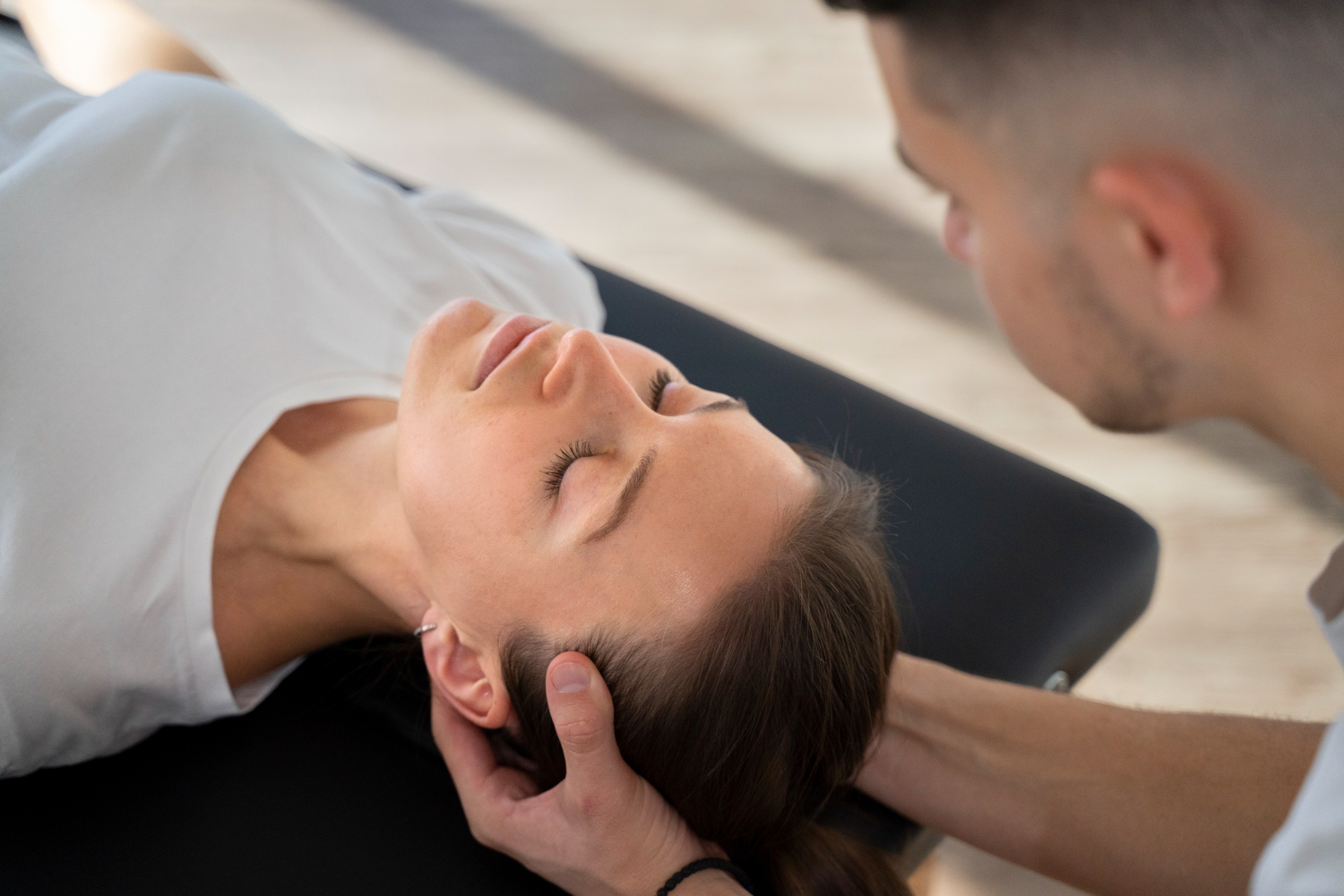
Craniosacral therapy Dubai is characterized by its gentle, hands-on approach. A session may involve the patient lying fully clothed on a treatment table while the therapist uses gentle touch to assess areas of tension and the perceived craniosacral rhythm. The practitioner may place their hands on the patient’s head, neck, or sacrum (the base of the spine) to assess subtle movements.
The therapist may then use particular hand placements and gentle techniques during Craniosacral treatment Dubai to address areas they perceive as restricted or tense within the craniosacral system. These techniques are intended within CST practice to promote relaxation and may help some individuals feel more comfortable; however, their proposed effects on surrounding tissues have not been firmly established. The touch used during CST is typically characterized as very light and gentle, making it a non-invasive form of hands-on therapy.
Benefits and Applications
People seeking relaxation or general well-being may consider craniosacral therapy a complementary approach. It should not replace appropriate medical care, physiotherapy, or other recommended rehabilitation. When choosing a Craniosacral therapy clinic Dubai, it is also important to understand the limitations of the available evidence. However, current evidence does not establish CST as an effective treatment for the medical conditions listed below.
- Chronic Pain: CST has been explored as a complementary approach for people experiencing chronic pain, including discomfort affecting the head, neck, or back. It has also been explored for headaches and temporomandibular joint (TMJ) disorders. However, available evidence does not establish clinically meaningful benefits for these conditions, and CST should not replace appropriate assessment or evidence-based treatment.
- Stress & Anxiety: The gentle nature of CST may appeal to people seeking relaxation or support with stress-related concerns. Some people may report feelings of relaxation or well-being following a session, although individual experiences can vary. CST should not be presented as an established treatment for anxiety or other mental health conditions.
- Neurological Disorders: CST has been explored as a complementary therapy for people with various neurological conditions. However, evidence is insufficient to establish CST as an effective treatment for conditions such as multiple sclerosis, Parkinson’s disease, or traumatic brain injury, and it should not replace appropriate medical or rehabilitation care.
- Pediatric Care: CST has also been explored for use with babies and children for concerns such as colic and other symptoms. However, evidence for its effectiveness in pediatric conditions remains limited, and it should not be used as a substitute for pediatric assessment or recommended medical care. Any consideration of CST for a baby or child should first be discussed with an appropriate healthcare professional.
- Post-Surgical Recovery: CST may be considered by some people as a relaxation-focused complementary approach during recovery after surgery. However, it has not been established as a method for improving surgical healing. Any complementary treatment should be considered only when appropriate for the individual’s condition and in consultation with the treating healthcare professional.
Controversies and Criticisms
Despite its use as a complementary approach, craniosacral therapy has attracted criticism in scientific and medical research. One of the key concerns is the limited and mixed scientific evidence regarding the clinical effectiveness of CST. Researchers have questioned whether the proposed cranial bone movements and cranial rhythmic impulse have a sufficiently established anatomical or physiological basis.
Additionally, the subjective nature of CST assessment, in which practitioners palpate subtle movements or rhythms, has raised questions about the consistency and reliability of these assessments. Some researchers have suggested that contextual or placebo effects may influence reported benefits, although individual patient experiences may vary for different reasons. Current evidence does not establish that the proposed mechanisms of CST explain reported improvements.
Questions about safety and appropriate use remain particularly important for vulnerable populations, such as babies or people with significant medical conditions. Because evidence and safety information may vary by condition and patient population, CST should be provided by an appropriately qualified practitioner, and when choosing a Certified craniosacral therapist Dubai, people should consider the practitioner’s qualifications and the available evidence. People with significant medical conditions should discuss complementary therapies with an appropriate healthcare professional before treatment.
Conclusion
Craniosacral therapy is a gentle style of hands-on therapy that some people may consider as part of a broader approach to relaxation and symptom management. Its focus on the concepts of the craniosacral system and subtle rhythmic movements has made it an option for people seeking a gentle complementary approach to concerns such as pain, stress, and relaxation. However, current scientific evidence does not establish CST as an effective treatment for the conditions discussed in this blog, and its proposed mechanisms remain debated. Before including CST in a treatment plan, patients should discuss its potential benefits, limitations, and suitability with an appropriate healthcare professional. Further research may help clarify the potential role, mechanisms, and clinical effectiveness of craniosacral therapy. People searching for craniosacral therapy near me Dubai should consider practitioner qualifications, the available evidence, and whether the approach is appropriate for their individual circumstances.
FAQs
Who may benefit from craniosacral therapy?
People looking for a gentle, relaxation-focused approach to well-being may choose to include craniosacral therapy in their routine. It may be considered alongside appropriate care for concerns such as stress, muscular tension, headaches, or general discomfort. Suitability is determined by individual circumstances; thus, it is suggested that you see an appropriately qualified practitioner about your symptoms and health history beforehand.
How long does a craniosacral therapy session usually last?
A craniosacral therapy visit may vary in length depending on the practitioner and your specific requirements. The appointment often includes time to discuss issues, get mild hands-on therapy, and briefly assess how you feel afterward. Your practitioner can describe the expected schedule.
Is craniosacral therapy painful?
Craniosacral therapy is typically regarded as a gentle approach that employs soft, noninvasive touch. The gentle nature of the approach means that many people may find the session comfortable and calming. However, individual reactions vary. Tell your practitioner if anything makes you uncomfortable so they can adjust the technique or pressure accordingly.
How many craniosacral therapy sessions might I need?
The number of sessions varies depending on your goals, symptoms, and response to treatment. Some people may choose occasional sessions for relaxation, while others may discuss further sessions with their practitioner. An appropriately qualified practitioner can evaluate your requirements, explain realistic expectations, and suggest a suitable treatment schedule.