What Is Craniosacral Therapy (CST) and How Does It Work?
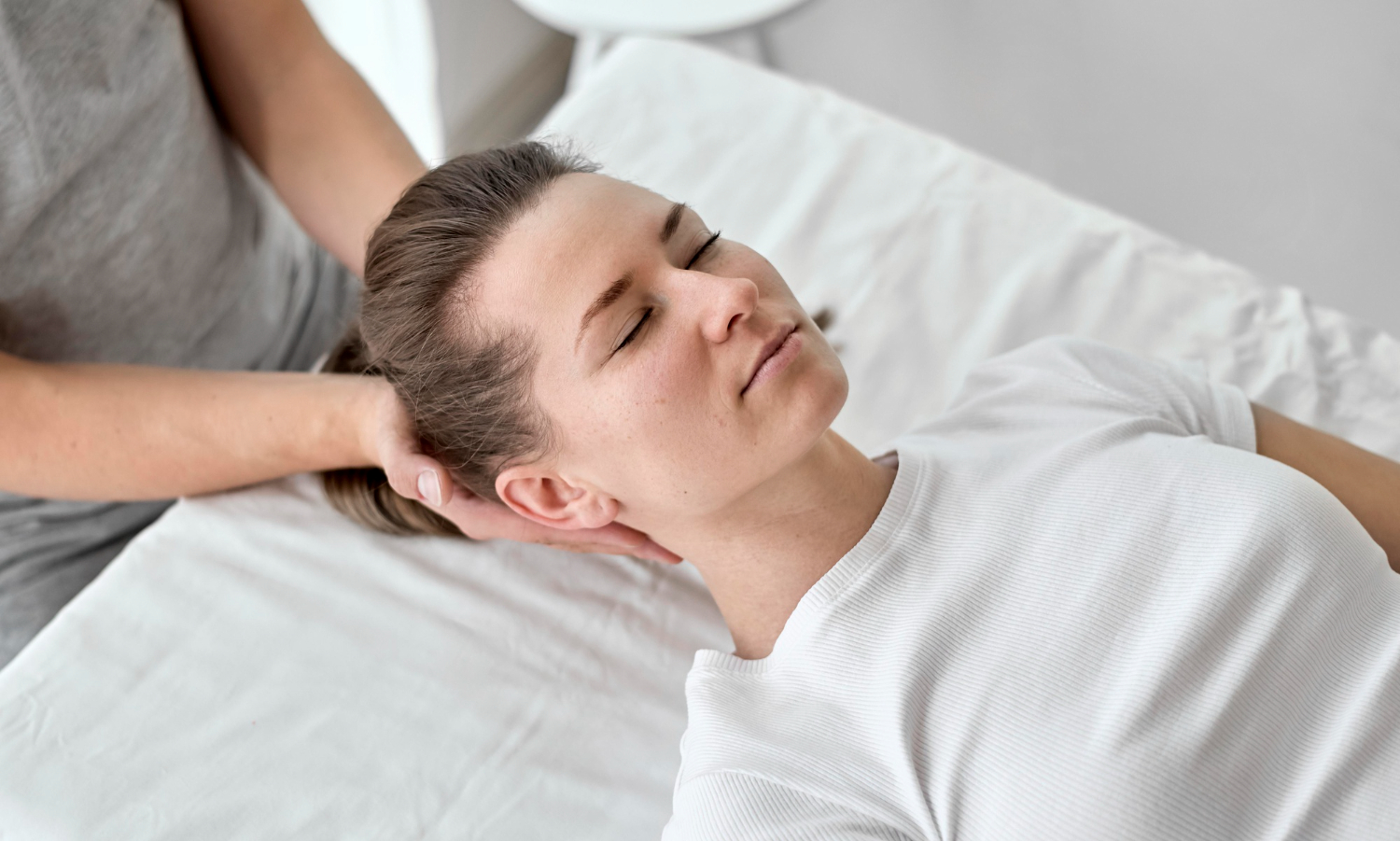
CST uses a gentle touch of less than five grams to help support relaxation and improve mobility within the craniosacral system. This gentle touch technique, used in craniosacral therapy Dubai, promotes relaxation and eases tension in the tissues surrounding the brain and spinal cord, which may help improve discomfort and dysfunction. CST may be used alongside other therapies or as part of a personalized treatment plan.
Your brain and spinal cord, which together make up your central nervous system, greatly influence your body’s ability to function efficiently. In addition to protecting and nourishing your brain and spinal cord, the craniosacral system has a significant influence on the central nervous system and the fluids and membranes that surround it.
Your body must adapt to the demands and difficulties it encounters every day. However, these changes often cause the body’s tissues to tighten, distorting the craniosacral system. These restrictions may contribute to tension and discomfort throughout the body and can also affect the way the central nervous system and related body systems function.
By promoting relaxation and mobility within the body, craniosacral treatment Dubai may help encourage the body’s natural self-correction processes. CST may help support patients experiencing concerns such as the following:
- Sports-related injuries
- Long-lasting pain
- Stress-related tension
- Nervous system impairment
- Recovery support following neurological conditions
You could encounter a range of things throughout therapy, such as:
- Experiencing deep relaxation during the session
- Feeling calm and supported throughout the treatment
- The sensation of pins and needles
- Noticing gentle rhythmic sensations
- Feeling either hot or cold
What Is Craniosacral Therapy Used For?
Many individuals use CST to help promote relaxation and relieve physical tension. Additionally, it can help release restrictions on the head, neck, and nerves, which may help improve comfort and mobility.
All ages can benefit from craniosacral therapy. The following are just a few of the numerous uses for it:
Migraines
Some studies suggest that craniosacral therapy may help reduce migraine-related discomfort in certain individuals. One study revealed that after four weeks of CST treatment, participants reported a reduction in migraine symptoms. Some patients also reported reduced reliance on pain management support after treatment. Treatment sessions were provided by different practitioners across various clinical settings.
Gentle relaxation techniques provided by a certified craniosacral therapist Dubai may also help reduce headache-related tension. It’s possible that you are not aware of the muscles on your scalp or the tension they hold. These muscles help create facial expressions, and they may be under continual strain, particularly if you are under a lot of stress or spend the whole day staring at a computer. Gentle scalp massage techniques may help reduce muscular tension and stiffness.
Back Pain
There is evidence that CST may alleviate back pain based on the findings of a study showing CST responses were better than those of a conventional massage. Many patients seeking the best craniosacral therapy in Dubai explore CST as part of a broader recovery and wellness plan.
Post-Concussive Syndrome
For pain management and sleep issues caused by concussions, CST therapy may be an option.
Autism
Research indicates that CST therapy may help promote relaxation and comfort in some children receiving supportive care. Both therapist and parent reports served as the basis for these findings.
Addiction
Bodywork techniques can be helpful when you’re trying to make significant changes to your routines and lifestyle since you’re more likely to feel worn out, anxious, and weary. Relaxation-based therapies may help support emotional well-being during lifestyle and recovery programs.
Anxiety
Cognitive-behavioral therapy (CBT) for fibromyalgia has been shown to enhance quality of life by lowering anxiety. Many individuals report feeling calmer and more relaxed after sessions at a Craniosacral therapy clinic Dubai.
Asthma
Some supportive therapies, including CST and acupuncture, may help promote relaxation and overall well-being alongside standard asthma care.
Multiple Sclerosis
Some individuals with neurological conditions report improved comfort and quality of life after supportive therapy sessions. Patients searching for craniosacral therapy near me Dubai often explore complementary treatments to support their rehabilitation and wellness goals.
To learn more about craniosacral therapy and personalized rehabilitation support, book a consultation at Vitruvian – Italian Physiotherapy Center in Dubai.
FAQs
What conditions can craniosacral therapy help with?
Craniosacral treatment may help support individuals experiencing chronic pain, headaches, neck and back tension, stress, and fatigue. Additionally, some people utilize it to aid in their recovery from emotional strain or trauma. Many people experience increased comfort, relaxation, and general well-being; outcomes vary.
What happens during a craniosacral therapy session?
The patient often lies fully clothed on a cozy treatment table during a session. The therapist softly touches certain parts of the body, such as the pelvis, head, or spine. To promote the body's natural healing response, the practitioner assesses and relieves limitations in the craniosacral system using light pressure.
Is craniosacral therapy safe for everyone?
Because craniosacral therapy involves extremely mild contact, it is typically regarded as a safe and noninvasive treatment. To make sure therapy is suitable for them, those with certain medical issues, such as severe trauma, brain hemorrhage, or recent head trauma, should speak with a healthcare provider before beginning treatment.
How many craniosacral therapy sessions are usually needed?
The number of sessions needed is determined by the patient's health, treatment objectives, and therapy response. After the first session, some people experience relief or relaxation, while others may benefit from numerous sessions spread over several weeks. A therapist often suggests a customized strategy depending on each client's needs.