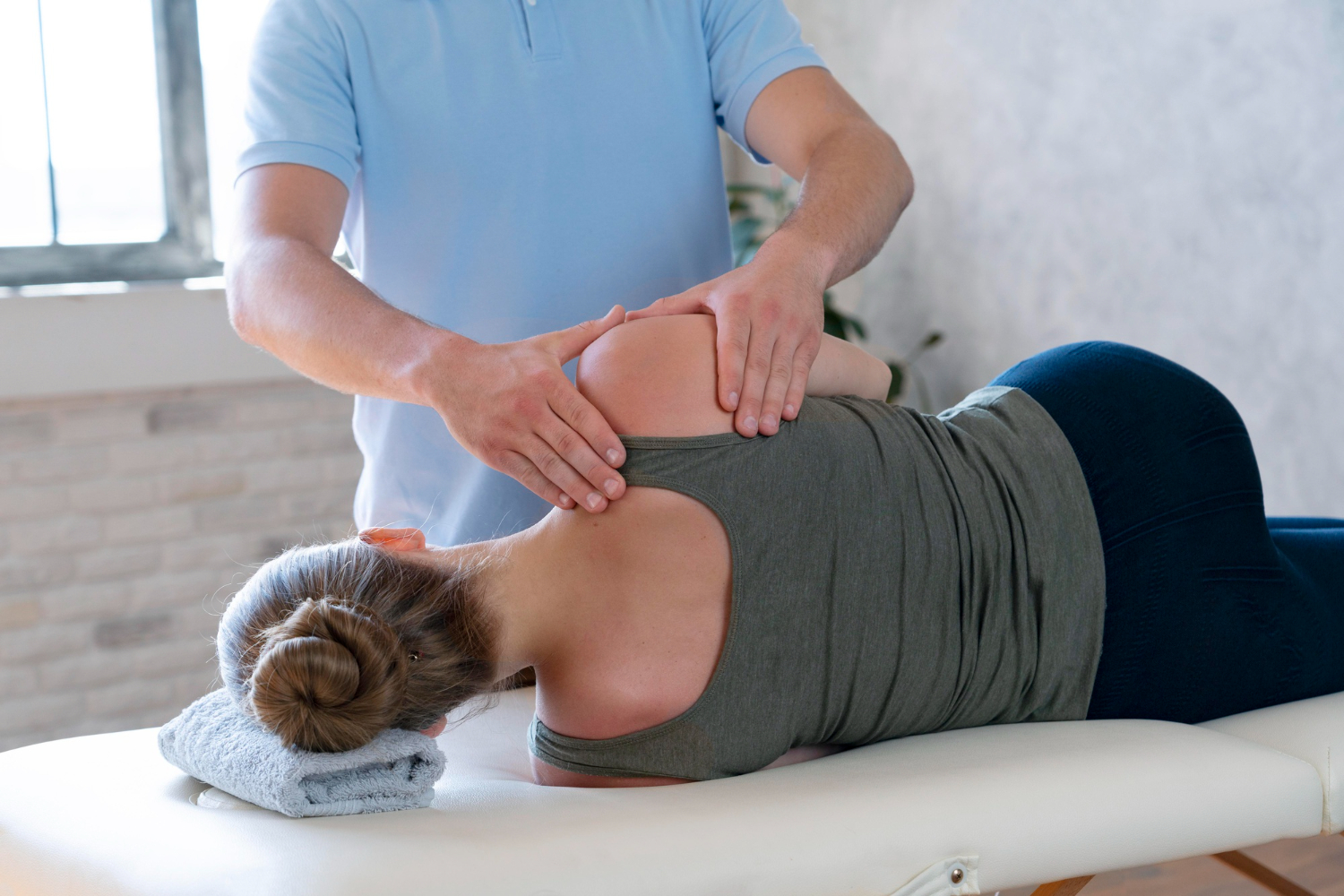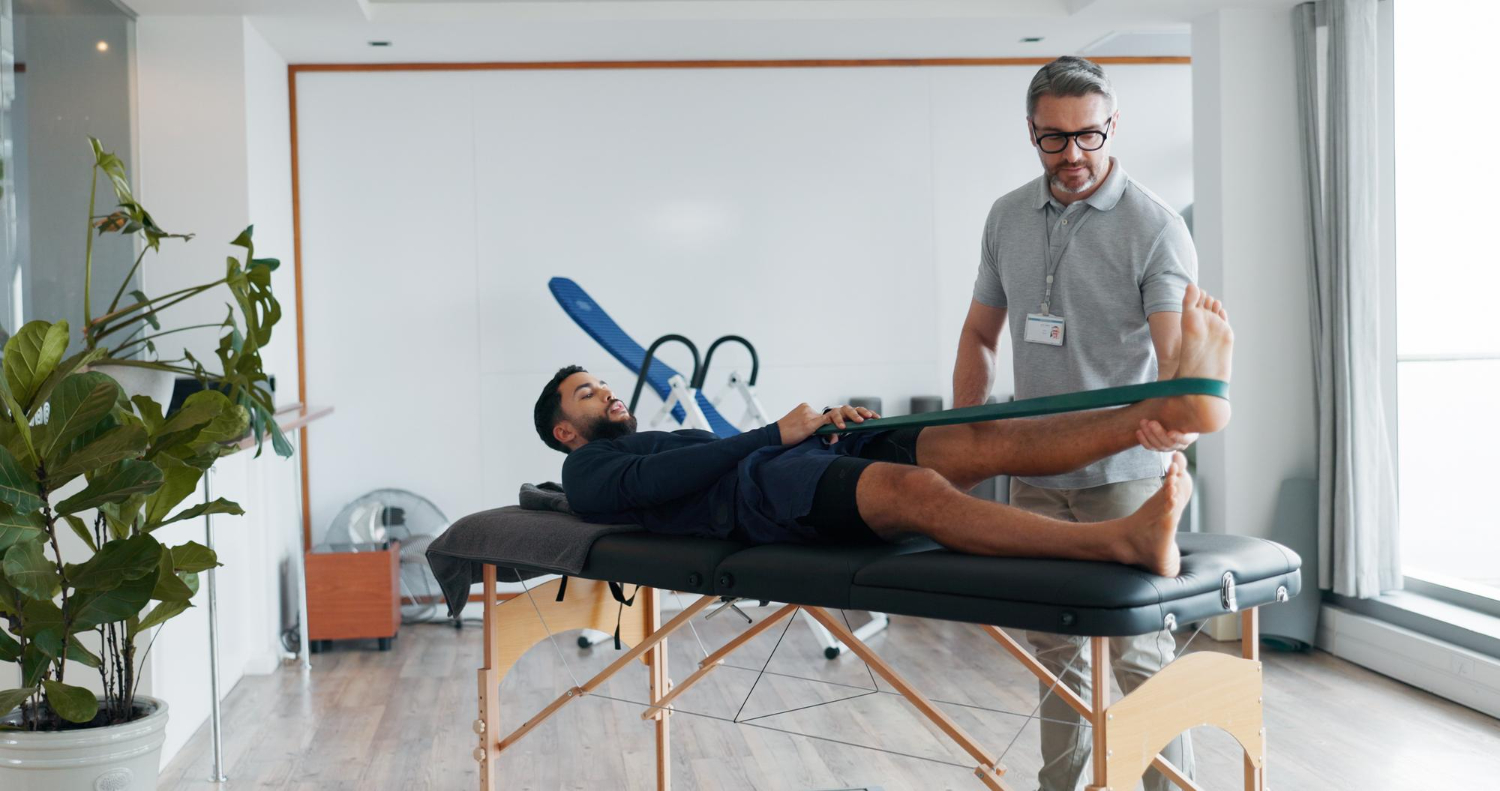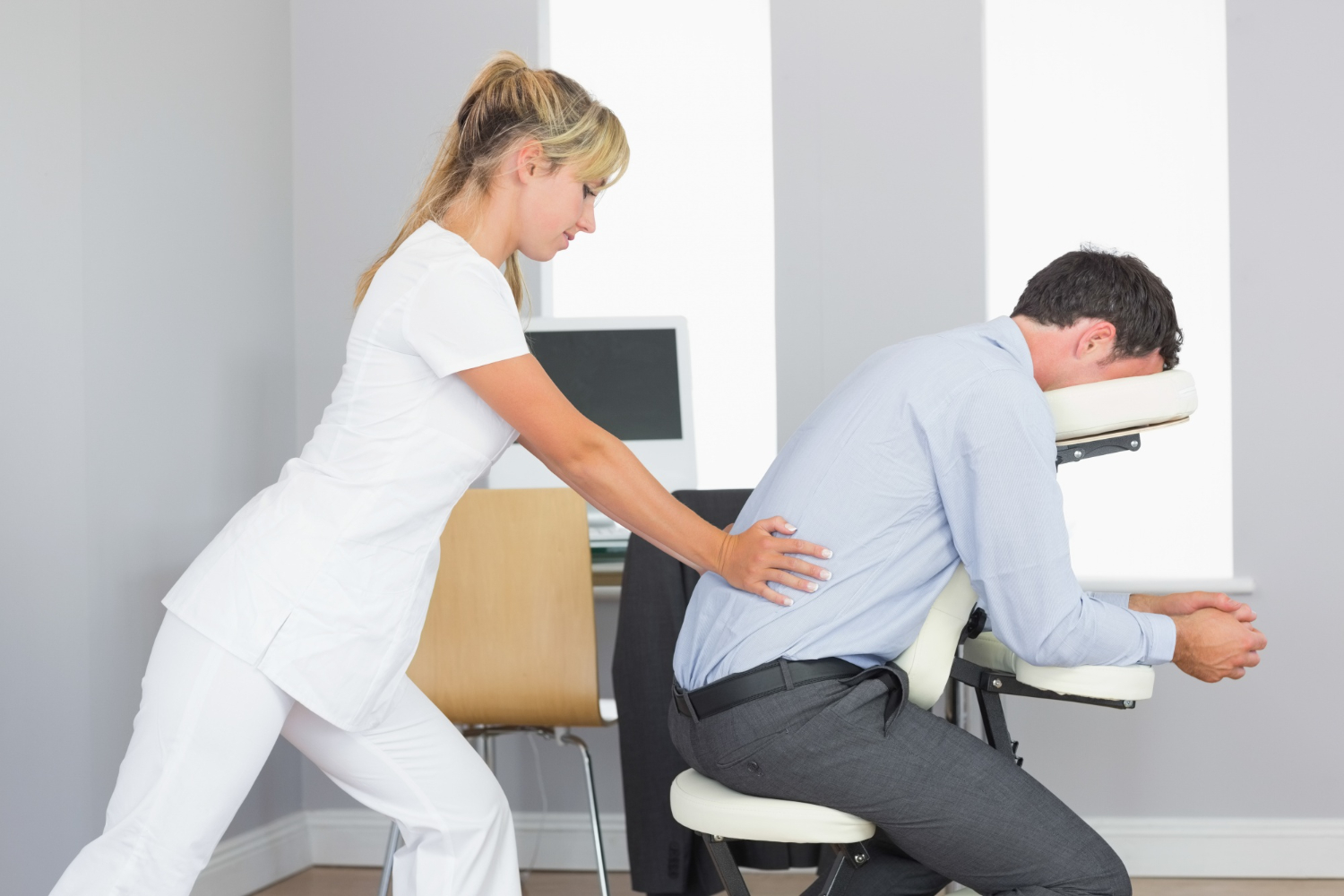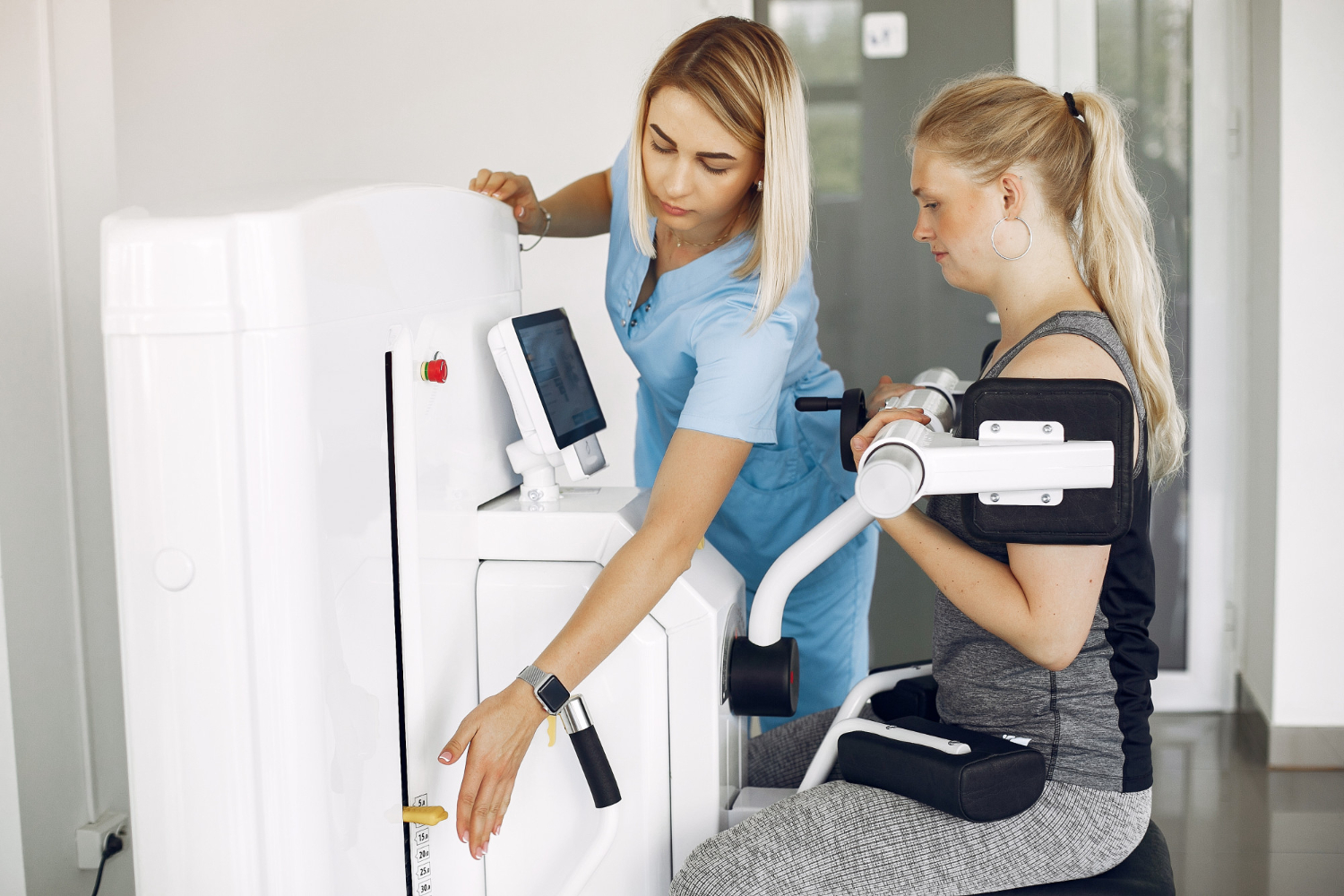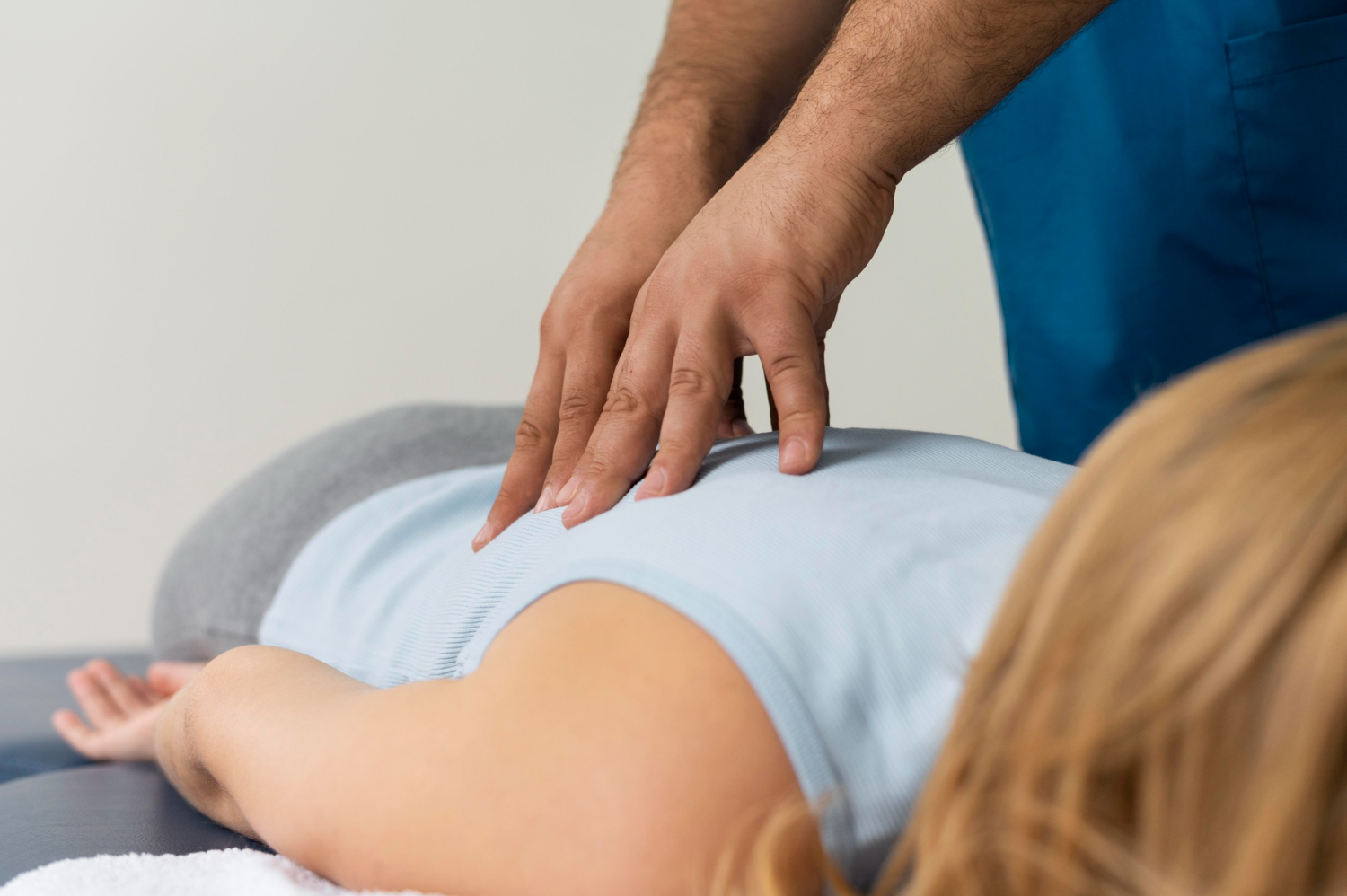
Why Physiotherapy is Essential After C-Section Deliveries

The birth of a child is a joyful and unique moment in a mother’s life. However, giving birth and recovering thereafter can be difficult, especially if the mother had a C-section. After a cesarean section (C-section), women may have low back discomfort, pelvic floor muscle weakness, urinary incontinence, and pain at the site of the incision. While natural healing is important, post-surgery physiotherapy Dubai can significantly support and speed up recovery.

The Physical Impact of a C-Section

A large abdominal procedure called a C-section involves cutting through several layers of tissue and muscles before carefully closing them after delivery. Although the procedure can save lives in many situations, certain recovery challenges may occur. Typical postoperative problems include:

  • Pain and stiffness: Especially in the vicinity of the lower back and the incision site.
  • Scar tissue formation: This may result in decreased mobility and adhesions.
  • Weakened abdominal muscles: Impacting posture and core strength.
  • Pelvic floor dysfunction: Pregnancy itself puts a lot of strain on the pelvic floor, even if the baby doesn’t go through the birth canal.
  • Difficulty with basic movements: Movements such as standing, lifting, or sitting up can become difficult during early recovery.

With specialized postnatal care at a Physiotherapy Center Dubai, women can overcome these obstacles safely and effectively.

The Road to Recovering from a C-Section

It’s not always the case that vaginal birth causes more physical stress than cesarean delivery, despite what some people think. Compared to women who give birth vaginally, women who have a C-section often experience pelvic and lower back discomfort during recovery. Recovery can be facilitated by several strategies, such as rest, medicine, and mental health services. However, physiotherapy is a crucial component of a comprehensive rehabilitation plan, and many women benefit from professional physiotherapy Dubai services as part of their postpartum recovery.

How Physiotherapy Can Help

Physiotherapy uses education, manual treatment, and targeted exercises to address these issues to restore movement and function. Here are a few of the main advantages:

  • Pain Control: Pain following surgery may make daily activities difficult. To relieve pain, physiotherapists employ methods including massage, mild movement, and TENS (transcutaneous electrical nerve stimulation), techniques commonly used in rehabilitation programs for sports physiotherapy Dubai. To guarantee efficient pain alleviation, the top physiotherapist in Dubai can guide you through these methods.
  • Management of Scar Tissue: By minimizing the production of scar tissue, certain massage methods and exercises can lower the risk of adhesions that may eventually cause discomfort or limit movement.
  • Enhanced Mobility: To avoid consequences like blood clots and stiffness, early mobilization under professional guidance is essential, similar to strategies used in orthopedic physiotherapy Dubai for restoring joint and muscle function. To assist in restoring mobility without putting undue strain on the area where the incision was made, a skilled physiotherapist can guide new mothers through safe rehabilitation exercises.
  • Pelvic floor and core strengthening: Pregnancy and surgery can cause significant changes in the pelvic floor and core muscles. In order to improve posture, stability, and bladder control, a licensed physiotherapist Dubai can create individualized regimens for each patient.
  • Mechanics of the Body and Posture: Poor posture from carrying, nursing, and caring for a newborn can exacerbate pain and discomfort. To avoid strain, physiotherapy assists new moms in improving their body mechanics.
  • Mental Health: The connection between emotional well-being and physical rehabilitation is strong. During the postpartum phase, regaining physical function and minimizing discomfort can boost self-esteem and reduce feelings of frustration or powerlessness.

When to Start Physiotherapy

Many new moms are uncertain about when to start physiotherapy. This is a general timeline:

  • First 6 weeks: Prioritize pelvic floor stimulation, relaxation, and mild breathing techniques. Avoid physically demanding activities.
  • 6–12 weeks postpartum: Under the supervision of a physiotherapist Dubai, start doing mild strengthening exercises to rebuild strength and stability safely.
  • After 12 weeks: Gradually increase the intensity of your exercises as your body permits, always putting your comfort and safety first.

Seeking Professional Help

A licensed physiotherapist with expertise in postpartum recovery should be consulted, and many mothers also look for an affordable physiotherapist Dubai to ensure long-term rehabilitation support. To guarantee a safe and successful rehabilitation, they will evaluate your unique needs and develop a personalized strategy that may include exercises, manual therapy, and education on postpartum recovery techniques. Physiotherapy treatments are available at specialized clinics, often supporting both mother and baby with pediatric physiotherapy Dubai.

Mothers recuperating from a C-section might benefit greatly from physiotherapy. Physiotherapy guarantees a quicker recovery by reducing discomfort, increasing mobility, and strengthening the pelvic floor and core. The Physiotherapy clinic Dubai offers comprehensive postpartum care to mothers recuperating from a C-section delivery. Throughout the healing process, a certified physiotherapist can offer secure direction and assistance. Consult your healthcare provider before starting any new rehabilitation program.

Vitruvian – Italian Physiotherapy Center in Dubai

Our certified physiotherapist Dubai team at Vitruvian-Italian Physiotherapy Center has expertise in postpartum and postoperative rehabilitation. The team’s areas of expertise include core strengthening, pelvic health, and postpartum recovery.Our team, including the best physiotherapist Dubai, works to improve total physical function, reduce pain, and restore mobility using research-supported approaches and a comprehensive rehabilitation approach. Every mother receives a customized treatment plan to guarantee a secure, efficient, and enjoyable recovery.

FAQs

Depending on physician guidance, most women can start mild physical therapy a few days to weeks after giving birth. Light motions and early breathing exercises promote healing and circulation. A certified physiotherapist will create a safe, incremental rehabilitation plan based on your comfort level and condition.

Indeed, adhesions, stiffness, and pain surrounding the incision site can be lessened by physiotherapy methods such as scar mobilization and soft tissue treatment. In addition to facilitating a smooth scar healing process, proper therapy increases circulation and flexibility, avoiding tugging sensations or limited mobility during daily activities.

By emphasizing nerve function and coordination, neurological physiotherapy Dubai is essential for postpartum rehabilitation. It ensures that the neurological system and musculoskeletal system cooperate well during the healing process following a C-section by assisting new mothers in regaining control over their muscles, easing pain, and safely regaining mobility.

A C-section may impair pelvic floor strength and weaken abdominal muscles. To restore stability and support, physiotherapy involves pelvic floor movements and guided core activation. During postpartum recuperation, strengthening these muscles enhances posture, bladder control, and general functional mobility.

Indeed, organized therapy lowers the likelihood of bad posture, muscular imbalance, and persistent back pain. Physiotherapy encourages a complete recovery by treating movement patterns and disability early on. Additionally, it helps new moms safely resume their regular activities and exercise regimens by boosting their general physical confidence.

Physical Therapy Techniques for Pain Management

Discover Physical Therapy Pain Management Techniques That Really Work

Physical therapy specializes in the diagnosis and treatment of musculoskeletal disorders, with a heavy emphasis on restoring joint function and mobility. Our qualified physical therapists treat musculoskeletal disorders using non-pharmaceutical and non-surgical pain management approaches to assist you in reaching your wellness objectives. Our skilled staff can design personalized Dubai physiotherapy for joint pain regimens to help you feel better.

Learn how the best physiotherapy clinic in Dubai, Vitruvian Italian Physiotherapy Center, uses physical therapy’s all-encompassing approach to pain management by reading on.

Pain Management Techniques for A Variety of Causes

The strategy of physiotherapy for pain Dubai prioritises the health of the muscles, joints, and musculoskeletal system since they have a direct influence on the entire body. Instead of covering up symptoms, this method seeks to address the underlying source of pain and dysfunction.

Our personalised programs of chronic pain physiotherapy Dubai are intended to relieve tension by utilising manual therapy techniques that target tight muscles, as well as exercises that encourage normal movement patterns and minimise muscular imbalance. According to studies, exercise improves blood flow, reduces inflammation, and stimulates the production of endorphins, the body’s natural painkillers. To reduce pain, increase range of motion, and improve general health, our PTs frequently combine sports massage and physiotherapy Dubai methods.

Conditions We Commonly Treat

Back and Neck Pain

  • Pain is reduced, and appropriate musculoskeletal function is restored using targeted exercises, manual therapy, and posture re-education. Physiotherapy treatment for back pain Dubai helps relieve stiffness while restoring strength and mobility.

Headaches

  • By enhancing posture and lowering strain on the neck and upper back, you can treat tension headaches and lessen the frequency of migraines.

Poor Posture

  • Strengthening exercises for the supporting muscles aid in resolving postural problems that are frequently brought on by extended standing, sitting, or incorrect movement.

Sports Performance

  • Sports massage and physiotherapy enhance performance, manage injuries sustained in sports, and encourage quicker healing.

Pain Management Techniques For Shoulder Pain

A 30-year-old woman arrived at our office complaining of chronic shoulder discomfort that was radiating down her arm. Her sleep was disturbed by the ache, which grew worse with overhead activities. Her rotator cuff muscles were painful and had limited range of motion due to inflammation and compression of the shoulder tendons, as determined by a comprehensive examination.

Her individualized treatment plan was created by our physical therapists, who began by using manual therapy for pain Dubai to alleviate the surrounding muscles’ tension and encourage recovery. In order to improve blood flow and lessen her discomfort, we also employed techniques like electrical stimulation and ultrasound. Electrotherapy for pain relief Dubai is commonly used to ease discomfort and accelerate tissue healing.

We started doing specific exercises to strengthen her shoulder blade and rotator cuff muscles as her discomfort subsided in order to stabilise her shoulder joint. Future impingement problems were avoided, and normal shoulder function was restored because of this incremental therapy.

She started to feel much less discomfort and had more range of motion. She was able to go back to her regular activities pain-free and sleep well.

Physical Therapy Pain Management Techniques at Vitruvian Italian Physiotherapy Center

Every program starts with a comprehensive examination of your medical history to learn more about your illness and previous treatments. Dubai physiotherapist for pain evaluates movement patterns, muscle function, and joint mobility to determine the exact cause of discomfort.

We will develop your personalised pain management and overall treatment plan after we have established reasonable targets for your progress. Beyond exercises and manual treatment, pain relief physiotherapy Dubai procedures can also involve information about your disease and methods to improve your movement patterns.

Therefore, get in touch with us right away if you or someone you know needs assistance controlling their pain. We’ll arrange a meeting and begin the journey toward a pain-free life.

FAQs

Chronic pain physiotherapy assists those with chronic musculoskeletal pain, such as tight muscles, arthritis, and neck pain. The goals of therapy are to strengthen supporting muscles, decrease inflammation, and increase mobility. Patients frequently find long-lasting comfort and enhanced everyday functioning with the use of hands-on treatments and guided exercises.

Manual therapy involves hands-on techniques that mobilise joints and relax tight muscles. These methods reduce stiffness, increase circulation, and restore mobility. Manual therapy helps patients restore comfortable, pain-free mobility while improving flexibility and accelerating healing by addressing the underlying source of discomfort.

Dry needling Dubai physiotherapy is used to release trigger points and reduce muscle tightness. The method eliminates deep muscle discomfort, reduces inflammation, and increases blood flow. It is a useful therapy for long-term muscular tension since many patients report feeling instantly relaxed and having more range of motion.

Sports massage and physiotherapy help athletes recover faster by reducing muscle soreness, improving flexibility, and enhancing circulation. Treatment improves muscular balance and helps prevent injuries. People can safely resume their activities while enhancing their performance and lowering their risk of reinjury with regular treatment and guided exercises.

Physical Therapy for Chronic Pain A Path to Relief and Recovery

Did you realize that your chronic pain might worsen if you do nothing? While rest is often seen as the solution, excessive rest can actually worsen the pain cycle. Physical therapy for chronic pain is a game-changer because it teaches your body to move more intelligently, develop strength, and retrain your brain to naturally reduce pain signals rather than hiding the pain. Millions of individuals throughout the world suffer from chronic pain as a result of illnesses or unintentional injuries. Chronic pain becomes a daily challenge for many people who experience it, whether it is with work, sleep, mood, or any other daily activity.

Physiotherapy for pain Dubai offers an active approach to recovery, whereas medications address only the symptoms. This gives you a greater understanding of your body. It helps you become more resilient and regain your mobility without causing you ongoing pain. Physical therapy is more effective for chronic pain because of its versatility. It is not a one-size-fits-all solution, but rather a customized strategy based on your needs. A pain management professional can help you and suggest the appropriate physical therapy for your pain, regardless of whether it is from a chronic arthritis, an old injury, lower back, neck, shoulder, or nerve discomfort. These methods and exercises have the power to transform lives. Research and patient outcomes clearly show improvements over time, including fewer flare-ups, more mobility, and increased self-assurance in managing their pain independently.

Understanding Chronic Pain

Pain is a natural warning sign that something is wrong. But sometimes, this warning system misfires. In chronic pain, the alarm keeps going off even after the injury has healed. For months or years, this kind of pain may be acute, dull, searing, or even continuous. Pain that lasts more than three months or even longer is referred to as chronic pain. In addition to causing bodily issues, pain also has an impact on relationships, emotions, and sleep patterns. This is precisely why you want a customized, multifaceted strategy rather than only pain relievers or band-aid solutions.

This is where chronic pain physiotherapy Dubai is useful. It is equally effective for the mind and body. A physical therapist uses hands-on assistance, instruction, and guided movement to “retrain” your nervous system to react differently to pain. Although it may take some time, this method of controlling your body and mind is sustainable. In addition to giving you total control, this kind of pain management empowers you. This is a sustainable lifestyle approach.

Why Choose Physical Therapy for Chronic Pain?

You may be asking why physical therapy was chosen. First and foremost, there is no surgery required, and it is safe and drug-free. Additionally, it teaches your body how to build and mend itself. Your condition is assessed by physical therapists based on your range of motion, strength, posture, and mobility. They develop a strategy that suits your condition and lifestyle based on this assessment. The secret to a progressive pain-free life is physical therapy for chronic pain, regardless of whether you’re an athlete or simply trying to get through each day pain-free.

Physical therapy for chronic pain is fantastic because it changes with you. You track your own development. You may celebrate it and make adjustments as you go. You won’t be extending your muscles mindlessly and at random with physical therapy’s assistance. Rather, you strive toward a goal. This objective may be playing with your children, climbing stairs pain-free, or working through the entire workday pain-free. If you consistently work with an expert’s help, healing may be genuine and attainable.

Common Approaches in Chronic Pain Physiotherapy

Physiotherapy for chronic pain involves more than just exercise. To treat the different elements that contribute to this illness, a comprehensive strategy is required. Indeed, the most important aspect of the process is mobility. Nonetheless, one must comprehend how and why they move. Manual therapy techniques, including joint mobilisation or light massage, are commonly used by therapists in addition to posture correction, body awareness, and education. They use methods including electrical stimulation, heat, and cold in addition to manual therapy for pain Dubai. While you want to preserve function, all of these techniques are meant to reduce discomfort.

Another essential component of pain relief physiotherapy Dubai is education. Many people who experience chronic pain feel confused or misunderstood, which can make them feel alone and as like no one really gets what they’re going through. Physical therapists and pain management specialists frequently collaborate closely to customize the best course of action for you. They can explain what’s happening, how pain works, and what can be done in your situation thanks to their training and expertise. You’ll get better at setting your own pace. You’ll discover how to avoid setbacks and manage chronic discomfort. It’s a thorough approach that prioritises bringing about long-lasting transformation above chasing after symptoms.

Is Physical Therapy Painful?

Physical therapy is regarded as a clinically and cost-effective strategy to the treatment of chronic pain, particularly that associated with musculoskeletal problems. The first thing that individuals frequently ask is, “Will physical therapy hurt?” The truth is that, although physical therapy shouldn’t be extremely painful, it is quite typical to have some mild discomfort or muscle soreness, which is completely normal, particularly when you’re forcing your body to rebuild strength or move in new ways following surgery or an accident. After their first few sessions, many patients experience soreness and may even be reluctant to return, fearing that the pain indicates a problem. However, it’s critical to distinguish between genuine pain and typical muscular soreness. Rest, heat, or a light massage can relieve soreness, which typically feels like a tightness or moderate stiffness. Contrarily, pain should not be disregarded and can be severe, acute, or accompanied by swelling.

It’s crucial to pay attention to any discomfort you have during or after Dubai physiotherapy for joint pain if you believe that it is too severe, ongoing, or worsening rather than improving. This might indicate that you should take a break and review your course of therapy. Have an honest conversation with your physical therapist.

But also think about speaking with a pain management expert. Together with your therapist, a pain management specialist can identify the precise cause of your discomfort and suggest modifications or therapies that will keep you comfortable and promote a safe recovery. Severe or persistent discomfort might occasionally indicate a deeper problem that requires more than stretches or exercise. Keep in mind that you don’t have to “tough it out” by yourself; seek assistance if your physical therapy causes more pain than it relieves. The effectiveness and comfort of your recovery can be greatly impacted by the support system you have.

When to Start Therapy for Chronic Pain?

The primary reason people seek medical attention is pain. Nearly all of the patients seen by physiotherapists do so because they are in pain. Physical therapy may be the best option for you right now if you’re experiencing persistent discomfort. Seeing a pain management professional early can make all the difference, but many patients wait too long in the hopes that the pain will go away on its own. Physical therapy is the best course of action to help you get back on track, regardless of whether you have persistent joint or back pain, stiffness that restricts your range of motion, or discomfort with daily activities like bending or climbing stairs. Starting Physiotherapy treatment for back pain Dubai as soon as possible is essential to safely regain strength and mobility.

Physical therapy helps athletes as well by improving body mechanics, increasing performance, and preventing further injuries. Small pains or movement problems are less likely to develop into chronic concerns that affect your day-to-day activities if you take care of them as soon as possible. Physical therapists and pain management specialists are skilled at identifying the underlying cause of your discomfort and developing a personalized strategy that addresses everything from posture correction and pain management to injury prevention and strength training. The answer to the question of when to begin is straightforward: take charge of your healing and well-being right away rather than waiting until things worsen.

Speak with a pain management professional at the best physiotherapy clinic in Dubai, Vitruvian Italian Physiotherapy Center, create your plan, and regain control.

Conclusion

Chronic pain doesn’t have to define your life; you don’t have to live with it. If you have the proper care, support, and direction, you may transform your life. Choosing a drug-free, proactive solution can help you feel like yourself again. Proactive physical therapy for chronic pain is the best way to control your symptoms and enhance your quality of life without the need for intrusive surgeries or prescription drugs. In addition to empowering you, it teaches you about your body and how to work with it. This ultimately results in a significant transformation. Therefore, it’s time to look into an alternative route that leads to recovery if you’re sick of just “coping with pain.” A pain-free life is achievable, and it begins with your first step.

Consult a Dubai physiotherapist for pain management at Vitruvian Italian Physiotherapy Center to help you in managing a better treatment plan.

FAQs

The severity and complexity of your chronic pain, as well as how your body reacts to treatment, will determine how long physical therapy takes. To keep their chronic pain under control, some patients could benefit from a few weeks of therapy, while others might need several months or even regular maintenance sessions.

Yes. For such chronic pain problems, they are thought to be the safest. It is preferable to speak with a pain management professional so that they can evaluate your situation and create a customized treatment plan.

Physiotherapy aids in the healing process for musculoskeletal injuries, arthritis, nerve irritation, and discomfort associated with posture. Patients can regain flexibility and function by using manual therapy for pain to relieve tense muscles and restore joint mobility. With the assistance of a therapist and supervised exercises, people can increase their mobility and lessen everyday discomfort.

Dry needling Dubai physiotherapy focuses on tight muscle knots that cause limited range of motion and ongoing pain. It relieves muscular tension, increases circulation, and releases trigger points. For a quicker recovery, this method can improve stiffness, increase flexibility, and support rehabilitation activities.

Controlled electrical impulses are used in electrotherapy to activate muscles and neurons, reducing pain signals and promoting tissue recovery. Electrotherapy for pain relief Dubai is often used alongside exercise therapy to improve circulation and decrease inflammation. Patients usually report better muscular activation and less pain.

Physiotherapy aids in strengthening surrounding muscles, increasing joint mobility, and lowering inflammation, all of which contribute to stiffness. Physiotherapy for joint pain supports better movement patterns and stability, allowing individuals to perform daily activities more comfortably while reducing strain on affected joints.

Sports massage and physiotherapy Dubai help decrease stiffness, improve flexibility, and prevent injuries. Active people looking for a quicker recovery and long-term muscular health would particularly benefit from it.

Low Back Pain And Physical Therapy

A Comprehensive Physical Therapy Guide To Low Back Pain

Low back pain is a major cause of disability and one of the most prevalent reasons for missing work. The lower back is part of the abdominal corset and plays a key role in postural support. Low back pain, caused by injuries, poor posture, or muscle imbalances, can significantly impact your quality of life. One non-invasive, established method of managing and reducing back pain is physical therapy. The blog will include important exercises, preventive advice, and an explanation of how physical therapy for low back pain can reduce discomfort.

Some Common Causes of Low Back Pain

  • Muscular imbalances: Tight or weak muscles can throw off your spine’s equilibrium and result in excessive strain on one part, which can lead to low back discomfort.
  • Bad Posture: If you tend to remain in “flexed” positions, such as sitting or slouching, without allowing your spine to move in the opposite direction of “extension,” it can strain and create low back discomfort.
  • Herniated Discs: A disc herniation can compress the nerves in the back, causing pain and discomfort. It can be brought on by trauma, muscular imbalance, bad posture, overuse, or repeated motions. The discomfort may also be related to the legs, such as nerve pain or sciatica.
  • Arthritis: Degenerative diseases like arthritis brought on by age or trauma can also make your back hurt and stiff. This pain may also radiate to the legs, commonly referred to as sciatica or nerve pain
  • Strains and Sprains: Injuries such as automobile accidents, falls, or abrupt, high-velocity movements can cause ligament sprains or muscle strains, which can result in low back discomfort.
  • Overuse or Repetitive Movements: Low back discomfort can be brought on by abrupt heavy lifting, repetitive motions in one direction, or improper lifting technique.

Physical Therapy Guide to Low Back Pain

One important strategy for reducing lower back pain is physiotherapy. Physiotherapy for back pain Dubai focuses on identifying the root cause and preventing recurrence through targeted care. Your physical therapist will evaluate to identify the primary cause of your pain, treat it, and educate you to avoid recurring issues. The therapist will begin your therapy by taking a thorough history to learn about your lifestyle, daily activities, and work needs. They will also want to know how your pain started and what triggers it. The therapist will schedule lower back pain treatment Dubai after the examination.

  • Pain management: Physical therapists employ a range of methods, such as hydrotherapy, manual therapy, cryotherapy, and other modalities, to lessen inflammation and low back pain, particularly during acute pain episodes.
  • Exercise and Strengthening: Guided and independent activities are recommended to stretch tight muscles, strengthen weak muscles, activate the correct muscles, and use proper mechanics to support your back.
  • Posture and Body Mechanics Education: To assist you in understanding what is bothering you and what is helping you get well, physical therapists offer customized instruction on good posture and body mechanics based on your activities and lifestyle. A strong treatment plan will also focus on education to prevent future episodes.
  • Manual therapy: Particularly in the early phases of pain, manual methods like soft tissue massage and joint manipulation can help reduce stress, increase range of motion, and soothe pain.
  • Functional Training: Physical therapists work with you to practice and correct movements that are unique to your everyday life so that you can do them with confidence and without discomfort.

The duration of physical therapy for VIP back pain treatment Dubai might vary. While some people may require prolonged care for a few weeks to notice effects and reduce discomfort, others may experience relief after just a few sessions.

Physical Therapy Exercises for Low Back Pain That Works

There is no single set of exercises that works for everyone with low back pain. Lower back pain Dubai can have a variety of causes, as was previously said, so it’s important to realize that your therapy must be customized to meet your unique needs. On the other hand, we may emphasize a few exercises that work the lower abdominal muscles, support the back muscles, and encourage overall spine mobility in all directions.

  • Pelvic Tilts: Bend your knees while lying on your back. Tilt your pelvis forward and backward gently while using your core muscles. Repeat after holding each posture for a little while.
  • Cat-Cow Stretch: Begin on your hands and knees. Round your back upward like a cat and then extend it upward like a cow. Do this motion repeatedly for several rounds.
  • Bridges: Keep your feet flat on the floor and bend your knees while lying on your back. Using your lower back and glutes, raise your hips toward the ceiling. After a few seconds of holding, descend.
  • Child’s Pose: Reach your arms forward, lean back on your heels, and kneel on the floor. Your lower back might feel less tense with this gentle stretch.
  • Modified Cobra: Place your hands behind your shoulders while lying on your stomach. Maintaining your pelvis on the floor, slowly raise your upper body. The muscles in the lower back are strengthened by this workout.
  • Knee-to-Chest Stretch: Lie on your back, bring one knee to your chest, and hold it with both hands. To extend the lower back, alternate legs.

It is critical to realize that prevention is preferable to treatment. To prevent back injuries, it’s essential to maintain proper posture by being aware of how you sit, stand, and lift. Spine specialist Dubai recommendations include staying active and exercising regularly to keep muscles strong and flexible. Proper diet and hydration support muscle function and spinal health.

One useful strategy for controlling and avoiding lower back pain is physical therapy. Our skilled therapists at the best lumbar pain clinic Dubai, Vitruvian Italian Physiotherapy Center, are aware of the intricacy of the back and use neuromuscular examination methods to precisely identify the cause of your discomfort. To get the most out of fewer sessions, we tailor each workout to the patient’s requirements. Consult a medical expert if you have low back discomfort, and think about seeking the help of a certified physical therapist to create a customized treatment strategy.

FAQs

Physiotherapy increases coordination, strength, and flexibility, which makes daily chores safer and simpler. Back pain treatment programs combine manual therapy and corrective exercises to restore movement patterns. Following planned treatment sessions, patients frequently report better posture, less stiffness, and increased confidence when carrying out everyday tasks.

You can see a specialist if the discomfort intensifies, lasts more than a few weeks, or spreads to the legs. Early evaluation guarantees the right treatment plan and avoids complications. Timely care-seeking promotes a quicker recovery and lowers the chance of long-term spine issues.

Exercise can reduce discomfort, but it must be tailored to the cause of pain. A structured rehabilitation plan ensures muscles are strengthened safely while improving spinal mobility and preventing further strain or injury, especially when guided through physiotherapy for back pain programs.

Keeping an active lifestyle, lifting safely, controlling body weight, and maintaining proper posture all help to lessen the pressure on the spine. Maintaining flexibility and avoiding recurrent bouts of soreness are further benefits of regular stretching and strengthening exercises.

Physiotherapy for Shoulder Pain Your Path to Relief

Shoulder pain can be anything from a small annoyance to a crippling problem that interferes with day-to-day functioning. Shoulder pain treatment Dubai focuses on restoring comfort and mobility through targeted rehabilitation, whether as a result of an injury, excessive use, or a medical condition, which requires effective therapy. Physiotherapy provides a thorough method of treating the underlying reasons of shoulder discomfort, guaranteeing long-term alleviation and enhanced quality of life. The shoulder pain doctor Dubai at Vitruvian Italian Physiotherapy Center offers easy physiotherapy to people in Dubai so you can recuperate in comfort.

Causes of Shoulder Pain

The first step in treating shoulder discomfort is to comprehend its causes. Typical reasons include:

  • Rotator Cuff Injuries: Muscle and tendon tears or strains that help stabilize the shoulder joint.
  • Frozen Shoulder: This painful and stiff ailment is frequently brought on by extended immobility.
  • Tendonitis: Inflammation brought on by excessive usage or repeated strain.
  • Arthritis: Degeneration of the joints that causes persistent pain.

Understanding the reasons for shoulder discomfort might help you choose the best course of action. Seeing a physiotherapist guarantees a customized strategy for treating this excruciating shoulder ailment.

Benefits of Physiotherapy for Shoulder Pain

Choosing physical therapy for shoulder discomfort has several benefits, such as:

  • Pain Reduction: Methods such as manual therapy decrease inflammation and lessen pain.
  • Increased Mobility: Focused workouts help regain range of motion and flexibility.
  • Improved Support: The chance of further injuries is reduced when the shoulder is stronger.
  • Holistic Recovery: To avoid recurrence, physiotherapy treats the underlying causes of shoulder discomfort as well as the symptoms.

Get in touch with us to find out how shoulder pain physiotherapy may help you feel more at ease and confident in your day-to-day activities.

Types of Physiotherapy for Shoulder Pain

Several treatment approaches are combined in effective shoulder pain physiotherapy, including:

  • Manual therapy: Using hands-on methods to increase joint mobility and decrease stiffness.
  • Exercise therapy: Tailored shoulder physiotherapy regimens to improve strength and equilibrium.
  • Massage therapy: Focused massages to ease tense muscles and encourage recovery.

These methods are used by the physiotherapists at the best shoulder pain clinic Dubai, Vitruvian Italian Physiotherapy Center, to develop a customized recovery plan that suits you.

Shoulder Exercises for Strength and Mobility

Frequent shoulder physiotherapy exercises reduce pain and promote long-term strength. Important instances consist of:

  • Pendulum swings: A mild exercise to improve joint lubrication and range.
  • Resistance Band Workouts: Strengthen the muscles that support the shoulder joint.
  • Wall push-ups: Increase upper body power without putting undue strain on your joints.

Your shoulder will get stronger and more stable if you include these workouts in your program. The optimum regimen for your condition will be determined by your physiotherapist.

Home Care Tips for Shoulder Pain Relief

Here are some efficient at-home techniques for treating a sore shoulder in addition to seeking expert care:

  • Cold and Heat Therapy: To ease tense muscles and lower inflammation, alternate between applying ice and heat.
  • Gentle Stretches: Prevent stiffness and preserve suppleness.
  • Rest and Support: Steer clear of activities that exacerbate the discomfort, and if required, think about using a supporting sling.

These suggestions might be used in conjunction with shoulder pain physiotherapy Dubai to provide more thorough relief.

When to See a Physiotherapist

Home cures can be helpful, but some signs indicate that you need to see a professional shoulder pain physiotherapist:

  • Persistent pain despite self-care measures
  • A restricted range of motion that interferes with day-to-day activities.
  • Pain that keeps you from sleeping or doing other things.

Searching for shoulder pain treatment near me in Dubai helps identify accessible clinics offering personalized therapy programs

Final Thoughts

Your quality of life may be severely disrupted by shoulder discomfort, but physiotherapy offers a proven remedy. Immediate and long-lasting relief is achieved by addressing the underlying reasons of shoulder discomfort, strengthening the joint, and regaining mobility. To begin the healing process, get in touch with a shoulder pain specialist in Dubai at Vitruvian Italian Physiotherapy Center for shoulder discomfort physiotherapy.

FAQs

The majority of people have relief from shoulder discomfort after a few physiotherapy sessions; this varies depending on the severity.

Yes, the chance of recurrent shoulder discomfort can be decreased with strengthening exercises and preventative treatment.

Physiotherapy uses manual treatment, strengthening exercises, and guided stretching to increase muscle coordination and joint flexibility. Shoulder pain physiotherapy programs emphasize restoring movement patterns, reducing stiffness, and improving posture. Patients who get regular therapy eventually restore functional mobility and are able to resume their regular activities without any limitations or discomfort.

People who have weakness, decreased range of motion, or chronic discomfort should consult a specialist. A Shoulder pain specialist can identify underlying injuries, tendon damage, or joint disorders. In addition to avoiding chronic shoulder discomfort and long-term problems, early consultation guarantees a correct diagnosis, individualized treatment planning, and a quicker recovery.

Platelet-rich plasma treatment promotes tissue repair and reduces inflammation in damaged tendons and ligaments. PRP therapy for shoulder pain Dubai is often considered for chronic injuries that do not respond to conventional therapy. When paired with physiotherapy, this regenerative method promotes healing, speeds up recovery, and may improve shoulder function over the long term.

A trained medical professional assesses the causes of pain, orders diagnostic imaging where necessary, and works with physiotherapists to organize therapy. Consulting a specialist ensures an accurate diagnosis and safe recovery planning. Under their direction, inflammation is controlled, progress is tracked, and treatment plans are modified for the best possible outcome—restored shoulder strength.

Selecting certified physiotherapists, skilled doctors, and state-of-the-art rehabilitation facilities are all necessary to find reliable care. Long-term pain alleviation and enhanced shoulder function are supported by a combination of patient education, professional supervision, and consistent therapy.

Your Guide To Physiotherapy: Services, Roles, And Treatment Options

Who Are Physiotherapists And How Can They Help You?

When you first start researching a physiotherapist Dubai and their services, it can be overwhelming, particularly if pain, stiffness, or breathing problems are already interfering with your day-to-day activities. Understanding physiotherapists and the variety of support they may provide aids in decision-making.

Physiotherapists are medical specialists who are knowledgeable in the anatomy and physiology of the human body. They help you move more confidently, reduce discomfort, increase mobility, and develop strength. After evaluating your joints, muscles, nerves, or breathing habits, a licensed physiotherapist Dubai develops a strategy tailored to your requirements and objectives. Hands-on care, customized exercises, posture counseling, or basic instructions on how to move properly while performing daily duties are some examples of this.

Joint and muscular issues are just one aspect of professional physiotherapy Dubai. People of many ages and health situations are supported by it, including:

  • Pediatric physical therapy for kids with developmental, postural, or mobility problems.
  • Physiotherapy for the chest and respiratory system can aid with airway clearing, chest infections, and breathing problems.
  • A&E physical therapy for prompt evaluation and treatment of fractures, sprains, or unexpected discomfort.
  • Musculoskeletal (MSK) physiotherapy is used to treat sports injuries, arthritis, and discomfort or damage linked to the joints, muscles, or soft tissues.
  • Neurological physical therapy rehabilitation after Parkinson’s disease, stroke, and other chronic illnesses.

Their goal is straightforward: To support your continued physical activity, safe recuperation, and increased sense of control over your health.

Physiotherapy is a comprehensive toolset intended to assist many illnesses, lifestyles, and life stages rather than a single treatment. Your symptoms, objectives, and the things limiting your comfort or mobility will determine which choice is best for you.

To assist you in understanding what could work for you, this blog provides a straightforward summary of the primary physiotherapy options, including joint and soft-tissue injections.

What Types Of Physiotherapy Services Are Available?

Physiotherapy encompasses several specialties, each concentrating on distinct health domains. Knowing these enables you to select the best course of action for your recuperation.

1. Musculoskeletal (MSK) Physiotherapy

This field of physiotherapy is more well-known. Musculoskeletal (MSK) physiotherapists handle issues with tendons, ligaments, muscles, joints, and nerves. These pain problems can be either acute or persistent.

Typical Musculoskeletal problems include:

  • Neck and back discomfort
  • Sports injuries
  • Pain from tendon arthritis
  • Strains and sprains

Hands-on therapy, exercise regimens, posture and mobility teaching, and advice on avoiding flare-ups are all common components of Musculoskeletal (MSK) treatment.

2. Neurological Physiotherapy

People with disorders affecting the brain, spinal cord, or nerves are assisted by neurophysiotherapists.

They endorse circumstances like:

  • A stroke
  • Parkinson’s illness
  • Multiple sclerosis
  • Spinal cord injuries

The main goals of the therapy are to increase strength, confidence, and balance and coordination in day-to-day tasks through structured neurological physiotherapy Dubai programs.

3. Paediatric Physiotherapy

Children require specialized care since they move, learn, and develop differently from adults. Children who get pediatric physiotherapy Dubai benefit from:

  • Delays in development
  • Issues with coordination or balance
  • Disorders of movement
  • Problems with posture

Children may move more freely and meet their milestones with the aid of therapy, which is enjoyable and useful.

4. Respiratory And Chest Physiotherapy

This kind of physical therapy helps patients with chest issues and breathing problems. Treatment options might consist of:

  • Clearance of the airways
  • Techniques for breathing
  • Postural direction
  • Assistance during a sickness or convalescence

Conditions, including asthma flare-ups, persistent lung illness, chest infections, and recuperation from surgery, can all benefit from this stream.

5. A&E And Emergency Physiotherapy

To aid in the prompt assessment and treatment of injuries, physiotherapists are also members of the A&Eteams. They back:

  • Sprains
  • Possible fractures
  • Severe neck or back discomfort
  • Soft-tissue injuries

Early diagnosis, pain relief, and preventing needless treatment delays are their goals.

What Do Physiotherapists Actually Do?

Physiotherapists, regardless of their specialty, concentrate on your body’s movement. Typically, their job consists of:

Assessment

A thorough examination of your medical history, strength, flexibility, movement habits, lifestyle, and symptoms.

Diagnosis

Detailed explanations of the cause of your discomfort or disability, including the cause, and management techniques.

Treatment

This might consist of:

  • Practical treatment
  • Personalized fitness regimens
  • Training for mobility
  • Breathing techniques
  • Coaching for posture and movement
  • Lifestyle advice

Rehabilitation

Enabling you to resume regular daily activities, employment, sports, or hobbies with less discomfort and greater self-assurance, including post-surgery physiotherapy Dubai when required.

Prevention

Your physiotherapist assesses your risks and teaches you how to prevent injuries or flare-ups in the future.

What Treatment Options Do You Have?

Numerous therapies are available in physiotherapy. Your condition, your objectives, and the way your body reacts over time will all influence your plan.

1. Hands-On Therapy

This comprises:

  • Joint mobilization
  • Release of soft tissues
  • Techniques for massage
  • Release of trigger points

The goal of acupuncture’s hands-on treatment is to reduce discomfort, enhance joint mobility, and promote muscle relaxation, especially in Orthopedic physiotherapy Dubai.

2. Exercise Therapy

A vital component of physiotherapy is exercise. They assist you:

  • Gain strength
  • Become more adaptable
  • Return to your regular gait
  • Encourage long-term healing

You may quickly complete your program at home because it is customized, straightforward, and useful.

3. Posture And Movement Coaching

Pain is frequently exacerbated by poor movement habits. Physiotherapists instruct you in:

  • How to lift safely
  • How to walk, stand, or sit more comfortably
  • Little adjustments that simplify daily chores

4. Taping And Bracing

Braces or supportive tape can ease joint tension, promote early healing, and stabilize joints.

5. Pain Management Techniques

This might consist of:

  • Exercises for self-help
  • Advice that is either hot or chilly
  • Pacing of activities
  • Methods of relaxation
  • Techniques for nerve pain

6. Joint And Soft-Tissue Injections

Certain physiotherapists are qualified to provide injections like:

  • Injections of corticosteroids
  • Hyaluronic acid
  • Injections under guidance for soft tissue, tendons, or joints

Particularly when other therapies have failed to provide adequate comfort, these injections aid in the management of inflammation, edema, and chronic pain. For optimal results, rehabilitative activities are frequently combined with injections.

7. Rehabilitation After Injury Or Surgery

Physiotherapy helps you heal safely and resume regular activities at the appropriate pace, regardless of whether you’ve had shoulder surgery, a knee or hip replacement, or a sports injury.

Which Physiotherapy Option Is Right For You?

Selecting the best course of action is dependent upon:

  • Your signs and symptoms
  • How long has the issue existed?
  • Your way of life and degree of activity
  • Any underlying medical issues
  • Your individual objectives

A physiotherapist will walk you through your options at a trusted Physiotherapy clinic Dubai, explain what works, and create a plan that works with your daily routine.

What We Offer At Vitruvian – Italian Physiotherapy Center

Vitruvian – Italian Physiotherapy Center provides specialized Musculoskeletal and neurological physiotherapy. Physiotherapy services may also be tailored to individual needs, supporting patients with joint pain, soft-tissue injuries, arthritis, stroke, Parkinson’s disease, and other chronic conditions. To help you walk confidently and stay active, our staff includes a certified physiotherapist Dubai who provides thorough examination, personalized care, and practical guidance.

Check out our blogs and the whole list of services we provide to find out more about how we can help you recover, or get in touch with us.

Final Thoughts

Physiotherapy is comprehensive, useful, and flexible. There is a physiotherapy specialty made to assist you, whether you are seeking breathing support, managing a chronic illness, helping your kid, or recovering from an injury with guidance from the Best Physiotherapist Dubai.

One step at a time, you may improve your mobility, ease your breathing, gain strength, and take charge of your recuperation with the correct guidance and a well-defined strategy.

FAQs

A physiotherapist assesses movement limitations, identifies physical restrictions, and creates personalized therapy programs for each patient. They educate patients on proper techniques, guide safe rehabilitation, monitor progress, and provide injury prevention strategies, ensuring long-term recovery aligned with individuals' lifestyles and goals.

The goal of sports physiotherapy Dubai is to help athletes regain strength, range of motion, and endurance after injuries. It offers customized workout regimens, preventative measures, and rehabilitation programs that are intended to improve performance while lowering the chance of further injuries. Every athlete receives safe and efficient rehabilitation care from skilled physiotherapists in Dubai.

An affordable physiotherapist Dubai offers professional assessments, customized exercises, and structured rehabilitation plans to help patients recover safely. They provide affordable, accessible care while improving mobility, relieving pain, and guiding patients through exercises and strategies that promote long-term physical health without sacrificing quality.

Selecting a reliable physiotherapy center Dubai ensures access to licensed specialists, sophisticated equipment, and structured rehabilitation programs. Patients receive tailored care for neurological, orthopedic, pediatric, or post-surgical needs, increasing recovery outcomes and general physical health effectively.

Your Guide to Healing: Physiotherapy for Tennis Elbow Relief

Understanding Tennis Elbow

What is Tennis Elbow?

Tennis elbow, also known as lateral epicondylitis, is a disorder characterized by discomfort and inflammation in the outside area of the elbow. It is brought on by excessive or repetitive usage of the tendons and muscles of the forearm. Tennis players are frequently affected by this ailment, as are others who work in occupations requiring repeated arm motions, such as carpenters, painters, and cooks.

Causes and Symptoms of Tennis Elbow

Early diagnosis and tennis elbow treatment Dubai depend on an understanding of its origins and symptoms. The following are the main causes and symptoms to be mindful of:

Causes

  1. Repetitive Motion: Constant overuse of the tendons and muscles of the forearm, especially while playing tennis, painting, or typing.
  2. Improper Technique: When playing sports or engaging in other activities, using subpar equipment or improper technique.
  3. Age Factor: More prevalent in people between the ages of 30 and 50.

Symptoms

  • Pain and Tenderness: You may have pain on the outside of your elbow that radiates to your wrist and forearm.
  • Weak Grip: When your grip becomes weaker, it becomes harder to hold items.
  • Stiffness: Especially in the morning, elbows might be stiff.
  • Burning Sensation: Your elbow’s outer region may feel a burning sensation.


Symptom Frequency Rate (%)
Tenderness and Pain 100
Weak Grip 70
Stiffness 50
Burning Sensation 35


Elbow pain Treatment Dubai begins with identifying triggers and recognizing warning signs early.

A physiotherapist can assist you in properly identifying and treating tennis elbow if you encounter any of these symptoms.

Knowing how tennis elbow affects your day-to-day activities will help you choose the right physiotherapy treatment. To restore your arm’s strength and range of motion, try out these physiotherapy exercises designed specifically for tennis elbow.

Role of Physiotherapy in Tennis Elbow Treatment

How Physiotherapy Helps in Tennis Elbow Relief

Physiotherapy is essential for managing and alleviating tennis elbow. Tennis Elbow Pain Relief Dubai programs aim to reduce discomfort, strengthen muscles, and improve range of motion. Physiotherapy can assist in the following ways:

  1. Pain management: Your physiotherapist may assist in lowering pain and inflammation by using a variety of methods, including manual treatment and the use of technologies like ultrasound.
  2. Enhancing Flexibility: Professionally designed stretching exercises can increase the elbow’s surrounding muscles and tendons’ flexibility.
  3. Muscle Strengthening: By strengthening the forearm’s extensor muscles, targeted workouts can lessen the strain on the elbow joint.
  4. Manual therapy: Methods such as mobilization and massage can help ease joint pain and release tense muscles.

Benefits of Physiotherapy for Tennis Elbow

Choosing tennis elbow therapy Dubai has several advantages over pain management alone. Here are a few main benefits:


Benefit  Description
Non-Invasive Focuses on natural healing processes instead of requiring surgery.
Custom Treatment Plan Programs that are specifically designed to suit each person’s requirements and unique injury patterns.
Improved Mobility Improves daily functions by increasing general joint and muscle flexibility.
Reduced Dependency Manually treating discomfort reduces the need for painkillers.
Prevention of Recurrence Provides you with techniques and exercises to help you avoid future cases of tennis elbow.


Chronic tennis elbow cure Dubai strategies focus on long-term healing rather than temporary symptom relief. You can preserve the condition of your muscles and joints and obtain long-term comfort by including physiotherapy in your treatment regimen.

Physiotherapy Techniques for Tennis Elbow

Stretching Exercises

Tennis elbow discomfort and stiffness can be significantly reduced with stretching exercises. The afflicted area’s range of motion and flexibility are enhanced by these activities.

Common Stretching Exercises:

  • Stretching the Wrist Extensor: Your palm should be facing down when you extend your arm. Pull your fingers back gently with your other hand until your forearm starts to stretch.
  • Flexor Stretch for the Wrist: With your palm facing up, extend your arm. Gently draw your fingers back and down with your other hand until your forearm starts to stretch.
  • Finger Stretch: Wrap a rubber band around your thumb and fingers. Pull your fingers back together after spreading them apart against the band’s resistance.


Exercise Name Duration (seconds) Repetitions Frequency
Wrist Extensor Stretch 15-30 3 Daily
Wrist Flexor Stretch 15-30 3 Daily
Finger Stretch 10 10-15 Daily

Strengthening Exercises

Strengthening exercises can improve support and lessen tendon strain by strengthening the muscles surrounding the elbow joint.

Common Strengthening Exercises:

  • Wrist curls: Use a light dumbbell or a resistance band. Slowly curl your wrist toward your body with your palm facing up, then bring it back down.
  • Reverse Wrist Curls: Perform with a light dumbbell or resistance band. Slowly curl your wrist upward and then drop it back down with your palm facing down.
  • Ball Squeezes: In your hand, hold a stress ball or a soft ball. Firmly squeeze it, then let go.


Exercise Name Sets Repetitions Frequency
Wrist Curls 3 10-15 3x/week
Reverse Wrist Curls 3 10-15 3x/week
Ball Squeezes 3 10-15 3x/week


Manual Therapy Techniques

In manual therapy, muscles and joints are manually manipulated to alleviate discomfort and increase the range of motion.

Common Manual Therapy Techniques:

  • Soft Tissue Mobilization: tennis elbow specialist Dubai will push on the soft tissues and muscles surrounding your elbow using their hands.
  • Joint Mobilization: To expand the elbow joint’s range of motion, light motions are applied.
  • Cross Friction Massage: This technique breaks down scar tissue and increases circulation by applying direct pressure to the tendons.

A certified physiotherapist should perform these manual treatment procedures. You can greatly improve your recuperation process by comprehending and putting these strategies into practice. Tennis elbow discomfort can be effectively managed and relieved by combining manual treatment, strengthening exercises, and stretching. Prevention and Management Strategies

Ergonomic Adjustments

Making ergonomic changes is essential for controlling and avoiding tennis elbow. Tennis Elbow Rehab Center Dubai programs emphasize posture correction and workstation adjustments to reduce elbow strain. Ensure that your keyboard, mouse, and work setup support proper arm positioning.

See a physiotherapist who specializes in sports injury or chronic pain management for more advice on job ergonomics. They may provide you with tailored guidance on appropriate ergonomic modifications.

Rest and Activity Modification

It’s critical to strike a balance between activity moderation and rest while treating tennis elbow. Your elbow can mend by resting, and more strain can be avoided by changing your activities. Steer clear of repetitive wrist motions and hard lifting, since these activities might worsen your illness.

To reduce elbow strain, use ergonomic equipment and good body mechanics if you must execute such chores. You can create a customized activity modification plan with the assistance of a physiotherapist.

Activity Modification Tips

  • To raise something, use both hands.
  • Choose loads that are lower and more frequent.
  • To relax your elbow, take regular rests.

Importance of Proper Technique

Tennis elbow may be prevented and managed with proper technique. Whether you’re doing physical labor, playing sports, or working at a desk, employing the right technique may greatly lower your chance of getting hurt.

Make sure your backhand stroke in tennis, for instance, uses the right arm and wrist motions. Using the wrong methods might cause your elbow to be overworked. You can learn the proper skills and prevent further injuries by consulting a coach or physiotherapist.

By putting these management and preventative techniques into practice, the likelihood of developing tennis elbow may be greatly decreased, and the healing process can be facilitated, resulting in a pain-free and healthy elbow.

You may effectively relieve and avoid tennis elbow by implementing ergonomic changes, making the right rest and activity adaptations, and learning the right skills.

Self-Care at Home

Taking care of tennis elbow at home may greatly reduce pain and hasten the recovery process. This section describes several efficient self-care methods, such as self-massage, ice and heat treatment, and at-home workouts.

Ice and Heat Therapy

It is commonly advised to use ice and heat treatment to reduce tennis elbow discomfort and inflammation.

Ice Therapy:

Using ice helps numb the region and minimize swelling, which relieves pain right away. During the early stages of an accident, apply a cloth-wrapped ice pack to the injured region for 15 to 20 minutes every two to three hours.

Heat therapy:

Heat therapy has the potential to promote blood flow, relax, and loosen tissues. Place a warm cloth or heating pad on the elbow for fifteen to twenty minutes. Before stretching or working out, use heat treatment to get your muscles warmed up.

Self-Massage Techniques

Self-massage can facilitate blood flow and ease tense muscles. You can try the following methods at home:

Cross-Friction Massage:

  • Apply little pressure to the aching tendon with your thumb and move it back and forth.
  • Do this once or twice a day for three to five minutes.

Trigger Point Massage:

  • Locate sore areas in the muscle and use your fingertips to gently push on them.
  • Release the pressure after 30 to 60 seconds of holding it.

Home Exercises and Stretches

The muscles surrounding the elbow may be strengthened and made more flexible with regular stretching and strengthening exercises, which can assist to avoid further injuries. You may perform the following workouts at home:

Stretching Exercises

Wrist Extensor Stretch:

Extend your arm in front of you with the palm facing down. Gently draw your fingers back toward your body with the other hand. Hold for 15 to 30 seconds, then do it three times.

Wrist Flexor Stretch:

With the palm facing up, extend your arm in front of you. Gently draw your fingers back toward your body with the other hand. Hold for 15 to 30 seconds, then do it three times.


Strengthening Exercises

Curls on the wrist:

  • With your palm facing up, hold a lightweight (1-2 lbs) object in your hand.
  • Bend your wrist to slowly lift and lower the weight.
  • Do ten to fifteen repetitions in three sets.

Reverse Wrist Curls:

  • With your palm facing down, hold a lightweight (1-2 lbs) object in your hand.
  • Bend your wrist to slowly lift and lower the weight.
  • Do ten to fifteen repetitions in three sets.


Exercise  Sets Repetitions
Wrist Extensor Stretch 3 15-30 Seconds
Wrist Flexor Stretch 3 15-30 Seconds
Wrist Curls 3 10-15 Seconds
Reverse Wrist Curls 3 10-15 Seconds


By using these self-care practices on a regular basis, you may speed up your recovery and maximize the benefits of your physiotherapy treatment.

Working with a Physiotherapist

Finding the Right Physiotherapist

The first step to receiving effective therapy is selecting a licensed physiotherapist. Seeking experts who specialize in the best tennis elbow treatment in Dubai and have dealt with tennis elbow before is crucial.

  1. Credentials: Verify the physiotherapist’s credentials, including their license and certification.
  2. Experience: Seek a professional who specializes in treating tennis elbow or sports physiotherapy.
  3. Referrals: Consult with loved ones, friends, or medical professionals for suggestions.

What to Expect During Physiotherapy Sessions

You might feel more at ease and ready if you know what to expect during physiotherapy sessions.

  1. Initial Evaluation: A comprehensive evaluation of your condition, including a review of your medical history and symptoms, takes place during the first session.
  2. Personalized Treatment Plan: The physiotherapist will create a customized treatment plan based on the exam.
  3. Treatment Methods: A range of methods may be used in sessions, including:
  • Exercises for Stretching: To increase flexibility.
  • Exercises for Strengthening: To increase muscular mass.
  • Manual therapy: Practical methods to reduce pain and increase range of motion.

Long-Term Management and Follow-Up

Recurrence prevention and elbow health maintenance depend on effective long-term care.

  1. Home Exercises: To aid with your recuperation, your physiotherapist will suggest exercises that you may do at home.
  2. Frequent Follow-Ups: Arranged follow-up consultations to assess progress and modify the treatment strategy as necessary.
  3. Ergonomic Modifications: Suggestions for making everyday tasks more ergonomic in order to reduce strain.


Follow-Up Schedule Frequency 
First Month Weekly
Next 2-3 Months Bi-weekly
After 3 Months Monthly


You can stay on track with your rehabilitation objectives if you and your physiotherapist communicate on a regular basis. Your tennis elbow problem can be considerably improved by choosing the correct physiotherapist and following the recommended course of therapy. Stay informed and proactive in your approach with the goal of lasting relief.

FAQs

Recovery varies depending on severity and treatment consistency. In contrast to chronic diseases, which may require months of therapy, mild instances may recover in a matter of weeks. Healing is accelerated by rest, strengthening exercises, and structured physical therapy. Following Tennis elbow therapy rehabilitation plans helps restore strength and prevent recurrence.

Physiotherapy targets the underlying problems, such as abnormal movement patterns, tendon strains, and muscular imbalance. Most patients fully recover with regular treatment and preventative activities. Programs focused on tennis elbow cure strengthen the elbow and reduce reinjury risk, supporting long-term relief and functional recovery.

Yes, although low-impact, guided workouts are preferable. Without making problems worse, stretching and strengthening exercises assist increase stability and flexibility. A professional program from a tennis elbow rehab center ensures exercises are safe, progressive, and tailored to recovery stages.

It is advised that a professional be evaluated if discomfort intensifies, interferes with everyday activities, or lasts longer than two weeks. Early treatment hastens recovery and prevents persistent harm. Consulting a tennis elbow specialist ensures an accurate diagnosis and targeted treatment for faster recovery.

What Is Physiotherapy Treatment? The Complete Guide

You would recognize the value of physiotherapists in our culture if you have ever had persistent neck or back discomfort.

It may be crippling to live in continual agony. However, physiotherapists are not limited to treating injuries. They also make life more pleasant and mobile for people with illnesses and disabilities.

When Is a Good Time to See a Physiotherapist?

It’s time to consult a physiotherapist in Dubai if you have a persistent pain or injury that interferes with your ability to perform, concentrate, or feel happy.

You will be sent to a physiotherapist if you have had significant surgery, such as a knee or hip replacement, or if you have had a stroke.

Keep in mind that each patient’s physiotherapy session is different. This implies that every session will be tailored to your requirements and level of recovery.

Recovery from an illness or injury following physiotherapy is frequently sluggish. The most important factors in healing are patience, dedication, and patient involvement.

What Is Physiotherapy Treatment And What Do Physios Do?

One type of professional physiotherapy Dubai treatment focuses on promoting and easing the healing process following an illness, accident, or handicap. Millions of individuals in Dubai are able to continue working because of the therapy.

Additionally, it enables them to maintain their physical independence for as long as feasible.

Although physiotherapy is grounded in science, it also approaches health from a “whole person” or holistic perspective. This implies that maintaining a healthy lifestyle is combined with receiving physiotherapy. In essence, the two complement each other.

The patient’s participation in their treatment and recuperation is at the heart of physiotherapy. Education, raising awareness, and therapeutic involvement are all included in physiotherapy.

Physiotherapy is beneficial for almost everyone, regardless of age or stage of life. For instance, physiotherapy can help a senior with crippling back pain. Similar to a lady getting ready to give birth or a player who has an unexpected injury.

Common Treatment Areas

Physiotherapists concentrate on both rehabilitation and prevention. The following are a few of the most popular therapy areas:

  • Neck and back discomfort brought on by skeletal or muscular problems.
  • Problems with the body’s muscles, ligaments, joints, and bones brought on by disease or trauma are commonly treated through Orthopedic physiotherapy Dubai.
  • The consequences of amputation of a limb or extremity.
  • Lung problems are frequently brought on by asthma.
  • Bowel, bladder, and pelvic floor difficulties are examples of pelvic ailments.
  • Mobility loss due to illness, injury, or trauma is treated with Neurological physiotherapy Dubai.
  • Heart disease-related loss of mobility or disability.
  • Rehabilitation from sports injuries through Sports physiotherapy Dubai.

Physiotherapists also treat older patients’ muscular atrophy, stiffness, edema, and exhaustion, as well as individuals receiving palliative care and cancer sufferers.

Different Types Of Physiotherapy

For many years, physiotherapists have studied and practiced manual physiotherapy techniques. Physiotherapy encompasses the following essential areas:

  • Joint manipulation
  • Joint mobilisation
  • Physiotherapy Instrument Mobilisation (PIM)
  • Physiotherapy massage
  • Soft tissue methods
  • Minimal Energy Techniques (METs)

The abilities of physiotherapists also apply to other professions. Occupational therapy, kinesiology, osteopathic, and remedial massage treatment are a few of them, and this experience is particularly helpful in rehabilitation programs for post-surgery physiotherapy Dubai.

Depending on your illness, you may anticipate the following frequent sorts of treatments:

1. Physiotherapy Taping

To provide support and pain relief following an injury, your physiotherapist will use strapping and taping techniques. They make use of a particular physiotherapy tape, which also aids in preventing more injuries, especially when guided by the best physiotherapist Dubai.

Supportive strapping and kinesiology taping are the two primary types of this treatment.

2. Dry Needling Or Acupuncture

A lot of physiotherapists decide to continue their education, and a Certified Physiotherapist Dubai may earn credentials in acupuncture or dry needling.

These two techniques promote muscle healing and provide relief from tense and painful muscles.

3. Manual Physiotherapy Exercises

To strengthen and enhance muscular function, physiotherapists get manual therapy training.

Evidence-based methods are used in these physical workouts. They are made to effectively treat or avoid pain and harm. To put it briefly, your physiotherapist is skilled at recommending the appropriate exercise regimen based on your condition, including tailored plans used in Pediatric physiotherapy Dubai.

Among these physical therapy activities are the following:

  • Stretching muscles by hand
  • Back pain exercises that strengthen the core
  • Neurodynamics
  • Exercises for balance
  • Instantaneous Ultrasound Physiotherapy
  • Exercises using Swiss balls
  • Exercises for proprioception

Other activities like Pilates, yoga, and exercise physiology could also be suggested by your physiotherapist. This will help you get the most out of your recuperation.

4. Biomechanical Analysis

Every registered and licensed physiotherapist Dubai is a highly qualified medical practitioner. They possess the expertise to evaluate and identify specific ailments and deficiencies that require remediation.

To identify and prevent musculoskeletal issues, your physiotherapist will do a comprehensive evaluation of your condition. They are also knowledgeable about postural problems and the best ways to prevent recurrent injuries brought on by bad posture.

Gait analysis, video analysis, movement analysis, and other techniques are often included in your biomechanical study.

5. Workplace Physiotherapy

A physiotherapy clinic Dubai also addresses workplace ergonomics and the corresponding strain injuries that occur there. The ideal workstation posture and arrangement for your body and any underlying issues might be discussed with a physiotherapist.

This covers guidance on lifting methods, posture, educational initiatives, and other topics.

Looking For A Results-Driven Physiotherapist?

We hope this blog helps you better understand what to anticipate from an Affordable physiotherapist Dubai if you’ve ever wondered, “What is physiotherapy treatment?” and how it may help you.

In need of a skilled, results-oriented physical therapist in Dubai? Make sure to contact our staff at Vitruvian – Italian Physiotherapy Center; we are here to help.

Find the ideal course of action for your requirements by learning more about our physiotherapy services!

FAQs

People of all ages, from young toddlers to elderly adults, can benefit from physical therapy. It helps people safely and successfully resume everyday activities, whether they are recovering from sports injuries, neurological diseases, chronic pain, post-surgical recovery, posture problems, or mobility constraints.

Back and neck discomfort, joint stiffness, muscular injuries, arthritis, stroke recovery, and sports-related injuries are just a few of the many ailments that physiotherapy may help with. Through individualized therapy regimens, it is also useful for enhancing balance, coordination, and long-term pain management.

Physiotherapists employ a variety of methods, including electrotherapy, manual therapy, stretching, therapeutic exercises, and posture correction. Depending on the patient's condition, these techniques are combined to safely restore normal movement patterns, increase strength, and encourage healing.

A well-equipped physiotherapy center Dubai provides structured treatment plans, innovative rehabilitation equipment, and trained therapists. This combination helps patients recover safely, track progress properly, and gain better mobility, strength, and long-term physical well-being through individualized care plans.

A Physiotherapist’s Guide To Lower Back Pain Treatment

A prevalent condition that affects people of all ages, lower back pain requires knowledge on how to be assessed in order to be effectively treated.

By the time you finish reading this blog, you will have a better understanding of the methods that professional physiotherapy Dubai experts employ to diagnose and treat lower back pain, which will enable you to approach this common ailment with more expertise. Let’s see how lower back discomfort may be managed with physiotherapy.

Addressing lower back pain in the realm of physiotherapy requires a fundamental grasp of mobility evaluation techniques, including age-specific approaches used in pediatric physiotherapy Dubai. Let’s examine the first actions that physiotherapists take to assess your range of motion when you experience lower back pain.

Seeing how you move is the first step in the evaluation process. A standard session starts with a simple assessment of your forward-bending technique. The physiotherapist Dubai assesses whether touching your toes reproduces your discomfort. After that, we place our hands on our hips and slowly lean back to evaluate lumbar extension. This makes it easier to spot any pain or restrictions when bending backward.

We then investigate lateral flexion. We can determine any limitations or pain that arise during side bending by standing with our feet slightly apart and bending sideways as much as is comfortable. This exercise is essential to comprehending how your spine is affected by side-to-side motions.

Rotation is the subject of the last part of our preliminary evaluation. Crossing arms while sitting and keeping an upright stance makes it possible to assess rotational motions effectively. You may learn more about how turning motions may affect your lower back by keeping an eye on this.

Each of these motions, lumbar extension, rotation, forward bending, and lateral flexion, provides important information regarding potential pain causes and aids in the development of a customized treatment plan.

Assessing joint and muscle function is a crucial step in orthopedic physiotherapy Dubai for the thorough examination of low back pain. A thorough analysis of muscle tension and joint stiffness is part of this evaluation, which can provide important information about the root causes of discomfort.

A closer look is necessary when limitations are noted during the first mobility evaluations. The licensed physiotherapist Dubai begins this process by having the patient lie on their stomach so they can feel the joints throughout the spinal column. We can determine the degree of stiffness that may correspond with the locations where patients feel pain by touching each joint on one side and comparing it to the other. These results are important because they frequently correspond with the locations where pain is described, which helps to direct focused intervention techniques.

Assessing muscle tension is just as important as joint assessment. To identify regions that need care, a certified physiotherapist Dubai evaluates the lower back’s muscular tension. Lower back pain frequently causes these muscles to stiffen, resulting in a vicious cycle of suffering that must be stopped for relief.

Soft tissue release procedures are used to treat recognized muscle stiffness. These techniques are intended to ease pain and relax stiff muscles. By releasing tension in the muscles around uncomfortable regions, soft tissue release contributes to improved mobility and function in addition to pain relief.

Ultimately, creating a thorough treatment plan that is suited to each patient’s needs requires addressing both joint stiffness and muscle tightness. Physiotherapists can more successfully diagnose and treat low back pain by concentrating on these factors during evaluation.

Advanced Treatment Techniques

In the field of physiotherapy, treating low back pain requires more than just a diagnosis; it also requires the use of cutting-edge therapeutic methods that encourage recovery and restore function. This section explores some of the advanced techniques that physiotherapists use to improve core stability, neural flexibility, and joint mobility.

Targeting tight joints, mobilization is a crucial approach. In order to promote more freedom of movement, gentle motions are administered to certain joint locations when stiffness is identified. This method reduces stiffness and increases joint mobility to ease pain.

Neurological physiotherapy Dubai places strong emphasis on neural mobility assessment, which is another important part of advanced therapy. Physiotherapists can spot possible problem locations by watching how nerves move. The straight leg raise test, which measures nerve mobility by lifting the leg until resistance is felt and tracking any resulting back discomfort, is a popular evaluation method. This test gives information on nerve function and is run on both sides for comparison.

Retraining and core activation are also crucial for treating low back pain. The deep abdominal muscles are essential for maintaining the stability of the spine. By directing patients through deep abdominal contractions and using their hands to detect muscle reaction, physiotherapists evaluate core muscle activation. Retraining activities are used to improve muscular strength and coordination in individuals with inadequate core functioning.

These cutting-edge therapeutic methods ensure a comprehensive approach to patient care by addressing the root causes of low back pain in addition to its symptoms. Physiotherapists give their patients the skills they need for successful rehabilitation by emphasizing joint mobilization, neural mobility evaluation, core activation, and ultrasound feedback.

In order to provide effective and long-lasting relief from low back pain, a comprehensive strategy that incorporates many treatment modalities is crucial. Although it may be tempting to make hasty changes and manipulations, this is not the best course of action. Rather, the emphasis is on a comprehensive strategy that incorporates a variety of therapies catered to specific needs, including sports physiotherapy Dubai for active individuals.

Stressing a holistic approach to treatment entails taking into account the patient’s general health, something that is best provided in a well-equipped physiotherapy clinic Dubai. It entails comprehending the particulars of every case and implementing focused treatments that deal with both muscular strain and joint stiffness.

Additionally, people with low back discomfort must get evaluated by a specialist. Physiotherapists are essential in evaluating conditions and developing individualized therapy programs that include cutting-edge methods, such as core stability exercises, joint mobility, and neural flexibility development.

In conclusion, a comprehensive strategy that incorporates specialized therapies and expert evaluation is necessary for the efficient management of low back pain. By working with the best physiotherapist Dubai, people can increase their mobility and lessen their discomfort by using a variety of approaches to address the symptoms and underlying causes, which will lead to an improvement in their quality of life.

Top-Rated Physiotherapy Clinic In Dubai

In Dubai, Vitruvian – Italian Physiotherapy Center is a reputable source for top-notch physiotherapy services. Through individualized treatment plans, our Physiotherapy Center Dubai is committed to assisting patients in managing their pain, increasing their mobility, and regaining their physical function. Using a patient-centered approach, we concentrate on providing individualized, evidence-based physiotherapy solutions. Our skilled physiotherapists are available to assist you in your recuperation, regardless of whether you are experiencing mobility issues or lower back pain.

FAQs

Pain relief, mobility restoration, and recurrence prevention are the main goals of physical therapy. Manual therapy, focused exercises, posture correction, and education are some possible forms of treatment. Personalized programs are created to enhance everyday mobility and strengthen the spine.

Patients can continue their regular rehabilitation without financial stress by selecting an affordable physiotherapist Dubai. While upholding professional standards, individualized treatment plans, and long-term physical health benefits, cost-effective physiotherapy guarantees appropriate recovery planning, frequent follow-ups, and sustainable care.

Indeed, physical treatment is essential for prevention. Lower back discomfort can be lessened by strengthening core muscles, increasing flexibility, and adjusting posture. Patients are also advised on safe mobility and ergonomic practices for everyday living.

If discomfort interferes with everyday activities, impairs movement, or lasts more than a few days, you should see a physiotherapist. At Vitruvian-Italian Physiotherapy Center in Dubai, early evaluation promotes a quicker, more efficient recovery and helps stop symptoms from getting worse.

After surgery, post-surgery physiotherapy Dubai focuses on recovering mobility, lowering discomfort, and preventing stiffness. Structured rehabilitation programs include guided exercises, movement correction, and gradual strength rebuilding to promote safe healing, increase function, and allow patients return to everyday activities confidently.

What To Expect In Physiotherapy Sessions: Enhanced Recovery And Movement

When someone is injured, sick, or disabled, professional physiotherapy Dubai is a crucial medical intervention that aims to restore mobility and function. Through a series of specialized exercises and treatments, this therapeutic approach aims to enhance a person’s physical capabilities. To optimize your experience and results, it’s helpful to know what to anticipate during sessions if you’re thinking about physiotherapy. We will examine popular procedures, go into detail about what goes on during physiotherapy sessions, and offer helpful tips on how to be ready for your visits in this blog.

Initial Physiotherapy Assessments: What To Expect?

An important part of your physiotherapy experience is the initial assessment. A physiotherapist Dubai can learn about your medical history, evaluate your current physical condition, and create a customized treatment plan during this appointment.

  • Consent and Agreement: The licensed physiotherapist Dubai will make sure you comprehend and accept the goals and treatment plan before moving further.
  • Review of Medical History: The physiotherapist will start by going over your medical history, which includes any surgeries, injuries, and current health conditions. This information aids in creating a personalized treatment plan for you.
  • Assessment of Current Symptoms: You will be questioned on your current symptoms, including their intensity, frequency, and any activities that make them worse or better.
  • Physical examination: This entails evaluating functional ability, posture, and mobility. To pinpoint areas of concern, the physiotherapist will assess your strength, reflexes, and range of motion.
  • Functional Testing: To assess your capacity to carry out everyday duties and physical labor, some tests may be administered. These assessments offer a starting point for tracking advancement.
  • Setting Objectives: The physiotherapist will assist you in establishing reasonable and doable objectives. Your treatment plan will be in line with your individual goals thanks to this cooperative approach.
  • Treatment Plan Discussion: Your suggested treatment plan, including the kinds of treatments and exercises that will be employed, will be thoroughly explained to you.
  • Education and Guidance: To aid with your recuperation, the physiotherapist could offer suggestions for at-home workouts or lifestyle modifications.

In order to establish a trusting connection with your physiotherapist and guarantee that your therapy is individualized and successful, the initial examination is crucial.

Can Physiotherapy Sessions Be Uncomfortable Or Painful?

Although physiotherapy is often intended to be a healing and therapeutic procedure, pain or discomfort may occasionally be experienced. This is especially true when dealing with weak or wounded areas. The pain is frequently caused by working out and manipulating muscles that haven’t been utilized much because of injury. Your physiotherapist can modify tactics and intensity to better fit your comfort levels if you let them know about any discomfort you encounter.

While certain methods, like deep tissue massage or specific manual treatments, may be painful by nature, they work well to ease muscular tension and encourage healing. It’s critical to distinguish between pain that indicates possible injury and therapeutic discomfort, which might be a typical aspect of the healing process. Your physiotherapist will help you comprehend this distinction. The ultimate objective is to improve your physical well-being and functionality. Even if discomfort is occasionally inevitable, it should not prevent you from completing your exercises safely. Your therapist will keep treatment within safe and manageable boundaries.

Techniques Commonly Used In Physiotherapy Sessions

A range of approaches catered to the individual’s demands are frequently used in physiotherapy sessions. These methods seek to restore function, lessen discomfort, and enhance mobility:

  • Manual Therapy: Using hands-on approaches to mobilize soft tissues and joints is a key part of orthopedic physiotherapy Dubai, helping to reduce discomfort and increase flexibility.
  • Exercise therapy: Specific exercises used in sports physiotherapy Dubai are intended to increase range of motion, build muscle, and increase endurance. Both in-person and at-home workout regimens frequently use these movements.
  • Electrotherapy: By stimulating muscles and nerves, methods such as laser therapy, TENS, or ultrasound can be utilized to lessen pain and speed up healing.
  • Heat and Cold Therapy: Applying heat or cold can help ease pain, decrease swelling, and relax muscles.
  • Acupuncture and dry needling: These methods use tiny needles inserted into predetermined sites to reduce pain and enhance function.
  • Education and Self-Management Techniques: To stop more injuries, physiotherapists offer advice on posture, ergonomics, and activity reduction.
  • Balance and Coordination Exercises: These exercises are intended to avoid falls and increase stability, especially in older adults or children receiving pediatric physiotherapy Dubai.
  • Breathing Exercises: Certain breathing techniques can improve lung function and general health in patients undergoing neurological physiotherapy Dubai, especially for those affected by neurological disorders that disrupt respiratory regulation.

To guarantee that each session is as successful as possible in achieving the person’s rehabilitation objectives, these strategies are integrated in a comprehensive manner.

How Long Does A Typical Physiotherapy Session Last?

The length of a normal physiotherapy session might change based on the patient’s demands and the type of treatment being received. A first evaluation session typically lasts between 45 and 60 minutes. The physiotherapist may do a comprehensive assessment, go over your medical history, and create a customized treatment plan during this extended session.

Sessions that follow are typically shorter, lasting between thirty and forty-five minutes. Exercises, manual therapy, or other therapies as directed by your plan are allotted time during these sessions. During this period, the physiotherapist will also keep an eye on your development and modify your treatment as needed.

Any time restrictions or preferences you may have should be discussed with your physiotherapist. After that, they may make sure that every session is planned efficiently to optimize therapeutic outcomes within the allocated time. The overall objective is to deliver effective, targeted therapy that speeds up your recuperation and improves your physical capabilities.

What To Wear To A Physiotherapy Appointment

Wearing appropriate clothing to your physiotherapy session can improve your comfort level and promote efficient care. The following advice can help you choose appropriate clothes:

  • Comfortable Clothes: Put on loose-fitting garments that let your body move freely. This is crucial for carrying out exercises and for the physiotherapist to evaluate your range of motion.
  • Appropriate Footwear: Since they offer stability and support during activity, sneakers or sports shoes are advised.
  • Layered Clothes: Take into account donning readily removable layers. This is helpful if access to particular bodily sections is necessary for certain therapies.
  • Steer clear of jewelry: Take off any accessories or jewelry that might limit your range of motion or the physiotherapist’s ability to do manual therapy.
  • Ladies’ Sports Bras: For comfort and mobility, ladies should, if appropriate, think about donning a sports bra.
  • Think About the Affected Body Part: Wear clothes that make it simple to reach the region you are having treatment for, such as your knee or shoulder.
  • Bring a Change of Clothing: To make sure you’re comfortable throughout your session, think about bringing a change of clothing if you’re coming from work or another activity.
  • Avoid Restrictive Clothing: Since they can impede your range of motion, tight jeans, belts, and other restrictive clothing should be avoided.

You can concentrate on your recovery objectives when you dress correctly for your physiotherapy appointment, which guarantees that your treatment will go easily and successfully.

What To Bring To A Physiotherapy Appointment

There is more to getting ready for a physiotherapy session at a physiotherapy clinic Dubai than simply dressing appropriately. A few items and considerations can improve your experience:

  • Medical documents: Provide the physiotherapist with any pertinent medical documents or test findings that might help them comprehend your situation.
  • List of drugs: Since they may have an influence on your treatment plan, please include a list of the drugs you currently take.
  • Water bottle: It’s critical to stay hydrated, particularly during an activity session.
  • Notebook: Bring a notepad so you may write down any exercises or suggestions the physiotherapist gives you.
  • Insurance Information: If relevant, make sure you have the required insurance paperwork.
  • Personal goods: Don’t forget to pack any personal goods you might require, including hearing aids or spectacles.
  • Assistive equipment: To make sure your treatment plan takes into account any equipment you use, such as crutches or braces, bring them to your visit.
  • Questions: Make a note of any queries you may have for your physiotherapist about your progress or course of therapy.

You can concentrate entirely on your treatment and get the most out of each session if you are well-prepared for your visit.

What Is The Role Of Communication In Physiotherapy?

A key component of a good physiotherapy treatment at a physiotherapy center Dubai is effective communication. It strengthens the therapeutic bond between the physiotherapist and the patient. Patients may communicate their objectives, symptoms, and concerns through open communication, which is essential for creating a customized treatment plan. This information is used by a physiotherapist to modify methods and approaches so that the patient’s demands are met.

Furthermore, constant contact throughout sessions aids in tracking development and resolving any pain or discomfort the patient may be experiencing. In order to maximize therapeutic efficacy and avoid any potential setbacks, this feedback loop is essential. Additionally, physiotherapists educate patients by outlining the benefits of particular exercises or methods, enabling them to actively participate in their own healing.

In order to improve compliance with at-home exercises and explain treatment procedures, patients are urged to ask questions and voice any doubts. All things considered, open and honest communication not only makes treatment more comfortable and successful, but it also increases confidence in the therapeutic process.

What To Expect After A Physiotherapy Session

To optimize healing and comfort following a physiotherapy treatment, it’s critical to comprehend the possible side effects and post-session care instructions.

  • Mild Soreness: As your body gets used to new motions and treatments, it’s normal to feel a little pain or exhaustion in the treated regions.
  • Increased movement: A lot of folks say they experience an instant increase in movement or a decrease in discomfort.
  • Exercises at Home: In order to maintain your development and reinforce the advantages of the session, you can be given exercises to complete at home.
  • Hydration: Drinking enough water after a workout will help muscles heal and feel less painful.
  • Follow-up Appointments: Maintaining progress and modifying treatment programs as necessary depend on routinely scheduled follow-up sessions.
  • Rest and Recuperation: Make sure your body gets enough rest, particularly after engaging in strenuous activity or therapy.
  • Symptom Monitoring: Note any alterations in symptoms, enhancements, or new discomfort so that you may talk about them in your upcoming appointment.
  • Talk to Your Physiotherapist: Ask your physiotherapist for help if you have any negative reactions or severe pain.

Knowing what to anticipate following a session aids in controlling expectations and guarantees that you keep moving closer to your recovery objectives.

How Long Does Physiotherapy Take To Be Effective?

A number of variables, such as the kind and severity of the ailment, the patient’s compliance with recommended exercises, and the frequency of sessions, can affect how successful physiotherapy is and how long it takes to see benefits. While chronic problems or post-surgery physiotherapy Dubai may require several months of consistent rehabilitation and constant therapy, acute injuries, such as sprains or strains, may recover in a matter of weeks.

Patient involvement is essential; those who rigorously follow their physiotherapist’s instructions and undertake exercises at home usually get faster and longer-lasting results. Maintaining regular contact with your physiotherapist also guarantees that treatment plans are updated to reflect your progress and any symptom changes.

It’s critical to keep reasonable expectations in mind; physical therapy is a process that fosters long-term health and function rather than a temporary solution. Some people see benefits right away, while others might need more time to reach their objectives. Perseverance and patience are essential elements of a fruitful recovery process.

Helping You Recover Faster

The best physiotherapist Dubai can greatly improve your treatment experience, and results might be greatly improved by knowing what to anticipate during physiotherapy sessions. Every stage, from the first evaluations to the care after sessions, is intended to aid in your recuperation and enhance your physical well-being.

If you’re looking for individualized physiotherapy care, you can schedule an appointment at Vitruvian – Italian Physiotherapy Center in Dubai. The team is dedicated to supporting recovery and long-term well-being by providing structured, evidence-based, and personalized physiotherapy services.

FAQs

Depending on your health and the objectives of your treatment, a typical physiotherapy session lasts anywhere from thirty to sixty minutes. In order to improve recovery, restore function, and encourage long-term movement efficiency, sessions may use manual therapy, focused exercises, and movement correction approaches.

Although some exercises or manual treatments may cause moderate discomfort, physiotherapy sessions are usually comfortable. This is a transient feeling that occurs during the healing process. For the best recovery, therapists make sure that treatments are safe, under control, and tailored to your level of pain tolerance.

Working with a certified physiotherapist Dubai guarantees therapies follow accepted clinical standards, employ evidence-based practices, and promote patient safety. Certification indicates validated training, accurate assessment skills, and consistent care quality, enabling patients achieve effective rehabilitation, enhanced mobility, and long-term physical well-being.

Patients can anticipate better posture, more movement control, decreased discomfort, and increased mobility with regular physiotherapy treatments. Long-term rehabilitation, avoiding re-injury, and assisting patients in regaining confidence in daily activities are the main priorities.

Let Us Contact You

    Book Your Appointment

    Directly in our schedule

    Find Us

    Call Us