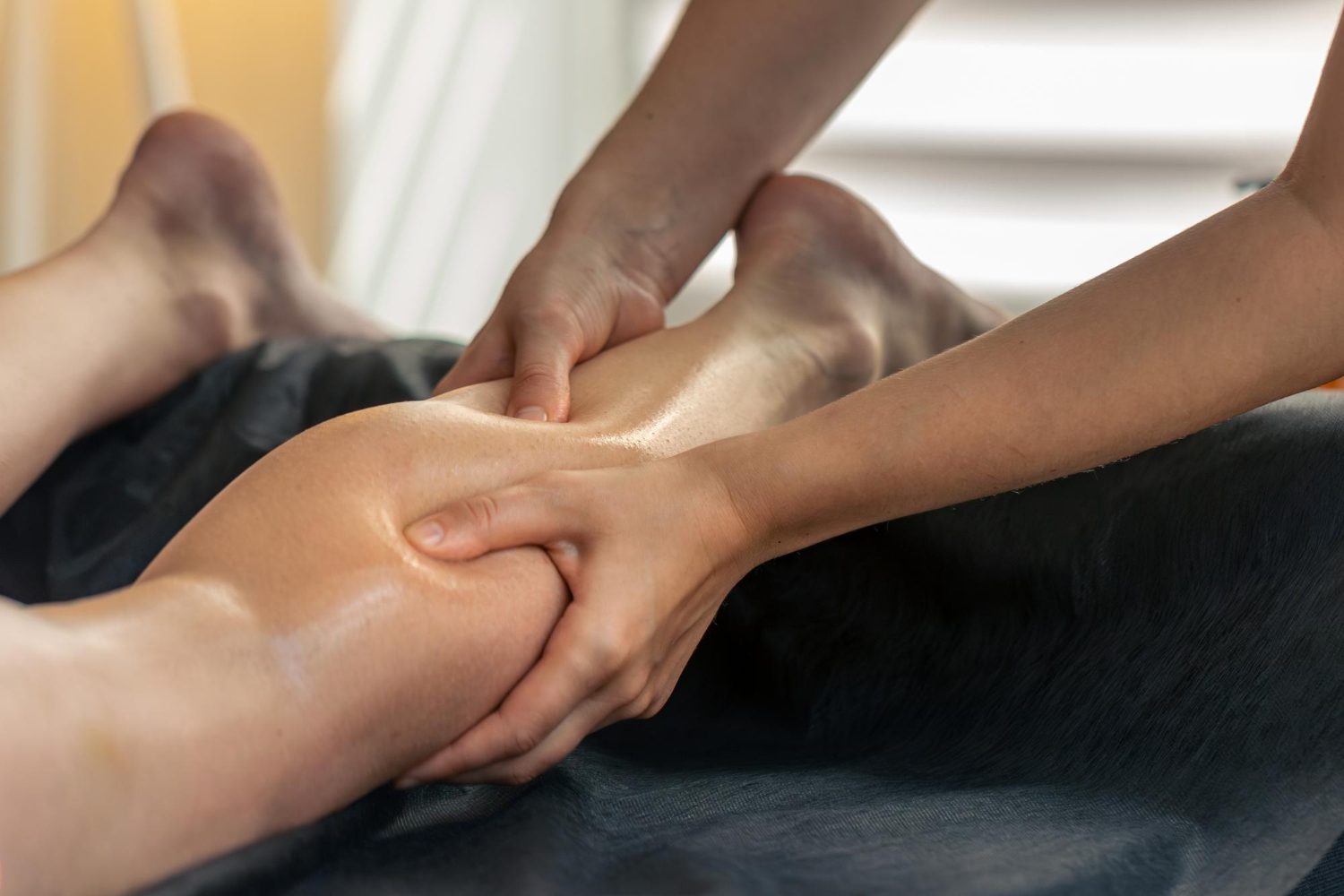
Manual Lymphatic Drainage (MLD) is a gentle manual therapy technique that uses light, rhythmic movements to support lymphatic fluid movement. The lymphatic system is essential for immune function and fluid balance. After surgery, tissue injury and reduced movement can contribute to swelling and stiffness, while disruption of lymphatic drainage may contribute to edema in some procedures. Post-surgical edema, or localized swelling, may increase discomfort and limit mobility or function during recovery. Manual lymphatic drainage may be used as part of an individualized rehabilitation program to help manage swelling and related symptoms when clinically appropriate.
This blog examines the principles, techniques, and potential benefits of manual lymphatic drainage, including considerations relevant to Lymphatic drainage Dubai, and post-operative rehabilitation. The physiology of the lymphatic system, typical causes of edema after surgery, MLD techniques, and its potential role in recovery will all be discussed. The blog also discusses appropriate techniques, potential patient outcomes, and clinical evidence for incorporating manual lymphatic drainage into individualized rehabilitation programs.
Understanding the Lymphatic System
The lymphatic system is essential for fluid balance and immune function in the human body. It includes lymph fluid, lymphatic vessels, and lymph nodes. Among its primary responsibilities are:
- Lymph fluid transport: Lymph transports excess fluid, proteins, and cellular materials from tissues toward the circulatory system.
- Immune defense: Lymph nodes contain immune cells and help filter lymph while supporting the body’s immune response.
- Nutrient absorption: Lymphatic vessels in the digestive tract help transport absorbed dietary fats and fat-soluble vitamins.
Unlike blood, lymph is not circulated by a central pump such as the heart. Instead, lymph movement is supported by respiratory movements, skeletal muscle contractions, pressure changes, and contractions of larger lymphatic vessels. Disruption of lymphatic drainage during some surgeries can contribute to swelling and fluid accumulation.
Post-Surgical Swelling: Causes and Challenges
Surgery involves intentional tissue disruption as part of the procedure. Common causes of post-surgical edema include:
- Tissue Injury: Surgical incisions can affect blood vessels and surrounding tissues, contributing to inflammation and fluid accumulation.
- During procedures: Lymphatic vessels or lymph nodes may be affected during some procedures, which can contribute to impaired lymphatic drainage.
- Inflammatory Response: The body’s inflammatory response after surgery can increase local blood flow and fluid accumulation, contributing to swelling.
- Immobilization: After surgery, reduced movement may decrease the contribution of skeletal muscle activity to lymph movement, which can contribute to fluid accumulation.
In addition to causing discomfort, significant swelling may limit mobility and affect recovery, depending on its cause and severity. Depending on the procedure and individual factors, swelling may persist during recovery, particularly when lymphatic drainage has been affected.
What Is Manual Lymphatic Drainage Massage?
Manual lymphatic drainage (MLD) is a manual therapeutic technique that uses gentle, rhythmic movements to influence lymphatic fluid movement. The technique uses focused movements to support lymphatic fluid movement through the superficial lymphatic network. MLD uses light pressure and gentle movements that primarily target the superficial lymphatic structures near the skin, rather than applying the deeper pressure used in some massage techniques. Understanding Lymphatic drainage massage Dubai can help patients learn how this gentle approach differs from conventional massage techniques.
Key MLD concepts:
- Gentle pressure: MLD uses light, controlled pressure appropriate to the superficial lymphatic tissues and the individual’s condition.
- Directional strokes: Gentle movements follow appropriate lymphatic pathways to support the movement of fluid toward available lymphatic drainage pathways.
- Rhythmic repetition: Gentle, rhythmic movements are used to support lymphatic fluid movement through the lymphatic vessels.
- Proximal to distal approach: Depending on the affected area and individual assessment, the therapist may begin with areas closer to functioning lymphatic drainage pathways before addressing more distal tissues.
Techniques Used in Lymphatic Drainage Massage
Manual lymphatic drainage massage uses several gentle techniques and methods.
- Stationary circles: These are small, circular movements that gently stretch the skin and support lymphatic fluid movement.
- Pump technique: This technique uses gentle hand movements to stretch the skin and support lymphatic fluid movement.
- Rotary motions: These are circular movements used to gently stretch the skin and support lymphatic fluid movement along appropriate pathways.
- Scoop strokes: These are gentle, scooping hand movements used to support lymphatic fluid movement along appropriate drainage pathways.
These techniques are selected and applied by the therapist according to the treatment area, severity of edema, individual assessment, and patient tolerance.
Benefits of Lymphatic Drainage Massage for Post-Surgical Healing
Here are some potential benefits of lymphatic drainage massage as part of post-operative recovery:
- Swelling reduction (edema control): MLD may help manage swelling in selected patients by supporting lymphatic fluid movement, although its effectiveness can vary depending on the cause and severity of edema.
- Pain Management: Post-surgical swelling may contribute to discomfort and restricted movement. When MLD is appropriate, managing swelling may help support comfort and mobility.
- Recovery Support: MLD may form part of Lymphatic therapy Dubai to help manage swelling and support comfort and movement during recovery when clinically appropriate.
- Soft-Tissue Mobility: MLD may be considered as part of rehabilitation to support soft-tissue mobility around healed areas, depending on the individual’s condition and stage of recovery.
- Increased Flexibility and Mobility: Swelling may limit range of motion, particularly after some orthopedic procedures. When appropriate, MLD may help manage swelling and support mobility as part of a broader rehabilitation program.
- Mental Benefits: In addition to physical rehabilitation, the gentle, rhythmic nature of MLD may promote relaxation and contribute to a sense of comfort during treatment.
Clinical Proof for Massage with Lymphatic Drainage
Numerous research studies have investigated the role of lymphatic drainage in managing swelling and symptoms during recovery after surgery.
- Post-surgical rehabilitation: Post-surgery lymphatic drainage Dubai may be considered after selected surgical procedures to help manage swelling and discomfort, depending on the procedure, healing stage, and individual assessment.
- Breast cancer surgery: MLD may be considered for selected patients with lymphedema following breast cancer treatment as part of an individualized rehabilitation program. Evidence regarding its additional benefits remains mixed.
- Orthopedic surgery: MLD may be considered selectively after some orthopedic procedures as an adjunct to rehabilitation when swelling is present, although evidence of benefit varies by procedure.
- General surgery: MLD may be incorporated into post-operative rehabilitation when clinically appropriate, particularly when swelling or related discomfort is present.
The Best Techniques for Post-Surgery Lymphatic Drainage Massage:
When to Start Treatment
- With clearance from the treating medical professional, Manual lymphatic drainage Dubai may be considered when clinically appropriate based on the type of surgery, healing stage, wound status, and individual condition.
- When appropriately indicated, early management may help address fluid accumulation and support symptom management during recovery, although the timing should be individualized.
Regularity or Frequency
- The frequency of treatment should be determined according to the individual’s condition, symptoms, treatment goals, and response to therapy.
- Treatment frequency may be adjusted as swelling, symptoms, and functional needs change.
Safety Factors
- MLD should not be applied directly over active infections or open wounds, and treatment around surgical sites should follow appropriate clinical guidance.
- After surgery, discuss whether lymphatic drainage treatment Dubai is appropriate with the treating medical professional before starting treatment.
- When choosing a certified lymphatic drainage therapist Dubai, relevant training, medical history, and treatment precautions should be considered before treatment.
- MLD may not be appropriate in some situations, including active infections, acute heart failure, suspected or confirmed acute thrombosis, or other medical conditions requiring medical assessment. A physiotherapist should review relevant medical history and precautions before treatment.
Integration with Other Therapies
- Depending on the condition, MLD may be combined with therapeutic exercise, compression therapy, education, and other physiotherapy interventions as part of an individualized rehabilitation program.
Experiences and Results of Patients
- Patients may experience changes in swelling and comfort during a course of lymphatic drainage massage, depending on their condition and stage of recovery.
- Some patients may experience changes in bruising or discoloration during recovery, although these outcomes can vary.
- Improved mobility may occur when swelling and discomfort are appropriately managed as part of rehabilitation.
- Some patients may experience reduced feelings of heaviness or stiffness.
- The gentle nature of treatment may also promote relaxation and comfort.
Individuals recovering from surgery may experience changes in swelling, comfort, and mobility, depending on the procedure, healing stage, and individual response to treatment.
The Function of At-Home Methods and Self-Care
Patients can support their recovery outside of planned therapy sessions by following individualized self-care instructions, including self-lymphatic drainage when taught by a qualified professional.
- Maintaining adequate hydration supports general health during recovery.
- Walking and other appropriate gentle exercises can support movement and muscle activity during recovery.
- Compression garments may be worn as advised by a qualified healthcare professional.
- Elevating an affected limb may help manage swelling in some cases when advised by a healthcare professional.
Conclusion
Manual lymphatic drainage (MLD) may be used as part of an individualized rehabilitation plan to help manage post-operative edema in selected patients. When clinically appropriate, MLD may support lymphatic fluid movement and help manage swelling and discomfort as part of post-operative rehabilitation. Clinical evidence regarding MLD in post-operative care is mixed, and its use should be determined according to the procedure, individual condition, and rehabilitation goals. When performed by appropriately trained professionals and used when clinically appropriate, MLD may be incorporated into an individualized rehabilitation plan.
MLD may be incorporated into rehabilitation when clinically appropriate. Understanding the role of the lymphatic system and the potential applications of this gentle treatment may help patients understand their rehabilitation options.
Vitruvian – Italian Physiotherapy Center can help you achieve your rehabilitation goals through individualized physiotherapy care. Contact the clinic to schedule an appointment with a physiotherapist in Dubai.
https://share.gemini.google/zdEMHSMH4qMU
FAQs
Can lymphatic drainage massage help with swelling?
Lymphatic drainage massage may help decrease edema by directing extra fluid away from areas with fluid accumulation. It is frequently used in the management of conditions involving lymphatic fluid accumulation. However, edema can have a variety of causes; therefore, a thorough evaluation is required before beginning therapy, when appropriate treatment is selected according to the underlying cause.
Can lymphatic drainage massage support recovery after surgery?
Lymphatic drainage massage may be incorporated in postoperative treatment if medically indicated. Using gentle approaches can assist in controlling fluid retention and edema during recovery. The appropriate timing is determined by the procedure and the rate at which healing occurs. Patients should follow their surgeon's advice and select an appropriately trained physiotherapist for postoperative lymphatic care, and treatment should be adjusted according to their individual healing and clinical needs.
Is lymphatic drainage massage relaxing?
Yes, many individuals find lymphatic drainage massage pleasant because it uses slow, soft, repeated motions rather than deep pressure. This soothing technique may assist in alleviating bodily tension and promote relaxation. Individual experiences vary, and therapy should be tailored to the patient's specific needs and general health, although relaxation levels can differ between individuals and treatment sessions.
How often should I receive lymphatic drainage massage?
The recommended frequency depends on the cause for therapy, the level of edema, and the individual's goals. Some people may benefit from several sessions, while others may just require infrequent therapy. A trained physiotherapist can propose an appropriate plan based on your unique condition and how your body reacts, and frequency may change as symptoms and functional needs change.