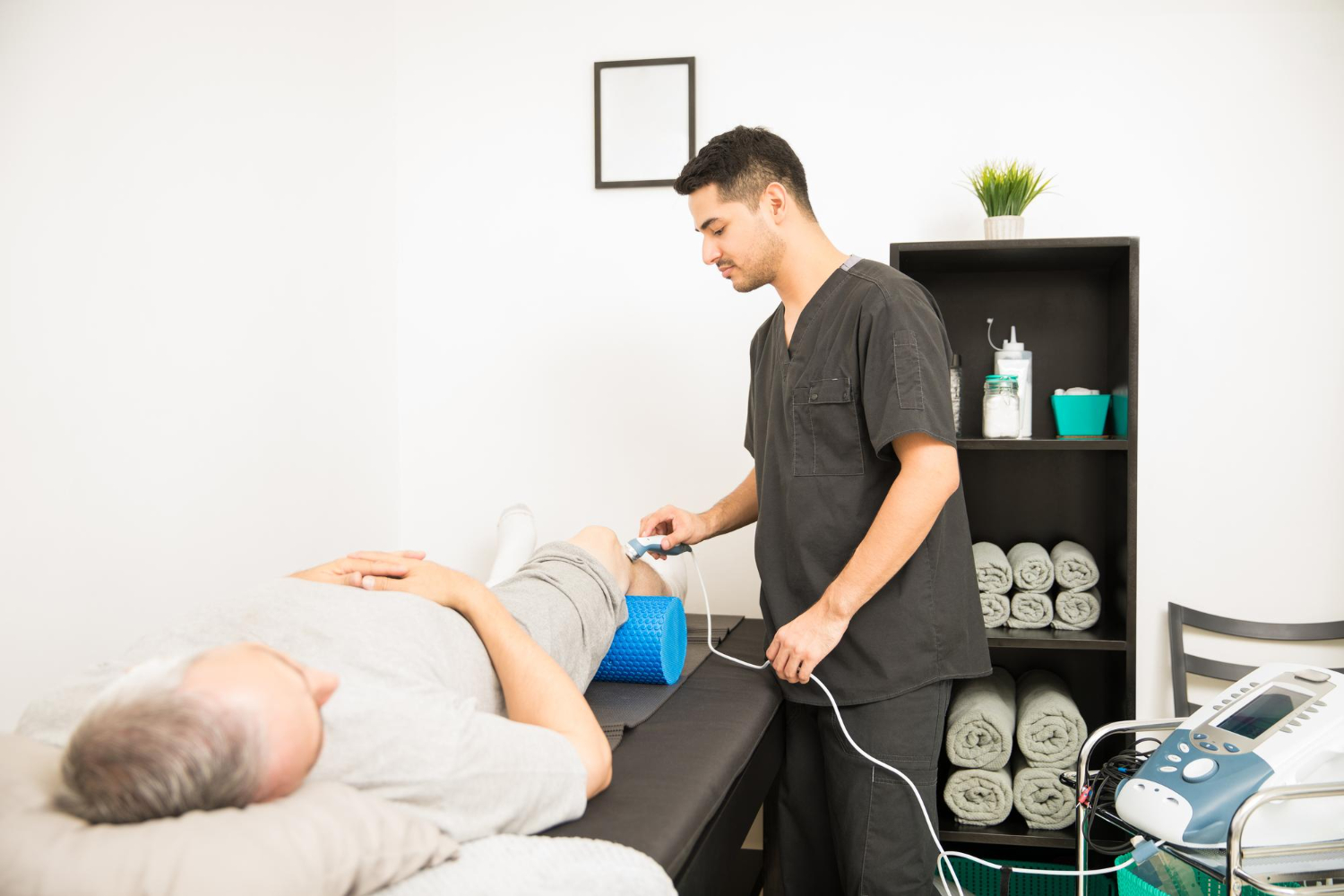
Ultrasound Therapy is a non-invasive treatment modality that uses high-frequency sound waves. It may help manage pain and support rehabilitation in selected conditions. It may be used as part of physiotherapy care.
Ultrasound treatment is a non-invasive modality that may be used as part of rehabilitation for selected musculoskeletal conditions and soft tissue problems. Its use depends on the individual assessment and treatment goals.
Ultrasound treatment may be used as part of physiotherapy to help manage pain and support rehabilitation in selected conditions. It may be combined with exercise, manual therapy, or other appropriate physiotherapy approaches based on the individual’s needs.
Key Takeaways
- Ultrasound therapy is a non-invasive modality that uses high-frequency sound waves and may support pain management in selected conditions.
- Ultrasound may be used as part of physiotherapy for selected conditions when clinically appropriate.
- Ultrasound treatment may support pain management and mobility in selected conditions.
- Ultrasound may be combined with other physiotherapy approaches when clinically appropriate.
- Ultrasound treatment is a physiotherapy modality that may be considered for selected conditions.
- Ultrasound therapy may be an appropriate option for selected patients when clinically indicated.
Understanding Ultrasound Technology in Medical Applications
Ultrasound technology uses high-frequency sound waves for different medical applications, including diagnostic imaging and therapeutic applications. For physiotherapy, therapeutic ultrasound uses sound energy as a treatment modality, with parameters such as frequency and intensity selected according to the treatment goal. Ultrasound therapy Dubai may therefore be incorporated into physiotherapy when appropriate for the individual’s rehabilitation needs.
Basic Principles of Ultrasound Waves
Above 20 kHz, ultrasound waves are beyond the normal human hearing range. In therapeutic ultrasound, factors such as frequency, intensity, tissue characteristics, and treatment settings influence how ultrasound energy interacts with tissues. Understanding these fundamentals is important for the appropriate application of therapeutic ultrasound in physiotherapy and the effective use of Physiotherapy ultrasound Dubai when clinically appropriate.
How Medical Ultrasound Works
Medical ultrasonography employs sound waves to create images of structures inside the body. A transducer emits sound waves and receives returning echoes to produce images. This diagnostic use differs from therapeutic ultrasound, which uses sound energy as a physiotherapy treatment modality rather than for imaging.
Types of Ultrasound Equipment
There are several types of ultrasound equipment used in healthcare. Some are designed for diagnostic imaging, while others are used for therapeutic applications. The appropriate equipment depends on the clinical purpose and individual treatment needs.
Therapeutic ultrasound is non-invasive and may be used as part of physiotherapy treatment when clinically appropriate. Therapeutic ultrasound differs from diagnostic imaging technologies because its purpose is treatment rather than producing medical images.
| Equipment | Utilization | Advantages |
| Ultrasound Diagnostic Equipment | Imaging tissues and internal organs | High accuracy, inexpensive, and non-invasive |
| Therapeutic Ultrasound Equipment | Delivering ultrasound energy as part of physiotherapy treatment | Non-invasive treatment modality that may support pain management and rehabilitation when clinically appropriate |
The Science Behind Therapeutic Ultrasound
Therapeutic ultrasound employs high-frequency sound waves as a physiotherapy treatment modality that may help manage pain and support rehabilitation in selected musculoskeletal conditions and soft tissue injuries. It may be used alongside other physiotherapy approaches when clinically appropriate. Therapeutic ultrasound Dubai may form part of an individualized physiotherapy rehabilitation plan.
The method uses a therapeutic ultrasound device that may operate at frequencies such as 1 to 3 MHz, depending on the treatment parameters and clinical goal. The ultrasound energy is applied to the targeted area, where it may produce thermal or non-thermal effects depending on the settings. When thermal effects are intended, the increase in tissue temperature may influence local blood flow and help with pain management.
Therapeutic ultrasound can produce physiological effects in tissues, depending on the treatment parameters and application. These effects may include thermal and non-thermal responses, although clinical benefits vary according to the condition being treated.
Potential effects and treatment goals of therapeutic ultrasound may include:
- Changes in local blood flow and tissue temperature when thermal effects are produced.
- Support for pain management in selected conditions.
- May be incorporated into tissue rehabilitation when clinically appropriate.
- Support for mobility and range of motion as part of a broader rehabilitation program.
Therapeutic ultrasound is a non-invasive treatment modality that is generally well tolerated. It can be combined with other physiotherapy approaches, such as therapeutic exercise and manual therapy, when appropriate. The treatment approach and parameters are selected according to the individual’s condition, assessment, and rehabilitation goals.
Different Types of Ultrasound Therapy
Ultrasound therapy is a noninvasive treatment that employs high-frequency sound waves. It may be used to support pain management and rehabilitation in selected conditions. There are different treatment modes, each producing different effects.
Thermal ultrasound therapy uses ultrasound energy to produce a therapeutic increase in tissue temperature when appropriate treatment settings are used. This thermal effect may influence local blood flow and tissue extensibility. It may be used as part of physiotherapy for selected musculoskeletal conditions to support pain management and rehabilitation.
Mechanical or non-thermal ultrasound effects can occur without a substantial increase in tissue temperature. These effects may include acoustic streaming and cavitation, depending on the treatment parameters. Their clinical significance varies, and ultrasound should not be described as directly breaking down scar tissue or guaranteeing tissue healing.
Thermal Ultrasound Treatment
Thermal ultrasound may be used as part of physiotherapy for selected musculoskeletal conditions, including some tendon and soft tissue problems. It may also be incorporated into rehabilitation following injury or surgery when clinically appropriate. The thermal effects of ultrasound can increase tissue temperature and may influence local blood flow and tissue extensibility. For selected applications involving deeper soft tissues, Deep tissue ultrasound therapy Dubai may be incorporated according to the assessment and treatment goals.
Mechanical Ultrasound Treatment
Mechanical ultrasound therapy may be used as part of physiotherapy when appropriate. Its non-thermal effects may include acoustic streaming and cavitation, although the clinical benefits vary according to the condition and treatment parameters. It may be incorporated into rehabilitation following injury or surgery when clinically appropriate.
Ultrasound may be combined with other physiotherapy approaches, such as therapeutic exercise and manual therapy, as part of an individualized rehabilitation plan. The combination of treatments depends on the patient’s condition, assessment findings, and rehabilitation goals.
Benefits of Ultrasound Therapy in Physical Medicine
Ultrasound treatment may be used as part of physiotherapy rehabilitation for selected conditions. It is a non-invasive modality that may support pain management as part of a broader rehabilitation program when clinically appropriate. When choosing the best ultrasound therapy in Dubai, appropriate assessment, treatment parameters, and integration with rehabilitation should remain important considerations.
In physiotherapy, ultrasound treatment can be applied to selected areas such as muscles and tendons when clinically appropriate. Its use depends on the individual assessment, treatment goals, and selected parameters. Physiotherapists may develop tailored treatment plans that combine appropriate modalities with rehabilitation approaches such as therapeutic exercise.
- May support pain management in selected conditions.
- Non-invasive and generally well tolerated when appropriately applied.
- It can be used in combination with other physiotherapy approaches.
Therapeutic ultrasound has been studied for different musculoskeletal and soft tissue conditions, but its clinical effectiveness varies depending on the condition, treatment parameters, and rehabilitation plan. It may be used as one component of physiotherapy alongside other evidence-based approaches.
Therapeutic ultrasound can be used as one component of physiotherapy rehabilitation when clinically appropriate. Its use in pain management and rehabilitation depends on the individual’s condition, assessment findings, and treatment goals.
Common Conditions Treated with Ultrasound
Ultrasound treatment is a non-invasive technique that may be used as part of physiotherapy for selected musculoskeletal conditions and soft tissue injuries. It may be incorporated into rehabilitation for certain acute injuries or persistent pain when clinically appropriate.
Some conditions for which therapeutic ultrasound may be considered include:
- Tendon and soft tissue conditions, including some cases of tendinopathy and bursitis.
- Soft tissue injuries, such as selected sprains and strains.
- Selected musculoskeletal conditions that may benefit from an individualized physiotherapy plan.
Ultrasound treatment employs high-frequency sound waves and may be used as part of physiotherapy for selected conditions. Depending on the treatment approach, it may support pain management and mobility as part of a broader rehabilitation program. For appropriate musculoskeletal conditions involving muscle discomfort, Ultrasound therapy for muscle pain Dubai may be considered as part of an individualized rehabilitation plan.
Ultrasound treatment is non-invasive and generally well tolerated when appropriately applied, although its suitability depends on the individual’s condition and clinical assessment. For selected cases involving back discomfort, Ultrasound therapy for back pain Dubai may be incorporated into physiotherapy when clinically appropriate. It may be considered as part of a physiotherapy plan for selected musculoskeletal and soft tissue conditions.
| Situation | Protocol for Treatment | Parameters |
| Musculoskeletal conditions | Thermal ultrasound | 1-2 W/cm² intensity, 1-3 MHz frequency |
| Injuries to soft tissues | Mechanical ultrasound | 0.5–1 W/cm² intensity, 3-5 MHz frequency |
| Management of chronic pain | Combination therapy | Varies based on personal requirements |
The Ultrasound Treatment Process Explained
The ultrasound therapy process begins with an examination, planning, and follow-up. This helps patients receive an appropriate treatment plan based on their individual requirements. A physiotherapist will assess the patient’s condition and determine whether ultrasound therapy is appropriate.
Some important steps in the ultrasound therapy process are:
- Initial evaluation and assessment.
- Treatment planning and goal-setting
- Application of ultrasound treatment
- Follow-up treatment and progress monitoring
Physiotherapists use a systematic treatment approach to apply ultrasound therapy appropriately. The technique and treatment parameters may vary depending on the patient’s condition, assessment findings, and rehabilitation goals. At an Ultrasound physiotherapy clinic Dubai, treatment should therefore be guided by appropriate assessment and individualized treatment planning.
Understanding the ultrasound treatment process helps patients know what to expect during therapy sessions. The treatment approach is selected according to the patient’s assessment and rehabilitation goals, while progress is monitored to determine whether the plan needs to be adjusted. Ultrasound therapy for injury recovery Dubai may be incorporated into this process when clinically appropriate.
| Step | Explanation |
| Initial Assessment | Evaluation of the patient’s condition and treatment needs |
| Planning for Treatment | Creation of a customized treatment strategy |
| Ultrasound Therapy Administration | Application of ultrasound therapy according to the treatment plan |
| Aftercare | Monitoring the patient’s progress and modifying the treatment plan as necessary |
Safety Considerations and Potential Side Effects
Ultrasound treatment is generally well tolerated when appropriately applied, although it has potential risks and contraindications. It is important to understand when ultrasound therapy may not be appropriate. If discomfort or an unusual reaction occurs during or after treatment, the patient should inform the physiotherapist.
Certain conditions or treatment locations may make ultrasound therapy inappropriate. For example, therapeutic ultrasound is generally avoided over the abdomen or low back during pregnancy, and its application should follow appropriate clinical precautions. Treatment frequency, intensity, mode, duration, and application area are also important considerations. Appropriate assessment and monitoring help reduce potential risks.
Contraindications and risk factors
- Pregnancy, particularly when treatment is considered over the abdomen or low back
- Certain medical conditions, such as active bleeding disorders, may require additional assessment before treatment
- Certain implants or prosthetic materials may require additional assessment before treatment
Understanding the safety considerations and potential side effects of ultrasound therapy can help you make informed decisions. Tell your physiotherapist about any concerns, medical conditions, or previous procedures before treatment. At Vitruvian – Italian Physiotherapy Center, treatment can be selected according to your assessment and individual rehabilitation needs.
Best Practices for Safety
To use ultrasound therapy safely, appropriate treatment parameters should be selected based on the patient’s condition and treatment goals. This involves following the recommended treatment plan, monitoring progress, and communicating any concerns to the physiotherapist. Appropriate assessment and monitoring can help reduce potential risks.
Latest Advances in Ultrasound Therapy Technology
Ultrasound technology and treatment equipment continue to develop, with improvements in device design, treatment control, and usability. These developments may support more controlled application of therapeutic ultrasound, while treatment remains dependent on appropriate clinical assessment and parameters.
Advances in ultrasound equipment have provided clinicians with greater control over treatment settings and application. However, treatment outcomes still depend on the condition being treated, the selected parameters, and the overall rehabilitation plan. Ongoing research continues to investigate therapeutic ultrasound and its potential applications.
Some developments include:
- Equipment design, with increasingly practical and user-friendly devices.
- Treatment methods, with greater control over selected treatment parameters and individualized applications.
- Clinical uses include therapeutic ultrasound, which continues to be evaluated for various rehabilitation applications.
As technology advances, further developments in ultrasound equipment and treatment approaches may emerge. These developments may provide additional options for therapeutic applications, while clinical decisions should continue to be based on assessment, evidence, and individual treatment needs.
Conclusion: The Future of Ultrasound in Therapeutic Applications
Ultrasound treatment is one modality used in physiotherapy and rehabilitation. It may be considered for selected musculoskeletal conditions and soft tissue injuries as part of an individualized treatment plan. Its role in chronic pain management depends on the condition and available clinical evidence.
Research continues to explore ways to improve ultrasound equipment, treatment control, and therapeutic applications. As evidence develops, new technologies and approaches may expand the potential uses of ultrasound treatment.
Ultrasound treatment may continue to have a role in physiotherapy as research and technology develop. Its use should remain guided by clinical assessment, appropriate treatment parameters, and the individual’s rehabilitation goals. For selected patients, Ultrasound treatment Dubai can therefore be considered within an appropriately planned physiotherapy program when clinically indicated.
https://chatgpt.com/share/6acc3d3e-afb8-83eb-b66c-301a62ea55ee
FAQs
How Does Ultrasound Technology Work in Medical Applications?
Ultrasound technology uses sound waves for different medical applications. Diagnostic ultrasound uses sound waves to generate images, while therapeutic ultrasound uses sound energy as a treatment modality. The application and treatment parameters depend on the clinical purpose and individual treatment needs.
What are the Basic Principles of Ultrasound Waves?
Ultrasound waves have frequencies, amplitudes, and wavelengths. These characteristics influence how the waves interact with tissues and the effects that may occur during therapeutic application.
What are the Different Types of Ultrasound Equipment?
There are two primary types of ultrasound equipment. Diagnostic ultrasound equipment produces images, while therapeutic ultrasound devices deliver ultrasound energy as part of physiotherapy treatment and may support rehabilitation in selected conditions.
What is the Science Behind Therapeutic Ultrasound?
Therapeutic ultrasonography employs sound waves to influence tissues. Depending on the treatment parameters, it may produce thermal or non-thermal effects. Clinical benefits vary depending on the condition, treatment settings, and overall rehabilitation plan.
What conditions may be treated with therapeutic ultrasound?
Therapeutic ultrasound may be used in rehabilitation programs to help manage selected soft-tissue conditions, muscle discomfort, and joint stiffness. A physiotherapist evaluates whether it is suitable based on the patient's symptoms and treatment objectives. It is typically utilized as part of a larger rehabilitation strategy, rather than as a single therapy.
What does an ultrasound therapy session feel like?
During therapy, a physiotherapist usually applies gel to the skin and slides an ultrasonic applicator over the desired region. You may experience gentle movement, pressure, or mild warmth, although the sensation may be minor. The treatment is generally well tolerated, and the physiotherapist can adjust the application as needed.
How long does therapeutic ultrasound treatment usually take?
The time depends on the region being treated, the condition, and the overall rehabilitation strategy. A physiotherapist chooses treatment settings based on clinical requirements rather than applying the same treatment duration to everyone. Ultrasound treatment is frequently used in conjunction with exercises, manual approaches, and other forms of rehabilitation.
Is therapeutic ultrasound appropriate for everyone?
Therapeutic ultrasonography is not appropriate for all individuals or treatment areas. Before proposing treatment, a physiotherapist analyzes the location of the symptoms, the tissue state, the medical history, and the treatment goals. Certain conditions or treatment areas may necessitate avoiding therapeutic ultrasound; thus, professional assessment is required before this modality is used.
What should I expect after an ultrasound therapy session?
Some patients may notice temporary improvements in comfort or mobility following therapy, although others may experience little or no immediate change in symptoms. The outcome is determined by the underlying condition as well as the entire rehabilitation regimen. After the session, your physiotherapist may advise you on specific exercises or activity modifications to support rehabilitation and function.