If you’ve been seeking complementary therapies for chronic pain, headaches, stress, or other related concerns, you may have come across craniosacral therapy (CST). People exploring craniosacral therapy Dubai may still be unsure of what it involves, its proposed mechanisms, and whether it might help them.
This blog examines craniosacral therapy from an evidence-informed perspective, outlining the treatment process, potential benefits, research findings, and factors to consider when determining whether this technique is appropriate for you.
What Is Craniosacral Therapy?
Craniosacral therapy is a gentle, non-invasive manual therapy approach that employs light touch to assess and work with the craniosacral system, which includes the membranes and cerebrospinal fluid surrounding and protecting the brain and spinal cord.
The Historical Development
Origins in Osteopathy: Craniosacral treatment emerged from cranial osteopathy in the early 20th century. Early theories proposed that subtle movement within the skull could influence health.
Modern Development: Craniosacral therapy was subsequently further developed and introduced to a broader range of healthcare practitioners through training. Various healthcare practitioners, including physiotherapists and massage therapists, subsequently used the approach.
The Theoretical Framework
Craniosacral treatment is founded on numerous theoretical ideas:
Craniosacral rhythm: Practitioners describe a subtle, rhythmic movement that is distinct from cardiovascular and respiratory rhythms, often referred to as the craniosacral rhythm or “primary respiratory mechanism.” Within CST theory, this rhythm is believed to relate to physiological processes involving the craniosacral system.
Cranial Bone Movement: CST theory proposes that subtle movement may occur within the cranial structures throughout life. Within this theory, restrictions in these movements are thought to influence cerebrospinal fluid dynamics and potentially affect overall well-being.
Fascial Connections: CST proposes that the dural membrane, which surrounds the brain and spinal cord, is connected with fascia throughout the body, forming a continuous system in which restrictions in one location may influence other regions.
Self-Corrective Mechanisms: A core CST concept states that the body has intrinsic self-regulatory processes. The therapist’s role is to facilitate relaxation and support the body’s natural responses rather than impose forceful correction.
How Craniosacral Therapy Is Performed
Understanding what happens during a craniosacral therapy session can help you know what to expect if you decide to try this treatment.
The Treatment Session
Initial Assessment: At Vitruvian – Italian Physiotherapy Center, your first session may begin with a discussion of your medical history, current symptoms, previous treatments, and treatment objectives. The physiotherapist at Vitruvian – Italian Physiotherapy Center may ask questions about your condition and overall health.
The Treatment Environment: Sessions take place in a quiet, comfortable setting. You remain fully clothed and normally lie on a treatment table, although therapy can be administered in different positions based on your comfort and needs.
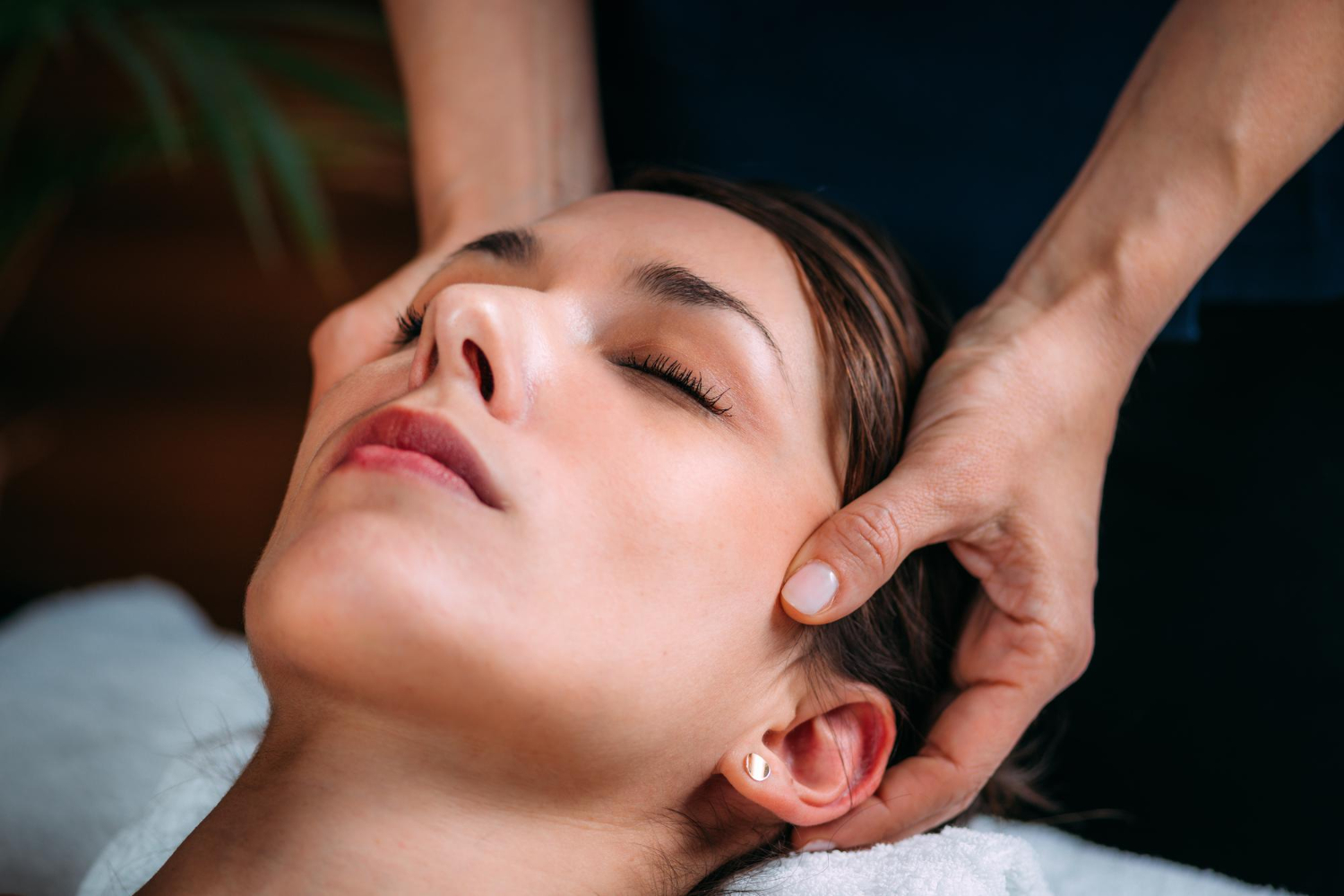
Light Touch Technique: Craniosacral treatment uses extremely gentle touch, with pressure varying according to the practitioner and treatment approach. Practitioners may place their hands softly on different parts of the body, including the head, sacrum (base of the spine), and feet.
Treatment sessions: When considering craniosacral treatment Dubai, sessions typically last 45–60 minutes. The number of sessions varies depending on your condition, response to treatment, and rehabilitation goals.
Common Treatment Locations
Cranium: Practitioners may gently place their hands on various areas of the head to assess perceived areas of tension and the body’s response to light touch.
The sacrum: The sacrum, a triangular bone at the base of the spine, is another commonly addressed area in craniosacral therapy. Treatment may include gentle touch in this region.
The spine: Some approaches include gentle contact along the spine between the skull and sacrum to assess areas of perceived tension or restriction.
Other Body Locations: Depending on your situation, practitioners may work on the jaw, ribs, pelvis, or other areas where tension may be present.
What You Might Experience
Physical Sensations: During therapy, some patients may describe feeling warm or tingly, experiencing deep relaxation, noticing subtle sensations or changes, or experiencing emotional responses.
The Therapeutic Response: Practitioners may describe experiences during CST using terms such as “unwinding” (spontaneous movement), “still points” (periods of perceived calm), and “softening” (a perceived decrease in tissue tension).
Conditions Commonly Treated with Craniosacral Therapy
Craniosacral therapy is used by some practitioners for various symptoms and conditions, although the available evidence differs by condition. The following sections summarize common uses and the current evidence:
Pain Conditions
Headaches and Migraines: Some practitioners use CST as a complementary approach for persistent headaches and migraines. Some small studies indicate possible benefits, but more rigorous research is required. Its gentle nature may appeal to people seeking a less intensive hands-on approach.
Neck and Back Pain: Some people use CST as a complementary approach for chronic spinal pain. While research is limited, some studies have found modest improvements in pain and function for chronic neck pain.
Fibromyalgia: Some studies suggest that CST may reduce pain intensity and improve quality of life in people with fibromyalgia, although the number of studies is small and methodological quality varies.
Temporomandibular Joint Disorders: CST may be used as a complementary approach for certain jaw-related symptoms; however, the evidence is primarily anecdotal.
Stress and Anxiety
Stress Management: The gentle nature of CST may support relaxation and stress management. Some research suggests that sessions may influence stress-related measures and support a relaxation response.
Anxiety Disorders: Some practitioners use CST as a complementary approach for anxiety symptoms. While rigorous research is sparse, the treatment’s gentle, relaxing nature may support relaxation.
Neurological Conditions
Post-concussion Syndrome: Some practitioners use CST as a complementary approach for post-concussion symptoms. The research is preliminary, and further evidence is needed to determine its potential benefits for persistent symptoms.
Chronic Fatigue Syndrome: Research on CST for chronic fatigue syndrome is limited. Some studies indicate possible improvements in fatigue and pain.
Pediatric Conditions
Infant Colic and Feeding Issues: Some practitioners use CST for infant colic, feeding issues, and “fussiness.” Research quality is uneven, with some studies reporting possible benefits and others showing no meaningful effects beyond placebo.
Birth Trauma: CST is occasionally used as a complementary approach for infants following difficult deliveries, based on theories that birth-related forces may affect cranial structures. Evidence supporting this use remains limited.
Childhood Developmental Issues: Some practitioners use CST as a complementary approach for children with developmental concerns, including developmental delays, autism spectrum disorder, or learning disabilities; however, evidence supporting these uses is limited.
Other Conditions
Some practitioners may use CST as a complementary approach for concerns such as fatigue, sleep difficulties, nasal congestion, or digestive symptoms, while evidence for these uses varies. Post-surgical rehabilitation should be based on an individualized physiotherapy plan and appropriate clinical assessment.
The Evidence: What Does Research Tell Us?
To understand the scientific background of craniosacral treatment, it is important to consider the available evidence and its methodological limitations.
Research Challenges
Difficulty With Blinding: Developing convincing sham treatments for manual therapy research is difficult, making fully blinded trials challenging.
Subjective Outcomes: Many reported CST effects, such as relaxation and well-being, are subjective and can be difficult to quantify objectively.
Small sample sizes: Most CST research has a limited number of participants, which limits statistical power and generalizability.
Practitioner Variability: Technique differences across practitioners make standardization challenging.
What Studies Show
Pain Conditions: Research on CST for pain yields conflicting results. Some trials suggest improvements in persistent neck pain, headaches, and fibromyalgia, while others show no meaningful differences compared with control therapy.
Existing reviews have reported insufficient evidence to establish the effectiveness of CST and have emphasized the necessity of larger, higher-quality trials.
Stress and Relaxation: Some research suggests that CST sessions may promote relaxation and influence stress-related measures, although the reasons for these effects remain uncertain.
The Placebo Question: Some researchers suggest that perceived benefits of CST may be influenced by placebo effects, therapeutic relationships, relaxation, or other nonspecific factors, rather than being solely attributable to specific mechanical effects on cranial bones or cerebrospinal fluid.
Scientific Controversy
Anatomical Questions: Cranial sutures generally become increasingly interlocked with age, and the extent and clinical significance of subtle cranial movement proposed by CST remain debated. Proponents of CST propose that such movements may be too subtle to detect using some conventional methods.
Craniosacral Rhythm: Research examining the proposed craniosacral rhythm has produced contradictory findings. Some investigations question whether practitioners can consistently identify this rhythm or whether it reflects other physiological processes.
Mechanism Uncertainty: Even when patients perceive improvements, the mechanisms remain uncertain. Possible explanations include changes in perceived tension, nervous system responses, placebo effects, relaxation, or therapeutic relationships rather than specific effects on cranial structures.
Safety Considerations and Contraindications
Craniosacral treatment is generally considered gentle, although certain cases require caution or avoidance.
When CST May Not Be Appropriate
Acute Conditions
- Recent stroke or cerebral bleeding
- Acute intracranial bleeding or aneurysms
- Recent skull fracture or severe brain injury
- Brain tumors, unless treatment has been medically cleared by the appropriate healthcare professional.
Medical Conditions
- Serious bleeding disorders
- Increased intracranial pressure
- Acute systemic infections
Caution Advised
- During pregnancy, depending on the treatment approach
- Following recent surgery
- With some neurological disorders
Always notify your physiotherapist about any medical conditions, medications, and recent injuries or procedures.
Potential Adverse Effects
While serious adverse effects are uncommon, some people report temporary symptom intensification, fatigue, headache, dizziness, or emotional responses.
These effects may be temporary and may resolve on their own, although persistent or worsening symptoms should be medically assessed.
Craniosacral Therapy in Physiotherapy Practice
Some physiotherapists use craniosacral techniques alongside other physiotherapy interventions.
The Integrated Approach
Complementary Treatment: Physiotherapists may combine CST techniques with exercise therapy, manual therapy, education, and other evidence-based interventions.
Suitable Patient Selection: Physiotherapists trained in CST may consider these techniques for patients who prefer gentler approaches, including those with pain sensitivity or a preference for gentle treatment.
Professional Standards: Physiotherapists who use CST should maintain their professional qualifications and provide evidence-informed care while offering this additional treatment option.
Training and Qualifications
Professional Requirements: Physiotherapists generally complete their primary physiotherapy qualification before pursuing additional CST training.
CST Training: Additional CST training may include multiple courses covering different aspects of the technique, depending on the training provider and program.
Continuing Education: Physiotherapists who use CST can continue their professional development through evidence-based physiotherapy education and training.
Comparing Craniosacral Therapy with Other Manual Therapies
Understanding how CST differs from other manual techniques can help you make more informed treatment decisions.
CST vs. Traditional Physiotherapy
Touch Pressure: CST employs a significantly lighter touch than many typical manual therapy approaches.
Treatment Philosophy: CST emphasizes facilitating the body’s proposed self-corrective mechanisms, whereas physiotherapy may use active, exercise-based, and other rehabilitation interventions.
Evidence Base: Many physiotherapy approaches have broader research support than CST.
Integration: Physiotherapists may combine different treatments when clinically appropriate rather than treating them as mutually exclusive.
CST vs. Massage Therapy
Pressure and Movement: Massage therapy may involve varying levels of pressure and tissue manipulation, whereas CST generally uses lighter pressure and sustained holds.
Treatment Goals: Massage therapy may focus on muscular tension and relaxation, whereas CST is intended to address the craniosacral system and proposed fascial restrictions within CST theory.
Session Experience: Both may promote relaxation, although the treatment experience can differ.
CST vs. Chiropractic Care
Force Application: Some chiropractic adjustments involve brief, targeted movements, whereas CST generally uses gentle, sustained holds.
Treatment Focus: Chiropractic care may involve approaches focused on musculoskeletal and spinal concerns, whereas CST uses gentle techniques based on the proposed craniosacral system.
Treatment Preference: CST’s gentle approach may appeal to individuals who prefer to avoid more forceful manual techniques.
Making an Informed Decision About Craniosacral Therapy
Consider the following factors before deciding whether to try craniosacral therapy:
When CST Might Be Worth Considering
You’ve tried other methods: If other treatments haven’t provided enough relief, people searching for the best craniosacral therapy in Dubai may wish to compare treatment approaches, practitioner qualifications, and the available evidence.
You Require Gentle Treatment: CST may be considered for people who prefer gentler techniques because of pain sensitivity or certain medical considerations.
You Value Relaxation and Stress Relief: Even if the specific mechanisms remain unclear, the gentle nature of the treatment may help some people feel more relaxed.
You Are Open to Complementary Approaches: If you’re interested in learning about different treatment options within comprehensive care, consider asking your practitioner the following questions.
Questions to Ask Your Practitioner
- What is your professional experience and CST training?
- How many CST sessions would you generally recommend?
- What potential benefits may I expect for my condition?
- What does research say about CST for my particular issue?
- How will we measure progress?
- What additional therapies might complement CST?
- What are the consultation fees, and what payment options are available?
Managing Expectations
Be realistic: CST is not a guaranteed treatment. Approach it with an open mind while maintaining reasonable expectations.
Allow Time to Assess the Response: Depending on the individual’s condition and treatment goals, follow-up sessions may be recommended to assess the response. A single session may not provide enough information to evaluate the overall effect.
Integrate with Other Care: CST may be used alongside appropriate medical management, evidence-based physiotherapy, lifestyle adjustments, and stress management when suitable.
Monitor Your Response: Track your symptoms and functional changes to assess whether the treatment is providing meaningful benefits.
The Cost Considerations
Understanding financial considerations can help you make informed decisions about care.
Session Costs
Craniosacral therapy sessions in Dubai may vary in cost depending on the practitioner, treatment approach, session duration, and individual needs.
Finding a Qualified Practitioner
When choosing care, a craniosacral therapy clinic Dubai should be evaluated based on the qualifications, training, and experience of the physiotherapists.
Professional Qualifications
Professional Qualifications: If you are searching for a certified craniosacral therapist Dubai, look for a physiotherapist with appropriate additional training in CST.
CST-Specific Training: Verify that the practitioner has completed appropriate CST training relevant to their professional scope of practice.
Experience: If you are searching for craniosacral therapy near me Dubai, ask about the practitioner’s previous experience treating conditions or symptoms similar to yours.
Professional Standards
Clear Communication: Your practitioner should clearly explain the treatment strategy, be honest about evidence limitations, and respect your questions and concerns.
Before Beginning: Ensure that you understand the nature of the therapy, its potential benefits and risks, and the associated treatment costs.
Integration into Medical Care: CST should complement appropriate healthcare rather than replace necessary medical treatment.
Conclusion: A Balanced Perspective on Craniosacral Therapy
Craniosacral therapy is a gentle, non-invasive therapeutic approach that some individuals may find helpful, particularly for relaxation, stress management, and certain pain-related concerns. While its theoretical principles remain debated and research findings are mixed and limited in some areas, the treatment should be considered according to an individual’s condition, needs, and clinical circumstances.
The goal is to approach CST with informed and reasonable expectations, viewing it as a complementary option within comprehensive care rather than a standalone treatment. CST may be suitable for certain individuals, particularly those who prefer gentle treatment approaches or have not found sufficient relief with other methods.
If you’re thinking about trying craniosacral therapy, discuss it with an appropriate healthcare professional when needed, then seek treatment from a qualified physiotherapist with appropriate CST training. Keep reasonable expectations, integrate it with evidence-based care, and monitor your response.
Are you interested in learning more about craniosacral therapy as part of your physiotherapy care? Contact Vitruvian – Italian Physiotherapy Center in Dubai to discuss whether this gentle approach may be appropriate for your individual needs.
Vitruvian – Italian Physiotherapy Center can help you understand suitable treatment options and develop an individualized physiotherapy plan based on your specific needs, clinical findings, and goals.
https://chatgpt.com/share/6acc3f3a-2f6c-83eb-a49e-c0c1270e29f5
FAQs
What happens during a craniosacral therapy session?
During a session, you will normally remain comfortably dressed while the physiotherapist applies light touch to areas such as the head, neck, spine, and pelvis. The approach is intended to be gentle and non-forceful. The treatment approach may differ depending on your symptoms, physical examination, and therapy goals.
Is craniosacral therapy painful?
Craniosacral therapy is generally described as a gentle treatment that uses light touch rather than forceful manipulation. Most people feel gentle touch and may feel relaxed during the session. However, individual responses may differ. Inform your physiotherapist if you experience discomfort so that they can adjust the technique or treatment approach appropriately.
How long does a craniosacral therapy session take?
The duration of a craniosacral therapy session varies according to the treatment plan, your symptoms, and the physiotherapist's assessment. During your initial appointment, more time may be required to discuss your concerns and assess your condition. Before beginning therapy, your physiotherapist can discuss the expected duration of each session.
How many craniosacral therapy sessions might I need?
There is no universally recommended number of craniosacral therapy sessions. The recommended frequency varies according to your symptoms, treatment goals, response to therapy, and overall physical condition. A physiotherapist can assess your progress regularly to determine whether therapy should be continued, modified, or discontinued.