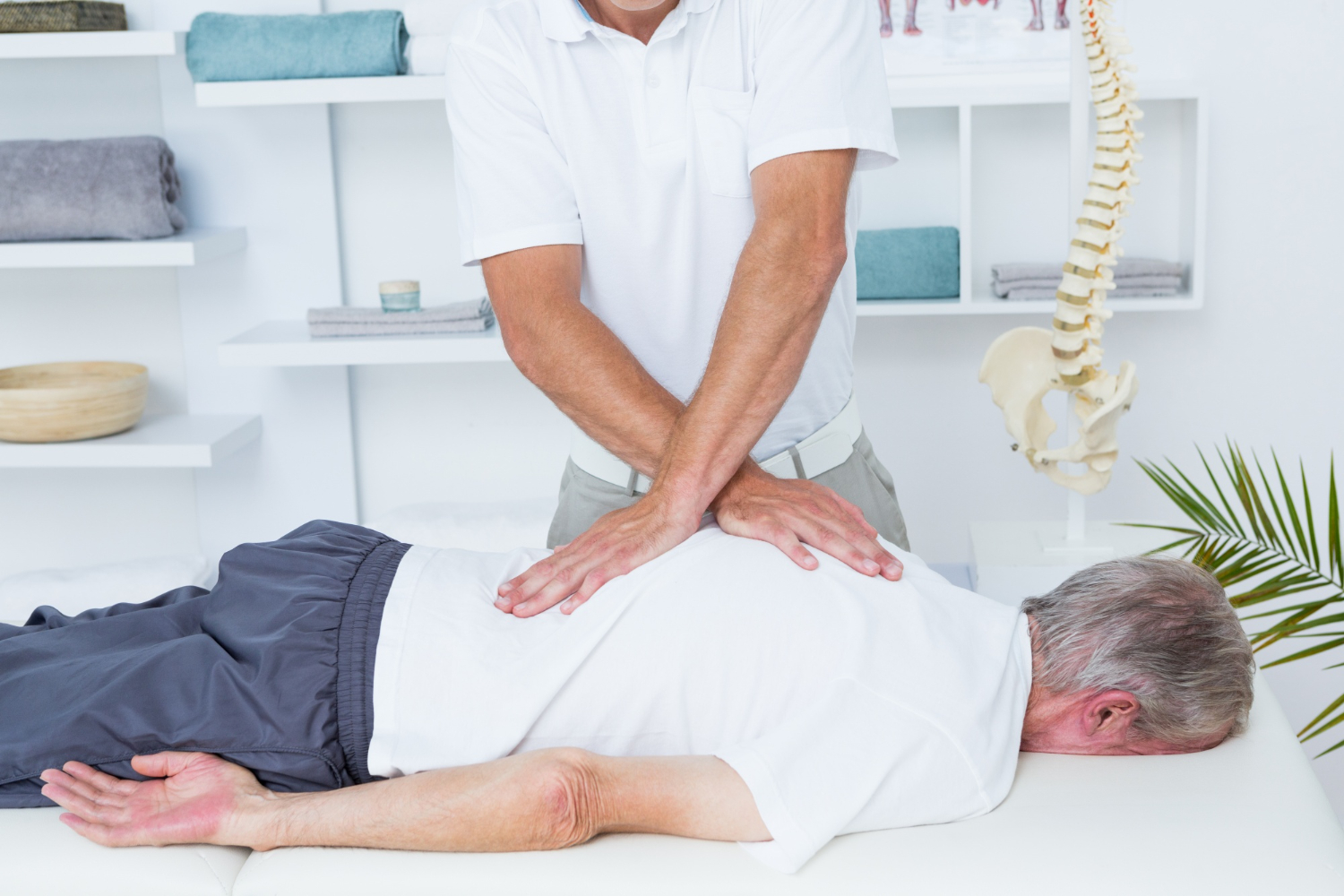
Physiotherapy is commonly included in the conservative management of sciatica, with physiotherapists using exercise, manual therapy, and other appropriate approaches to help reduce symptoms, improve mobility, and support recovery. At Vitruvian – Italian Physiotherapy Center, individualized physiotherapy can help manage sciatic pain, provide sciatica pain relief in Dubai, improve mobility, and support a gradual return to regular activities.
What Is Sciatica and What Causes It?
Sciatica is characterized by pain radiating from the lower back or buttock down the leg, often due to irritation or compression of a nerve root that contributes to the sciatic nerve. The pain is typically described as sharp or electric shock-like, potentially extending to the foot or toes. A common cause is a herniated lumbar disk, in which the disk’s inner material can irritate or compress a nerve root. Other causes or contributing conditions include spinal stenosis, degenerative disk disease, spondylolisthesis, and, in some cases, irritation of the sciatic nerve around the piriformis muscle. Factors that may be associated with sciatica include prolonged sitting, excess body weight, age-related spinal changes, and certain occupational demands. When symptoms are associated with nerve compression, pinched nerve treatment Dubai should be guided by an appropriate clinical assessment, as the treatment approach depends on the underlying cause. Sciatica is a common condition, although its prevalence varies across populations and studies.
| Cause | What Happens | Who It May Affect | Physiotherapy Approach |
| Herniation of the Disk | A common cause is soft disk material pressing on or irritating a nearby nerve root. | Adults, particularly when symptoms develop after lifting or twisting. | Core stabilization, nerve mobilization, and directional exercises when clinically indicated |
| Stenosis of the Spine | Nerve roots may become compressed as the spinal canal gradually narrows. | Adults with age-related spinal changes | Mobility work, manual therapy, and flexion-based activities |
| Piriformis-related sciatic nerve irritation | Individuals whose activities or movement patterns place stress on the hip and buttock area may experience related symptoms. | Desk workers, runners, and those with tight hips | Soft tissue techniques, appropriate mobility exercises, and piriformis stretching when clinically indicated |
| Spondylolisthesis | The space available for a nerve root may become narrower when one vertebra slips forward over another. | Individuals with degenerative spinal changes or certain athletic demands | Posture correction, activity modification, and core stabilization |
| Degenerative Disk Conditions | Age-related disk deterioration lowers disk height and may cause nerve irritation in the surrounding area. | Adults with age-related spinal changes, often with gradual symptom onset. | Ergonomic guidance, manual treatment, and strengthening exercises |
How Do You Know If You Have Sciatica?
Sciatica is often characterized by pain radiating from the lower back or buttock down the back or side of one leg, sometimes reaching the foot. Unlike nonspecific lower back pain, sciatica typically radiates into the leg along a nerve-root distribution and may cause neurological symptoms such as numbness, tingling, or a “pins and needles” feeling.
Sciatic pain can feel different for each person; it may feel sharp, burning, or shooting and may intensify with coughing, sneezing, or prolonged sitting. More severe cases may result in muscle weakness in the affected leg or foot. Foot drop (difficulty lifting the front of the foot) can occur with compression affecting the fifth lumbar (L5) nerve root, while first sacral (S1) nerve-root compression may cause weakness when pushing off during walking.
When to Seek Urgent Medical Attention
Cauda equina syndrome is a serious condition requiring immediate medical attention, especially if there is sudden loss of bladder or bowel control, numbness in the saddle area, severe leg weakness, or worsening neurological symptoms. These signs may indicate compression of the nerve roots in the lower spinal canal. Clinical assessment may include tests such as the straight-leg raise and slump tests to reproduce symptoms and assess possible neural involvement. While magnetic resonance imaging (MRI) is not routinely necessary for uncomplicated sciatica, it may be considered when symptoms are worsening, persistent, or associated with suspected serious pathology or significant neurological deficits. When symptoms indicate a need for medical assessment, a consultation with a sciatica doctor Dubai may be appropriate. Imaging results should be interpreted alongside clinical symptoms, as many individuals may show disk bulges without pain.
Key Takeaway
Sciatica is generally assessed through clinical examination, with imaging used when clinically indicated. A qualified physiotherapist may use a physical examination to identify the likely cause and signs of nerve-root involvement, helping develop an appropriate physiotherapy plan based on clinical findings rather than relying on imaging when it is not clinically indicated.
How Does Physiotherapy Treat Sciatica?
Physiotherapy for sciatica uses appropriate techniques based on the suspected cause, severity, symptoms, and stage of the condition. Sciatica treatment Dubai may include exercise and physical activity as part of conservative management, while manual therapy may be used within an individualized treatment plan when clinically appropriate.
Manual Therapy and Spinal Mobilization
At Vitruvian – Italian Physiotherapy Center, physiotherapists may use manual therapy techniques such as soft tissue techniques to help reduce muscle tension, spinal mobilization to improve movement in stiff spinal segments, and other appropriate techniques based on the individual’s clinical presentation. These hands-on treatments may help reduce pain, improve spinal movement, and support functional recovery.
The McKenzie Method (Mechanical Diagnosis and Therapy)
The approach may include core stabilization, appropriate nerve-mobility exercises, and directional exercises when clinically indicated. It focuses on determining your ‘directional preference,’ the movement direction that may help reduce or centralize your symptoms. Research suggests that McKenzie-based exercises may be incorporated into lower back pain and sciatica treatment Dubai, potentially by centralizing symptoms and reducing pain and disability, particularly when a directional preference is identified, although outcomes can vary.
Nerve Mobilization and Gliding Techniques
Neural mobilization involves gentle, controlled movements aimed at improving the sciatic nerve’s ability to move through its surrounding tissues. Research suggests that neurodynamic sciatic nerve sliding techniques may improve some measures of mobility and physical function in selected individuals. Sciatic nerve pain treatment Dubai may include nerve mobilization techniques when clinically appropriate, based on the individual’s symptoms, irritability, and clinical assessment.
Core Stabilization and Therapeutic Exercise
Exercise therapy is an important part of sciatica physiotherapy. Research suggests that appropriately selected core stability exercises may help reduce pain in some individuals with sciatica. The duration and progression of an exercise program should be individualized according to symptoms, functional goals, and clinical response. Exercise selection should be based on the underlying cause of sciatica and the individual’s symptoms, with mobility or flexibility exercises used when clinically appropriate. When determining the best sciatica treatment in Dubai, exercise selection should be based on the individual’s symptoms, clinical findings, and rehabilitation goals. Vitruvian – Italian Physiotherapy Center can design an individualized exercise program based on these factors.
| Method of Treatment | Synopsis of the Evidence | Ideal for |
| The McKenzie Method | May reduce pain and, in some individuals with a directional preference, improve disability over the short to medium term. | Sciatica associated with disc-related symptoms and a centralization response |
| Stabilization of the Core | May help reduce pain and support strength and functional recovery when appropriately prescribed. | May support strength and functional recovery when appropriately prescribed for the individual’s presentation |
| Mobilization of Nerves | May support strength and functional recovery when appropriately prescribed for the individual’s presentation | Selected individuals with neural mobility limitations following appropriate clinical assessment |
| Manual Therapy | May improve mobility and reduce discomfort when combined with an appropriate exercise program | May be considered for muscle tension and restricted spinal movement when clinically appropriate |
| Transcutaneous Electrical Nerve Stimulation (TENS) / Interferential Therapy (IFT) | May provide short-term pain relief as an adjunct to an appropriate rehabilitation program. | As an adjunct to physiotherapy rehabilitation and pain management |
| Other complementary approaches | May be considered in selected cases, although evidence varies. | Only when clinically appropriate and consistent with the individual’s overall treatment plan |
Does Physiotherapy Work Better Than Surgery for Sciatica?
Physiotherapy and surgery can have different roles in the management of sciatica, depending on the underlying cause, severity of symptoms, neurological findings, and response to conservative treatment. For many individuals without urgent surgical indications, conservative management may be considered initially. Surgery may be considered when symptoms persist despite appropriate conservative treatment or when significant neurological deficits require surgical evaluation. Vitruvian – Italian Physiotherapy Center can provide physiotherapy assessment and rehabilitation while recognizing when further medical evaluation may be appropriate.
How Long Does Sciatica Take to Recover?
Sciatica recovery times vary based on the underlying cause, symptom severity, and individual response to treatment. Understanding these stages helps you set reasonable goals and stay on track with your recovery plan.
1. Acute Phase (0-4 weeks)
Symptoms may be associated with nerve irritation or, in some cases, nerve-root compression during the acute phase. Many acute cases begin to improve within the first few days or weeks with appropriate conservative management, which may include physiotherapy when clinically indicated. The emphasis is on pain management, mild mobility, and avoiding aggravating activities.
2. Subacute Phase (4-12 weeks)
During this phase, nerve irritation may persist while symptoms may gradually decrease. Treatment progresses to more active rehabilitation, which includes core stabilization exercises, nerve mobilization, and functional movement training. Many individuals may experience improvement during this stage with an appropriate rehabilitation program.
3. Chronic Phase (12+ Weeks)
Symptoms lasting more than three months may warrant further clinical assessment, particularly if improvement has plateaued. Appropriate physiotherapy and active rehabilitation may help manage persistent symptoms and support functional recovery. Chronic sciatica relief Dubai may require an individualized rehabilitation approach when symptoms persist. If your progress has plateaued, your physiotherapist may recommend a specialist review or imaging.
4. Return to Full Activity.
Many individuals can gradually return to normal activities as symptoms improve and functional capacity is restored. Some herniated discs may decrease in size over time, although symptom improvement varies between individuals. Your physiotherapist will use evidence-based progression criteria to guide you through a gradual return to sport, exercise, and demanding physical activities.
What Can You Do At Home to Relieve Sciatica?
Self-management can be an important part of sciatica recovery. Exercises and strategies recommended by a physiotherapist for home use can complement in-clinic treatment; following an individualized home exercise program can support symptom management, mobility, and recovery.
Movement and Activity
For many individuals, maintaining appropriate daily activity and gradually resuming gentle movement may be preferable to prolonged bed rest. Short, comfortable walks and other appropriate low-impact activities may help maintain mobility and reduce stiffness. Your physiotherapist can guide you on suitable activity levels based on your symptoms and functional capacity. Swimming and water-based exercise may be suitable for some individuals, depending on their symptoms and functional capacity, because water buoyancy can reduce loading while allowing movement.
Heat, Cold, and Sleep Position
Some individuals may find heat or cold applications helpful for temporary symptom relief. The most comfortable sleeping position varies from person to person; using pillows for support may help reduce discomfort. Your physiotherapist can suggest suitable positioning strategies based on your symptoms.
Ergonomic Changes for Desk Workers
If you work at a desk, extended sitting can aggravate sciatica symptoms. Take regular movement breaks throughout the day, such as standing, stretching, or taking a short stroll. Make sure your chair has sufficient lumbar support and place your display at eye level. A standing desk may help some individuals reduce prolonged static sitting. As part of its physiotherapy approach, Vitruvian – Italian Physiotherapy Center can provide ergonomic guidance and recommendations to help individuals modify their working environment.
Physiotherapy for Sciatica When Movement Is Difficult
Severe sciatica symptoms can make traveling for treatment uncomfortable or difficult. Severe sciatica pain management Dubai may involve individualized physiotherapy focused on improving mobility and gradually restoring functional movement. Vitruvian – Italian Physiotherapy Center can assess the individual’s condition and develop an appropriate physiotherapy plan based on symptoms, mobility, functional needs, and recovery goals.
How Does Physiotherapy Fit Into Sciatica Treatment?
When specialist assessment is appropriate, a consultation with a Sciatica specialist Dubai can help clarify the underlying cause and guide further care. Vitruvian – Italian Physiotherapy Center can then develop an individualized physiotherapy plan that may include therapeutic exercise, appropriate manual therapy, mobility training, education, and gradual progression toward normal activities.
Key Takeaway
Appropriate physiotherapy can help manage sciatica symptoms, improve mobility, and support a gradual return to normal daily activities. Consistent rehabilitation may also help individuals build confidence in movement and progress safely according to their recovery.
Can Electrotherapy and Shockwave Therapy Help with Sciatica?
Vitruvian – Italian Physiotherapy Center may use appropriate physiotherapy modalities alongside therapeutic exercise when clinically indicated. Electrotherapy, including Transcutaneous Electrical Nerve Stimulation (TENS) and interferential therapy, may be used as an adjunct to help manage pain and support participation in an active rehabilitation program.
Shockwave therapy may be considered in selected cases when symptoms are associated with specific musculoskeletal conditions rather than nerve-root compression. Its suitability depends on the underlying cause, clinical findings, and individual treatment needs. Other complementary approaches may also be considered when appropriate, but treatment should be based on an individualized assessment and evidence-informed physiotherapy plan.
https://chatgpt.com/share/6acc39c4-6084-83eb-9991-cb0fb25c299d
FAQs
How many physiotherapy sessions will I need for sciatica?
There is no fixed number of physiotherapy sessions required for sciatica. The frequency and duration of treatment depend on the severity and underlying cause of symptoms, treatment goals, and response to rehabilitation. Your physiotherapist can assess your progress and adjust the treatment plan as needed.
Is it safe to exercise with sciatica?
Yes, appropriate exercise can be an important part of sciatica rehabilitation. The most suitable exercises depend on the individual's symptoms and underlying condition, as some movements may aggravate symptoms in certain cases. A physiotherapist can recommend appropriate exercises and explain how to perform them safely at home.
Should I see a physiotherapist or go straight to my GP for sciatica?
A physiotherapist can assess many cases of sciatica and determine whether physiotherapy may be appropriate. However, urgent medical assessment is necessary if you experience new loss of bladder or bowel control, numbness in the saddle area, or significant or worsening weakness in both legs. For persistent or severe symptoms, a healthcare professional can determine whether further medical evaluation is needed.
Does sciatica come back after treatment?
Sciatica can recur in some individuals, depending on the underlying cause and other individual factors. Appropriate strengthening, activity management, ergonomic strategies, and self-management may help support long-term function and reduce the risk of future symptoms. A physiotherapist can recommend strategies based on your individual needs.
What exercises are commonly used for sciatica rehabilitation?
Exercises chosen based on the underlying cause, symptoms, and functional limitations may be part of sciatica rehabilitation. A physiotherapist may employ strengthening, nerve-gliding techniques, mobility exercises, core stabilization, and progressive functional training, depending on the patient. The choice of exercises should be tailored to each individual because the same exercise may be beneficial for one person while exacerbating symptoms for another.
Can manual therapy help reduce sciatica symptoms?
For some sciatica sufferers, physical therapy may include manual therapy. When used in conjunction with an active rehabilitation program, methods like spinal mobilization or soft tissue therapy may help enhance mobility and momentarily ease discomfort. Rather than employing the same method for everyone, the proper technique depends on the clinical assessment, symptom response, and suspected cause.
How can I sleep more comfortably with sciatica?
When sciatica symptoms are present, finding a comfortable sleeping position may help lessen irritation and facilitate rest. When lying on their side or on their back, some people might find it helpful to place a pillow between or under their knees. Depending on your comfort level, mobility restrictions, and symptoms, your physiotherapist can suggest positioning techniques.
Can sciatica affect walking and daily activities?
Walking, sitting, bending, lifting, and other daily activities can occasionally be challenging due to sciatica, especially if the leg is experiencing pain, numbness, or weakness. With the right exercises and activity progression, physiotherapy can gradually restore functional capacity and address movement limitations. The activities that are most important to you and your symptoms can be considered when modifying your rehabilitation plan.
When might imaging be recommended for sciatica?
Since many cases of simple sciatica can be evaluated clinically, imaging is not usually necessary. However, if symptoms worsen, continue, or indicate a serious neurological condition, a medical professional may suggest imaging. MRI may be especially helpful when the results could influence treatment choices, assisting medical professionals in assessing structural causes such as nerve compression.