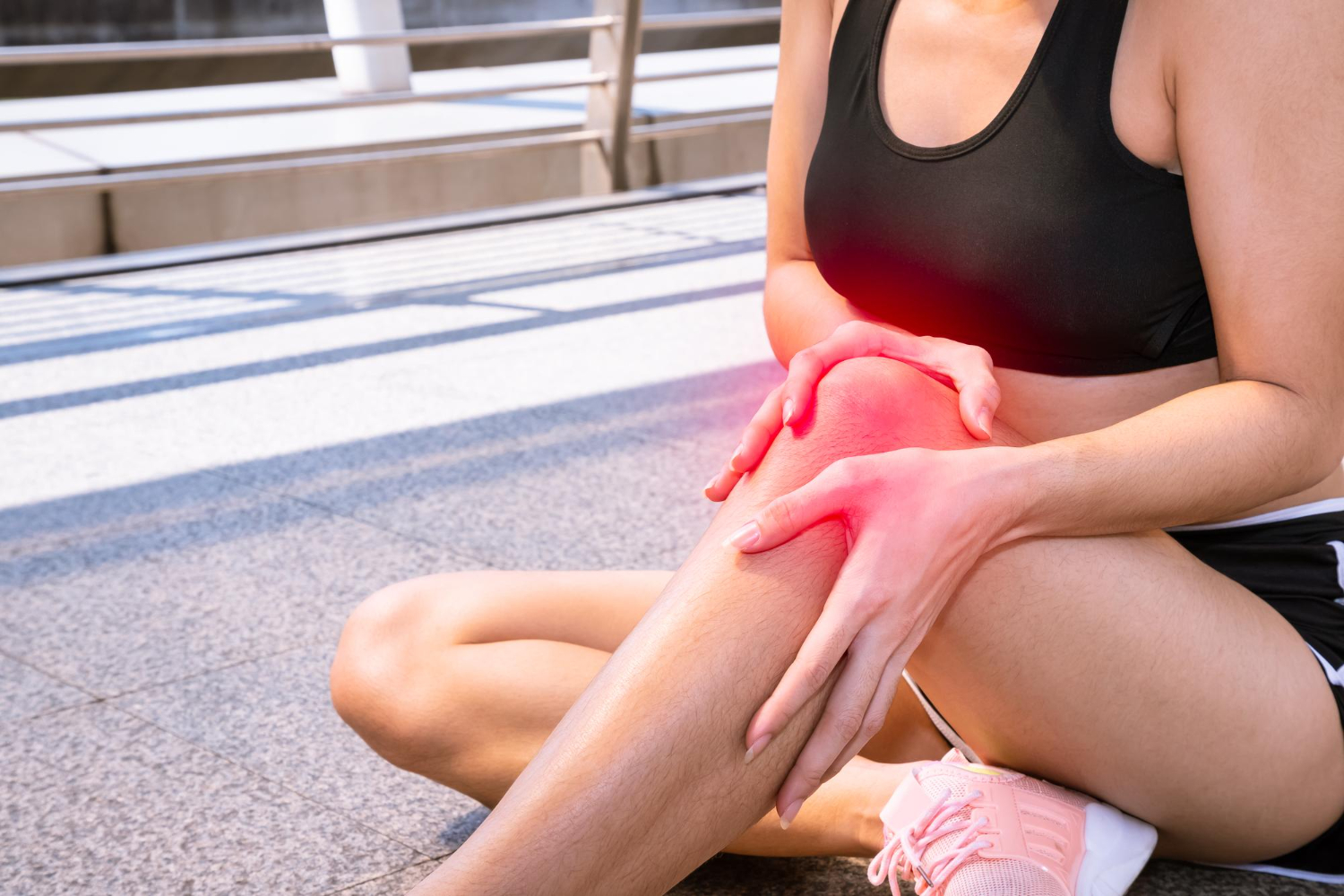
ACL injuries can significantly affect an individual’s mobility, performance, and ability to return to sport. Understanding the injury, recovery process, and role of structured rehabilitation can help individuals make informed decisions about their treatment and recovery.
ACL injuries are common in sports that involve rapid changes of direction, jumping, landing, and sudden deceleration. They can raise important concerns about rehabilitation, return-to-sport decisions, and the physical demands involved in recovering from a significant knee injury.
At Vitruvian – Italian Physiotherapy Center, ACL Injury Treatment Dubai focuses on understanding the injury, restoring knee function, rebuilding strength, and progressing toward a safe return to activity. This blog explains why ACL injuries can occur, what recovery may involve, and how structured physiotherapy can support rehabilitation and return to play.
Soccer and the ACL: A Perfect Storm for Serious Injuries
Despite increased awareness and the use of injury-prevention strategies, ACL injuries can still occur in soccer. Contact and non-contact movements can contribute to ACL injuries, particularly during sudden directional changes or awkward landings.
Soccer players can experience various lower-extremity injuries, particularly involving the knee and ankle. An anterior cruciate ligament (ACL) injury can be a significant knee injury, especially when it affects stability and an individual’s ability to participate in sports.
ACL injuries can occur even when appropriate training, injury-prevention strategies, and medical support are available. This highlights that some ACL injuries, particularly non-contact injuries associated with rapid turning, landing, or deceleration, may be difficult to prevent completely.
Long-Term Effects of ACL Injury
While many individuals recover from ACL injuries and return to sport, the effects can extend beyond the initial recovery period. Individuals who sustain ACL injuries may have an increased risk of developing knee osteoarthritis later in life, which can affect joint function and quality of life. They may also have an increased risk of subsequent knee injuries, while some individuals may experience limitations in their ability to return to their previous level of sporting activity.
These considerations highlight why recovery after an ACL injury should not be rushed or neglected. A structured rehabilitation program can help individuals progressively restore strength, mobility, knee stability, and function.
ACL Recovery and Return to Play
Returning to sport after an ACL injury requires a gradual and structured rehabilitation process, particularly when recovery follows treatment provided by an ACL Surgery Clinic. The timeline varies according to the severity of the injury, treatment approach, rehabilitation progress, and individual goals. Physiotherapy can focus on restoring range of motion, rebuilding strength, improving balance and knee stability, and progressively preparing the individual for sport-specific movements.
Understanding ACL Injury Severity: Tears vs. Ruptures
The severity of an ACL injury can significantly affect recovery and return-to-play timelines.
ACL Tears
An ACL rupture is a complete tear in which the ligament is fully disrupted. In a partial tear, some ligament fibers remain intact, although stability and function may be affected. ACL sprains are commonly classified into three grades:
- Grade 1 (mild sprain): Ligament fibers are injured, but the ACL remains intact. Pain and swelling may occur; however, knee stability is usually preserved.
- Grade 2 (partial tear): Some ligament fibers are torn, but the ACL is not completely disrupted. Pain, swelling, and some degree of instability may occur.
- Grade 3 (complete tear/rupture): This is the most severe sprain grade, with the ACL completely disrupted. The knee may become significantly unstable.
Grade 1 and some grade 2 injuries may sometimes be managed through non-surgical knee treatment Dubai, including activity modification, physiotherapy, and progressive rehabilitation rather than surgery, depending on the individual’s symptoms, knee stability, and activity goals. Grade 3 ruptures (complete tears) may lead individuals searching for ACL tear surgery Dubai to consider surgical treatment, particularly when the knee is unstable or the individual wishes to return to activities that involve high physical demands.
ACL Ruptures
An ACL rupture is a complete tear of the ligament. This corresponds to a Grade 3 complete tear. An ACL rupture may lead individuals searching for the best ACL surgery in Dubai to discuss surgical reconstruction using a graft from the patient’s own tissue or, in some cases, donor tissue (allograft), depending on individual circumstances. Treatment discussions may include options such as ACL repair Dubai or surgical reconstruction, depending on knee stability, associated injuries, activity level, and individual goals.
Individuals with complete ACL ruptures may require a lengthy, structured rehabilitation process that should progress according to their clinical recovery and functional goals.
The Timeline to Recovery: What Athletes Must Understand
ACL knee surgery recovery typically involves a gradual and structured process, particularly after surgical reconstruction. Return to competitive sports may take several months and is based on biological healing, rehabilitation progress, strength, knee stability, movement quality, and functional readiness rather than time alone.
Typical recovery times for common soccer injuries
- Hamstring Injury: Recovery may take several weeks, depending on the severity of the injury and the demands of returning to high-speed running.
- Meniscus Repair: Recovery may take several months. Because some areas of the meniscus have limited blood supply, healing can vary according to the location and severity of the injury.
- ACL Reconstruction: Recovery commonly takes several months and includes comprehensive rehabilitation before returning to competitive sports, with progression based on clinical and functional readiness rather than time alone.
- ACL and meniscus combined injury: When both structures are injured, rehabilitation may be more complex, and recovery may take longer depending on the severity of each injury and the treatment performed.
Why Athletes Return Too Early and Why They Shouldn’t
Individuals may feel pressure to return to sport as soon as possible. Personal goals, training demands, competition schedules, and concerns about lost activity can create a sense of urgency. A common question during rehabilitation is, “When can you run after ACL surgery?” Running should be introduced only after appropriate strength, stability, movement, and functional criteria have been met.
Reinjury may result in further ligament damage, injury to other knee structures, or movement changes that may contribute to ongoing instability.
After ACL reconstruction, the ligament graft goes through specific stages of healing and remodeling. The neuromuscular system must be retrained to maintain dynamic stability. Psychological readiness and confidence should also be considered before returning to sport. Skipping important rehabilitation steps may increase the risk of reinjury and may affect an individual’s ability to return safely to previous activities.
The Critical Role of Physiotherapy in ACL Recovery
For individuals considering ACL reconstruction surgery Dubai, a structured rehabilitation process is an important part of recovery. Progressive physiotherapy plays an important role in restoring movement, strength, stability, and function. An individualized ACL rehabilitation program may include:
Phases of Post-Operative Rehabilitation
- Early Rehabilitation (Weeks 1-2): The physiotherapist may focus on protecting the surgical area when applicable, managing swelling and discomfort, and introducing appropriate range-of-motion and activation exercises according to clinical guidance.
- Progressive Rehabilitation (Weeks 3-6): The physiotherapist may progress movement, introduce quadriceps and hamstring activation, gradually increase weight-bearing when appropriate, and continue monitoring swelling.
- Weeks 7-12 (Progressive Strengthening): Rehabilitation may progress to closed-chain exercises, dynamic balance training, and sport-specific movement patterns when appropriate.
- Months 4-6 (Advanced Strengthening and Functional Training): Rehabilitation may progress to advanced strengthening, single-leg control, plyometric exercises, and functional movement training when appropriate.
- Months 7-12 (Return-to-Sport Training): Later-stage rehabilitation may include sport-specific exercises, agility training, multidirectional movements, and a gradual return to sport once appropriate clinical and functional criteria have been met.
Key Components of Effective ACL Rehabilitation
- Individualized assessment and rehabilitation programming suited to the specific injury, patient goals, and sporting demands.
- Physiotherapists may use progressive resistance exercises to help rebuild muscular strength, especially in the quadriceps and hamstrings.
- Proprioceptive retraining can improve the body’s awareness of knee position and movement.
- Balance and stability training, including dynamic and single-leg exercises, can help improve knee control.
- Sport-specific training that simulates the demands of the individual’s activity, including acceleration, deceleration, pivoting, and directional changes.
- Return-to-sport testing using objective measures of strength, hopping ability, and agility can help assess readiness.
- Psychological and emotional support can address fear of reinjury, confidence, and psychological readiness during rehabilitation.
Key Lessons from ACL Injuries
ACL injuries highlight several important principles that apply to athletes and active individuals during rehabilitation.
- Recovery cannot be rushed: No shortcut can replace the biological healing process. Following the appropriate stages of rehabilitation allows the knee to regain strength, stability, and function progressively.
- Returning too soon may increase risk: Returning to demanding activities before completing the necessary rehabilitation may increase the risk of re-injury and may affect other structures around the knee.
- Physiotherapy is an important part of recovery: When ACL reconstruction is required, surgery addresses ligament instability, while structured physiotherapy helps restore mobility, strength, balance, coordination, and confidence for a gradual return to activity.
How Vitruvian – Italian Physiotherapy Center Can Guide Your ACL Recovery
Whether you’re recovering from ACL surgery after treatment at an ACL Surgery Clinic in Dubai, managing a partial ACL injury, or working to reduce your risk of future ACL injury, Vitruvian – Italian Physiotherapy Center can provide individualized physiotherapy and rehabilitation based on your condition and goals.
Vitruvian – Italian Physiotherapy Center provides:
- Post-operative ACL reconstruction rehabilitation programs with specific milestones and objective progression criteria.
- Sport-specific training to prepare you for the physical demands of your preferred activity or sport.
- Proprioceptive and balance retraining to improve knee control, coordination, and stability.
- Return-to-sport testing using objective measures to assess readiness for a gradual return to physical activity.
- ACL injury prevention programs designed to help reduce the risk of future injury.
- A comprehensive approach that addresses the knee, hips, ankles, core, and overall movement patterns.
- Ongoing rehabilitation support and education throughout the recovery process, from the early post-operative stage to return to activity.
The Bottom Line
ACL injuries are serious, and recovery requires patience, structured rehabilitation, and appropriate progression. Even active individuals who are highly motivated to return to sport must allow sufficient time for healing and rehabilitation. A gradual approach can help restore knee strength, stability, coordination, and confidence before returning to demanding activities.
With appropriate treatment and structured physiotherapy, many people can make meaningful progress toward recovery. Depending on the injury and individual circumstances, treatment may involve non-surgical management or ACL reconstruction followed by rehabilitation.
If you have an ACL injury or would like to explore injury prevention strategies, contact Vitruvian – Italian Physiotherapy Center in Dubai to discuss an appropriate physiotherapy and rehabilitation plan.
Vitruvian – Italian Physiotherapy Center provides physiotherapy and sports rehabilitation in Dubai, with services including therapeutic strengthening, exercise therapy, injury prevention, biomechanical analysis, screening, and return-to-sport rehabilitation.
Disclaimer: This blog provides information for educational purposes only and does not offer medical advice. Consult a qualified healthcare professional about your specific injury, treatment options, recovery timeline, and return-to-sport decisions.
Contact Vitruvian – Italian Physiotherapy Center in Dubai to arrange an assessment and discuss your ACL rehabilitation plan.
https://www.perplexity.ai/search/bb3e7497-83b0-413d-9867-39601951c193
FAQs
When can I start walking after an ACL injury?
Walking after an ACL injury is determined by its severity, accompanying damage, pain level, and whether surgery was undertaken. Some people can start bearing weight right away, while others may need crutches for a period of time. A rehabilitation specialist can suggest appropriate progression depending on knee stability, swelling, strength, and overall healing.
What exercises are important during ACL rehabilitation?
ACL rehabilitation normally consists of exercises aimed at restoring mobility, reducing swelling, rebuilding strength, and improving balance. Early exercises may emphasize controlled movement and muscular activation, followed by progressive strengthening and functional drills. Later stages may incorporate jumping, landing, agility, and sport-specific movements as appropriate.
How do I know when I am ready to return to sports?
Returning to sports should be based on functional readiness rather than time alone. Before resuming competitive activity, you may require adequate knee strength, stability, movement control, confidence, and performance during sport-specific testing. Your rehabilitation team can assess these factors and determine whether your knee is prepared for increasing physical demands.
Can an ACL injury be prevented from happening again?
Although no preventive strategy eliminates ACL injury risk completely, structured training can help reduce it. Lower-body strength, balance, coordination, proper landing mechanics, and controlled changes of direction are common components of prevention programs. Maintaining appropriate conditioning after returning to sports may also help support knee function and reduce the risk of future injuries.