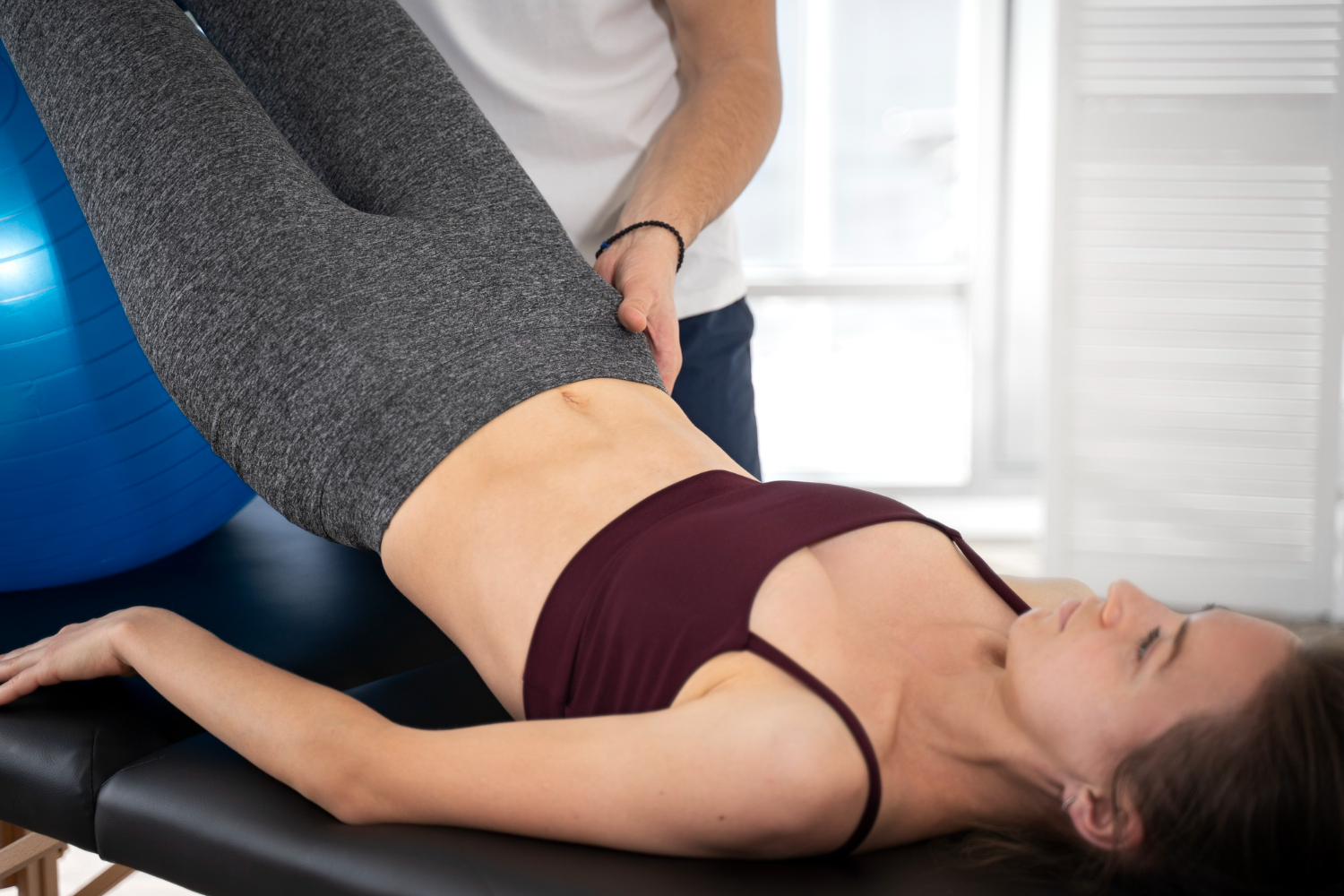
Pelvic floor physiotherapy is becoming an important part of physiotherapy care, as many people experience pelvic floor concerns without knowing that evidence-based, non-surgical treatment options are available. This option involves physiotherapy, which provides an organized approach to healing. Patients looking for Pelvic floor rehabilitation Dubai may benefit from personalized physiotherapy approaches designed around their specific concerns.
This blog may be useful if you are experiencing pelvic discomfort, incontinence, or pelvic floor muscle dysfunction. Vitruvian – Italian Physiotherapy Center provides pelvic floor physiotherapy Dubai focused on improving pelvic muscle function and supporting overall well-being.
What Is the Function of the Pelvic Floor
The pelvic floor is often overlooked in health discussions, but it plays an important role in our daily lives. However, many people don’t fully understand what the pelvic floor does until something goes wrong.
This collection of muscles in both men and women helps to support important pelvic organs, maintain continence, and contribute to sexual health and general stability. Understanding pelvic floor function is especially important because pelvic floor concerns can affect people of all ages and lifestyles.
Research shows that pelvic floor disorders are common among women, although these concerns can also affect men. While pelvic floor disorders are more commonly reported in women, they can also affect men, particularly those experiencing pelvic pain or recovering after prostate-related procedures. Both greatly benefit from pelvic floor rehabilitation.
Pelvic Floor Function
The pelvic floor is composed of muscles located at the bottom of the pelvis. They help hold up vital internal organs, including the bladder, colon, and, in women, the uterus. The pelvic floor muscles control urination, bowel movements, and sexual activity. To work properly, they require strength, flexibility, and coordination, much like all other muscles in the body.
A strong and healthy pelvic floor promotes good posture, core stability, and breathing. It also helps to regulate intra-abdominal pressure during actions such as lifting, coughing, and sneezing.
Pelvic Floor Dysfunction
Pelvic floor dysfunction occurs when the muscles are too weak, excessively tight, or do not act together. This can result in difficulties like the following:
- Urine incontinence
- Pelvic organ prolapse
- Pelvic ache
- Constipation or straining during bowel movements
- Sexual dysfunction
- Lower back or tailbone discomfort.
Many people suffering from pelvic floor muscle dysfunction are unaware of what is going on in their pelvis until symptoms interfere with their daily lives. A personalized pelvic floor treatment Dubai plan can help address these concerns through targeted physiotherapy techniques.
Causes of Pelvic Floor Disorders
Pelvic floor problems can result from a variety of factors. Common reasons include:
- Pregnancy and Childbirth
- Surgery in the pelvic area
- Aging and Menopause
- Obesity
- Chronic constipation
- High-impact exercises or heavy lifting
- Trauma or damage (e.g., tailbone)
- Persistent coughing
- Poor posture and weak core muscles
- Psychological distress or trauma
Men may develop pelvic floor dysfunction following prostate-related procedures or due to persistent pelvic discomfort. Following childbirth, women may experience complications such as organ prolapse or urine incontinence. These concerns may require Pelvic floor dysfunction treatment Dubai based on individual symptoms and assessment findings.
How Do You Know Whether You Need Pelvic Floor Therapy
If you have the following symptoms, pelvic floor physiotherapy may help:
- Leaking urine while coughing, sneezing, or exercising
- Difficulty controlling bowel movements
- Pelvic pain and discomfort during normal activities
- Pain during sexual intercourse
- A sensation of heaviness or pressure in the pelvis.
- Incomplete bowel or bladder emptying
- Erectile dysfunction.
At Vitruvian – Italian Physiotherapy Center, physiotherapists can assess symptoms and develop a personalized treatment plan based on individual needs. Patients experiencing these concerns may benefit from pelvic floor therapy Dubai designed according to their individual condition.
Does Pelvic Floor Therapy Work
Pelvic floor therapy may help improve muscle function, reduce symptoms, and support overall quality of life. It is an important part of pelvic floor rehabilitation, with research supporting its role in managing related concerns.
How Soon Can You See Results
The severity of the pelvic floor issues and your commitment to treatment can influence the outcome. Many patients may notice improvements in their pelvic floor function with consistent pelvic floor physiotherapy, while the overall recovery timeframe varies depending on individual conditions.
The exact timeframe varies depending on the patient, the severity of the condition, and how consistently they adhere to the prescribed exercises and treatment regimen.
How Physiotherapy Helps (Benefits)
Vitruvian – Italian Physiotherapy Center provides personalized pelvic floor physiotherapy approaches that aim to strengthen and relax the pelvic floor muscles according to each patient’s needs. A holistic approach assists patients in better understanding their bodies and managing their symptoms effectively.
Vitruvian – Italian Physiotherapy Center focuses on pelvic health physiotherapy Dubai by combining assessment, education, and personalized rehabilitation strategies to support patients with different pelvic floor concerns.
Pelvic Floor Physical Therapy for Women
Women frequently seek pelvic floor physiotherapy for pregnancy-related difficulties, organ prolapse, or discomfort after childbirth. Physiotherapists can help patients retrain their pelvic floor muscles, relieve discomfort, and improve muscular tone.
Women experiencing pregnancy- or childbirth-related pelvic concerns may benefit from Women’s pelvic floor rehab Dubai programs designed to support recovery and improve pelvic function.
Pelvic Floor Physical Therapy for Men
Pelvic floor physical therapy can help men with urinary issues, chronic pelvic pain, and erectile dysfunction. Therapists frequently work to improve pelvic floor muscle awareness, control, and coordination.
What Happens During Pelvic Floor Physical Therapy
A first evaluation often consists of inquiries about your medical history, bowel and bladder habits, and pelvic complaints. An internal examination to assess pelvic floor muscle strength and tension may be performed if the patient is comfortable and provides consent.
Patients can consult a pelvic physiotherapist Dubai professional for a detailed assessment to understand symptoms and develop an appropriate rehabilitation plan.
Pelvic Floor Exercises
Tailored pelvic floor exercises (also known as Kegel exercises) teach patients how to contract and relax the pelvic floor muscles properly. These exercises can be performed lying down, sitting, or standing, depending on your capacity.
Strengthening the Core
A strong core supports the pelvic floor. A therapist may prescribe exercises that work the deep abdominal muscles and stabilize the pelvis, improving overall posture and control.
Managing Incontinence
Pelvic floor therapy for urinary incontinence may include bladder training, pelvic floor exercises, and education on correct voiding techniques.
Patients experiencing bladder control concerns may benefit from Pelvic floor therapy for incontinence Dubai as part of a personalized physiotherapy program.
Addressing Diastasis Recti
Postpartum women may experience pelvic floor problems as a result of abdominal muscle separation (diastasis recti). Therapy helps to restore core alignment and muscle balance.
Following childbirth, some women may benefit from postpartum pelvic floor therapy Dubai to support pelvic recovery and improve muscle coordination.
Risks and Potential Side Effects
Some people who receive pelvic floor physiotherapy may experience temporary soreness or discomfort following manual therapy or internal assessment. Patients should communicate openly with their therapist so that treatment can be adjusted as needed.
How Long Does Pelvic Floor Physiotherapy Take?
Many patients benefit from regular physiotherapy sessions, with the duration depending on the severity of symptoms and individual recovery needs. Follow-up evaluations monitor progress and assist in making any adjustments to the treatment plan. Long-term success is frequently contingent on at-home workout regularity and lifestyle adjustments.
Home Care Tips for Pelvic Floor Health
Along with professional sessions, home care is essential. Tips include:
- Performing prescribed pelvic floor exercises daily
- Maintaining excellent toilet habits (without straining)
- Staying active through pelvic-friendly movements
- Using digital tools, such as pelvic floor training applications
- Staying hydrated and consuming a fiber-rich diet
- Reducing habits that stress the pelvic floor, such as heavy lifting or prolonged sitting
Conclusion
Pelvic floor physiotherapy is a practical and efficient treatment option for those suffering from pelvic floor issues. A trained therapist can help patients recover with a personalized plan and management strategies. If you suspect pelvic floor muscle dysfunction, do not dismiss the symptoms. Patients experiencing pelvic floor concerns can consult Vitruvian – Italian Physiotherapy Center for personalized physiotherapy support and rehabilitation guidance. Those looking for high-quality care may explore the best pelvic floor physiotherapy in Dubai through an individualized treatment approach.
https://www.perplexity.ai/search/36a1dd1a-ee64-473e-8dd7-7419419d4ecd
FAQs
What happens during the first pelvic floor physiotherapy appointment?
Your initial appointment will include a thorough discussion of your symptoms, medical history, lifestyle, and treatment goals. Before designing a personalized rehabilitation program, the physiotherapist assesses posture, respiration, core stability, and pelvic muscle function. Every assessment is performed professionally, with patient comfort, privacy, and informed consent being the top priorities throughout the visit.
How many pelvic floor physiotherapy sessions are usually needed?
The number of sessions required is determined on your condition, symptom intensity, and consistency with your home exercise regimen. Some people experience improvement after just a few visits, while others require ongoing rehabilitation over several weeks. Regular follow-up appointments allow you to monitor your progress and adjust your treatment plan to get the best results possible.
Can pelvic floor physiotherapy help after childbirth?
Yes, pelvic floor physiotherapy is frequently suggested after childbirth to help rebuild muscle strength, enhance bladder control, alleviate pelvic pain, and promote overall healing. Gentle exercises, education, and mobility methods help new moms safely restore pelvic stability and confidence while gradually returning to regular daily activities.
Are pelvic floor exercises safe to perform at home?
Home workouts are safe when suggested by a licensed physiotherapist following a thorough examination. Incorrect exercises or technique may cause symptoms to worsen or delay recovery. Following individualized instructions, practicing consistently, and attending follow-up visits ensures that exercises are effective, safe, and appropriate as your condition improves over time.