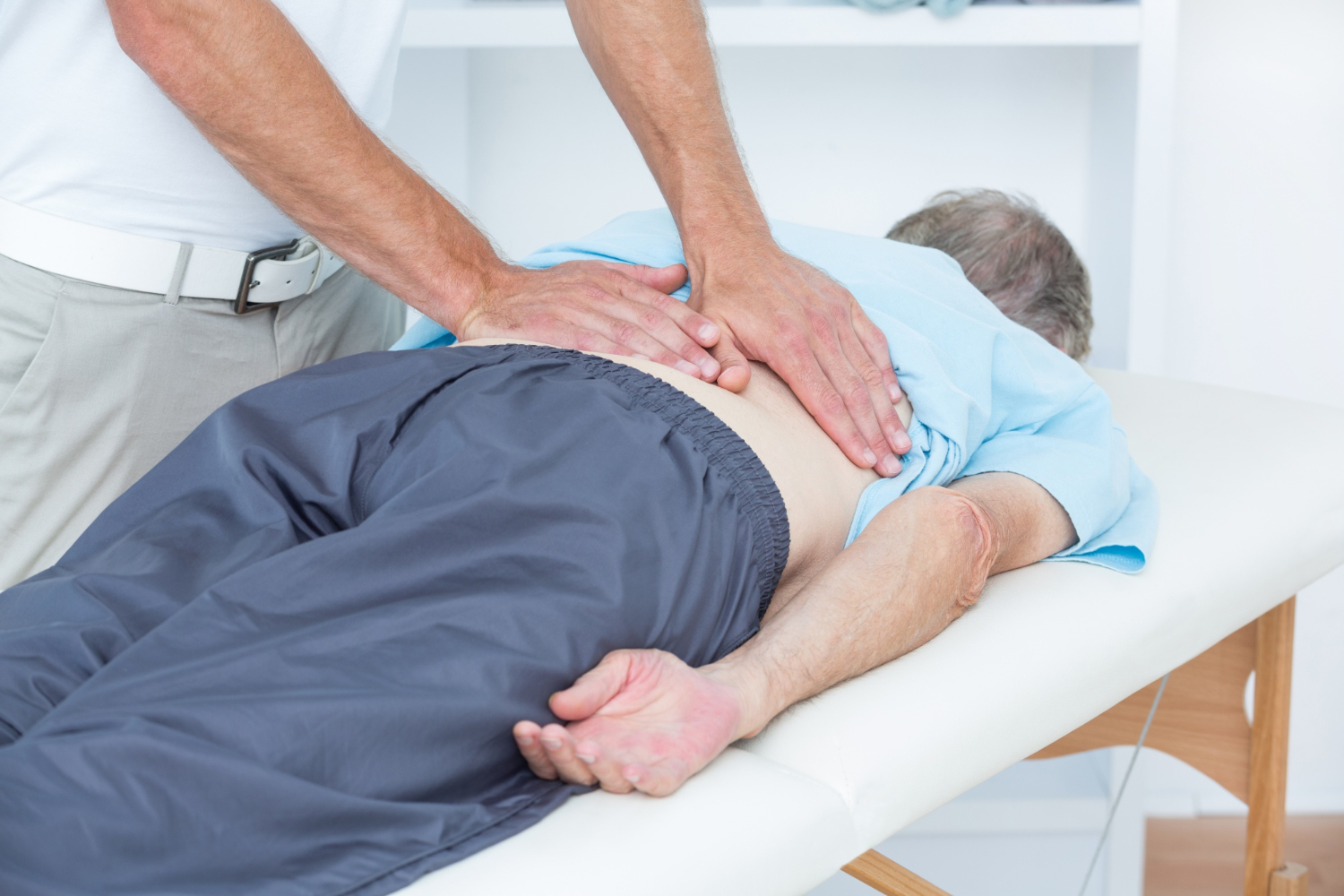
Sciatica is a symptom that can cause pain along the back of the leg due to irritation or compression of the sciatic nerve. Many cases of sciatica improve with time and appropriate physiotherapy management, with most patients recovering without requiring surgery. Individuals seeking sciatica pain relief in Dubai may benefit from early physiotherapy assessment and management. Here’s how sciatica develops and how sciatica treatment Dubai can help manage symptoms through personalized physiotherapy.
What is sciatica?
Sciatica is not a standalone diagnosis. It’s a symptom. It means pain radiating along the course of the sciatic nerve, from the lower back or buttock down the leg. It occurs when a nerve root in the lower back becomes irritated or compressed. Even if the source is in the spine, the pain in your leg comes from an irritated nerve. Individuals seeking Lower back pain and sciatica treatment Dubai may benefit from individualized physiotherapy focused on identifying the source of symptoms and supporting recovery.
What causes it
The most common cause is a disc-related issue, in which the soft inner material of a spinal disc bulges or herniates, irritating a surrounding nerve root. Spinal stenosis, or narrowing of the spaces through which nerves pass, is a common cause of pain in older individuals. Tightness of the muscles around the buttock area may also contribute, although it is less common. Identifying which of these is causing your symptoms is an important element of the assessment since it helps determine the physiotherapy treatment plan. In cases involving nerve compression, an individualized pinched nerve treatment Dubai approach may be considered when clinically appropriate.
The symptoms to recognise
Sciatica often follows a specific symptom pattern. Leg pain is frequently more severe than back pain, and it usually follows a straight line down the leg rather than being vague and dispersed. Along with the discomfort, individuals commonly experience pins and needles, numbness, or a sense of weakness in their leg or foot. Certain positions, such as extended sitting or bending, can cause symptoms to flare up, while others are more comfortable. Physiotherapy may support sciatic nerve pain treatment Dubai through improved movement and reduced symptom aggravation.
The Good News about Recovery
Understanding the recovery process can help patients feel more confident during rehabilitation. The majority of sciatica cases improve with time. A considerable proportion improves within a few weeks, and many cases improve within 6-12 weeks. Even the most difficult cases normally improve with time, with just a tiny percentage requiring surgical intervention. Understanding that recovery is common with appropriate management is extremely beneficial, since anxiety and excessive fear or worry about pain may worsen symptoms. Individuals with persistent symptoms may require a personalized approach for chronic sciatica relief Dubai based on clinical assessment.
How physiotherapy helps
Physiotherapy does not directly repair nerve damage but can support recovery by improving mobility and managing symptoms. Treatment often includes several strands working together. First, a comprehensive examination to assess sciatica symptoms, determine the likely cause, and identify any findings that require further medical evaluation. A Sciatica specialist Dubai may then develop a personalized physiotherapy plan based on the assessment findings.
Hands-on therapy, followed by specific movement and nerve-mobilizing exercises, may help reduce symptoms and restore comfortable mobility.
The most crucial message, and the clearest proof, is to keep moving. Prolonged rest may worsen sciatica symptoms. Staying gently active within your limitations, under the guidance of a physiotherapy professional who can recommend safe activities, may support recovery. Over time, the exercise strategy can help strengthen the hips, core, and trunk, providing better support for the spine and making the condition less likely to recur. Clear education is just as important for understanding what is going on and building confidence in movement.
Red flags: when to seek urgent care
Sciatica is rarely serious, but there is one true emergency everyone should know about. If you get any of the following symptoms, which might signal a rare condition known as cauda equina syndrome, seek urgent medical attention.
- You lose control of your bladder or bowels.
- Numbness or change in feeling in the saddle area (groin, buttocks, and inner thighs).
- Weakness or numbness develops in both legs.
- Rapidly deteriorating weakness in a leg or foot.
These are infrequent, and the purpose of discussing them is not to concern you, but to ensure that if they occur, you seek prompt medical care rather than scheduling a physiotherapy appointment for the following week. Individuals experiencing these symptoms may require severe sciatica pain management Dubai along with immediate medical evaluation.
When are scans or surgery needed?
Most individuals do not require either scans or surgery. Scans are typically only useful if symptoms are severe, not improving as expected, or if a surgical procedure is being considered, because disc bulges appear on scans of many pain-free individuals. Surgery may be considered for the small number of patients whose symptoms are severe and chronic and do not respond well to conservative treatment or who have considerable nerve compression. If you reach that stage, your physiotherapist may recommend referral to a sciatica doctor Dubai for further medical evaluation if needed.
If you are experiencing sciatica symptoms in Dubai, schedule an appointment with Vitruvian – Italian Physiotherapy Center for a personalized physiotherapy assessment and treatment plan. Patients looking for the best sciatica treatment in Dubai may benefit from an individualized rehabilitation program designed around their specific symptoms and recovery goals.
https://chatgpt.com/share/6aa85d99-f64c-83eb-9423-d3370b6c2e8e
FAQs
Should I rest or stay active with sciatica?
Maintain your level of activity while being comfortable. Prolonged bed rest is more likely to aggravate sciatica rather than relieve it. Gentle, guided movement and particular exercises can help manage nerve-related symptoms and support recovery, which is why physiotherapy focuses on keeping you moving rather than resting.
Can physiotherapy cure sciatica?
Physiotherapy does not directly repair the affected nerve, but it may help reduce pain, improve mobility, restore strength, and support recovery for many individuals. Treatment consists of an examination, hands-on approaches, specialized exercises, and explicit instructions on how to manage on a daily basis.
When is sciatica an emergency?
If you experience bladder or bowel control loss, numbness in the saddle area (groin and inner thighs), or weakness in both legs, seek urgent medical attention immediately. These might be symptoms of cauda equina syndrome, which is an uncommon but serious medical condition that requires immediate attention.
What activities should I avoid if I have sciatica?
Avoid activities that aggravate your symptoms, such as heavy lifting, repetitive bending, extended sitting, or rapid twisting movements. These can put strain on the sciatic nerve, which may delay recovery. A physiotherapist can suggest safer movement patterns and exercises to preserve your spine while keeping you active throughout recovery.
Can walking help relieve sciatica pain?
Yes, gentle walking may help improve circulation, decrease stiffness, and promote recovery. Short, pleasant walks are typically more useful than being sedentary for extended durations. If walking causes discomfort, a physiotherapist can adapt your activity plan and propose activities that are more appropriate for your situation.
How does a physiotherapist diagnose sciatica?
A physiotherapist will assess your symptoms, posture, spinal mobility, muscular strength, reflexes, and nerve function. They may also perform movement and mobility assessments to determine the source of nerve discomfort. This thorough examination aids in the development of a specific treatment plan that addresses the underlying cause rather than simply treating discomfort.
Can sciatica come back after treatment?
Sciatica may recur if the underlying cause is not treated or if poor posture, weak core muscles, or inappropriate lifting habits persist. Physiotherapy reduces the likelihood of recurrence by increasing flexibility, strengthening supporting muscles, correcting movement patterns, and teaching you how to preserve your spine during normal activities.
When should I seek physiotherapy for sciatica?
If your leg discomfort, numbness, or tingling lasts longer than a few days, interferes with your everyday activities, or recurs, you should seek physiotherapy. Early physiotherapy may help improve mobility, manage discomfort, and reduce the risk of persistent nerve-related symptoms.