Find Out How Physiotherapy Can Help Alleviate Tennis Elbow Symptoms
Are you struggling with tennis elbow symptoms?
Tennis elbow, also known as lateral epicondylitis, is a common condition that causes pain in the outside area of the elbow. It is essentially an overload injury in which the tendons are subjected to more stress than they can tolerate.
Physiotherapy can help manage tennis elbow symptoms and support recovery. This blog explores Tennis Elbow Treatment Dubai and physiotherapy techniques that can support rehabilitation while helping reduce the risk of recurrence.
Understanding Tennis Elbow
Tennis elbow is caused by overuse of the forearm muscles and tendons, resulting in small areas of tendon damage and irritation. Symptoms usually include soreness and tenderness on the outside of the elbow, which may spread down the forearm and increase during gripping or lifting activities. Individuals seeking Tennis Elbow Pain Relief Dubai may benefit from an individualized physiotherapy assessment to determine the most appropriate treatment approach.
The Role of Physiotherapy
Physiotherapy is a non-invasive rehabilitation approach that focuses on rehabilitating the damaged area using a variety of techniques. A tennis elbow specialist Dubai can recommend different physiotherapy techniques based on symptom severity and functional limitations. Here are several important physiotherapy techniques for tennis elbow:
1. Education and Activity Modification
One of the first tasks in physiotherapy is to educate patients about their condition. Understanding the causes and symptoms allows patients to modify their daily activities to avoid aggravating the condition. This might include adjusting grip methods or taking breaks from repetitive activities.
2. Manual Therapy
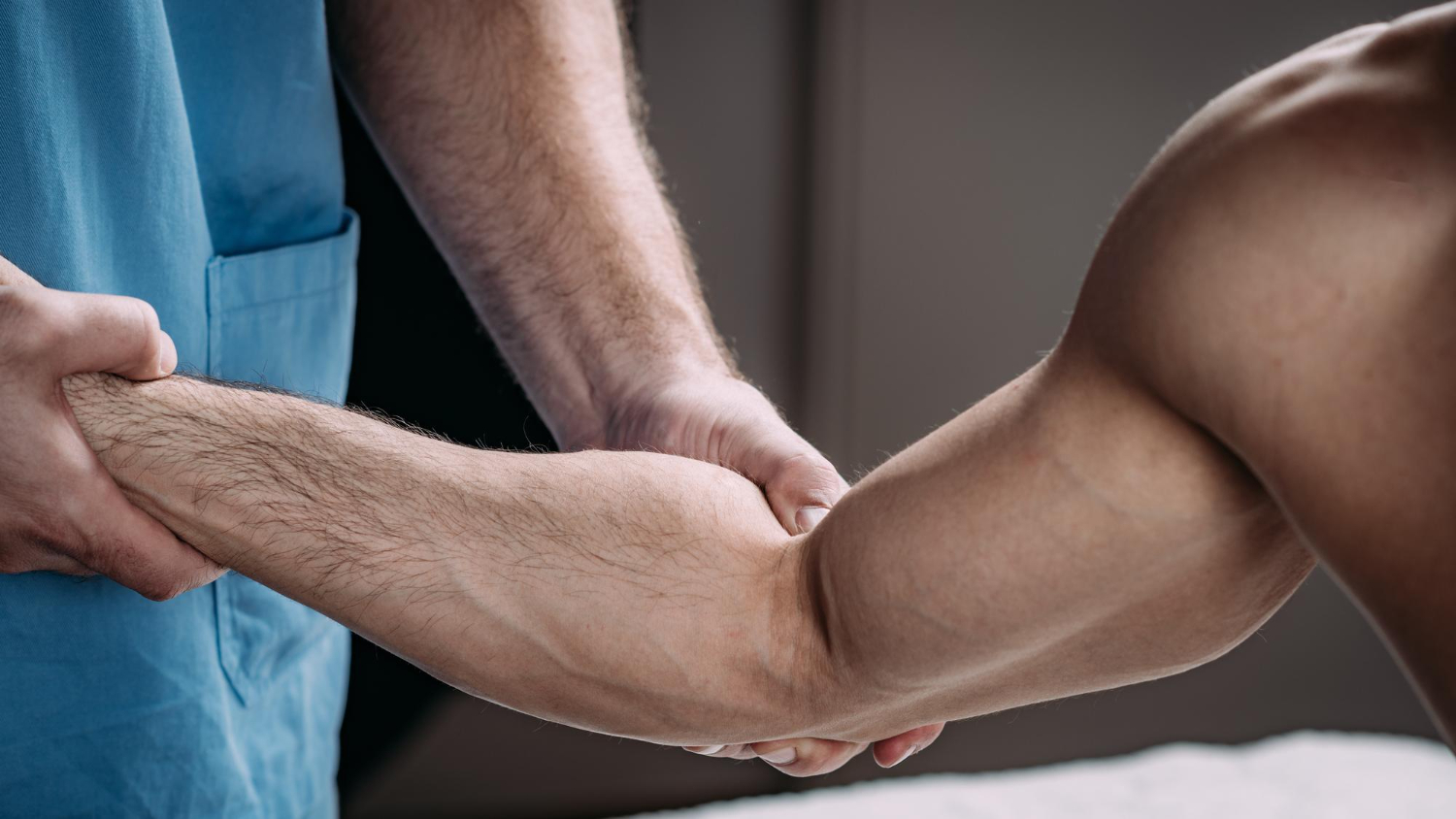
Manual therapy procedures, such as soft tissue mobilization and joint mobilization, may help reduce pain and improve joint mobility. These approaches involve the physiotherapist applying manual techniques to the muscles and joints surrounding the elbow. As part of Elbow Pain Treatment Dubai, manual therapy may be combined with other physiotherapy techniques to improve comfort and function.
Manual therapy combined with exercise therapy may help improve pain and upper limb function.
3. Strengthening Exercises
A personalized exercise program is critical for recovery. Tennis elbow therapy Dubai often includes strengthening programs designed to improve muscle endurance, stability, and upper limb function. Gradually strengthening the extensor muscles can help reduce elbow discomfort. The program may include eccentric-focused exercises for the wrist extensors, along with strengthening exercises for the shoulder and upper back.
4. Therapeutic Modalities
Physiotherapists may use shockwave therapy for persistent tennis elbow problems that have lasted for more than 3 months. Patients exploring chronic tennis elbow cure Dubai may benefit from a comprehensive physiotherapy assessment to determine whether shockwave therapy is appropriate for their condition.
- Shockwave therapy uses acoustic waves and may help reduce pain while supporting the body’s natural healing response.
- A physiotherapist may use shockwave therapy to help improve local circulation and support the recovery process.
- Shockwave therapy may support the body’s natural tissue repair processes. This treatment may support collagen production, which plays an important role in tendon recovery.
- Some patients may experience improved elbow mobility and elbow function following treatment.
5. Taping & Bracing
Taping and elbow braces may help reduce elbow strain by reducing stress on the affected muscles and tendons during activity. Physiotherapists can advise on the most appropriate tape or brace and how to apply it correctly.
Conclusion
Tennis elbow may be a challenging condition, but physiotherapy may help manage symptoms and support recovery. Patients looking for the best tennis elbow treatment in Dubai may benefit from a personalized rehabilitation plan based on their individual needs.
Patients may improve function and reduce the risk of recurrence by combining education, manual therapy, focused exercises, and therapeutic modalities. If you are experiencing tennis elbow issues, Vitruvian – Italian Physiotherapy Center provides personalized rehabilitation support through a Tennis Elbow Rehab Center Dubai approach designed to improve mobility and recovery.
https://chatgpt.com/share/6aa85ac9-48b4-83eb-9089-c6a1b89510de
FAQs
How long does it take to recover from tennis elbow with physiotherapy?
Recovery is determined by the severity of the condition and your commitment to following your treatment plan. Mild cases may improve within a few weeks, although chronic cases may need many months of supervised therapy. Regularly performing recommended exercises and avoiding activities that strain the tendon can help with long-term rehabilitation.
What physiotherapy treatments are commonly used for tennis elbow?
To help manage tennis elbow, physiotherapists may use a combination of stretching, strengthening exercises, manual therapy, soft tissue treatments, and progressive loading programs. They also provide tips on posture, movement patterns, and ergonomic changes. This comprehensive approach may help reduce pain, improve arm function, and lower the risk of recurrence.
Should I stop exercising if I have tennis elbow?
Not necessarily. Complete rest is not usually recommended since it might slow the recovery process. Instead, your physiotherapist may recommend decreasing activities that cause discomfort while also introducing controlled exercises to strengthen the afflicted tendon. Gradually increasing activity levels helps the elbow recover while also helping to maintain flexibility, mobility, and general upper-limb functionality.
Can physiotherapy help prevent tennis elbow from returning?
Physiotherapy helps address contributing factors for tennis elbow by increasing muscular strength, tendon capacity, flexibility, and movement mechanics. Patients are also taught optimal lifting technique, warm-up regimens, and ergonomic tactics for work or sports. These preventative actions help reduce excessive stress on the tendon and lessen the chance of recurrence.
When should I see a physiotherapist for tennis elbow?
If your elbow discomfort lasts longer than a few weeks, worsens while gripping or lifting, or interferes with your everyday activities, you should consult a physiotherapist. Early physiotherapy assessment may help identify contributing factors and support timely treatment.