Chronic pain is a complex condition that can significantly affect daily activities, mobility, and overall quality of life.
Chronic pain lasts for a long period and may continue even after the initial injury or condition has improved, unlike acute pain, which is usually related to a recent injury and improves as the body heals. This type of discomfort can interfere with everyday tasks and may affect emotional well-being.
Physiotherapy helps people with long-term (chronic) pain develop strategies to manage symptoms, improve activity levels, and enhance quality of life. Treatment approaches may include Craniosacral therapy Dubai as a physiotherapy technique when clinically appropriate to support relaxation, mobility, and symptom management. Depending on the individual’s condition and assessment, physiotherapy and craniosacral therapy may be used as complementary approaches within a personalized chronic pain management plan.
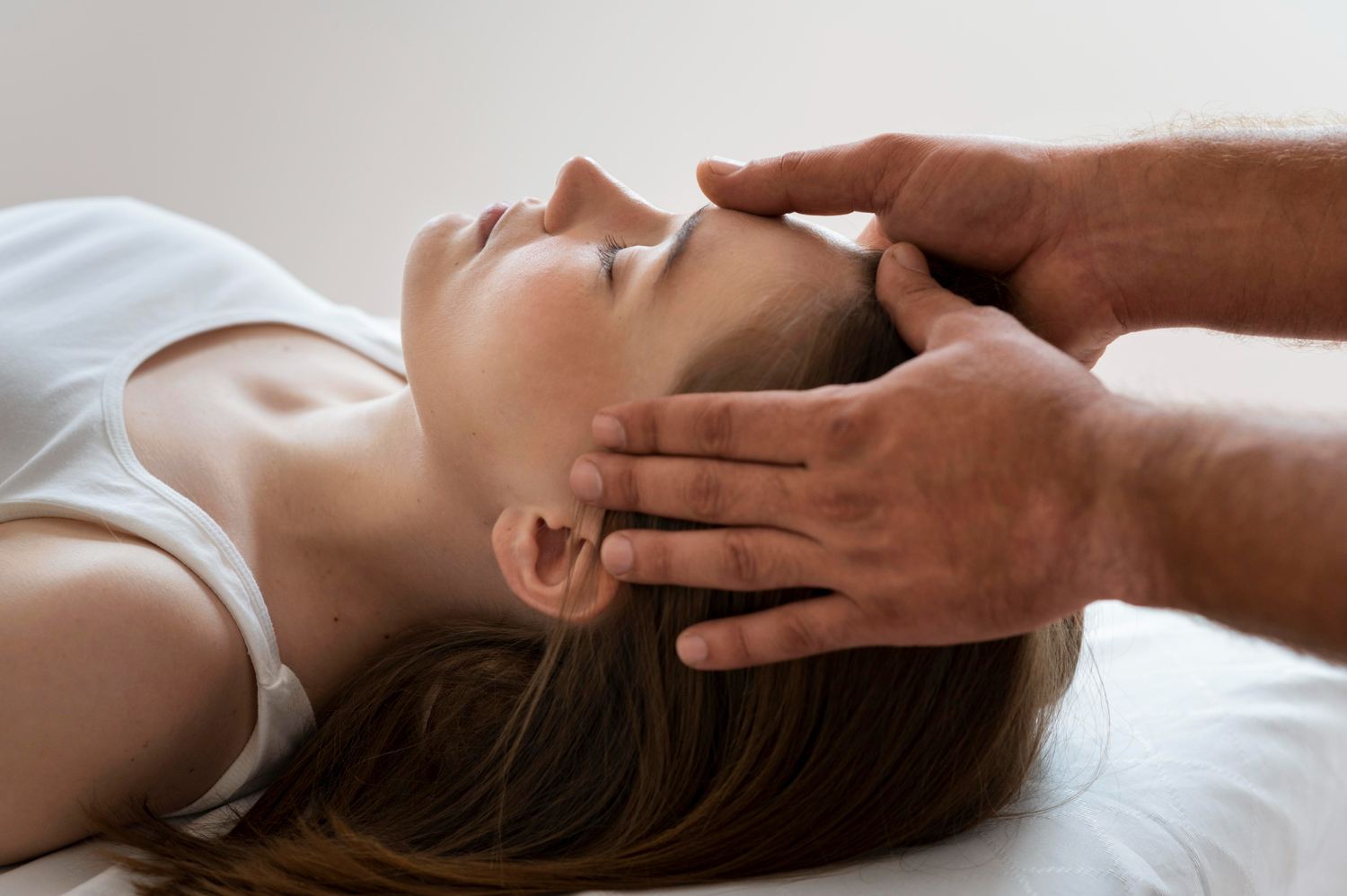
Craniosacral therapy is a gentle, hands-on approach that may be considered as part of chronic pain management for selected individuals. It emphasizes relaxation, body awareness, and gentle contact around areas such as the head, neck, and spine. When appropriate, it can complement physiotherapy strategies that focus on movement, strength, and physical function.
The Role of Physiotherapy in Chronic Pain Management
Physiotherapy is an essential component of chronic pain care. Vitruvian – Italian Physiotherapy Center provides personalized physiotherapy approaches designed around each patient’s specific needs.
This approach involves a tailored strategy that targets not just symptom management but also contributing factors.
Craniosacral therapy may also be considered within an individualized approach when appropriate. It uses gentle, hands-on techniques intended to encourage relaxation and reduce physical tension, which may complement other physiotherapy strategies for people experiencing persistent pain. This blog explores different aspects and techniques of physiotherapy and craniosacral therapy used to support chronic pain management.
Physiotherapy and Craniosacral Therapy – Comprehensive Assessment
Physiotherapists begin with a thorough examination that includes not just physical symptoms but also emotional, cognitive, and social components of the patient’s pain experience. This comprehensive approach helps create a clearer understanding of symptoms and supports a personalized treatment strategy. Key components of this examination include:
- Pain History: This step includes identifying the onset, duration, severity, and nature of symptoms.
- Physical examination: This involves evaluating mobility, strength, and flexibility.
- Functional assessment: This process involves determining how pain impacts daily activities and quality of life.
A qualified professional assessment may help determine whether services from a certified craniosacral therapist Dubai are suitable as part of an individualized physiotherapy plan. This assessment also helps determine whether craniosacral therapy is appropriate for the individual’s symptoms, treatment goals, and overall condition.
Physiotherapy and Craniosacral Therapy – Personalized Treatment Plans
The role of physiotherapy in addressing chronic pain is dynamic and patient-centered. It addresses the physical symptoms of pain while considering emotional and psychological factors that may influence the pain experience. Physiotherapy may help improve the quality of life of people experiencing chronic pain.
Physiotherapists create a treatment plan based on the evaluation results. When appropriate, craniosacral therapy may be incorporated alongside these interventions to complement the overall treatment plan and support relaxation and comfort. This strategy might include:
- Manual therapy: Techniques such as mobilization, manipulation, and massage may help reduce pain, improve joint mobility, and support tissue recovery.
- Exercise Therapy: This method is an important component of chronic pain management. This approach includes:
- Therapeutic Exercises: Designed to strengthen weak muscles and improve flexibility.
- Aerobic conditioning: Involves low-impact activities such as walking, cycling, or aquatic exercises to improve endurance and cardiovascular health.
- Pain Management Exercises: Gentle exercises and stretches meant to relieve pain.
- Pain Neuroscience Education (PNE): Educating patients about the science of pain can help demystify their experience and change their perspective of pain, which may support improved pain management strategies.
- Mind-body methods: Using mindfulness, relaxation methods, and breathing exercises to help manage the psychological effects of chronic pain.
- Craniosacral Therapy: Gentle hands-on techniques may be incorporated when clinically appropriate to encourage relaxation, reduce perceived tension, and support overall comfort alongside other treatment approaches.
- Lifestyle Advice: Tips on sleep, diet, and stress management to improve general health and well-being.
The Role of Craniosacral Therapy in Chronic Pain Management
A gentle hands-on method, craniosacral therapy targets the head, neck, spine, and surrounding tissues. It can be used in conjunction with other physiotherapy techniques to promote body awareness and relaxation within a customized treatment plan. The approach is generally gentle and may be considered for individuals whose chronic pain is accompanied by physical tension or a need for relaxation, while other physiotherapy interventions can address strength, mobility, and functional limitations.
Relaxation and lowered muscle tension may be helpful elements of a comprehensive management plan for people with chronic pain. However, rather than being used in place of essential medical or physiotherapy care, craniosacral therapy should be chosen after a suitable professional evaluation.
Physical Activity and Chronic Pain
Physical activity can play an important role in managing chronic pain. Although it may seem contradictory to exercise when in pain, adequate physical activity can provide symptom relief and various advantages to people suffering from chronic pain disorders. Along with exercise-based approaches, Craniosacral treatment Dubai may be considered as part of a personalized physiotherapy plan when clinically appropriate. While craniosacral therapy may support relaxation, physical activity remains an important part of maintaining strength, mobility, and functional ability for many people with chronic pain. Here are numerous important ways in which physical activity might help:
- Pain Reduction: Regular exercise can help reduce overall pain levels. It accomplishes this goal by strengthening muscles, improving flexibility, and increasing joint mobility, which can reduce tension on sore regions.
- Release of Endorphins: These chemicals released by the brain may influence mood and pain perception.
- Improved Sleep: Although chronic pain frequently disturbs sleep, moderate physical exercise can improve sleep quality. Better sleep can help relieve pain and enhance general well-being.
- Weight Management: Individuals with chronic pain must maintain a healthy weight, particularly for weight-bearing joints such as the hips and knees. Regular exercise helps with weight control, which reduces stress on these joints.
- Enhanced blood flow: Exercise boosts blood flow throughout your body, which can promote healing and alleviate discomfort in damaged regions.
- Increased Strength and Flexibility: Strengthening activities enhance support around sore joints and regions, while flexibility exercises reduce stiffness and expand range of motion.
- Improved Mental Health: Chronic pain can cause sadness, anxiety, and stress. Physical activity may support mental well-being and help individuals manage certain symptoms.
Exercises for Pain Management
Exercises for pain management are an essential part of managing chronic pain. They may help manage pain but also increase mobility, strength, and general quality of life. Vitruvian – Italian Physiotherapy Center provides personalized physiotherapy care through evidence-based approaches, including techniques available at its craniosacral therapy clinic Dubai when clinically appropriate.
Individuals with chronic pain should consult a physiotherapist before beginning any fitness program. Recommendations can be offered for safe, productive exercises suited to their particular condition. Swimming, walking, yoga, and tai chi are all suitable low-impact options for being active without worsening discomfort.
Here is a more in-depth look at the several types of exercises that might help with pain management:
- Stretching exercises: To increase flexibility and decrease stiffness.
- Strengthening Exercises: Focus on improving muscle support and stability.
- Cardiovascular Exercise: Walking or swimming, for example, can improve general fitness while also supporting pain management.
Guidelines for Exercise in Pain Management
Pain management exercises can be included as part of a chronic pain treatment plan. They provide not just physical but also mental health advantages, allowing people to live more active and fulfilling lives while managing their symptoms:
- Start slowly: Begin with low-intensity exercises and gradually increase the time and intensity.
- Consistency is essential: Regular, moderate exercise is more helpful than occasional, high-intensity sessions.
- Body Awareness: Avoid exercises that exacerbate discomfort.
- Professional Advice: Consult a physiotherapist, particularly before beginning a new fitness regimen.
Lifestyle Modifications
Lifestyle changes can help manage chronic pain in addition to other healthcare approaches and physiotherapy. These modifications are aimed at improving overall health and well-being, which may have a substantial influence on pain levels, mood, and the capacity to manage chronic pain. Here’s a more detailed look at some lifestyle adjustments that might help manage chronic pain:
- Posture Correction: Learning and maintaining proper posture can help reduce strain on the body.
- Stress Management: Meditation and yoga can assist with the psychological elements of chronic pain.
- Dietary Changes: A well-balanced diet can benefit general health and pain management.
These lifestyle changes may help individuals manage chronic pain more effectively. To ensure that these modifications are safe and beneficial for specific health problems, they must be implemented gradually and consistently, with the guidance of healthcare professionals.
Effectively Managing Chronic Pain with Physiotherapy and Craniosacral Therapy
Chronic pain is a complex condition, but with appropriate care, symptoms can be managed effectively. Physiotherapy provides a complete treatment plan that not only addresses pain but also seeks to improve the patient’s overall quality of life. Craniosacral therapy may complement physiotherapy in appropriate cases by supporting relaxation and comfort as part of an individualized approach. Individuals experiencing chronic pain can consult a physiotherapy professional to explore suitable treatment options.
A combined approach may allow treatment to address different aspects of chronic pain, including physical function, movement, relaxation, and comfort. The most suitable combination depends on the individual’s assessment, symptoms, and treatment goals.
Get started today!
Visiting Vitruvian – Italian Physiotherapy Center may provide access to personalized physiotherapy care, tailored treatment plans, and rehabilitation support for chronic pain management. Patients looking for specialized care can explore options related to the best craniosacral therapy in Dubai as part of a personalized physiotherapy approach designed around individual needs. If you are considering physiotherapy, contact the clinic to discuss suitable treatment options. Vitruvian – Italian Physiotherapy Center is committed to supporting patients through personalized physiotherapy care for better mobility and well-being. Patients searching for local treatment options may also find craniosacral therapy near me Dubai useful when looking for accessible physiotherapy services.
FAQs
What Is The Role Of Craniosacral Therapy In Chronic Pain Management?
Craniosacral therapy is a gentle hands-on approach that can be integrated into a customized chronic pain management plan. It focuses on the head, neck, spine, and surrounding tissues, which can promote relaxation and body awareness. When appropriate, it can supplement rather than replace required medical or rehabilitation care.
Can Physiotherapy And Craniosacral Therapy Be Used Together?
When a professional assessment indicates that physiotherapy and craniosacral therapy are appropriate, they may be used concurrently. Physiotherapy addresses mobility, strength, flexibility, and functional limitations, whereas craniosacral therapy promotes relaxation and comfort. Combining approaches should be based on individual needs, symptoms, treatment goals, and the advice of a qualified healthcare professional.
What Exercises Can Help Manage Chronic Pain?
Gentle stretching, strengthening exercises, walking, swimming, and other low-impact activities are all common exercises used to manage chronic pain. The exercises that are appropriate for the individual are determined by their condition, physical abilities, and symptoms. A physiotherapist can suggest appropriate exercises and gradually increase their intensity to improve mobility, strength, endurance, and confidence in physical activity.