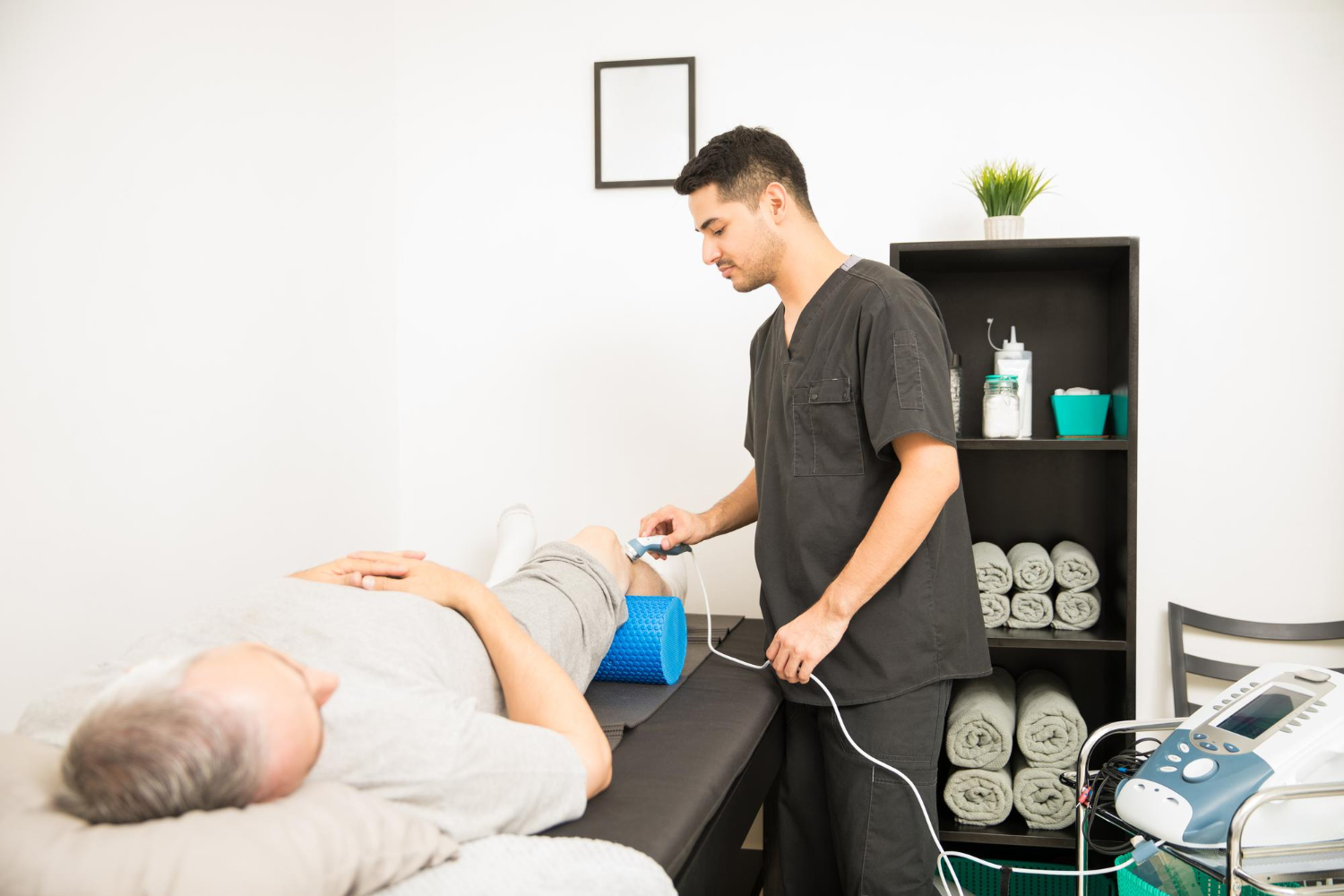
Ultrasound therapy has been widely used in physiotherapy as a non-invasive electrotherapy technique to support pain management and tissue recovery. This treatment is recognized for its potential pain-relieving and tissue-supporting benefits. Vitruvian – Italian Physiotherapy Center uses personalized physiotherapy approaches to help patients manage discomfort and improve mobility through ultrasound therapy Dubai.
What is ultrasound therapy?
Ultrasound therapy is a physiotherapy procedure in which a physiotherapist uses high-frequency sound waves to provide therapeutic effects. Therapeutic ultrasound Dubai may be adapted by adjusting treatment factors such as frequency, intensity, duty cycle, and treatment time according to a patient’s needs. Furthermore, physiotherapists may select multi-frequency therapy heads of varying sizes.
Most ultrasound systems allow physiotherapists to select between different therapy frequencies according to patient requirements. A 1 MHz frequency is generally used for deeper tissues requiring targeted therapeutic support and may be suitable for deeper tissue injuries, where deep tissue ultrasound therapy Dubai can be an appropriate option for selected rehabilitation needs. A frequency of 3 MHz generally penetrates tissue to a depth of approximately 1 to 2 cm, making Physiotherapy ultrasound Dubai suitable for treating superficial injuries when clinically appropriate.
Depending on the parameters used, ultrasound treatment can provide thermal or athermal therapeutic benefits.
Thermal effects
When ultrasound waves pass through treated tissue, they induce friction between tissue particles, raising the temperature in the treated area. If a physiotherapist applies an appropriate therapeutic dose of ultrasound to a specific area for an appropriate duration, ultrasound treatment Dubai may contribute to thermal effects that can support the following:
- Pain relief
- Improved local blood circulation
- Reduced joint stiffness
Athermal effects
Ultrasound therapy can also produce athermal therapeutic effects. Ultrasound therapy can also create athermal effects through a process called cavitation, where small bubbles form and collapse within tissues. These bubbles create vibrations that may support cellular activity and membrane permeability. Cavitation may support cellular activity and tissue responses involved in the recovery process. As a result, ultrasound therapy may be used during the rehabilitation of musculoskeletal injuries or to help manage discomfort.
Low-Intensity Pulsed Ultrasound (LIPUS)
As previously stated, ultrasound therapy may produce thermal and athermal effects on human tissue. However, in recent years, the focus has been on its athermal effects as a result of a specific type of ultrasound known as low-intensity pulsed ultrasound, or LIPUS for short. Because of its low intensity, LIPUS can have therapeutic effects without causing significant temperature increases. LIPUS uses low-intensity ultrasound waves designed to provide therapeutic effects while minimizing temperature changes in tissues. Current research continues to explore the role of LIPUS and its potential therapeutic applications.
Which conditions may benefit from ultrasound therapy?
Ultrasound therapy may support different stages of tissue recovery, making it a useful therapeutic option for injuries or conditions affecting:
- Periosteum
- Ligaments
- Tendons
- Fascia
- Muscles
LIPUS has been studied as a therapeutic option to support fracture healing in selected cases. Additionally, LIPUS may support soft tissue recovery, including tendons, ligaments, intervertebral discs, and cartilage. Ultrasound therapy for injury recovery Dubai may be incorporated into individualized rehabilitation programs when clinically appropriate. Ultrasound therapy continues to be studied for its potential applications in rehabilitation and tissue recovery.
Benefits of ultrasound for the patient
Patients may experience several benefits when ultrasound therapy is included as part of a personalized physiotherapy plan at an ultrasound physiotherapy clinic Dubai. Ultrasound therapy may provide the following benefits:
- Safe, painless, and noninvasive: Ultrasound therapy, compared with some surgical procedures or injections, is a non-invasive and painless therapeutic option.
- Improved healing and functional recovery: Because ultrasound therapy may support local blood circulation, assist tissue recovery, and contribute to the rehabilitation process.
- Pain relief: Patients experiencing muscle discomfort may benefit from ultrasound therapy for muscle pain Dubai, as reduced pain may allow manual therapy and therapeutic exercises to be performed more effectively. As a result, ultrasound therapy may support the recovery process when combined with an individualized physiotherapy program. This implies that therapeutic goals may be achieved more efficiently.
- Complementary Treatment: Ultrasound therapy may complement other physiotherapy techniques, including exercise therapy, mobilization techniques, and rehabilitation programs.
How Ultrasound Therapy Supports Physiotherapy Treatment
Ultrasound therapy allows physiotherapists to provide targeted support for different soft tissues, including muscles, tendons, joints, and ligaments. It can be combined with other rehabilitation techniques to create a personalized treatment approach.
- Targeted treatment: The physiotherapist may carefully target the problem location during treatment, supporting the effectiveness of the treatment approach.
- Versatility: This therapy may be applied to various tissue structures, including muscles, tendons, joints, and ligaments. Such versatility makes ultrasound therapy suitable for physiotherapy treatment, where many patients with diverse musculoskeletal disorders seek treatment.
- Beneficial therapeutic effects: This therapy may support local blood circulation and improve tissue responses in the treated area. This promotes the repair of injured tissue. Furthermore, ultrasound therapy can lower inflammatory processes, making it a viable therapeutic option for a variety of conditions involving soft tissue irritation, such as tendinopathy.
- Simple approach: Ultrasound therapy is a straightforward therapeutic technique used in physiotherapy. Trained physiotherapists can use ultrasound therapy as part of a rehabilitation plan. While ultrasonic therapy delivers various options and combinations, it remains a user-friendly and therapeutic modality used by trained physiotherapists.
Ultrasound therapy can support physiotherapy treatment by helping manage discomfort, improving mobility, and assisting the recovery process. Non-invasive ultrasound therapy is generally considered a safe treatment option when performed by trained physiotherapists. Patients looking for the best ultrasound therapy in Dubai may benefit from individualized physiotherapy plans at Vitruvian – Italian Physiotherapy Center when clinically appropriate. Patients experiencing spinal discomfort may also benefit from ultrasound therapy for back pain Dubai as part of a personalized rehabilitation program.
FAQs
Is ultrasound therapy painful during a physiotherapy session?
A: Ultrasound treatment is often pleasant and noninvasive. Most people experience little to no sensation; however, others may detect moderate warmth in the treated region. A physiotherapist constantly rotates the portable device to help ensure appropriate energy distribution and comfort during the treatment session.
How many ultrasound therapy sessions are usually needed?
A: The number of sessions required is determined by the condition being treated, its severity, and your response to the therapy. Some people see improvements after a few sessions, while others benefit from a lengthier treatment regimen. Your physiotherapist will evaluate your progress regularly and make any adjustments to the program.
Can ultrasound therapy be combined with other physiotherapy treatments?
A: Ultrasound therapy is frequently used with therapeutic exercises, manual therapy, stretching, and mobility training to support overall rehabilitation outcomes. Using numerous therapy modalities helps manage pain, improve mobility, strengthen afflicted muscles, and promote a more complete recovery that is personalized to your specific rehabilitation needs.
Are there any precautions before receiving ultrasound therapy?
A: Before beginning therapy, advise your physiotherapist about any medical conditions, recent surgeries, implants, or pregnancy. Ultrasound treatment may not be appropriate for some areas or medical conditions. A professional evaluation helps ensure that the treatment is suitable, safe, and tailored to your specific rehabilitation objectives and general health.