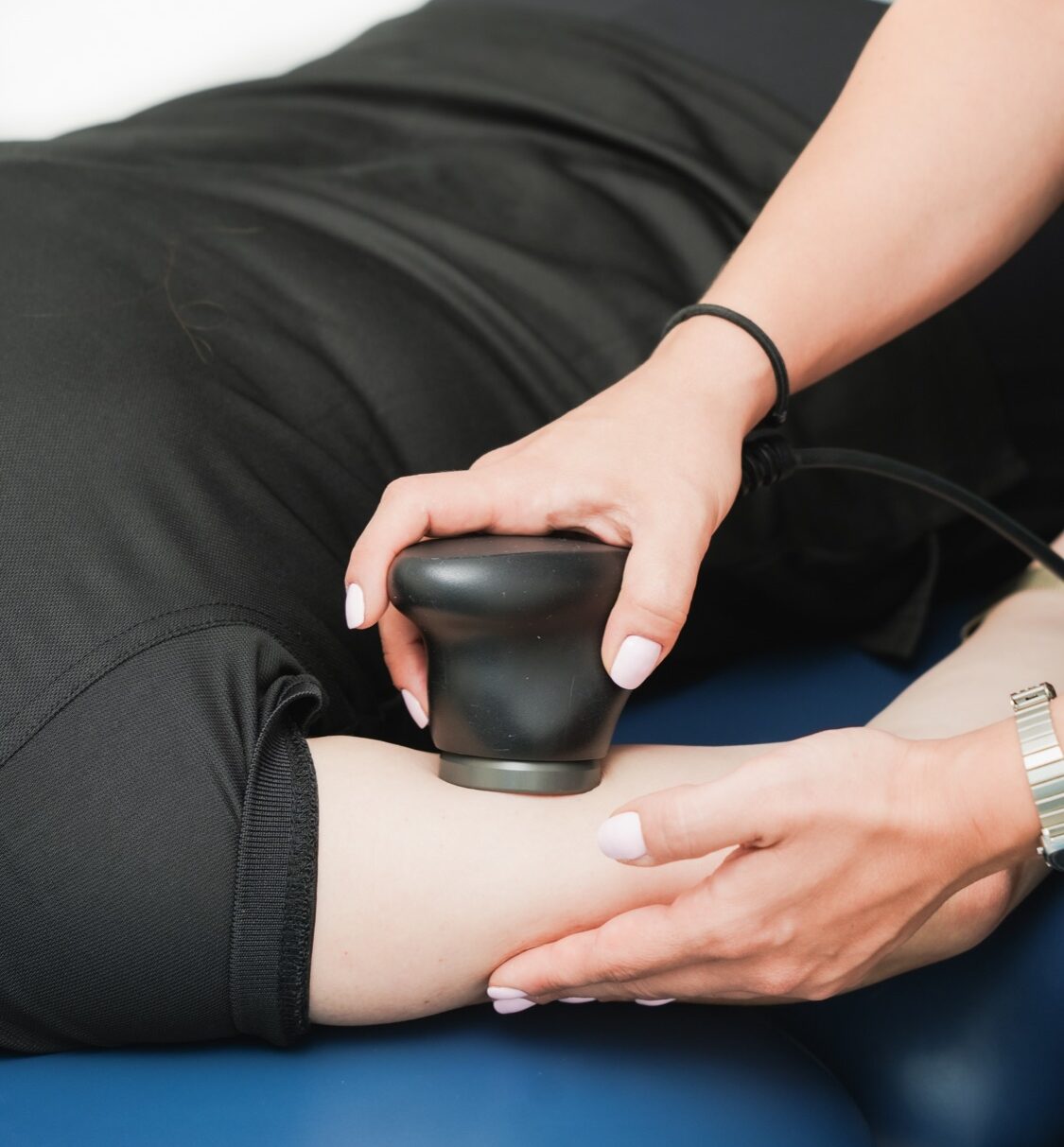
During treatment, low-frequency ultrasound energy is delivered into the targeted tissues. The ultrasound produces microscopic bubbles and mechanical effects within the fat tissue.
This process may help to:
The body’s lymphatic system plays an important role following treatment. For this reason, hydration, movement and other aftercare recommendations may form part of the treatment programme.
Cavitation therapy may be considered for patients who are close to a stable body weight but have specific areas that are difficult to address through lifestyle changes alone.
It may help with:
Common treatment areas may include the abdomen, waist, thighs, hips and other suitable body areas. The physiotherapist will determine whether cavitation is appropriate for the requested area.
Cavitation therapy is designed for body contouring rather than significant weight reduction. It cannot treat obesity or replace a medically supervised weight-management programme.
The best candidates are generally people with realistic expectations who want to address a particular area rather than achieve a major change in overall body weight.
Lifestyle habits, nutrition, hydration and physical activity can affect both the treatment process and the maintenance of results.
Localised fat, fluid retention and uneven tissue texture can influence how the body contour appears. Cavitation may support a gradual improvement by targeting selected tissues and promoting lymphatic activity.
Where skin laxity or cellulite is also present, cavitation may be combined with radiofrequency or shockwave therapy. Each technology addresses the tissues in a different way.
Your physiotherapist will explain whether a combined programme is appropriate based on your assessment.
The treatment area is assessed and a contact medium is applied to the skin. A handheld applicator is then moved across the area while ultrasound energy is delivered.
The treatment is generally comfortable. You may feel mild warmth or hear a temporary buzzing or ringing sound caused by the ultrasound frequency.
After treatment, you can usually return to your normal activities immediately. Your physiotherapist may recommend drinking water, staying active and following specific aftercare instructions.
Before beginning cavitation therapy, your physiotherapist will review your health history, examine the treatment area and discuss your expectations.
The number and frequency of sessions will depend on the size of the area, tissue condition, individual response and wider treatment goals. Progress will be reviewed throughout the programme.
The number of sessions depends on the treatment area, your goals and your individual response. A personalised programme will be recommended following the assessment.
Improvements are usually gradual and may require several sessions. Results can be influenced by hydration, lifestyle habits, physical activity and adherence to the recommended treatment plan.
No. Cavitation is non-invasive, and patients can usually return to their normal daily activities immediately after the session.
Yes. It may be combined with radiofrequency, shockwave therapy and manual dermatofunctional physiotherapy techniques when clinically appropriate.
No. Cavitation is a body-contouring treatment for localised concerns. It is not intended for significant weight loss or as a replacement for healthy lifestyle habits.
Results vary and cannot be guaranteed. Maintaining stable body weight, regular physical activity and healthy lifestyle habits may help support longer-term contour improvements.
Directly in our schedule