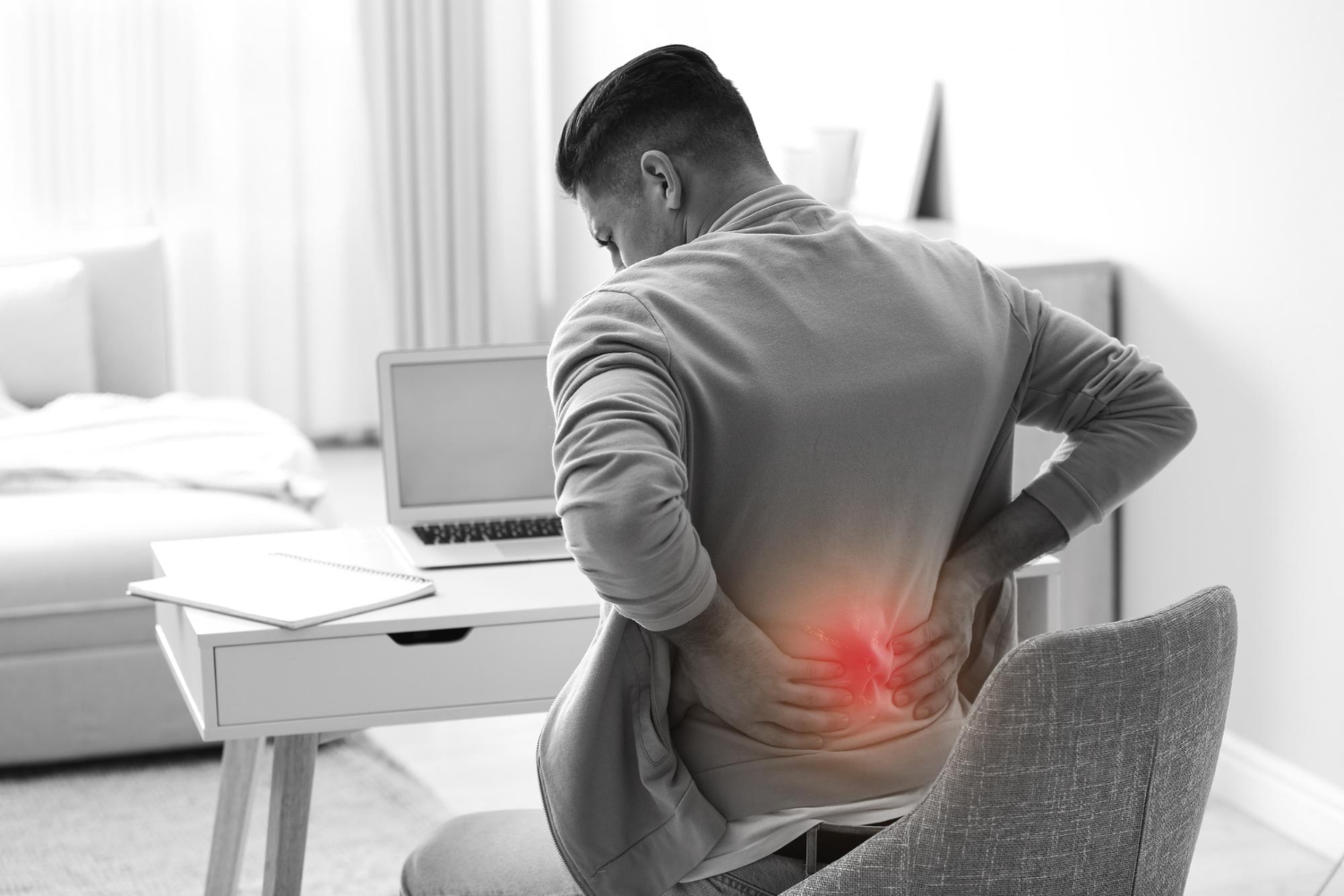
One of the most frequent causes of lower back, leg, bottom, and foot discomfort is sciatica. These regions may experience numbness, tingling, or pain due to compression of the sciatic nerve.
Relieving the discomfort of a sciatica flare-up is not always simple, and many people seek sciatica pain relief in Dubai to manage symptoms effectively. Physiotherapy and manual therapy are effective medium- to long-term treatments, but they require time. So, how can you get quick sciatica relief?
Discover 12 methods to relieve sciatica in eight minutes or less.
What is sciatica and why is it painful?
Sciatica is a painful disorder that affects your lower body, from your lumbar spine to your toes. Usually, just one side is impacted.
The longest nerve in the human body is the sciatic nerve. It extends from your lower back to your feet.
For example, a herniated disc or spinal canal narrowing may compress the sciatic nerve, causing pain that can range from a little discomfort to excruciating shooting sensations from your buttock down one leg. Some people may also experience referred pain in the groin. Typical sciatica symptoms include the following:
- Numbness in the afflicted area (your legs may go to sleep faster than normal).
- Pins and needles or tingling from the lower back to the foot.
- You may also feel radiating, shooting pains down your leg.
- A dull ache may occur anywhere along the path of the sciatic nerve.
- Lower back pain alone is seldom an indication of sciatica; rather, lower back pain combined with discomfort in the legs, hips, feet, or lower back often requires a proper clinical assessment, after which Lower back pain and sciatica treatment Dubai may be recommended.
The best technique for treating sciatica is to relieve pressure on the sciatic nerve, which is why some patients may benefit from pinched nerve treatment Dubai following an accurate diagnosis. In some cases, surgery may be recommended when conservative treatments do not provide relief or when nerve compression is severe.
However, not everyone can benefit from surgery, and in many situations, more conservative treatment alternatives can provide quick relief from sciatica. This is frequently easier said than done, though, particularly if you don’t know where the nerve compression has happened or which activities are most likely to relieve it.
12 ways to get sciatica relief in 8 minutes (or less)
Several sciatica alleviation methods offer momentary, short-term comfort. However, patients seeking chronic sciatica relief Dubai usually require a structured treatment plan rather than temporary symptom relief alone. For this reason, physiotherapists and healthcare professionals frequently recommend comprehensive treatment strategies that include many therapy modalities.
These are the best methods for rapidly reducing the symptoms of sciatica.
1. Rest for a short time
Walking long distances, walking rapidly, or moving a lot can all cause sciatica to flare up. Sciatica can occasionally become so excruciating that walking becomes difficult. Therefore, removing the weight from your feet and taking a little break might provide quick relief if you’ve been on the move all day and your sciatica symptoms are beginning to manifest. You could experience more relief if you could prolong this for a few hours.
However, bed rest often won’t provide long-term symptom relief. According to research, excessive bedtime can lead to muscular weakness, which frequently exacerbates sciatica. Additionally, it can make you more susceptible to blood clots in your legs. Therefore, don’t stay in bed for more than a day or two before resuming your regular activities.
Getting adequate rest and maintaining a comfortable sleeping position may also help reduce discomfort.
2. Cat-cow pose
Place your hands behind your shoulders and your knees beneath your hips to begin on all fours. Round your back and look down at the floor, bending your elbows gently. Maintain this posture for a few seconds.
Next, arch your back downward and look up at the ceiling while gently and smoothly pushing your belly button toward the floor.
Continue this movement for several minutes, or until your symptoms begin to ease.
3. Bridge technique
Bend your knees and place them hip-width apart while lying on your back. Maintain a neutral spine while placing your hands on your tummy.
Lift your pelvis off the ground gradually, using your stomach muscles for support, until your body forms a diagonal line from your head to your knees. After a few seconds of holding, carefully lower your pelvis to the floor.
This exercise may help relieve sciatica symptoms while strengthening your glute muscles.
4. Quadruped arm and leg lift
Place your hands under your shoulders and your knees beneath your hips as you begin on all fours. Keeping your hips level, slowly extend your left leg all the way behind you and place your toes on the ground.
Gently lift your extended leg off the ground and extend your right arm in front of you. Aim for a level spine that is neither rounded nor arched.
After holding for six seconds, drop your arm and leg to the ground and take 10 seconds to relax. To help relieve sciatica symptoms, repeat many times on each side.
5. Piriformis stretch
A piriformis stretch may help if your sciatica is brought on by piriformis syndrome, a disorder that produces painful spasms in the piriformis muscle beneath your glutes.
Place the foot of your afflicted leg on the knee of the person sitting on the edge of a chair. Lean forward from the hips as far as is comfortable, keeping your back straight by tucking your tailbone under. Your lumbar and hip areas should feel stretched.
After holding this position for up to 30 seconds, return to your previous position before switching sides. Repeat this exercise on each side up to five times.
If you would like to try additional exercises, a physiotherapist can recommend movements based on your symptoms and physical condition.
6. Low-impact exercise
If you don’t have an activity-induced flare-up, being active will help alleviate your sciatica symptoms rapidly by relaxing your sciatic nerve. For quick sciatica relief, try one of the following:
- Take a little stroll at a leisurely pace.
- To strengthen your core and stretch your hamstrings, do yoga.
- Take a quick, leisurely bike ride (or use a low-resistance exercise bike).
Running and other high-impact activities might make your symptoms worse, so stay away from them at least temporarily.
7. Apply an ice pack
Inflammation and feeling in the vicinity of your sciatic area might be lessened using ice packs or even a bag of frozen peas. For a few minutes, apply an ice pack to the sore spot until you begin to feel better.
A heat pack or hot water bottle can be more effective if ice packs don’t work for you.
8. Go swimming
The good news is that simply being in the water helps ease some of the strain on your neural system, even if it’s difficult to complete a whole swimming workout in eight minutes. Therefore, even a little swim might help reduce some of your sciatica pain.
Swimming may help reduce pressure on the spine and improve mobility, making it a suitable low-impact activity for some people with sciatica. Therefore, if at all possible, incorporate regular swimming into your exercise regimen for sciatica recovery.
9. Acupuncture
Acupuncture may help relieve sciatica pain, according to some research. In addition to releasing endorphins, acupuncture stimulates nerve fibers that block pain signals. The body’s own analgesics, endorphins, may provide rapid and efficient relief from sciatica symptoms.
However, if you want long-term sciatica relief, you could require several acupuncture treatments.
10. Have a massage
You can quickly relieve sciatica by massaging the tissue in your lower back, thighs, calves, and glutes.
Try to schedule a deep tissue or sports massage with a qualified massage therapist. If not, consider using one of the following methods for self-massage:
- Target the afflicted regions with a massager.
- Gently massage the affected area using a smooth-edged object, such as a wooden spoon or tennis ball, if appropriate.
- Ask someone you trust to help with a gentle massage if appropriate.
11. Painkillers
If over-the-counter medication does not help, consulting a sciatica doctor Dubai, along with advice from a pharmacist or physiotherapist, may help determine the most appropriate treatment options.
These might include opioids, muscle relaxants, antidepressants, and/or anticonvulsants; however, the efficacy of any of these sciatica therapies has not yet been well studied
12. Steroid injections
A qualified healthcare professional may administer steroid injections in a clinical setting for sciatic pain, which may provide rapid pain relief for some people as part of a comprehensive Severe sciatica pain management Dubai approach. They are typically given in conjunction with a local anesthetic, which numbs the region and relieves sciatica pain right away while the steroids work.
When the anesthetic wears off, you could have some discomfort, but you should feel considerably better within a few days.
If steroid injections are appropriate for your condition, the healthcare professionals at Vitruvian – Italian Physiotherapy Center can assess your symptoms and discuss the most suitable treatment options for you.
What’s the best way to treat sciatica pain?
Finding and treating the underlying cause of sciatica pain is the best course of action, and an individualized sciatic nerve pain treatment Dubai plan can provide more lasting results than temporary symptom relief alone.
Vitruvian – Italian Physiotherapy Center provides comprehensive assessments and personalized sciatica treatment Dubai plans for people with sciatica. Whether your sciatica is caused by a slipped disc or an untreated back injury, a sciatica specialist Dubai at Vitruvian – Italian Physiotherapy Center will conduct a thorough assessment to determine the underlying cause of your symptoms. Following that, the team will discuss all available treatment options and develop a personalized recovery plan designed to provide the best sciatica treatment in Dubai based on your condition and recovery objectives.
https://gemini.google.com/share/e42a29b7f0fc
FAQs
What activities should I avoid during a sciatica flare-up?
Steer clear of high-impact activities, extended sitting, heavy lifting, and abrupt twisting motions that might exacerbate nerve irritation during a flare-up. Instead, take brief walks and do guided stretches to be mildly active. Gradually resuming routine activities sometimes helps healing more than lengthy periods of full bed rest.
When should I seek professional treatment for sciatica?
Professional examination is indicated if discomfort lasts more than a few weeks, grows progressively worse, or is accompanied by numbness, muscular weakness, or abnormalities in bladder or bowel function. Early diagnosis helps uncover the underlying problem and promotes a more successful treatment and rehabilitation approach.
Can physiotherapy prevent sciatica from returning?
Yes, physiotherapy strengthens the core, corrects movement patterns that may be causing sciatica, enhances flexibility, and improves posture. Additionally, a customized exercise regimen lessens the strain on the sciatic nerve and lower back, which lessens the possibility of recurrent symptoms during routine tasks.
Is walking beneficial for people with sciatica?
Many people find that walking gently improves healthy spinal mobility, lessens stiffness, and increases blood circulation without putting undue strain on the back. Short bursts of comfortable walking may help control symptoms, but activities should always be modified based on pain thresholds and expert advice.