A significant percentage of people experience acute low back pain (LBP) at some point in their lives. The abrupt onset of back pain can be incapacitating and annoying, whether it is brought on by moving a big box, bending awkwardly, or occasionally seemingly for no apparent reason.
At Vitruvian – Italian Physiotherapy Center, recognized by many patients as the best physiotherapy clinic in Dubai, physiotherapists frequently see how acute low back pain interferes with daily activities. This blog explores the causes of acute low back pain and offers evidence-based rehabilitation techniques.
What is Acute Low Back Pain?
Pain that develops quickly and lasts for a brief time, usually up to six weeks, is referred to as acute low back pain. Although the reason for this type of back pain is not always obvious, it is frequently linked to particular situations or actions, such as bending, twisting, or lifting. It’s crucial to remember that most episodes of acute low back pain are unrelated to any significant underlying medical issues. It is often caused by irritation or tension in the lower back’s muscles, ligaments, discs, or joints, which may benefit from physiotherapy treatment for back pain Dubai when symptoms persist.
Common Causes of Acute Low Back Pain
- Muscle Strain: One of the most frequent reasons is a muscle strain, which happens when back muscles or ligaments are pulled or overextended. This might occur when you twist awkwardly or lift something too heavy.
- Herniated Disc: Nearby nerves may be compressed if a disc between the vertebrae bulges or ruptures. This can occasionally result in discomfort that travels down the legs, but it can also produce localized lower back pain.
- Facet Joint Dysfunction: Poor posture or repeated motions can cause the facet joints in the spine to become inflamed or irritated. Lower back pain and stiffness may result from this.
- Sacroiliac Joint Dysfunction: The pelvis and spine are joined by the sacroiliac joint. Sharp, severe pain in the lower back and pelvis may result from inflammation or irritation of this joint.
Symptoms of Acute Low Back Pain
Acute low back pain can cause a variety of symptoms; however, they usually include
- Abrupt lower back discomfort or stiffness
- Having trouble bending forward or moving
- Tightness or spasms in the muscles
- Pain that might spread to the thighs or buttocks
- Restricted range of motion
Some people may find that their pain gets better with rest, while others may find that particular activities or motions make it worse.
Treatment for Acute Low Back Pain: A Physiotherapist’s Approach
The main goals of seeing a Dubai physiotherapist for pain related to acute low back pain are to lessen discomfort, restore range of motion, and stop the pain from coming back. Below is a summary of some successful treatment strategies:
1. Early Movement and Activity
It may sound paradoxical, but in the early phases of severe low back pain, it’s critical to be active. In fact, bed rest for longer than a day or two may exacerbate the condition. Stiffness is lessened, blood circulation is enhanced, and flexibility is preserved with gentle movement. In order to prevent the muscles from weakening or becoming overly tight, physiotherapists frequently do mobilizations and suggest activities to practice in the early phases of pain rehabilitation.
2. Manual Therapy
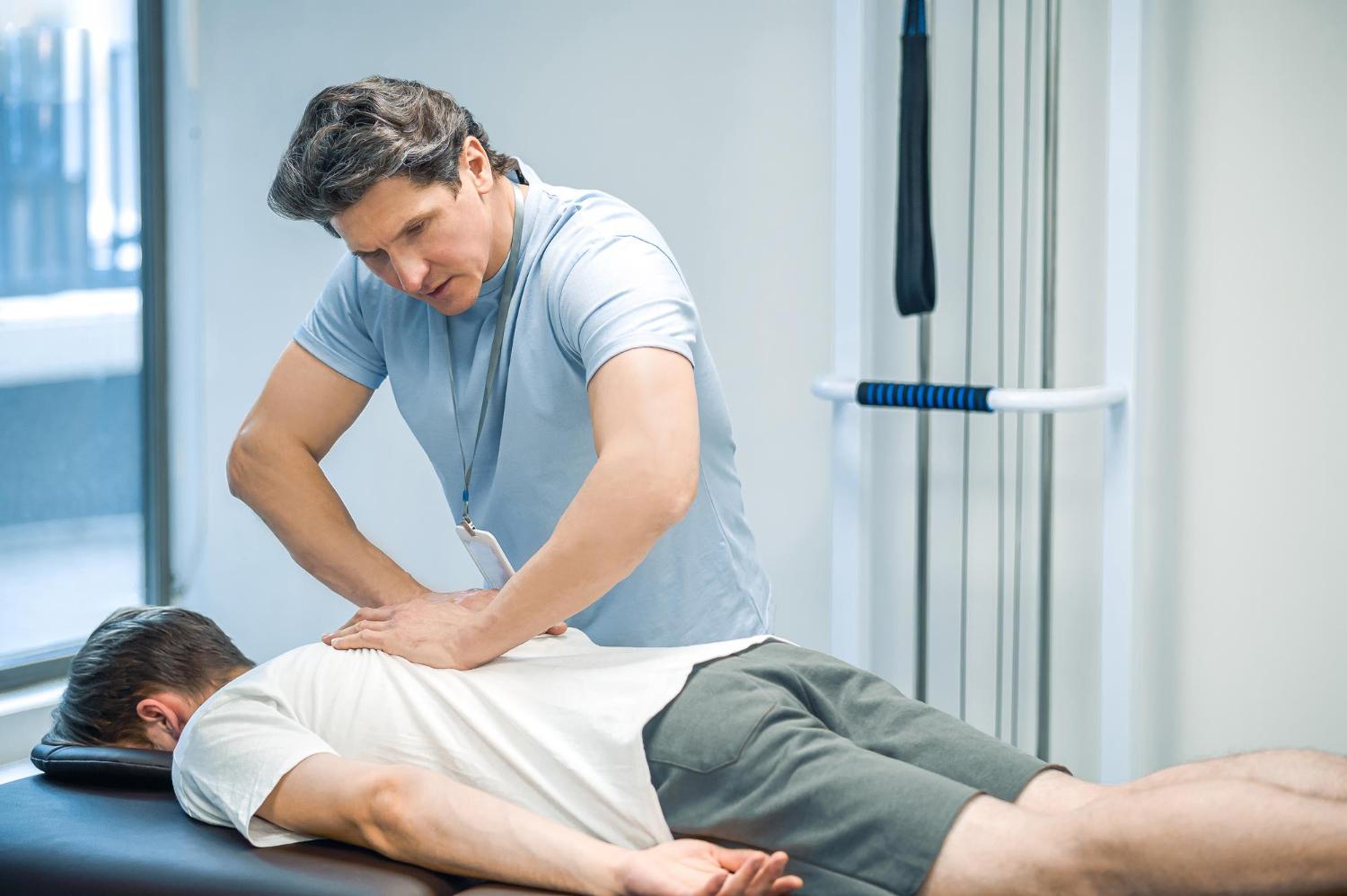
Physiotherapists may use manual therapy for pain Dubai, including techniques such as mobilization, to help manage acute low back pain. These techniques may help ease discomfort, improve joint mobility, and reduce muscle tension. To relieve strain on the discs, joints, and spasms, a physiotherapist could, for instance, employ mild methods to mobilize the spine and restore normal mobility.
3. Posture and Ergonomics Education
A lot of low back pain instances are made worse by bad posture, bad habits, or poor body mechanics. A physiotherapist will evaluate those causes during your sessions as the pain improves and assist you in modifying your everyday activities and motions to avoid additional strain. For both short-term and long-term back pain management, minor adjustments can have a big impact.
4. Strengthening Exercises
Strengthening exercises are essential to avoid recurrent episodes of discomfort once the acute phase begins to fade. Maintaining proper posture and supporting the spine depends on having a strong core. Your physiotherapist will probably lead you through exercises to improve your hip, abdominal, and back muscles. These workouts strengthen the muscles and keep them from weakening and getting hurt.
5. Pain Relief Techniques
Additional therapies, including pain relief physiotherapy Dubai, may be advised in some situations to control pain, especially if it is severe. Physiotherapists can evaluate your pain, determine its type and source, and suggest appropriate options, including electrotherapy for pain relief Dubai, to help reduce its intensity and severity.
In certain cases, a physiotherapist can advise you on whether to seek additional pain management and, if the pain is severe, whether to consult an appropriate healthcare professional for further assessment and pain management options.
Preventing Future Back Pain
The next step after treating acute low back pain is to keep it from coming again, reducing the risk of requiring chronic pain physiotherapy Dubai in the future. This calls for a mix of tactics:
- Strengthening the Core: Exercises that focus on the core muscles serve to protect the spine and give stability. However, such exercises should be suitable for you and your demands. A physiotherapist may assist by evaluating your basic needs and providing guidance on how to perform those exercises and advance with them.
- Ergonomic Adjustments: Make sure your workspace is ergonomically constructed, with the right chair support, desk height, and monitor placement, both at home and at work.
When to Seek Further Medical Help
While self-care and physical therapy help the majority of cases of acute low back pain, several warning signs suggest further medical evaluation is necessary. Among them are:
- Pain after an accident or fall
- Leg weakness, tingling, or numbness
- Pain followed by fever or inexplicable weight loss
- Inability to regulate bowel or bladder movements (a symptom of possible nerve involvement)
For further evaluation in these situations, it’s crucial to speak with a healthcare professional or specialist.
Conclusion
Although annoying, acute low back pain is frequently treatable. Most patients recover completely and are able to resume their regular activities with a customized treatment plan.
Vitruvian – Italian Physiotherapy Center’s mission is to guide you through physiotherapy for pain Dubai by identifying potential causes of this back pain and providing advice on safe movement, pain management, and long-term prevention techniques. Depending on individual needs, treatment approaches may also include dry needling Dubai physiotherapy techniques as part of a comprehensive rehabilitation strategy. Early intervention and a proactive rehabilitation plan can support recovery and reduce the likelihood of future back problems. For active individuals, sports massage and physiotherapy Dubai services may also support recovery and help maintain mobility.
To arrange an evaluation with a licensed physiotherapist for acute low back pain or to explore Dubai physiotherapy for joint pain, get in touch with Vitruvian – Italian Physiotherapy Center.
https://chatgpt.com/share/6a30ef83-b1e8-83ed-8910-fcc16c689c58
FAQs
Can acute low back pain go away without medical treatment?
Acute low back pain often goes away on its own in a matter of weeks. Over time, the body's healing mechanisms frequently lessen discomfort and inflammation. However, in order to properly evaluate persistent symptoms, extreme discomfort, or pain accompanied by numbness, weakness, or other peculiar signals, a healthcare expert should be consulted.
How can a physiotherapist help with acute low back pain?
A physiotherapist may evaluate movement patterns, pinpoint underlying causes, and provide a customized treatment strategy. Education, guided exercises, posture counseling, and mobility-enhancing methods are some possible forms of treatment. Reducing pain, restoring normal mobility, and facilitating a safe return to daily activities are the objectives.
Is it safe to continue working with acute low back pain?
Depending on the severity of their symptoms and the demands of their jobs, many people can continue to work with adaptations. It may be beneficial to modify posture, take pauses from movement, and stay away from activities that exacerbate discomfort. A physiotherapist can offer advice on workplace tactics that facilitate recuperation while upholding regular obligations.
What lifestyle habits may help prevent future episodes of low back pain?
Future episodes may be lessened by engaging in regular exercise, keeping a healthy weight, using safe lifting techniques, and building stronger back and core muscles. Spinal health can also be supported by avoiding prolonged sitting and engaging in regular movement throughout the day. Maintaining good daily habits is often the key to long-term prevention.