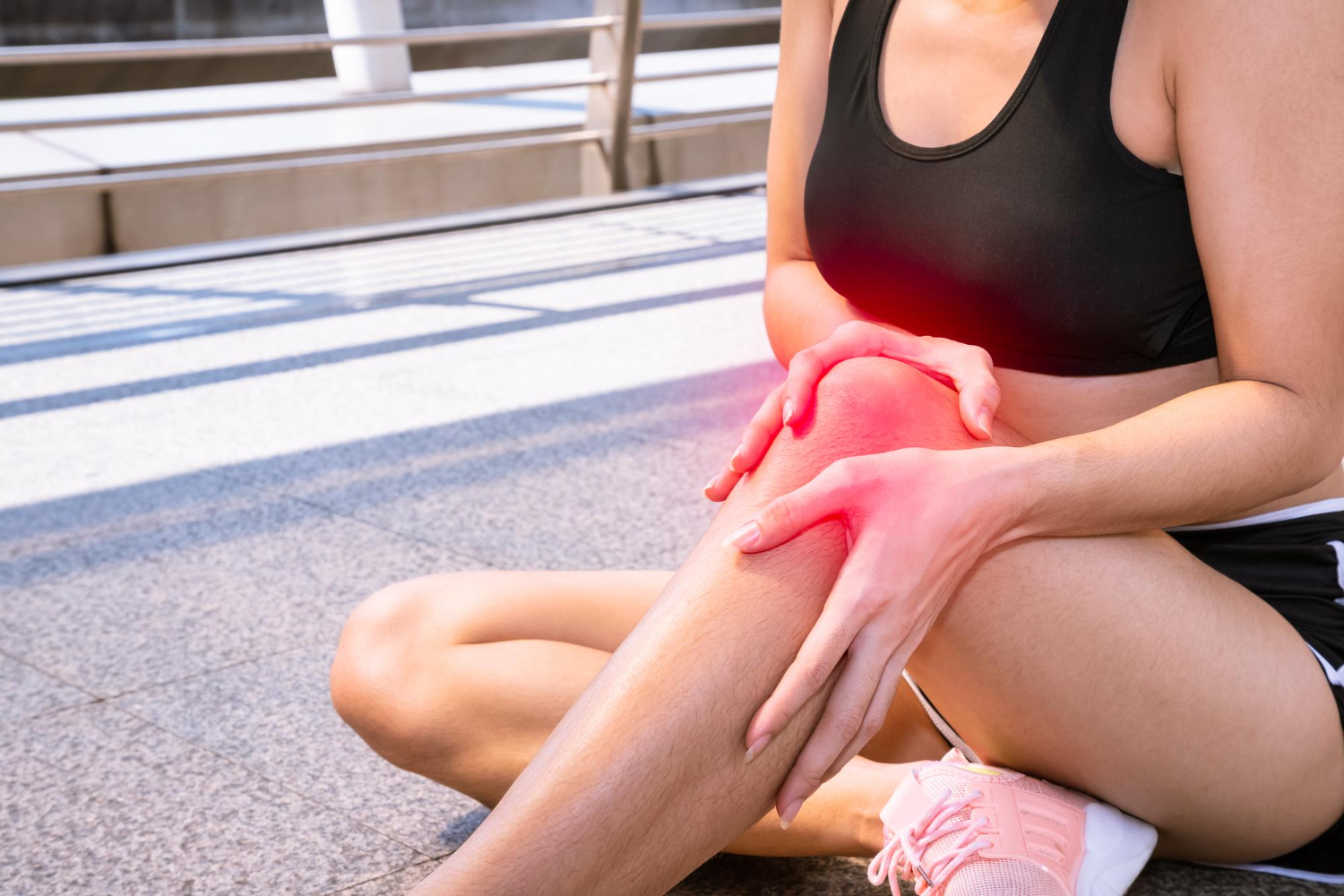
One of the most difficult setbacks in an athlete’s career is an ACL (anterior cruciate ligament) injury. The road to rehabilitation may seem overwhelming as ACL injuries are common among active individuals, especially in sports. Dedicated sports physiotherapy is highly recommended and plays a key role in regaining knee function, strength, and confidence while supporting a safe return to sport at an ACL surgery clinic.
What is Sports Physiotherapy in the Context of an ACL Injury?
Restoring function to musculoskeletal injuries, particularly in active populations, is the emphasis of sports physiotherapy, a specialized area of rehabilitation. The physiotherapist creates a customized treatment plan for ACL recovery, especially after undergoing ACL reconstruction surgery Dubai, guiding patients through every stage. The aim is to progress beyond basic knee function and reach the high-level strength, power, and stability necessary to manage the twisting, leaping, and cutting actions common in athletics.
In some cases, patients may also undergo ACL Repair Dubai, depending on injury severity and surgical recommendation.
Consistent, professional advice is crucial since the recovery period for an ACL injury can vary from several months, depending on severity and treatment approach, and it is frequently longer for a complete return to competitive sport.
The Crucial Stages of ACL Rehabilitation
ACL recovery involves a step-by-step procedure with stringent requirements that you must fulfill before moving on to the following stage. This structure encourages the best possible recovery and guards against re-injury.
Phase 1: Immediate Post-Op
Reducing discomfort and swelling, achieving complete knee extension (straightening the leg), and regaining quadriceps muscle activation are the main goals during this crucial stage. Since a loss of extension can significantly affect long-term function, the NHS strongly encourages attempting to restore full knee extension during the first two weeks following an accident or surgery.
Phase 2: Early Rehabilitation
The goals of this phase are to increase lower limb strength, improve knee range of motion (ROM), and, once quadriceps control is adequate, start walking without crutches. Physiotherapists do specific strengthening exercises for the calves, hamstrings, and quadriceps.
Phase 3: Strength and Endurance
Acl knee surgery recovery is closely monitored by physiotherapists to ensure safe progress. Rehabilitating the knee joint and enhancing balance require biomechanical analysis and neuromuscular training. Patients often ask when can you run after acl surgery, and running is only introduced when strength and stability have been fully restored.
Phase 4: Return to Sport
Your physiotherapist will assess your strength and stability thoroughly before you resume competitive sports to make sure you satisfy evidence-based standards. Patients recovering from ACL Tear Surgery Dubai require careful evaluation before full sports participation. This last, sometimes drawn-out stage is essential to reducing the 25% chance of additional ACL injuries in certain populations.
Why Sports Physiotherapy is Essential
Sports physiotherapy provides structured recovery support for knee injuries. Many patients prefer treatment at an ACL Surgery Clinic in Dubai, where rehabilitation is medically supervised.
- Customized Exercise Programming: A sports physiotherapist adjusts the program to your particular sport, position, and rate of recuperation in addition to the procedure. To address quadriceps muscle inhibition, which frequently occurs following ACL surgery, they employ cutting-edge methods, including neuromuscular electrical stimulation.
- Biomechanical Analysis: They evaluate how you run, walk, and land to correct any improper movements that could have caused the injury in the first place or potentially lead to a recurrence.
- Proprioception and Balance Training: Following an ACL tear, proprioception, your body’s sense of position, is frequently impaired. Proprioception is essential for stability. To retrain the joint, physiotherapists employ particular balance and agility exercises.
- Building Confidence: One of the biggest obstacles is the psychological dread of getting hurt again. A sports physiotherapist offers the assurance and unbiased information needed to guarantee a genuinely effective recovery.
In early cases, Non-Surgical Knee Treatment Dubai may be recommended to avoid or delay surgery depending on injury severity.
4 Essential Early-Phase ACL Physio Exercises
Before beginning any new fitness program, consultation with a physiotherapist is recommended. These exercises are usually introduced in the early post-surgery phase to focus on two key goals: range of motion and quadriceps activation.
1. Static Quadriceps (Quad Sets)
How to perform it: Straighten the affected leg while lying flat on your back. With your heel slightly off the bed, place a small rolled-up towel or foam block beneath your ankle. Tighten your quadriceps muscles by pushing the rear of your knee into the bed or other surface.
Goal: The objective is to reestablish the quadriceps muscle’s capacity to contract, which is essential for stability and early walking.
2. Inner Range Quads
How to do it: While lying on your back, bend your knee slightly (around 30 degrees) by placing a bolster or rolled-up towel beneath it. Tighten your quadriceps muscle while keeping your thigh on the roll to completely straighten your knee. Maintain the whole extension.
Goal: The objective is to strengthen the quadriceps in the most crucial area of their range, which aids with knee stability.
3. Passive Knee Extension Stretch
How to do it: Let gravity gently press your knee straight while you sit in a chair with your heel resting on another chair or step. To intensify the stretch, lay a little weight (such as a can of beans) on the front of your leg slightly above the kneecap.
Goal: One of the main early-phase objectives is to achieve complete, symmetrical knee extension. This workout aids in the fight against stiffness.
4. Assisted Heel Slides (Knee Flexion)
How to do it: To accomplish this, lie flat on your back. Bend your knee while you slowly move the heel of your damaged leg toward your buttocks. To help with the movement, place a towel or strap under the foot or use your opposing leg, but only bend as far as your physiotherapist advises.
Goal: To reestablish knee flexion (bending) gradually, without stressing the surgical graft.
Conclusion
Patients undergoing treatment at the best ACL Surgery in Dubai benefit from advanced surgical and physiotherapy care. Follow your rehabilitation program completely. First, straighten your knee completely and reduce swelling. Later, concentrate on strengthening your muscles, enhancing your balance, and honing your sport-specific motions. This strategy will enable you to return safely and powerfully. Avoid rushing your recovery. Trust your physiotherapist and pay close attention to each step.
For expert physiotherapy support, consult Vitruvian – Italian Physiotherapy Center for personalized ACL rehabilitation guidance.
FAQs
Is ACL surgery always necessary after a tear?
Not always. The patient's age, activity level, and associated knee injuries all influence the decision to proceed with surgery. Many ACL injuries are initially treated with physiotherapy, particularly in less active people. Clinical evaluation may lead to the recommendation of surgical reconstruction in certain cases.
How often should I see a physiotherapist during ACL rehab?
A patient may see a physiotherapist one or two times a week during the initial stages. Sessions may become less frequent as recovery advances, but they will concentrate more on advanced, sport-specific training. Over the course of the six- to twelve-month procedure, consistency is crucial.
What is the most important goal in the first two weeks of ACL rehab?
Regaining complete knee extension (straightening the leg) and achieving strong quadriceps activation are the most important immediate goals. Long-term function may be affected if full extension is not achieved early in recovery.
What is an ACL injury, and how does it occur?
When the anterior cruciate ligament in the knee is ripped or strained, it results in an ACL injury. It is typical in sports like football, basketball, and skiing that require quick stops, turns, or leaps. Strength training and appropriate warm-ups can lower the chance of this ailment.
How can sports physiotherapy help after an ACL tear?
Restoring knee strength, stability, and mobility following an ACL injury is the main goal of sports physiotherapy. Athletes may safely return to sports while lowering their risk of re-injury thanks to targeted exercises, manual therapy, and rehabilitation programs that help decrease pain, avoid stiffness, and develop muscle coordination.
What is the typical recovery timeline after an ACL injury?
The type of treatment and the severity of the damage determine recovery. While recovery after surgery may take six to twelve months, non-surgical rehabilitation may take three to six months. To guarantee a safe and efficient return to play, sports physiotherapists lead a progressive progression via functional, strengthening, and balancing exercises.
Are there specific exercises to prevent ACL re-injury?
Indeed. Strengthening the quadriceps, hamstrings, glutes, and core muscles is advised by physiotherapists. Knee stability and coordination are also enhanced by plyometric activities, balance, and agility. The risk of re-injury during sports activities can be considerably reduced by routinely practicing appropriate landing methods and knee alignment.
When can an athlete safely return to sports?
Decisions on returning to sports are based on functional testing results, strength, and stability. Before clearing an athlete, physiotherapists assess the athlete's endurance, movement patterns, and knee control. Performance and safety are guaranteed by gradual reintroduction with supervised drills, which lowers the risk of setbacks or chronic knee problems.