Dry needling Dubai is a technique used in physiotherapy to help manage certain musculoskeletal conditions. Although it resembles acupuncture, it follows a different approach, and research findings continue to develop. This blog is intended for patients interested in understanding dry needling and how it may support physiotherapy treatment. It discusses what dry needling is, how it works, how it varies from acupuncture, what the research truly indicates, and the safety and equipment required to perform it effectively.
Quick Overview
- What it is: Dry needling involves inserting a thin, solid filiform needle directly into a myofascial trigger point or tight muscle band to relieve pain and enhance mobility.
- Not Acupuncture: Although similar needles may be used, dry needling follows an anatomy-based approach focused on muscles and trigger points.
- The Evidence: Research suggests it may provide short-term pain relief and improved range of motion for some musculoskeletal conditions, but it is most effective when used as part of a larger rehabilitation strategy, rather than alone.
- Safety: In general, trained hands are safe. Single-use sterile needles, proper technique, and solid anatomical understanding are essential, especially around the thorax.
- Training first: In Dubai, dry needling should only be performed by qualified physiotherapists with appropriate training and clinical knowledge.
What is dry needling?
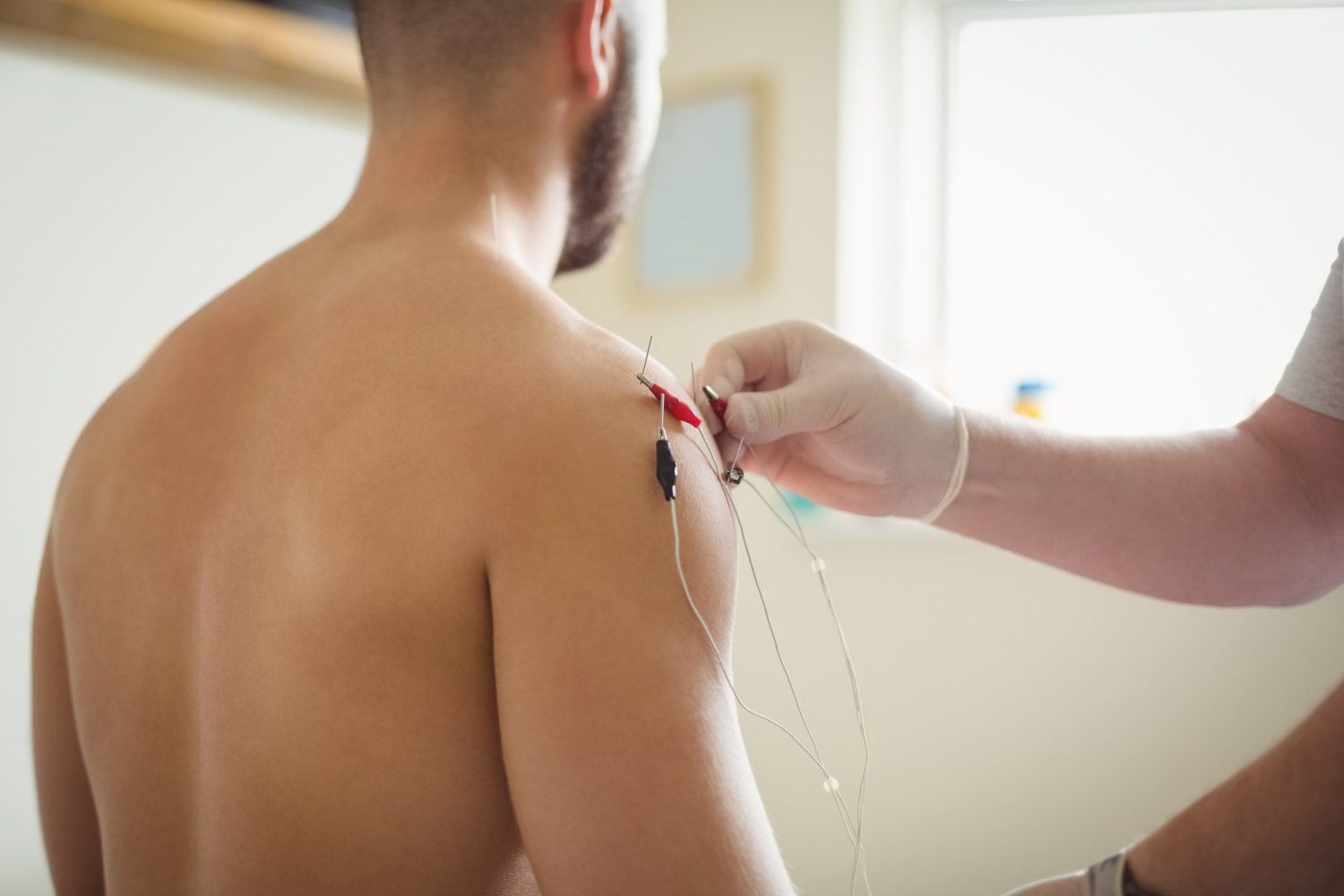
Physiotherapy dry needling Dubai involves a therapeutic procedure performed by qualified physiotherapists at Vitruvian – Italian Physiotherapy Center, using a thin, solid needle inserted through the skin into a muscle, often targeting a myofascial trigger point. This technique may also be included as part of Myofascial trigger point therapy Dubai when clinically appropriate. There is no medicine or fluid; only the needle. This distinguishes it from “wet” needle techniques, such as corticosteroid or local anesthetic injections.
The goal is to help reduce tension in tight, tender muscle bands that may contribute to pain. When a needle is inserted into an active trigger point, the muscle fibers frequently contract involuntarily. Many clinicians consider this twitch response one possible indicator of muscle response, although it is not required for treatment effectiveness.
Vitruvian – Italian Physiotherapy Center is a Dry needling physiotherapy clinic Dubai that may use this technique to help manage various musculoskeletal complaints, including neck and shoulder pain, tension headaches, low back pain, tennis elbow, calf and hamstring tightness, and plantar heel pain. In practice, it complements rather than replaces hands-on therapy and exercise.
Dry needling vs acupuncture: what’s the difference?
Dry needling vs acupuncture Dubai is a common topic among patients because both techniques use similar needles. The needles used may be similar, but the reasoning behind their placement differs.
Traditional acupuncture is based on a traditional medical system that uses specific points and treatment principles. Acupuncture involves inserting small needles at specific locations and is commonly used for some pain-related conditions.
Dry needling is a neuromuscular approach based on anatomy and muscle function. The practitioner uses needles based on palpated trigger points, muscular structure, and the patient’s movement evaluation, rather than on meridian charts. This anatomy-led approach helps patients understand the purpose and safe use of dry needling. So think of it as the same tool, but with a different map. Understanding the purpose and safe use of needles helps patients and practitioners better understand the dry needling process.
How does dry needling work?
Dry needling therapy Dubai continues to be researched, although several possible mechanisms have been identified:
- Local twitch response: Needling an active trigger point may produce a twitch response that can influence muscle activity.
- Local blood flow and chemistry: Inserting a needle alters the local environment, increasing blood flow and decreasing levels of pain-related chemicals around the trigger site.
- Central effects: The input may influence how the nervous system processes pain, leading to symptom relief experienced away from the treated area.
Clinically, it is important to note that these effects are often transient. Needling can provide a valuable window of reduced discomfort and increased range of motion, but maintaining that gain requires subsequent loading, strengthening, and mobility practice.
What does the evidence say?
Current evidence provides a balanced view of its effectiveness. The studies on dry needling are fairly encouraging but far from conclusive.
Research has also examined Dry needling for neck pain physiotherapy Dubai, with some studies reporting short-term improvements in pain and function when combined with exercise. Research reviews suggest that dry needling for back pain Dubai may help reduce pain in selected patients when clinically indicated as part of a broader rehabilitation approach.
Clinical research suggests that Dry needling for pain relief Dubai may provide short-term pain relief when combined with an appropriate rehabilitation plan. Current evidence suggests that dry needling should be considered as part of a broader treatment approach rather than a standalone solution.
Simply put, Dry needling for muscle pain Dubai is an acceptable approach for some muscle pain presentations, helping most in the short term when combined with rehabilitation.
Is dry needling safe?
Dry needling performed by a Certified dry needling physiotherapist Dubai follows appropriate safety procedures, making it a low-risk technique when applied correctly. The most common adverse effects are minimal, including transient discomfort, a tiny bruise, or temporary fatigue following treatment.
The major hazards are uncommon but genuine, and they are nearly completely based on anatomy. Needling across the rib cage, neck, or shoulder girdle without a good understanding of depth and structures increases the risk of pneumothorax. That is why advanced training and supervised clinical education are essential for safe application.
Practical safety principles that every practitioner should know but never forget include obtaining consent and screening for contraindications, using a new single-use sterile needle for each insertion, using a clean (or aseptic, when appropriate) method, keeping a sharps bin, and documenting everything.
What practitioners need to get started
Proper professional training, clinical knowledge, and sterile equipment are essential for safe Dry needling treatment Dubai. Qualified physiotherapists follow appropriate safety procedures to ensure effective and comfortable treatment. To be clear, proper training is essential before performing dry needling safely, and physiotherapists should complete appropriate dry needling training before performing the technique.
On the consumable side, most qualified physiotherapists utilize conventional, single-use sterile filiform acupuncture needles. Different needle lengths and gauges may be selected depending on the targeted muscle area when performing Trigger point dry needling Dubai.
Where dry needling fits in a rehab plan
Physiotherapists often use dry needling as a supportive technique in Pain management physiotherapy Dubai to reduce discomfort and improve movement before active rehabilitation. Use it to relieve discomfort in a guarded muscle, then go on to the activity that transforms the tissue: graduated loading, mobility, and strengthening. Progressive strengthening and mobility exercises remain important, particularly during Sports injury recovery Dubai, where restoring movement and strength is essential. Supportive taping may also assist some patients in maintaining comfort and mobility between sessions when included as part of a personalized rehabilitation plan.
Conclusion
Dry needling may also be considered as part of Muscle tension treatment Dubai when clinically appropriate and combined with an individualized rehabilitation plan. Advanced physiotherapy techniques Dubai, including dry needling, are most effective when combined with active rehabilitation, clinical judgment, anatomical knowledge, and appropriate training.
https://share.gemini.google/NXzu0FJDGydw
FAQs
Does dry needling hurt?
Most patients experience a slight prick at insertion, followed by an aching or cramp-like sensation when the needle reaches a trigger point, which is frequently accompanied by a short involuntary spasm. This twitch response may cause brief discomfort. Mild post-treatment discomfort lasting a day or two is usual and is generally temporary.
Does dry needling actually work?
The data shows that dry needling can relieve pain and increase range of motion in the short term for a variety of musculoskeletal pain issues, including neck and shoulder discomfort. It works better as part of a larger rehabilitation approach, rather than as a stand-alone treatment. Outcomes vary depending on the condition being treated, so set realistic expectations for patients.
Who can perform dry needling in Dubai?
Dry needling is a specialized skill performed by qualified healthcare professionals, particularly physiotherapists with appropriate training and clinical knowledge. Physiotherapists should complete suitable training before performing dry needling to ensure safe and effective application.
What needles are used for dry needling?
Single-use sterile filiform needles are commonly used for dry needling. These are thin, solid needles similar to those used in acupuncture. Practitioners may use different needle lengths and gauges depending on the targeted muscle area. Each insertion requires a new sterile needle, which is safely disposed of after use.
How quickly can I notice improvement after dry needling?
Some people may notice relief within a few hours, while others may experience gradual improvement after one or more sessions. The response varies depending on the condition being treated, muscle sensitivity, and the overall rehabilitation approach. Dry needling combined with therapeutic exercises and movement training may support improvements in comfort, flexibility, and daily function.
Can dry needling be combined with other physical therapy treatments?
Yes. Dry needling is typically included as part of a broader physiotherapy program that may include manual therapy, stretching, strengthening exercises, posture correction, and movement retraining. Combining different treatment approaches may help address muscle tightness, pain, and limited mobility according to individual needs.
Are there any situations where dry needling should be avoided?
Certain medical problems or situations may render dry needling ineffective. Before beginning therapy, your provider will go over your medical history, medicines, skin condition, and overall health. This assessment assists in identifying any precautions, ensuring that the treatment is carried out safely and only when it is appropriate for your specific circumstances.
What should I do after a dry needling session?
Staying hydrated, stretching as directed, and being lightly active can all aid in muscle recovery following therapy. Temporary discomfort is normal; however, intense exercise should be avoided for a short time if indicated. Following your therapist's aftercare recommendations may help you recover and get the most benefit from each therapy session.
Can dry needling help with long-standing muscle tightness?
Dry needling may help manage long-standing muscle tightness by targeting trigger points that contribute to pain and restricted movement. However, long-term rehabilitation usually involves improving movement patterns, increasing strength, and addressing contributing lifestyle factors. A personalized rehabilitation plan can support long-term muscle health and function.