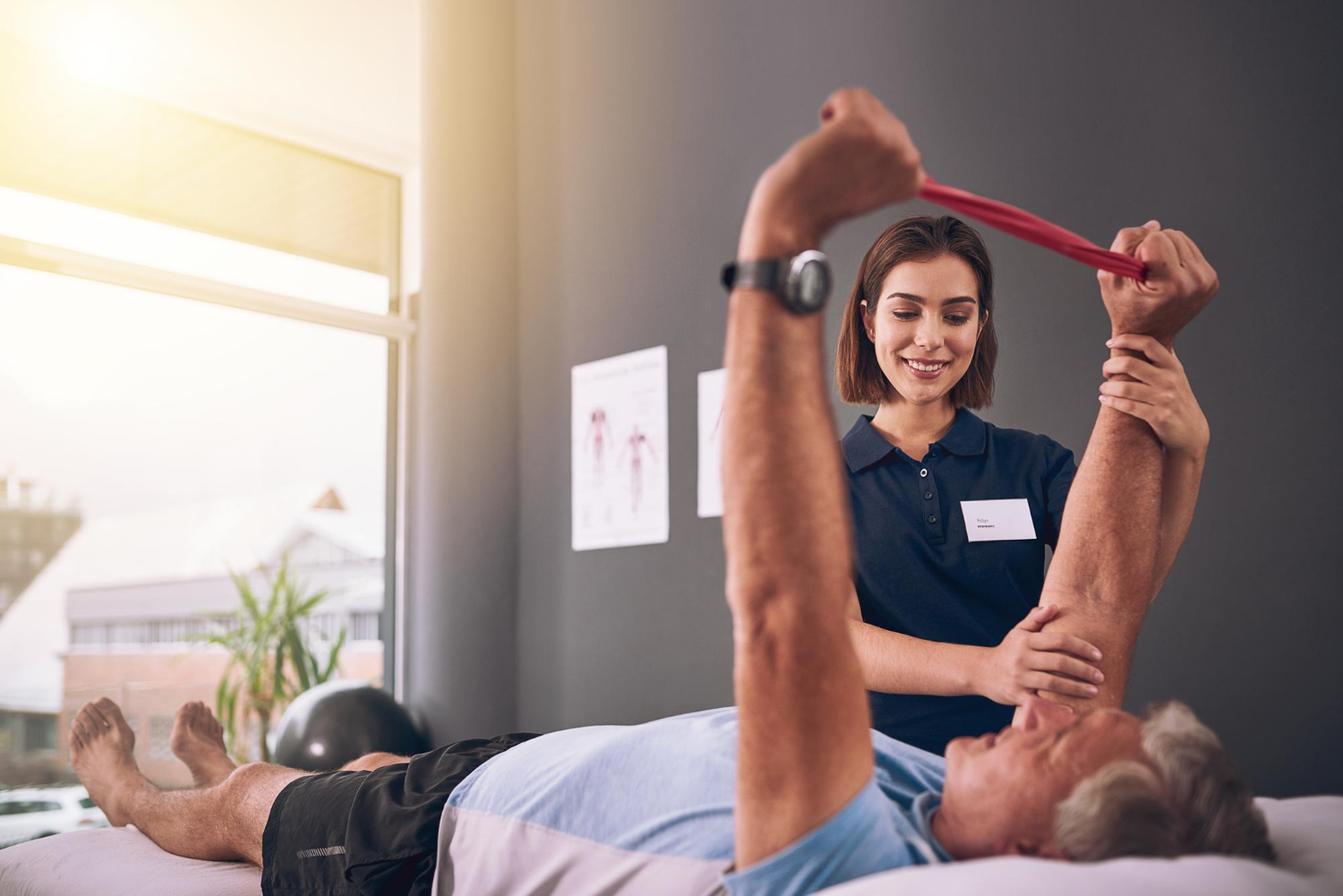
The goal of the medical specialty of physiotherapy is to improve a person’s ability to move and feel better. Physiotherapy can offer individualized assistance to help you reach your objectives, whether you’re coping with an injury, chronic pain, or just want to enhance your physical performance.
Physiotherapist Dubai treat patients of various ages and capacities by combining physical treatment, prescription exercise, education, and other methods to meet each patient’s specific needs.
Physiotherapy has several advantages for anybody trying to maximize their body’s function and mobility, from elderly recuperating from surgery to athletes trying to avoid injuries.
So continue reading to find out more if you’re interested in this exciting area!
Restoring Movement And Function
Humans want to be able to move freely and effortlessly. However, our ability to move might be restricted by diseases and injuries. The goal of physiotherapy is to improve mobility, injury recovery, pain management, movement therapy, and physical rehabilitation in order to restore function and movement.
Physiotherapists treat patients who have suffered from a variety of ailments that limit their range of motion. In order to assist their patients in restoring strength and flexibility while controlling any pain or discomfort, they employ a variety of strategies, including manual treatment, exercise prescriptions, electrotherapy modalities, and education.
With the help of these experts, people may resume their regular activities without being hindered by movement restrictions.
Working With Patients Of All Ages
Patients of various ages can benefit from the diverse discipline of physiotherapy. Physiotherapists treat patients of various ages, from young children to the elderly.
Managing disorders like cerebral palsy and developmental delays in children is the focus of pediatric physiotherapy Dubai.
However, age-related conditions, including osteoporosis, arthritis, and balance problems, are the main focus of geriatric treatment.
People who participate in sports or physical activities frequently get sports-related injuries, where sports physiotherapy Dubai plays an important role in recovery and strength restoration.
Another area where physiotherapy is essential for regaining function and mobility following surgery is post-surgery physiotherapy Dubai.
Physiotherapists may also treat neurological conditions, including Parkinson’s disease, multiple sclerosis, and stroke, using methods like neurological physiotherapy Dubai.
As we’ve seen, physiotherapy addresses a wide range of conditions, such as neurological illnesses, sports injuries, postoperative rehabilitation, pediatric treatment, and geriatric therapy.
Conditions Treated By Physiotherapists
An important aspect of physiotherapy is working with patients of various ages. In our line of work, we assist people with a range of medical issues that may affect their mobility and general well-being. Being a physiotherapist requires embracing each patient’s own road to recovery while offering them support and direction along the way.
Physiotherapists treat a wide range of illnesses, including musculoskeletal problems, neurological disorders, chronic pain, sports injuries, and post-surgical rehabilitation. Physiotherapy treatment has several advantages when it comes to treating specific conditions:
- Decreased Pain: By increasing muscular flexibility and joint movement, physiotherapy reduces pain.
- Increased Mobility: Patients can increase their general mobility levels by treating underlying problems associated with movement limitations or impairments.
- Enhanced Strength: Patients can gradually improve their strength levels with workouts customized to meet their specific demands.
- Improved Balance/Coordination: To reduce falls and improve coordination, physiotherapy programs frequently incorporate balance training sessions.
It’s no secret that during our lifetimes, our bodies experience a great deal of wear and tear. This does not, however, imply that we must accept diminished mobility or a lower standard of living.
Let’s talk about the many advantages that physiotherapy treatments provide for people looking to enhance their physical function and well-being in the next part.
Benefits Of Physiotherapy Treatment
Due to its efficacy in fostering patient happiness and successful recovery, physiotherapy treatment has become increasingly important over time. It is essential for managing pain and preventing injuries, assisting people in healing from illnesses or injuries that restrict their range of motion. Physiotherapists are qualified professionals, and choosing a licensed physiotherapist Dubai ensures safe, regulated, and effective treatment.
Increased mobility is one of the main advantages of physical therapy. It is simpler to do things that were previously difficult because of constraints brought on by an illness or injury when you are mobile and well.
Physiotherapy is also renowned for offering customized treatment programs delivered through professional physiotherapy Dubai services, designed to address individual patient requirements. This guarantees that every patient gets individualized care and assistance during their recuperation process. As a result, patients can anticipate greater success rates than with conventional medical therapies or other types of therapy.
Let’s go on to talking about physiotherapy techniques.
Techniques Used In Physiotherapy
Physiotherapy employs a variety of methods to reduce pain and encourage recovery. Manual therapy is one such method that entails manipulating muscles, joints, and bones with the hands. By dissolving any adhesions or scar tissue that may have developed as a result of an accident, this method can assist in increasing mobility and lessening stiffness.
Electrical stimulation is another common physiotherapy treatment. This technique stimulates muscles and nerves using electric currents to restore their normal function.
By stimulating particular areas on the body’s surface, acupuncture may also be used to reduce pain.
Warm water is used in hydrotherapy, also known as water treatment, to relieve aching muscles and joints while also promoting circulation.
Finally, following an accident or surgery, mobilization treatments are frequently utilized to restore normal joint mobility.
Each of these strategies is essential for encouraging healing from diseases or accidents. They are only a few of the many treatment options available within modern physiotherapy practice.
Specialized equipment can also be very beneficial in promoting healing and enhancing patient outcomes, in addition to these more conventional approaches. Let’s examine some of the tools that are frequently utilized in physiotherapy nowadays in more detail.
Specialized Equipment Used In Physiotherapy
Physiotherapists use specific equipment to assist patients in healing from injuries and enhancing their physical abilities, much as a carpenter requires his tools to construct.
Exercise balls, resistance bands, and weights for strength training are examples of basic equipment used in physiotherapy. More sophisticated tools like ultrasonography and electrical stimulation devices are also employed.
With computerized systems that track patient progress and offer comprehensive performance data, technological improvements have simplified the work of physiotherapists.
When utilizing these devices, safety concerns are also crucial; it’s critical to follow the right maintenance procedures to guarantee good procedure.
To ascertain if purchasing pricey equipment would eventually help patients, a cost-benefit analysis is frequently carried out.
Types Of Massage Used In Physiotherapy
Physiotherapy is a type of rehabilitation that aids in pain relief and the restoration of physical function. In order to treat neurological diseases, movement abnormalities, and musculoskeletal injuries, a variety of approaches are used.
Massage therapy is one of these methods that can be used with other therapeutic approaches. Physiotherapy frequently employs a variety of massage techniques.
To relieve stress and encourage healing, deep tissue massage targets the deepest levels of muscle tissue. Long strokes and kneading actions are used in Swedish massage to relax muscles and improve blood flow.
While sports massage seeks to enhance athletic performance by lowering muscular pain and increasing flexibility, trigger point massage concentrates on particular locations of muscle stiffness or knots.
Myofascial release promotes a greater range of motion by addressing limitations in the connective tissue surrounding muscles and joints.
Exercises Used In Physiotherapy
Exercises used in physiotherapy to enhance a person’s general bodily function include Active Rehabilitation, Resistance Training, Range of Motion, Soft Tissue Mobilization, and Balance Training.
Through specific exercises, active rehabilitation aims to improve balance and strengthen weak muscles. People recuperating from surgery or those with sporting injuries frequently utilize it.
Using weights or resistance bands to increase muscular development and strength is known as resistance training. By increasing bone density, this kind of activity lowers the chance of developing osteoporosis in later life.
By allowing joints to move through their whole range of motion, range of motion exercises aim to increase flexibility.
Targeting certain body parts that may be tense or tight is the goal of soft tissue mobilization.
Lastly, the goal of balance training is to increase stability and develop core muscles, which will help people maintain good posture as they age.
Stretching Techniques Used In Physiotherapy
Among the methods used in physiotherapy to increase range of motion and flexibility are dynamic stretching, proprioceptive neuromuscular facilitation (PNF), static stretching, active stretching, and passive stretching.
Dynamic stretching includes motions that mimic daily motions or sports-specific activity.
Using a method called proprioceptive neuromuscular facilitation, the therapist simultaneously contracts and extends the muscle. Stretching like this promotes both strength and flexibility.
Static stretching helps your muscles stretch more efficiently by having you hold a position for a long time without moving.
Holding a stretch independently, without the aid of another person or object, is known as active stretching.
Lastly, passive stretching lets someone else move your limbs into postures that will improve your mobility and flexibility.
Physiotherapists want to help their patients become more independent and function better in their daily lives by including these different kinds of stretches into their therapy sessions.
People may learn how to do these stretches on their own and sustain their best physical health outside of therapy sessions with consistent practice and professional instruction.
To live a happy, pain-free life, one must attain this degree of autonomy and mastery over one’s body.
Achieving Independence And Improved Functioning
Essential components of physiotherapy include increasing muscle strength, boosting self-sufficiency, improving mobility, boosting confidence, and improving coordination. People can become more independent and operate better in their everyday lives by concentrating on these areas.
Physiotherapists strive to enhance range of motion, balance, and general physical performance using a variety of exercises and methods customized to each individual’s specific requirements.
Patients start to develop the self-assurance required for success outside of therapy sessions as they witness improvements in their skills. They feel more capable of managing daily responsibilities on their own because of this renewed sense of control.
Achieving independence via physiotherapy has psychological advantages in addition to physical ones. In addition to learning how to properly manage their pain, patients also learn about the limitations and capabilities of their bodies.
Empowerment, or the understanding that individuals can take control of their health and well-being, follows this information. In the end, patients can get greater independence in both mind and body without depending on others for support or assistance by working with a qualified specialist who knows how to help people overcome challenges connected to mobility and function.
FAQs
Do I Need A Doctor’s Referral To See A Physiotherapist?
Searching for physical therapy but unsure of where to begin? Excellent news! To see a physiotherapist, you don't necessarily require a reference from a physician.
Numerous clinics provide self-referral alternatives with minimal to no waiting times, while certain insurance coverage may necessitate it. You can even get therapy from the convenience of your own home in the modern world of telehealth possibilities.
Why wait, then? Investigate physiotherapy on your own terms to take charge of your freedom and well-being. As they say, "the best things in life are free," and we all want to feel independent and in control of how we take care of our bodies.
How Many Sessions Of Physiotherapy Will I Need Before Seeing Results?
The number of physiotherapy sessions required to achieve benefits depends on a number of factors, including the frequency of sessions, exercise modalities, therapist credentials, insurance coverage, and patient compliance.
The probability of improvement will be increased by consistency and dedication to attending visits and performing exercises at home, even if an exact figure cannot be offered because each person's condition and reaction to therapy vary.
Through specialized exercises catered to each patient's needs, physiotherapy seeks to help people restore their function and mobility while also educating them on self-care and injury prevention strategies.
A certified physiotherapist Dubai can help you manage a chronic disease or recover from an injury, which can enhance your quality of life.
Furthermore, taking charge of your health has never been simpler thanks to insurance alternatives that cover a wide range of treatments and the flexibility to select the provider that best suits your tastes.
Can Physiotherapy Help With Chronic Pain Conditions?
Physiotherapy is a comprehensive treatment that may address chronic pain disorders in several ways.
Your customized fitness regimen may include complementary therapies like yoga and acupuncture to help manage discomfort.
To ease pain and enhance mobility, manual treatment methods like massage and joint mobilization are frequently employed.
Physiotherapists may also suggest lifestyle modifications, such as stress-reduction strategies or ergonomic workplace modifications.
Long-term relief from chronic pain can result from constant work toward these goals, even if it's hard to forecast how many sessions you'll need before experiencing improvements.
Therefore, physiotherapy may be the solution you've been looking for if you want to break free from the cycle of pain!
Are There Any Risks Or Side Effects Associated With Physiotherapy Treatment?
For people looking for relief from chronic pain disorders, physiotherapy may provide several advantages; nevertheless, it's crucial to be mindful of the possible hazards and typical side effects of the treatment.
The therapist usually takes safety measures to reduce any unfavorable effects, but patients also have an obligation to be honest about their medical history and pay close attention to instructions.
Making informed decisions based on personal requirements and circumstances requires weighing the advantages and disadvantages of every treatment strategy.
In the end, physiotherapy has worked well for a lot of people looking for long-term pain relief.
What Does Physiotherapy Focus On?
Using evidence-based methods, physiotherapy aims to improve physical function, decrease discomfort, and restore movement. Physiotherapists at the Vitruvian-Italian Physiotherapy Center in Dubai uses individualized treatment regimens based on each patient's health and lifestyle to address musculoskeletal, neurological, and postural issues.
How Does Physiotherapy Help With Pain Management?
determining its underlying cause. In order to reduce discomfort, enhance circulation, and promote long-term rehabilitation, methods like manual treatment, exercise regimens, electrotherapy, and movement correction are employed.
Which Treatment Approach Is Most Effective For Joint And Muscle-Related Conditions?
Orthopedic physiotherapy Dubai, which focuses on regaining strength, flexibility, and movement through targeted exercises, manual therapy, and evidence-based rehabilitation techniques intended to improve long-term physical function and reduce pain, is effective for treating conditions affecting bones, joints, and muscles.
How Can Targeted Therapy Help Improve Mobility And Manage Pain Effectively?
Expert care is provided to patients at the Physiotherapy Center Dubai with the goals of improving recovery, minimizing discomfort, and restoring movement. Each person's needs are satisfied through personalized workout regimens and hands-on therapies, which promote improved posture, strength, and general physical function in a secure and professional setting.
How Can Choosing The Right Facility Improve Recovery Outcomes?
Access to cutting-edge methods, licensed therapists, and individualized treatment plans are all guaranteed when you choose a physiotherapy clinic Dubai that is properly equipped. For patients with different mobility and pain management requirements, this structured setting promotes a quicker recovery, regular progress monitoring, and safer rehabilitation.
Conclusion
To sum up, physical therapy is a life-changing procedure that works like magic. You’ll be astounded at how much better you feel after only a few sessions!
You won’t have to endure ongoing agony or discomfort any longer. The solution to all of your issues is physiotherapy!
What are you waiting for, then? Consult the best physiotherapist Dubai to start a structured treatment plan aimed at long-term mobility and pain management.
Patients often see considerable benefits with an organized physiotherapy approach when led by experienced specialists