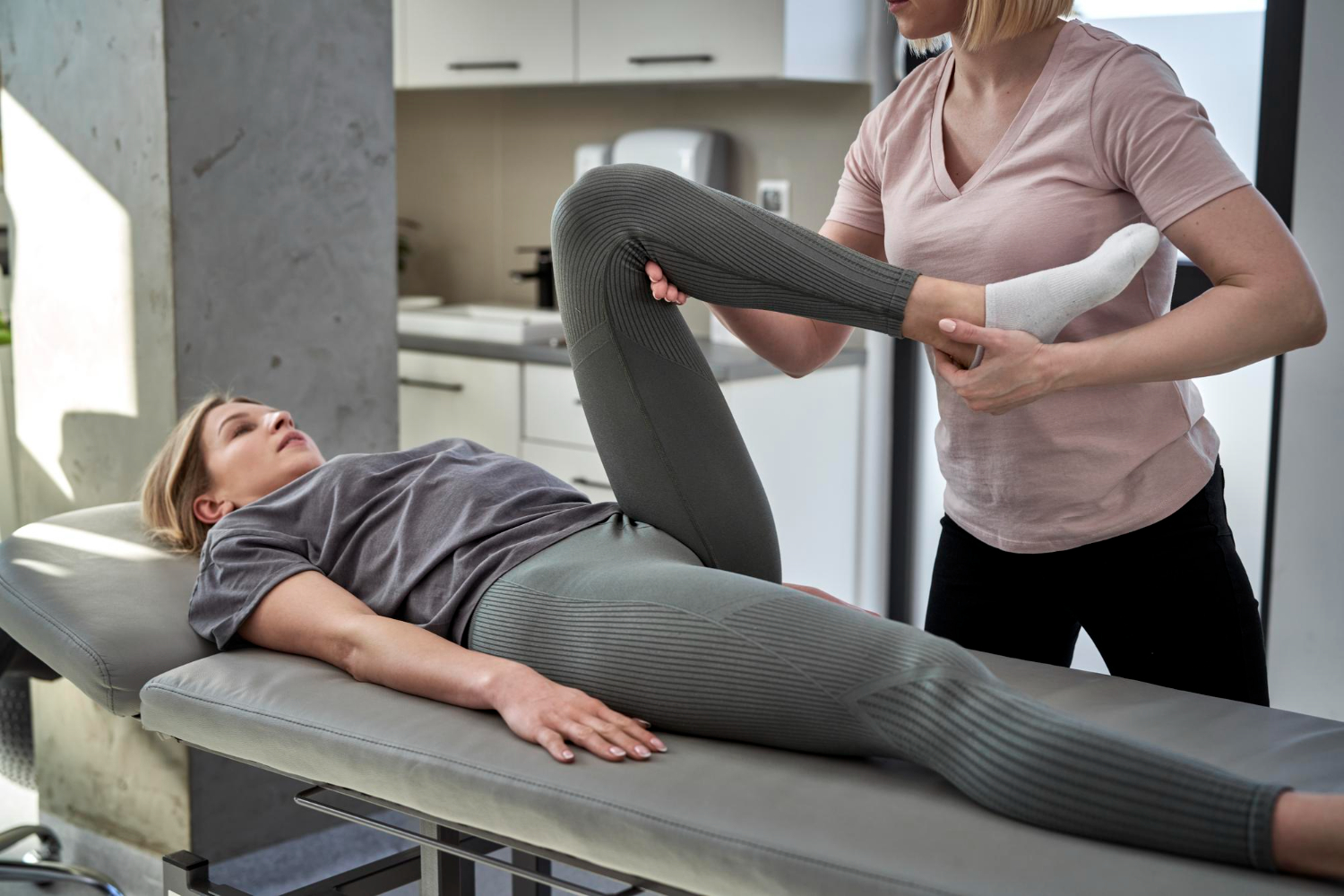
The diagnosis, treatment, and prevention of movement disorders are the main goals of the medical field of physiotherapy. In pelvic floor rehabilitation Dubai, physiotherapy plays a vital role in healthcare, helping countless people regain function and improve their quality of life, whether they are recovering from an injury, managing a chronic illness, or developing their physical capabilities.
Sometimes, discussions about health overlook the pelvic floor, despite its crucial role in our body’s structure. It supports important organs like the uterus, bladder, and colon by acting as a sling of muscles. Maintaining the strength and functionality of this area is crucial for overall health and wellness, as well as for preventing pain and discomfort. Pelvic Health Physiotherapy Dubai enables patients to enhance their general core strength, bowel and urine control, and sexual function.
However, several health problems can result from weakening or damage to this muscular structure, caused by factors such as age, childbirth, surgery, or specific medical conditions. Pelvic floor physiotherapy Dubai helps in this situation by providing methods and therapies created especially for pelvic floor rehabilitation. This guide will cover pelvic floor physiotherapy, including its significance, techniques, advantages, and much more.
Understanding the Pelvic Floor
One amazing but sometimes disregarded part of our anatomy is the pelvic floor. Understanding it is essential for anyone hoping to use Pelvic floor therapy Dubai to preserve or regain their health. Let’s examine its complexities.
Anatomy and Functions
Stretching like a hammock from the tailbone to the pubic bone, the pelvic floor is a layered collection of muscles and connective tissues. The bladder, rectum, and, in women, the uterus are among the vital organs it cradles and supports. It performs active functions in addition to being a passive support structure:
- Support: It keeps the pelvic organs in place by serving as a foundation.
- Sphincteric Control: By appropriately contracting and relaxing, these muscles control bowel and urine movements.
- Sexual Function: They support both sexual function and sensation.
- Stability: They support the pelvic area and spine by cooperating with deep core muscles.
Common Conditions of the Pelvic Floor
When these muscles are either too weak or too tense, pelvic floor disorders may result, frequently necessitating Pelvic Floor Dysfunction Treatment Dubai for a healthy recuperation. Among the common conditions are:
- Pelvic organ prolapse: It is the descent and protrusion of pelvic organs into the vaginal canal due to weakening of the pelvic muscles.
- Urinary and Fecal Incontinence: Unintentional urine or stool leakage can result from a lack of strength or coordination.
- Pelvic Pain Syndromes: Dyspareunia (painful intercourse) or chronic pelvic pain can be caused by overly tense pelvic muscles.
Factors Contributing to Pelvic Floor Weakness
The pelvic floor’s strength and functionality may be compromised by a number of factors, and timely Pelvic floor treatment Dubai can help avoid long-term issues.
- Childbirth: Muscle strains and injuries can occur during vaginal deliveries.
- Age: Natural aging can lead to a decrease in muscle tone.
- Surgery: Operations like hysterectomies may weaken the supporting structures.
- Chronic Straining: The body may experience undue strain due to prolonged constipation or heavy lifting.
- Other Medical Conditions: Over time, the pelvic floor may be stressed and weakened by conditions like obesity or a persistent cough.
The first step to proactive care and well-informed treatment decisions is acknowledging the significance and vulnerabilities of the pelvic floor.
Role of Physiotherapy in Pelvic Floor Health
The dynamic field of physiotherapy uses methods to treat a wide range of physical conditions. Working with a licensed Pelvic Physiotherapist Dubai allows you to maintain the resilience and functionality of this essential muscular structure.
Preventive Measures
Physiotherapy can serve as a preventive measure before issues arise. Preventive physical therapy, particularly for those who are susceptible to pelvic floor dysfunctions (such as expectant mothers or those with a family history of the condition), can:
- Educate: Provide information on safe exercises, appropriate posture, and best practices.
- Strengthen: Offer exercises designed to increase the strength of the pelvic floor muscles.
- Flexibility: Methods that preserve or enhance the pelvic muscles’ elasticity to guarantee ideal performance.
Treatment for Existing Disorders
People suffering from pelvic floor problems, such as incontinence, can greatly benefit from specialized pelvic floor therapy for incontinence Dubai, which helps them regain bladder and bowel control safely and efficiently.
- Targeted Exercises: Physiotherapists create exercises that target particular pelvic floor muscles or groups based on individual assessments.
- Relaxation Techniques: Relaxation techniques help reduce pain and discomfort when the issue is caused by overly tense muscles.
- Functional Retraining: Retraining the pelvic muscles to ensure that they contract, relax, and provide support when necessary is known as functional retraining.
Postpartum Recovery
Women recuperating from childbirth can benefit from postpartum pelvic floor therapy Dubai, which is intended to alleviate incontinence, strengthen pelvic muscles, and promote a faster, safer recovery. Physiotherapy offers:
- Rehabilitative exercises: They are tailored regimens that enhance muscle tone, strength, and healing after childbirth.
- Education: Advice on lifting methods, safe postpartum activities, and general care to avoid aggravating any pelvic problems.
- Biofeedback: A method in which patients receive real-time feedback regarding their pelvic muscle activity through electronic monitoring. It helps guarantee that exercises are performed correctly.
Physiotherapy plays a variety of roles in pelvic floor health. Physiotherapy continues to be a vital component in the pursuit of optimal pelvic health, whether it is through the prevention of pelvic muscle weakness, the rehabilitation of pelvic muscles following an injury or life event such as childbirth, or the simple education of individuals on best practices.
Techniques and Modalities
Physiotherapists use a variety of methods and approaches to treat the pelvic floor’s various needs. Best Pelvic Floor Physiotherapy in Dubai is built on these research-backed methods, which guarantee successful and safe results.
Kegel Exercises
Kegel exercises are the cornerstone of many treatment regimens and are among the most popular ways to strengthen the pelvic floor.
- Proper Technique: The contraction and relaxation of the pelvic floor muscles is the fundamental component of a Kegel exercise. It’s similar to stopping and then releasing urine in the middle of a stream. For the exercise to be effective, proper form is essential.
- Common Errors: People frequently use the incorrect muscles, such as the thighs or buttocks. Holding one’s breath during the contraction is another common mistake. A physiotherapist can provide advice on how to stay clear of these dangers.
Biofeedback Therapy
The diagnostic and therapeutic tool known as biofeedback provides real-time insights.
- Visualization: Patients can see their pelvic floor muscle activity on a screen by using sensors.
- Training: People can learn to modify their muscle activity voluntarily to ensure appropriate contraction and relaxation.
Electrical Stimulation
Electrical stimulation can be a game-changer for people who have trouble recognizing or using their pelvic floor muscles.
- Muscle Activation: To activate the pelvic muscles, a mild electrical current is administered through an intrarectal or intravaginal probe.
- Therapeutic Benefits: It can reduce pain and urgency in addition to assisting people in identifying the sensation of muscle contraction.
Manual Therapy
Manual therapy uses a tactile approach to address a variety of pelvic floor problems.
- Myofascial Release: This method helps with relaxation and pain relief by releasing tension in the connective tissues that surround the pelvic muscles.
- Trigger Point Therapy: Pain may originate from particular, tense points in the pelvic muscles. By directly pressing on these points, physiotherapists can encourage relief and relaxation.
The needs of the patient, the type of pelvic floor dysfunction, and the professional evaluation of a qualified physiotherapist all play a role in choosing the best technique, or combination of techniques. Based on evidence-based practice, these modalities offer a way to enhance pelvic floor health, functionality, and general well-being.
The Process of Physiotherapy
Some people may find it intimidating to start a physiotherapy journey, particularly for pelvic floor health. Nonetheless, comprehending the methodical procedure can demystify the encounter, offering assurance and clarity.
Initial Assessment
This is where the journey starts. To comprehend the person’s needs and concerns, the physiotherapist performs a thorough evaluation.
- Discussion: The foundation is laid by talking about symptoms, medical history, lifestyle, and particular difficulties.
- Physical Examination: To assess muscle tone, strength, and possible abnormalities, the pelvic region may be visually and tactilely examined. You can be sure that the highest level of comfort and privacy is guaranteed.
Personalized Treatment Plan
The physical therapist creates a customized program based on the results.
- Goal setting: It is the process of defining specific, attainable objectives, such as reducing pain, building muscle, or enhancing functional abilities.
- Technique selection: It refers to the process of choosing the appropriate combination of exercises, modalities, and interventions to address each person’s particular concerns.
- Home Care Instructions: Giving instructions for exercises or practices that can be completed on one’s own to maximize the advantages of therapy sessions.
Regular Follow-ups
In physiotherapy, consistency is essential. Frequent sessions guarantee that the treatment stays on course and can be modified in response to advancements.
- Monitoring progress: It involves reevaluating overall functionality, pain thresholds, and muscle strength.
- Modifications: To ensure the best possible results, the treatment plan may be adjusted in response to changing needs and advancements.
- Feedback Loop: The patient and the physiotherapist have an ongoing conversation to make sure issues are resolved and successes, no matter how minor, are acknowledged.
Physiotherapy for pelvic floor health is a team effort. While the individual provides dedication, feedback, and active participation, the physiotherapist brings knowledge, resources, and methods to the table. When combined, these benefits lead to better pelvic health, a higher standard of living, and a greater awareness of one’s own body.
Benefits of Pelvic Floor Physiotherapy
Despite being specialized, pelvic floor physical therapy has advantages that go well beyond the area of focus. Women’s pelvic floor rehab Dubai promotes emotional health, continence, pain management, and strength restoration at all stages of life.
Enhanced Muscle Function
Physiotherapy’s primary goal is to increase the pelvic muscles’ capacity:
- Strength: By strengthening the pelvic floor, targeted exercises can help prevent prolapse and incontinence.
- Coordination: Especially when lifting or sneezing, physiotherapy helps to fine-tune muscle response, guaranteeing prompt contractions and relaxations.
Improved Quality of Life
Daily comfort is greatly enhanced by a functional pelvic floor:
- Continence: Confidence in social and professional contexts can be restored by minimizing or getting rid of unintentional leaks.
- Sexual Satisfaction: A more satisfying sexual experience may result from improved muscle control and decreased pain.
Reduced Pain and Discomfort
Periodic or chronic pelvic pain can be incapacitating. Physiotherapy provides:
- Relief: By releasing tension, methods like myofascial release can lessen discomfort.
- Sustainable Solutions: Physiotherapy offers long-term solutions as opposed to short-term respite by addressing the underlying causes.
Postpartum Recovery
The integrity of the pelvic floor may be compromised during childbirth, but physiotherapy can hasten recovery:
- Rehabilitation: After giving birth, customized exercises aid in healing and strength restoration.
- Education: From safe lifting techniques to identifying possible pelvic problems, new mothers are prepared to handle postpartum challenges.
Psychological Well-being
Because pelvic floor problems are intimate, they frequently have an impact on mental health:
- Empowerment: Regaining control over pelvic floor functions can help people feel more in control of their lives.
- Decreased Anxiety: Stress and uncertainty related to pelvic disorders can be reduced by understanding that there is a route to improved health.
Physical therapy for the pelvic floor positively impacts various facets of life. The benefits of this specialized care are significant and all-encompassing, whether they are intangible, like restored confidence, or tangible, like muscle strength.
Home Care and Maintenance
Actively maintaining pelvic floor health extends beyond the confines of the physiotherapist’s center. The improvements made during therapy can be maintained, and long-term pelvic well-being can be promoted by implementing regular home maintenance and care routines.
Daily Exercise Routine
The secret is to be consistent. The pelvic muscles are strengthened by performing daily exercises.
- Scheduled Kegels: Establishing dedicated periods of time for Kegel exercises throughout the day can help establish a consistent routine.
- Functional Integration: It is easier to maintain consistency when pelvic floor exercises are incorporated into regular activities, like taking showers or watching TV.
Using Props and Tools
Effectiveness can be increased at home with the use of a variety of tools.
- Resistance Equipment: For more complex training, equipment such as pelvic floor weights or cones can offer more resistance.
- Biofeedback devices: To guarantee proper muscle engagement during exercises, portable models can be utilized.
Staying Informed
A persistent desire to learn can lead to enormous success.
- Updated Methods: New exercises and methods are developed as research advances. Maintaining current knowledge guarantees that the best practices are applied.
- Educational Resources: Additional information and advice for at-home care can be found in books, reliable websites, and online workshops.
Mindful Lifestyle Choices
Pelvic floor wellness is significantly influenced by holistic health.
- Posture: Maintaining proper posture can help avoid placing excessive strain on the pelvic area, particularly when sitting for extended periods of time.
- Dietary Decisions: While avoiding excessive caffeine or spicy foods can reduce bladder irritants, a balanced diet supports overall muscle health.
- Weight management: Maintaining a healthy weight lowers the strain on the muscles and structures of the pelvis.
Regular Check-ins with Professionals
Periodic professional consultations are invaluable, even when managing from home.
- Progress Evaluation: Experts are able to evaluate the efficacy of at-home practices and recommend any necessary changes.
- Maintaining Motivation: Frequent check-ins can act as a source of inspiration, preventing a gradual decline in at-home routines.
Maintaining pelvic floor health requires constant effort. People can take control of their pelvic well-being by incorporating daily routines, making wise decisions, and utilizing the resources that are available. Proactive home care combined with expert advice creates the foundation for long-term pelvic health and vitality.
Physiotherapy and Pelvic Health
Often overlooked in favor of other medical issues, pelvic floor health is a vital component of total well-being. However, its impact extends beyond psychological aspects like confidence and emotional balance to physical functions like preserving continence and sexual satisfaction.
Gaining an appreciation of the pelvic floor’s importance begins with comprehending its complex dynamics. It is made up of tissues, muscles, and ligaments that support important organs while also supporting a variety of body processes.
One effective method for promoting pelvic floor health is physiotherapy. Physiotherapists provide customized solutions for a range of issues by utilizing a variety of methods, from basic Kegel exercises to sophisticated modalities like biofeedback therapy. Physiotherapy follows a collaborative process, with an initial evaluation setting the stage for individualized treatment plans and frequent follow-ups to ensure long-term improvement.
In Dubai, there is a physiotherapy facility called Vitruvian-Italian Physiotherapy Centre. Pelvic floor physiotherapy is one of the many physiotherapy treatments in which we specialize. To find out more and to make an appointment, get in touch with us right now.
FAQs
Is Pelvic Floor Physiotherapy Culturally Appropriate And Private In Dubai Clinics?
Yes, cultural sensitivity and patient privacy are closely adhered to at Dubai clinics. Patients can choose between a male or female physiotherapist, and sessions are held in individual treatment rooms, guaranteeing privacy and comfort during the course of therapy.
How Does Pelvic Floor Physiotherapy Support Post-Pregnancy Recovery In Dubai?
Regaining muscular strength, improving bladder control, and lessening pelvic pain are all benefits of postnatal pelvic floor physiotherapy for new moms in Dubai. To promote long-term pelvic health, it is frequently advised to follow both a typical birth and a C-section.
Are Pelvic Floor Physiotherapy Treatments Personalized?
Yes, Dubai offers completely customized pelvic floor physical treatment programs. Before creating a customized treatment plan that may include exercises, manual therapy, and breathing methods, therapists evaluate posture, muscular strength, and lifestyle variables.
How Long Does It Take To See Results From Pelvic Floor Physiotherapy?
Although full healing relies on the severity of the ailment and workout consistency, most patients in Dubai see improvement after a few sessions. Consistent follow-ups contribute to long-lasting and durable outcomes.