One approach is shockingly underutilised in physical therapy practices nationwide, despite being mild and incredibly effective. Lymphatic drainage Dubai is a therapeutic technique that provides physical therapists with a unique chance to address complicated patient demands, ranging from post-surgical edema to chronic pain management; nevertheless, many patients who may benefit never experience its therapeutic potential. Vitruvian Italian Physiotherapy Center emphasizes the importance of incorporating this healing method for patient wellness.
Physical therapists are in a unique position to efficiently utilise MLD, which makes this particularly exciting. Manual lymphatic drainage Dubai enables PTs to integrate gentle, rhythmic techniques into larger rehabilitation programs, in contrast to other practitioners who might only concentrate on manual methods.
Understanding Manual Lymphatic Drainage: More Than Just Massage
Patients frequently picture a soothing Swedish massage when they hear the term “lymphatic massage.” Lymphatic drainage massage Dubai works on distinct scientific principles, utilising knowledge of lymphatic physiology to enhance healing and fluid movement.
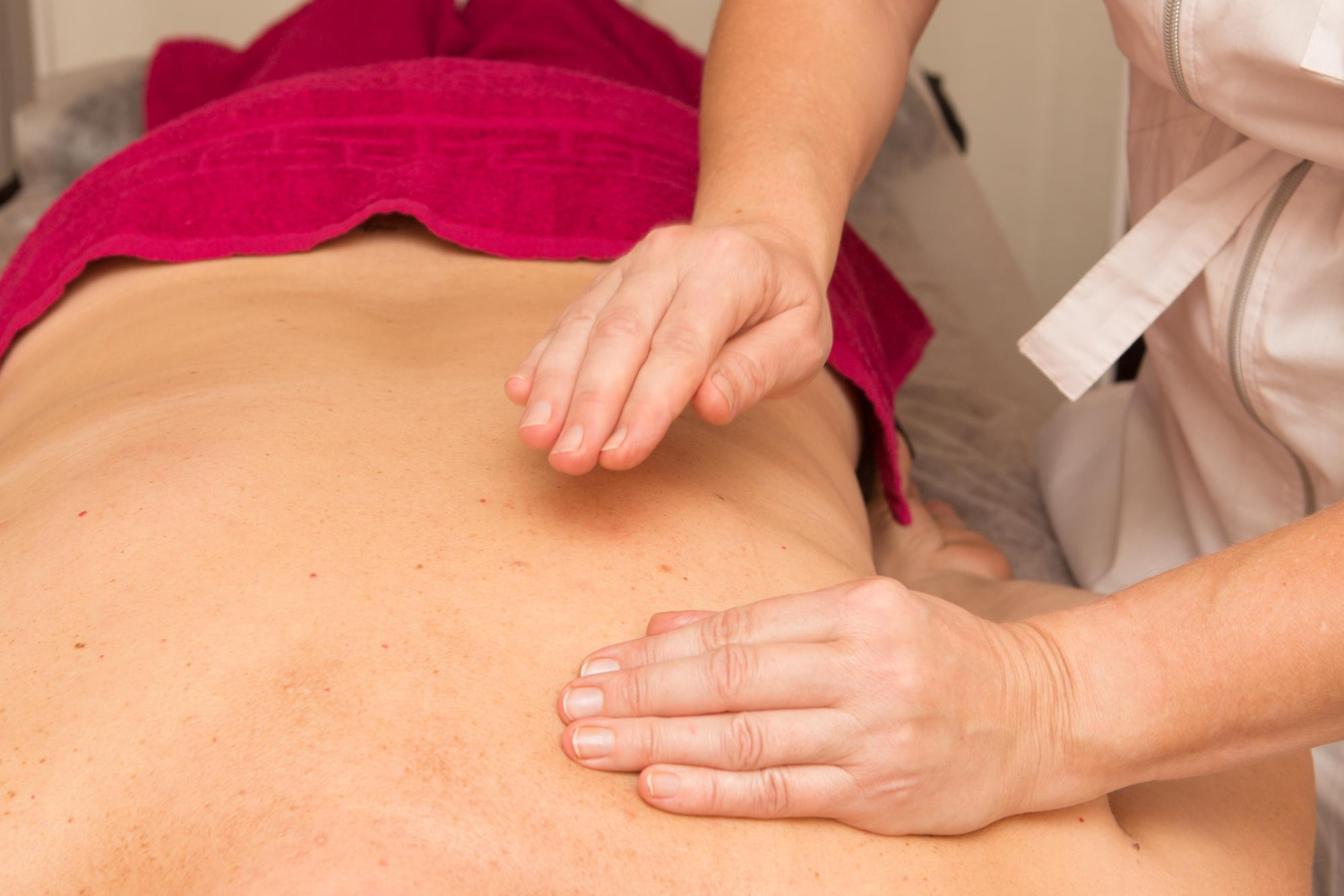
The method targets superficial lymphatic vessels with soft, rhythmic skin-stretching motions. In contrast to conventional massage, which may use intense pressure to penetrate deeply into muscle tissue, MLD applies pressure that is between 30 and 40 mmHg, which is just enough to cause lymphatic contraction without rupturing the fragile capillaries. According to current research of lymphatic function, this mild, rhythmic stimulation that replicates the normal contractile patterns of lymphatic tubes produces the best possible response.
Each stroke proceeds according to distinct lymphatic channels, which return fluid to the venous system after passing via functional lymph nodes. Physical therapists are well-suited to have a comprehensive grasp of lymphatic anatomy, which is necessary for this methodical approach. Perhaps most crucially, MLD procedures prioritise treating unaffected areas first, providing room in the lymphatic system before tackling congested locations.
Why Physical Therapists Excel at MLD
Physical therapists contribute a special blend of abilities that makes them particularly excellent MLD practitioners. Lymphatic therapy Dubai allows PTs to assess tissue quality, identify patterns influencing drainage, and enhance healing outcomes.
The efficiency of MLD is automatically increased by the assessment skills that PTs acquire. We are taught to assess tissue quality, spot limits on mobility, and spot trends that might influence lymphatic drainage. Even in cases where lymphatic dysfunction is not the main presenting problem, we are able to identify patients who may benefit from MLD because to our thorough diagnostic capabilities.
Our comprehension of the stages of tissue healing is entirely consistent with the ideas of MLD. Gentle lymphatic stimulation can help control edema during the inflammatory phase without interfering with the healing process. MLD may be adjusted to promote the best possible recovery while addressing any emerging limitations as tissues go through the phases of proliferation and remodelling.
Measurement techniques used in physical therapy for lymphatic evaluation include volume calculations, circumferential measures, and specialised instruments such as bioimpedance spectroscopy. We can monitor progress and adjust treatment strategies in response to recorded changes thanks to these objective measurements.
Where MLD Shines in Physical Therapy Practice
Post-Surgical Recovery
Post-operative edema is one of MLD’s most direct uses in physical therapy practice. Patients frequently have severe swelling after orthopaedic surgeries, which can delay healing and make early mobilisation difficult. Post-surgery lymphatic drainage Dubai is especially helpful during early recovery stages as it promotes gentle drainage without trauma by utilising natural physiological systems, in contrast to vigorous massage treatments that may interfere with healing processes.
The PT benefit is demonstrated by integration with early mobilisation protocols, which allow us to evaluate movement quality, identify limitations, and initiate suitable therapeutic exercises all at the same time while doing mild lymphatic drainage.
Breast Cancer Rehabilitation
Breast cancer rehabilitation is one of the best-documented uses of MLD in physical therapy. A considerable portion of breast cancer survivors experience post-mastectomy lymphedema. Lymphatic drainage treatment Dubai is a vital part of the rehabilitation program that focuses on restoring movement and managing swelling.
MLD is naturally included into the PT approach to breast cancer rehabilitation as part of a thorough CDT program that also involves education, compression, and exercise. This multimodal approach not only treats the lymphedema but also related problems such as functional limits, postural alterations, and restricted shoulder movement.
The PT’s knowledge of exercise progression and self-management approaches is beneficial for long-term treatment plans. Sustainable management solutions that promote long-term success are created by teaching patients self-care practices and advancing them through suitable strengthening and mobility activities.
Chronic Conditions and Complex Cases
MLD has potential for a number of chronic illnesses that frequently manifest in physical therapy. Gentle lymphatic stimulation benefits patients with venous insufficiency and inflammation. Certified lymphatic drainage therapist Dubai are skilled in addressing these conditions effectively.
A new application area is neurological disorders with subsequent lymphatic impairment. Because of decreased muscle pump action, patients with mobility-impairing diseases frequently acquire secondary lymphatic dysfunction. MLD can support conventional neurological rehabilitation techniques while assisting in addressing this impairment.
The “Hidden Gem” Revealed: Understanding Underutilization
Despite strong evidence and obvious advantages, a number of obstacles keep MLD from being widely used in PT practice. A major first obstacle is the need for training and certification; many PT programs don’t offer the specialised teaching and time commitment necessary for a quality MLD program.
Implementation is practically hampered by time and reimbursement issues. MLD sessions might be challenging to fit into the existing healthcare delivery models since they usually take 45–60 minutes to perform correctly. The financial feasibility of providing MLD services is unknown due to reimbursement factors that differ by insurance provider and location.
Underutilisation is a result of referring physicians’ ignorance. Many medical professionals are still ignorant about MLD’s uses outside of the conventional treatment of lymphedema, which prevents them from referring patients who may profit from this strategy. Despite mounting evidence of MLD’s effectiveness, some practitioners consider it to be “alternative” therapy rather than an evidence-based treatment.
What Patients Can Expect During MLD Treatment
Patients can better prepare for this novel therapy method by being aware of what occurs during an MLD session. MLD sessions start with a comprehensive examination that includes a review of medical history, an assessment of current complaints, and a contraindications screening, in contrast to typical massage.
Patients recline comfortably during therapy as the therapist moves gently and rhythmically over particular body parts. Prior to treating peripheral locations, the session usually begins with “central clearing” of proximal lymphatic networks, which involves treating the neck, axillary, or inguinal regions first to create drainage capacity. The PT approach of developing proximal stability before addressing distal function is reflected in this idea.
During treatment, patients frequently describe feeling quite calm; when lymphatic circulation improves, some may also sense a slight tingling or warmth. Reduced edema, better skin texture, and a less sense of fullness or heaviness are possible immediate results. After therapy, many people report feeling less pain or having more movement right away.
Integrating MLD with Comprehensive Physical Therapy
Combining MLD with other physical therapy methods reveals its full potential. Muscle pumps that naturally aid lymphatic drainage are activated by exercise, which makes the combination with MLD very effective. During or just after MLD treatments, mild workouts might start the functional repair process and improve drainage benefits.
Exercises involving the diaphragm are essential for lymphatic rehabilitation because they induce pressure changes that propel lymph through deep arteries. Instructing patients in efficient breathing techniques promotes general wellbeing and mitigates the consequences of MLD.
Comprehensive lymphatic rehabilitation regimens are created by combining MLD with compression, exercise, and education in Complete Decongestive Therapy protocols. Applying compression right after MLD sessions helps preserve the drainage effects and stops lymphatic fluid from reaccumulating.
Clinical Decision-Making and Safety Issues
Safety issues are a crucial component of MLD administration that necessitate meticulous patient screening and a comprehensive awareness of contraindications. Acute infections, acute deep vein thrombosis, untreated congestive heart disease, and active untreated cancer are examples of absolute contraindications.
Relative contraindications need to be carefully considered and frequently discussed with a doctor. These include unstable hypertension, renal insufficiency, and other illnesses where there may be dangers associated with lymphatic stimulation. A thorough evaluation of medical history, physical examination, and, if necessary, consultation with a physician should all be part of risk assessment procedures.
Building MLD Excellence in Physical Therapy Practice
Developing MLD expertise necessitate commitment to specialized education and ongoing skill development. Although certification paths differ by technique and organisation, they all call for extensive practical instruction and proof of proficiency. Consistent use over time helps build the tactile abilities necessary for successful MLD.
Patient comprehension and adherence to self-management techniques are critical for successful MLD results. Teaching patients self-MLD procedures through rigorous education and supervised practice should start early in the course of treatment. Celebrating little victories and training patients to identify gains in their health are key components of boosting their confidence.
The Future of MLD in Physical Therapy
Research on MLD’s potential uses outside of the conventional treatment of lymphedema is still ongoing. MLD application shows potential for chronic pain problems with inflammatory components, especially when paired with other physical therapy approaches. Enhanced lymphatic function may have anti-inflammatory benefits that support general pain treatment techniques.
Applications of sports medicine keep growing as knowledge of the role lymphatic function plays in performance and recovery increases. Technology integration provides interesting opportunities for increasing MLD delivery and monitoring treatment responses through enhanced imaging and bioimpedance monitoring. Our physical therapy staff at Vitruvian Italian Physiotherapy Center is leading the way in these advancements for the good of our patients.
Unleashing the Hidden Potential Manual
Lymphatic drainage is more than simply another therapeutic approach; it is a paradigm shift in the direction of comprehending and maximising the body’s inherent healing processes. MLD presents a chance for physical therapists to improve patient outcomes while meaningfully extending their treatment skills.
Perhaps more significantly, clinical experience continuously shows advantages that go beyond what research studies usually evaluate, adding to the growing body of data supporting MLD. When MLD is carefully included in all-encompassing rehabilitation programs, patients report reduced recovery times, increased function, and improved quality of life.
FAQs
How Does Manual Lymphatic Drainage Differ From Regular Massage?
Unlike regular massage, manual lymphatic drainage uses light, rhythmic movements to encourage lymph flow without deep tissue pressure.
Who Can Benefit From Lymphatic Drainage?
People recovering from surgery, managing chronic swelling, or seeking detoxification support can all benefit from this therapy.
Is Lymphatic Drainage Safe After Surgery?
Yes, when performed by a certified therapist, post-surgery lymphatic drainage supports healing and minimizes inflammation safely.
How Many Sessions Are Recommended For Best Results?
The number of sessions depends on the patient’s condition and goals. Therapists at Vitruvian Italian Physiotherapy Center design personalized plans.